

Chronic Constipation Relief: 12 Foods That Actually Work (Without Laxatives)
Medical disclaimer: This article provides general nutrition information. It is not a substitute for professional medical advice. If you have chronic constipation lasting more than 3 weeks, severe abdominal pain, blood in stool, unexplained weight loss, or have been told you have IBS, IBD, or colon issues, please see a doctor before changing your diet. Some causes of chronic constipation require medical evaluation, not just food changes.
Quick Answer
The most effective foods for chronic constipation are prunes, kiwi, chia seeds, pears, oats, beans, and leafy greens. They work by adding soluble and insoluble fiber, retaining water in the colon, and feeding beneficial gut bacteria. For real relief, combine 25 to 35 grams of daily fiber with 2 to 2.5 liters of water, regular movement, and a consistent eating schedule. Detox teas and harsh laxatives often make chronic constipation worse over time, not better.
When to See a Doctor First (Red Flags)
Most chronic constipation responds to diet and lifestyle changes. But some cases need medical evaluation. See a doctor if you have any of these.
Constipation lasting more than 3 weeks despite diet changes
Severe abdominal pain that does not pass
Blood in stool or black tarry stool
Unexplained weight loss
New constipation in someone over 50 with no clear cause
Family history of colon cancer or IBD
Constipation alternating with severe diarrhea
Persistent bloating or vomiting
Easy Health is a meal delivery brand, not a clinic. The information here is general nutrition advice. Always rule out medical causes with a doctor before relying on food alone.
Why Chronic Constipation Happens in Bangkok
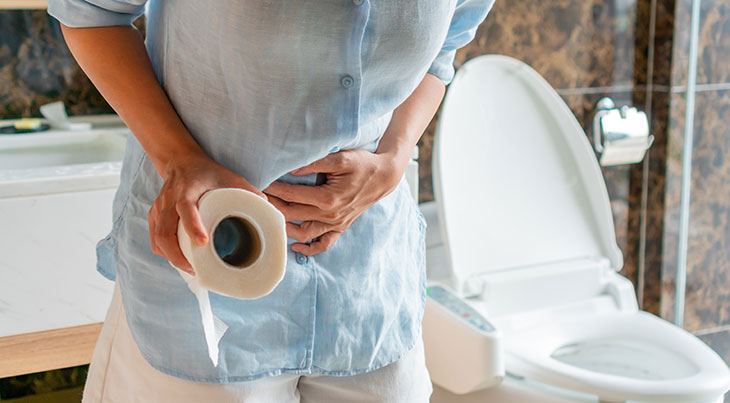
Bangkok lifestyle stacks the deck against your gut. Three factors hit at once.
1. Sedentary office days. Most Bangkok office workers sit 8 to 10 hours a day. Movement is what helps the colon push stool through. Without it, transit slows.
2. Heat-driven dehydration. You sweat constantly in Bangkok heat, even sitting still in air-conditioning. If water intake does not match output, the colon pulls water out of stool to compensate, making it hard and dry.
3. Low-fiber convenient food. Street food, food courts, 7-11 sandwiches, and instant noodles dominate office lunches. Most of these have minimal fiber. The average Bangkok office worker eats 10 to 15 grams of fiber per day, far below the 25 to 35 grams recommended by the World Health Organization.
Add stress, irregular sleep, and skipped meals (common in Bangkok work culture), and the gut has every reason to slow down.
The Science: How Food Relieves Constipation
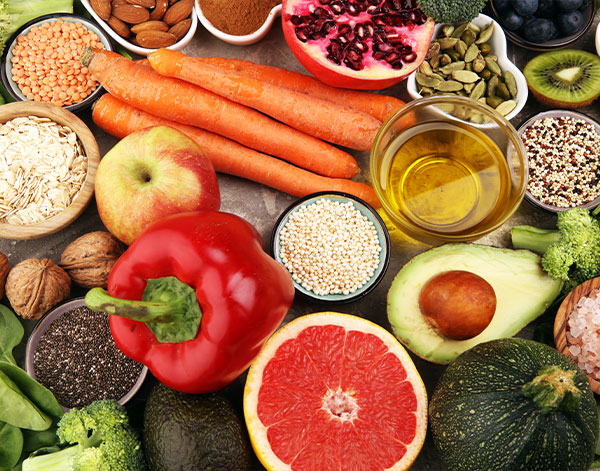
Constipation relief from food works through four mechanisms.
1. Soluble fiber dissolves in water to form a gel that softens stool. Found in oats, beans, apples, pears, chia seeds, and many fruits.
2. Insoluble fiber does not dissolve. It adds bulk and speeds transit through the colon. Found in whole grains, vegetables, nuts, and seeds.
3. Water retention. Some foods like prunes contain sorbitol, a sugar alcohol that pulls water into the colon, softening stool naturally.
4. Prebiotic feeding. Foods like garlic, onions, leeks, and bananas feed beneficial gut bacteria that produce short-chain fatty acids, which stimulate colon movement.
The best constipation relief foods combine 2 or 3 of these mechanisms in a single serving.
12 Foods That Actually Help Chronic Constipation
1. Prunes (Dried Plums)

The classic for a reason. A 2014 systematic review in Alimentary Pharmacology & Therapeutics found prunes more effective than psyllium for treating mild to moderate constipation.
Why it works: 3 grams of fiber per 6 prunes plus sorbitol that pulls water into the colon. Eat 5 to 8 prunes daily as a starting dose. Effects usually appear within 2 to 3 days.
2. Kiwi Fruit
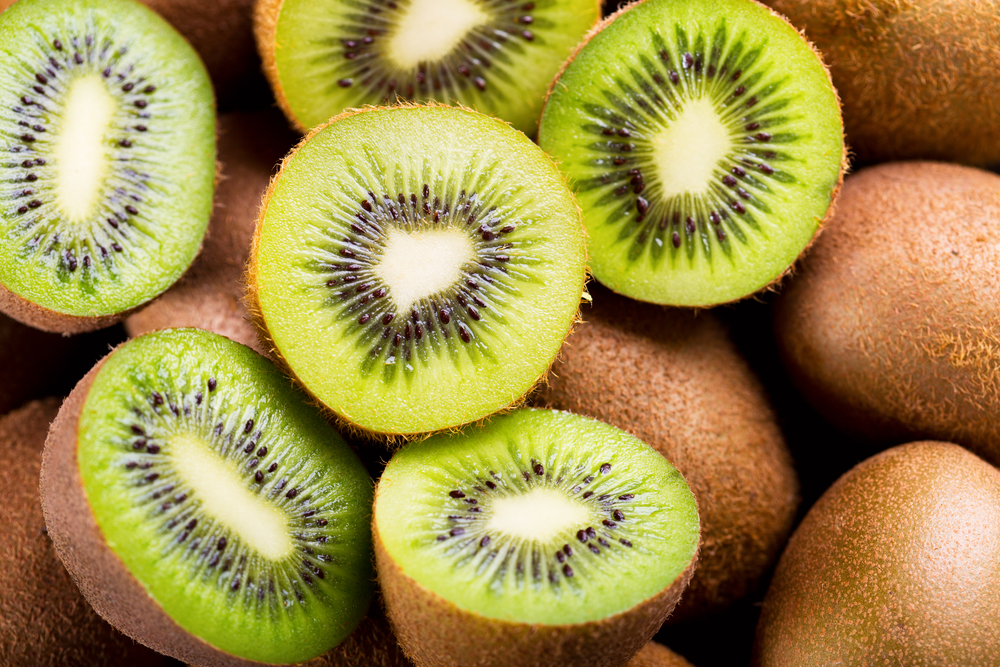
Two kiwis per day was shown in a 2018 study in Alimentary Pharmacology & Therapeutics to significantly improve constipation symptoms and bowel frequency in chronic sufferers.
Why it works: 5 grams of fiber per 2 kiwis plus the enzyme actinidin which may aid digestion. Easy to eat, gentle on the stomach, no laxative-like cramping.
3. Chia Seeds

A fiber powerhouse. One tablespoon (12g) provides 4 grams of fiber, mostly soluble. When mixed with water, chia seeds absorb up to 10 times their weight, creating a gel that softens stool.
Why it works: Add 1 to 2 tablespoons to yogurt, smoothies, or oatmeal. Start with 1 tablespoon to avoid bloating, increase gradually.
4. Pears
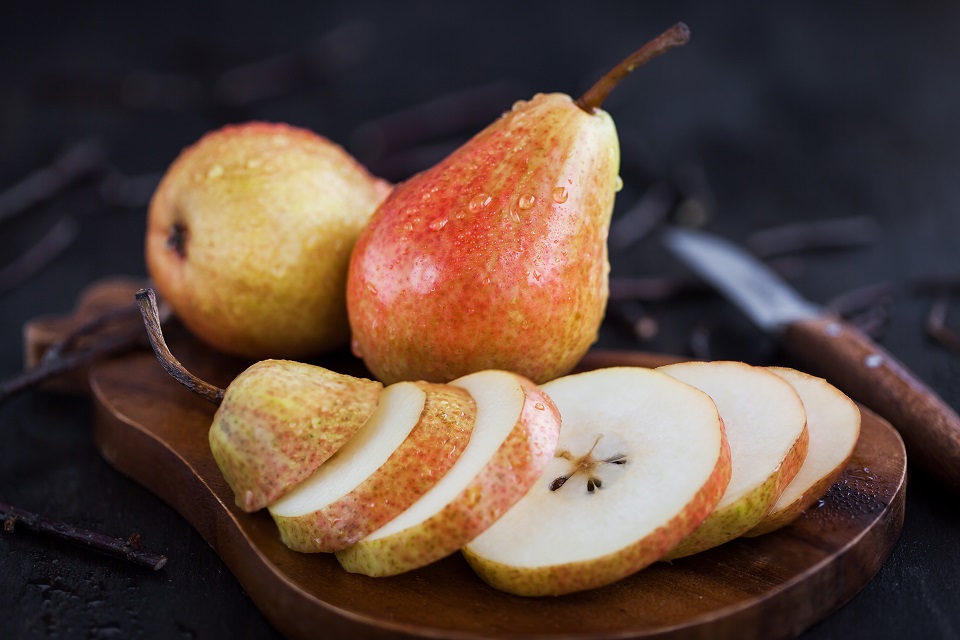
A medium pear contains 5 to 6 grams of fiber, much of it in the skin. Pears also contain sorbitol and fructose, both of which help retain water in the colon.
Why it works: Eat with the skin on for maximum fiber. Asian pears (sand pears) are widely available in Bangkok markets and work the same way.
5. Oats and Oatmeal

A bowl of oats provides 4 grams of fiber, including beta-glucan, a soluble fiber that softens stool and feeds gut bacteria. Oats also stabilize blood sugar, which indirectly supports gut function.
Why it works: Pair with chia seeds, berries, or a banana for a fiber-stacked breakfast. Avoid instant oats with added sugar, which provide less fiber.
6. Beans and Lentils
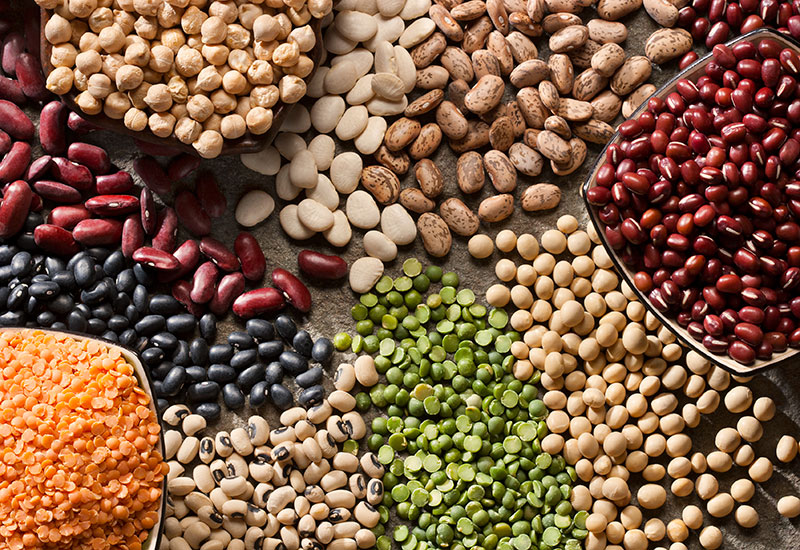
Half a cup of cooked beans provides 6 to 9 grams of fiber, the highest of any common food. Black beans, kidney beans, chickpeas, and lentils all work.
Why it works: Tom Jam (Thai mung bean dessert), homemade hummus, or beans in salads. Introduce slowly to avoid gas. Build up over 1 to 2 weeks.
7. Leafy Greens
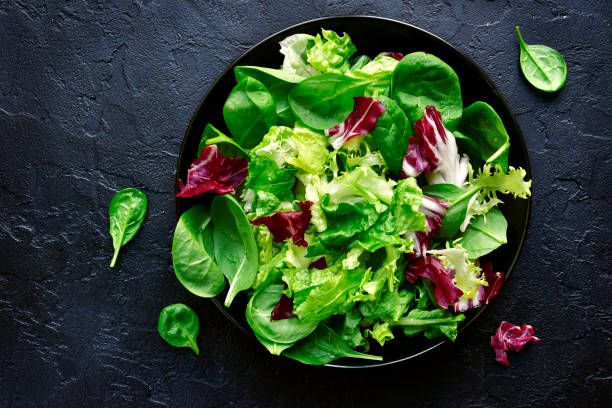
Spinach, kale, romaine, and Thai morning glory (pak boong) provide 2 to 5 grams of fiber per cup plus magnesium, which helps muscles in the colon relax and contract properly.
Why it works: Aim for 1 to 2 cups per day. Stir-fried, in salads, or in soups all count.
8. Berries

Raspberries lead at 8 grams of fiber per cup, followed by blackberries at 7.5 grams. Strawberries and blueberries provide 3 to 4 grams per cup.
Why it works: Add to oatmeal, yogurt, or smoothies. Available year-round in Bangkok supermarkets and increasingly in fresh markets.
9. Whole Grains (Brown Rice, Riceberry, Quinoa)

Riceberry rice, popular in Thailand, provides 2 to 3 grams of fiber per serving versus less than 1 gram in white jasmine rice. Quinoa adds 5 grams per cooked cup plus complete protein.
Why it works: Swap white rice for riceberry or brown rice in your regular meals. The change is gradual but consistent over weeks. Read the Riceberry vs White Rice comparison for more detail.
10. Yogurt and Kefir (Probiotic)
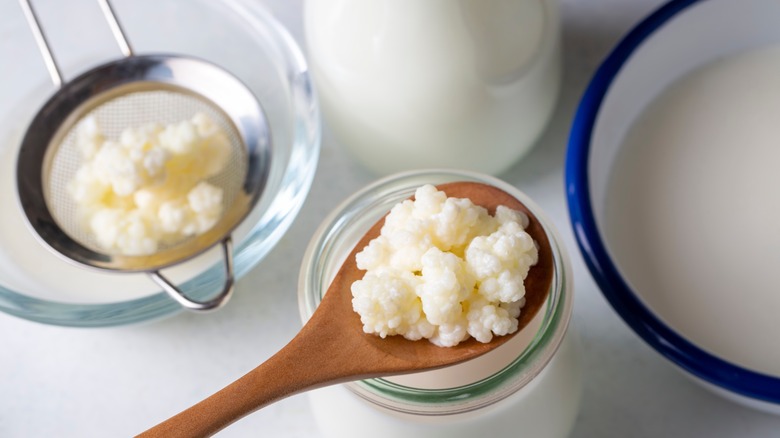
Plain yogurt with live cultures provides probiotics that improve gut flora balance. A 2018 review in the World Journal of Gastroenterology concluded probiotics modestly improve transit time and stool frequency in chronic constipation.
Why it works: Choose plain, unsweetened Greek yogurt. Add fiber from chia seeds or berries to multiply the effect.
11. Bananas (Ripe Only)

Ripe bananas (with brown spots) provide soluble fiber, prebiotic resistant starch, and natural sugars that feed gut bacteria. Unripe green bananas can have the opposite effect, slowing transit.
Why it works: One ripe banana daily, ideally with breakfast. Pair with oatmeal or yogurt for compound benefit.
12. Coffee (Moderate Use)

Caffeine stimulates colonic motor activity. A 1990 study in the journal Gut found coffee increases colon contractions within minutes of drinking.
Why it works: 1 cup in the morning often triggers a bowel movement within 30 to 60 minutes. But over 3 cups per day can dehydrate you, which worsens constipation. Balance with water.
Foods That Make Constipation Worse
Some foods slow the gut. If you have chronic constipation, reduce or eliminate these.
Processed white bread and white rice.
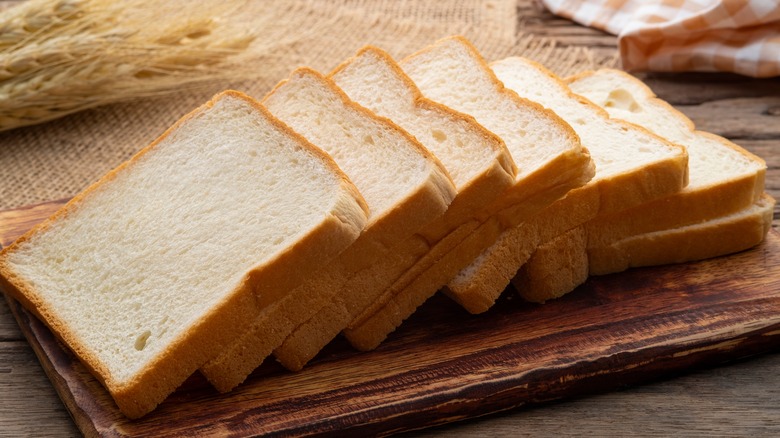
Almost no fiber. Bulks up the colon with low-residue mass that moves slowly.
Fried street food. High fat slows digestion and gastric emptying. Heavy oils take longer to clear, backing up the system.
Dairy in excess (for some people).
Milk, cheese, and ice cream can cause constipation in people with lactose intolerance, which is common in Thai adults. If dairy seems to trigger constipation for you, reduce intake.
Bananas (unripe, green).

As mentioned above, green bananas can worsen constipation due to high resistant starch and tannins.
Red meat in large amounts.
Slow to digest and low in fiber. If you eat red meat, pair it with leafy greens and whole grains.
Detox teas and senna-based laxatives.
Senna and similar stimulant laxatives provide short-term relief but can damage colon nerves with long-term use. A 2015 review in the World Journal of Gastroenterology found stimulant laxative dependence is a real risk for people who self-treat chronic constipation with detox products.
Sugary drinks and refined sugar. Disrupts gut bacteria balance, often making symptoms worse over weeks.
The Bangkok Lifestyle Changes That Fix Constipation
Food matters but movement, hydration, and rhythm matter just as much.
Water target: 2 to 2.5 liters per day. More if you sweat heavily. In Bangkok heat, this is the minimum. Carry a water bottle. Set hourly phone reminders if needed.
Move every hour at the office. Stand up, walk to the water cooler, take stairs. Even 2 minutes of movement helps colon transit. A 2019 study showed sedentary workers had 40% higher constipation rates than active workers.
Eat at consistent times. The colon has a circadian rhythm. Skipping breakfast or eating dinner at random times throws this off. Pick 3 meal windows and stick to them.
Respect the urge. When your body signals it is time, do not hold it. Repeatedly suppressing the urge over months can lead to chronic constipation.
Reduce stress. The gut and brain are connected via the vagus nerve. Chronic stress slows digestion. If Bangkok work pressure is high, build 10 minutes of decompression into your day.
How Easy Health Meals Support Gut Health
Easy Health meals are built around real food with full macro labels including fiber content. Several plans and individual dishes are particularly gut-friendly.
Balance Plan (1,400 to 1,600 kcal/day) includes a higher proportion of whole grains (riceberry rice, quinoa), vegetables, and legumes than typical Bangkok delivery options. Average fiber per meal: 8 to 12 grams.
Vegetarian Plan (1,400 to 1,600 kcal/day) is naturally higher in fiber due to plant focus. Average fiber per meal: 12 to 18 grams.
Individual high-fiber dishes to look for in the à la carte menu: Pumpkin Soup (pumpkin is fiber-rich), Tom Jued Soup (vegetables), Acai Berry Bowl (berries plus seeds), and any wrap with quinoa, edamame, or spinach.
For sustainable change, regular meal delivery removes the daily decision burden. If your fiber-rich meals are already in the fridge, you eat them. If you have to seek them out at street stalls and food courts, you usually do not.
Browse the Easy Health menu or compare Lean vs Balance plans if you want a plan with more fiber as part of weight management.

FAQ: Chronic Constipation Questions From Bangkok Readers
How long should I try food changes before seeing a doctor?
Most diet-driven constipation responds within 1 to 2 weeks of consistent change. If you have eaten 25+ grams of fiber per day with 2+ liters of water and at least light daily movement for 3 weeks and still have less than 3 bowel movements per week, see a doctor. Persistent constipation despite proper diet warrants medical evaluation to rule out conditions like IBS, hypothyroidism, or other causes.
Are Thai detox teas at convenience stores safe?
Most contain senna or cassia, which work as stimulant laxatives. They produce a bowel movement within 6 to 12 hours, but long-term daily use can cause dependence and may damage colon nerves over years. Occasional use is generally considered safe, but they are not a solution for chronic constipation. Sustainable food and lifestyle changes are.
Why is my constipation worse when I travel to Bangkok from cooler climates?
Three reasons. First, increased heat speeds dehydration without you noticing. Second, your eating schedule and food types change abruptly, which disrupts gut rhythm. Third, sitting on long flights immediately before arrival slows transit further. Solution: drink extra water on arrival day, eat your usual fiber sources, and walk briskly for 20 to 30 minutes within the first 24 hours.
Does drinking warm water with lemon in the morning help constipation?
Warm water stimulates the gastrocolic reflex, which can trigger a bowel movement. The lemon adds a small amount of vitamin C and some acidity. The effect is mostly from the warm water and the morning timing, not the lemon specifically. It is a low-cost habit worth trying, but not a cure for chronic constipation on its own.
Is white rice or jasmine rice causing my constipation?
It can contribute, especially if jasmine rice makes up most of your daily carbs. Jasmine rice has less than 1 gram of fiber per cup. Riceberry rice has 2 to 3 grams per cup plus more vitamins. Swapping just lunch and dinner rice to riceberry can add 4 to 6 grams of daily fiber. Read Riceberry vs White Rice.
Can I eat too much fiber?
Yes. Jumping from 10 grams to 35 grams overnight causes gas, bloating, and cramping. Increase by 5 grams every 3 days. Drink more water as you add fiber. If you reach 50+ grams per day without proportional water, fiber can actually worsen constipation by absorbing all the water in your colon.
Does coffee help or hurt constipation?
Both. The caffeine stimulates colon contractions, which can help in the morning. But too much coffee dehydrates you, which hardens stool. Stick to 1 to 2 cups in the morning, paired with water, and you get the benefit without the downside.
Let nature support your gut health today by ordering fresh Greek yogurt and premium plant-based meals delivered directly to your door.
Features for Gut Health:
Easy Reorder: Restock your weekly yogurt supply with a single click.
Vegan Category: Filter high-fiber menu options easily in the vegan section.
Fresh Delivery: Yogurt is delivered fresh and cold to preserve live cultures and maintain potency.
Download for Free and Say Goodbye to Constipation Forever
Android: Download via Google Play Store
References
Harvard Health Publishing. (2024). Probiotics: What is it, benefits, side effects, food & types. Retrieved from https://www.health.harvard.edu/nutrition/the-benefits-of-probiotics
Mayo Clinic. (2024). Dietary fiber: Essential for a healthy diet. Retrieved from https://www.mayoclinic.org/healthy-lifestyle/nutrition-and-healthy-eating/in-depth/fiber/art-20043983
Johns Hopkins Medicine. (2024). Constipation: Causes and Prevention. Retrieved from https://www.hopkinsmedicine.org/health/conditions-and-diseases/constipation