
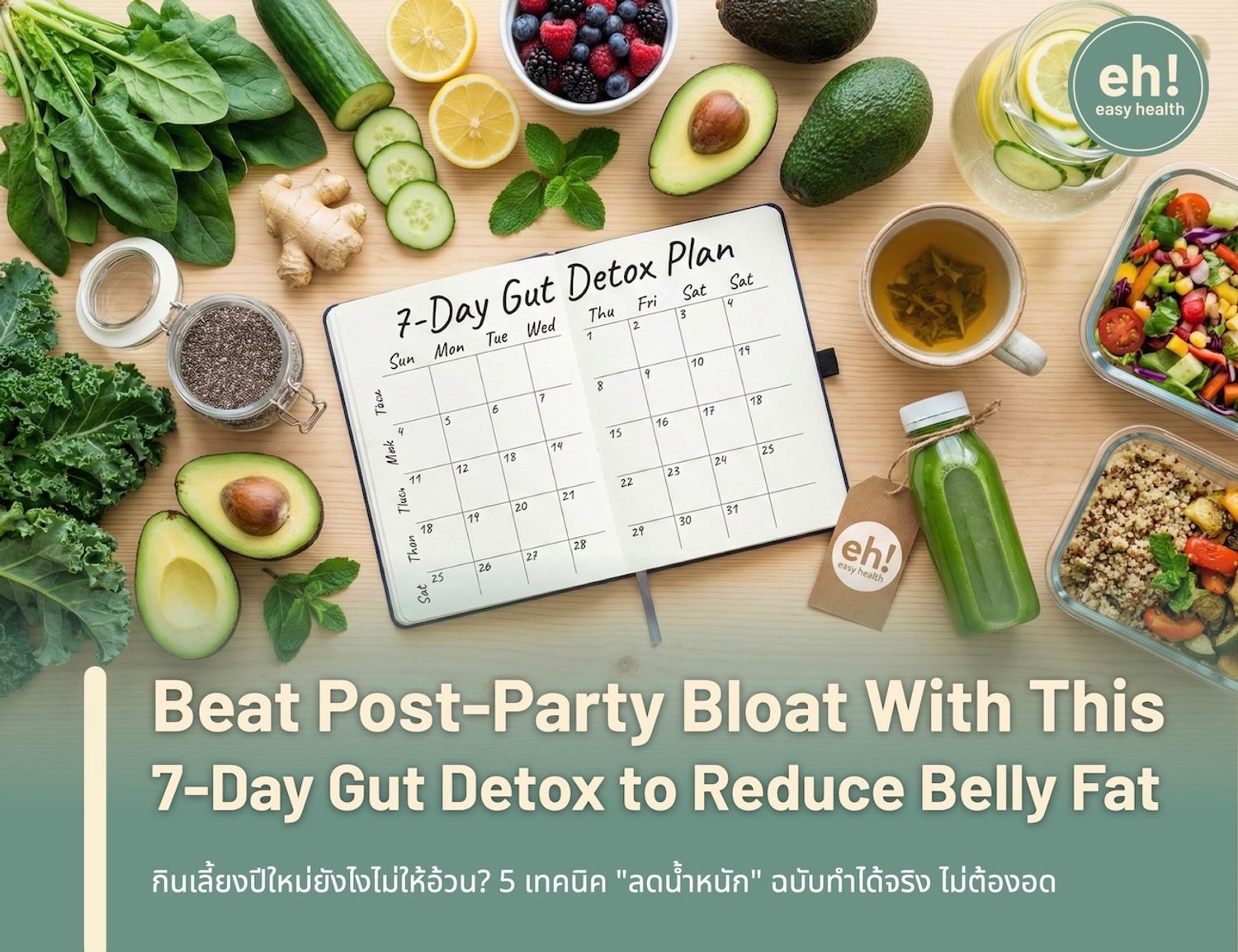
Post-Party Bloating: A 7-Day Gut Reset Plan That Actually Works
You had a great weekend. Maybe it was a birthday dinner with flowing wine, a Friday night out that turned into a Saturday morning, or a holiday stretch of buffets, cocktails, and late-night snacks. It was fun.
And now you are paying for it. Your stomach feels distended and uncomfortable. Your jeans are tight in the waist. Your face looks puffy in the mirror. You stepped on the scale and it jumped 2-3 kg overnight.
Take a breath. This is not fat gain.
What you are experiencing is almost entirely water retention, gut inflammation, and digestive backup caused by a temporary spike in sodium, alcohol, refined carbohydrates, and sugar. Your body did not create 2-3 kg of fat in a few days (that would require overeating by roughly 15,000-23,000 calories). What it did was hold onto extra water, swell with inflammation, and slow its digestive processing.
The good news? This is completely reversible, usually within 5-7 days with the right food choices. This guide explains exactly why post-party bloating happens, what foods fix it fastest, and gives you a day-by-day gut reset plan you can start immediately.
Why You Feel Bloated After Partying: The Science
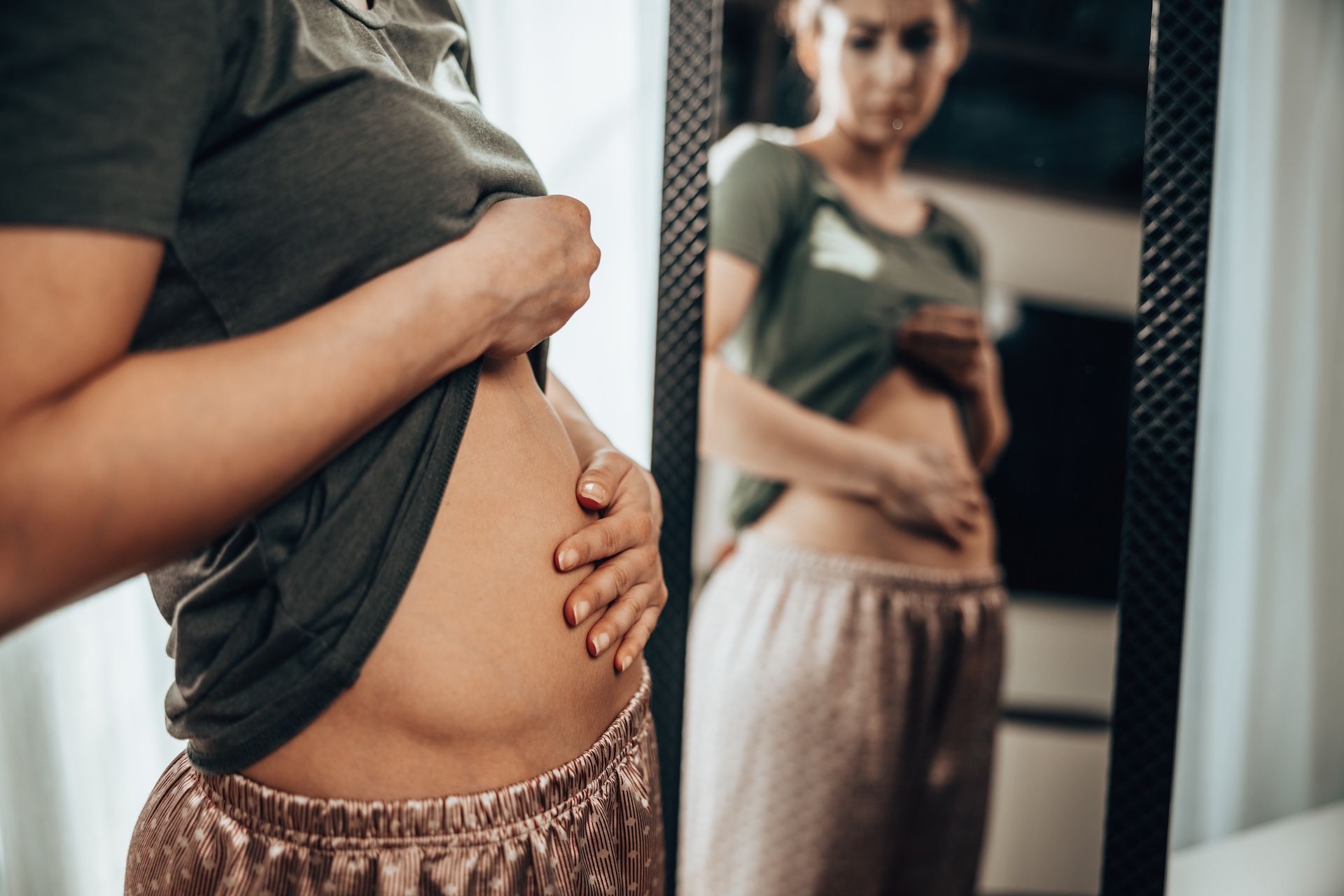
Post-party bloating is not one issue. It is typically three overlapping problems:
1. Sodium-Driven Water Retention
This is the biggest contributor to that "overnight weight gain." When you eat salty foods (bar snacks, restaurant meals, processed appetizers), your body holds onto water to maintain sodium balance. For every gram of excess sodium consumed, your body retains approximately 1.5 liters of extra fluid.
A single night of eating restaurant food and salty bar snacks can easily push sodium intake to 4,000-6,000 mg (versus the recommended 2,300 mg). That means your body could be holding 2-4 extra liters of water, which is 2-4 kg on the scale.
A 2019 study in the American Journal of Physiology found that high-sodium meals increased body water retention for up to 48 hours, with the effect peaking around 24 hours post-consumption. This means the bloating you feel the morning after actually gets worse before it gets better.
2. Alcohol-Induced Gut Inflammation
Alcohol damages the gut lining and increases intestinal permeability (commonly called "leaky gut"). This triggers an inflammatory response that causes the intestinal walls to swell, slowing digestion and trapping gas. Even a single night of heavy drinking can increase gut inflammation markers for 3-5 days.
Alcohol also disrupts the gut microbiome. A 2021 review in the journal Gut Microbes found that acute alcohol consumption shifted the gut bacteria balance toward pro-inflammatory species within 24 hours. This bacterial shift contributes to bloating, gas, and irregular bowel movements in the days following heavy drinking.
Additionally, alcohol acts as a diuretic initially (causing dehydration) but then triggers a rebound effect where the body overcompensates by retaining water once you stop drinking. This is why you might feel dehydrated the morning after but bloated by the afternoon.
3. Digestive Slowdown from Processed Foods
Party food tends to be low in fiber and high in refined carbohydrates, fat, and sugar. This combination slows gut motility (the speed at which food moves through your digestive system). Fiber is the primary driver of healthy bowel movements, and when it drops suddenly, things back up.
The average Thai party spread (som tum with extra sugar, fried chicken, sticky rice, desserts, chips, dips) provides maybe 5-10 grams of fiber versus the 25-35 grams recommended daily. After a few days of eating like this, your gut literally has less "material" to push things through, leading to constipation, bloating, and that heavy, sluggish feeling.
The 4 Principles of a Gut Reset
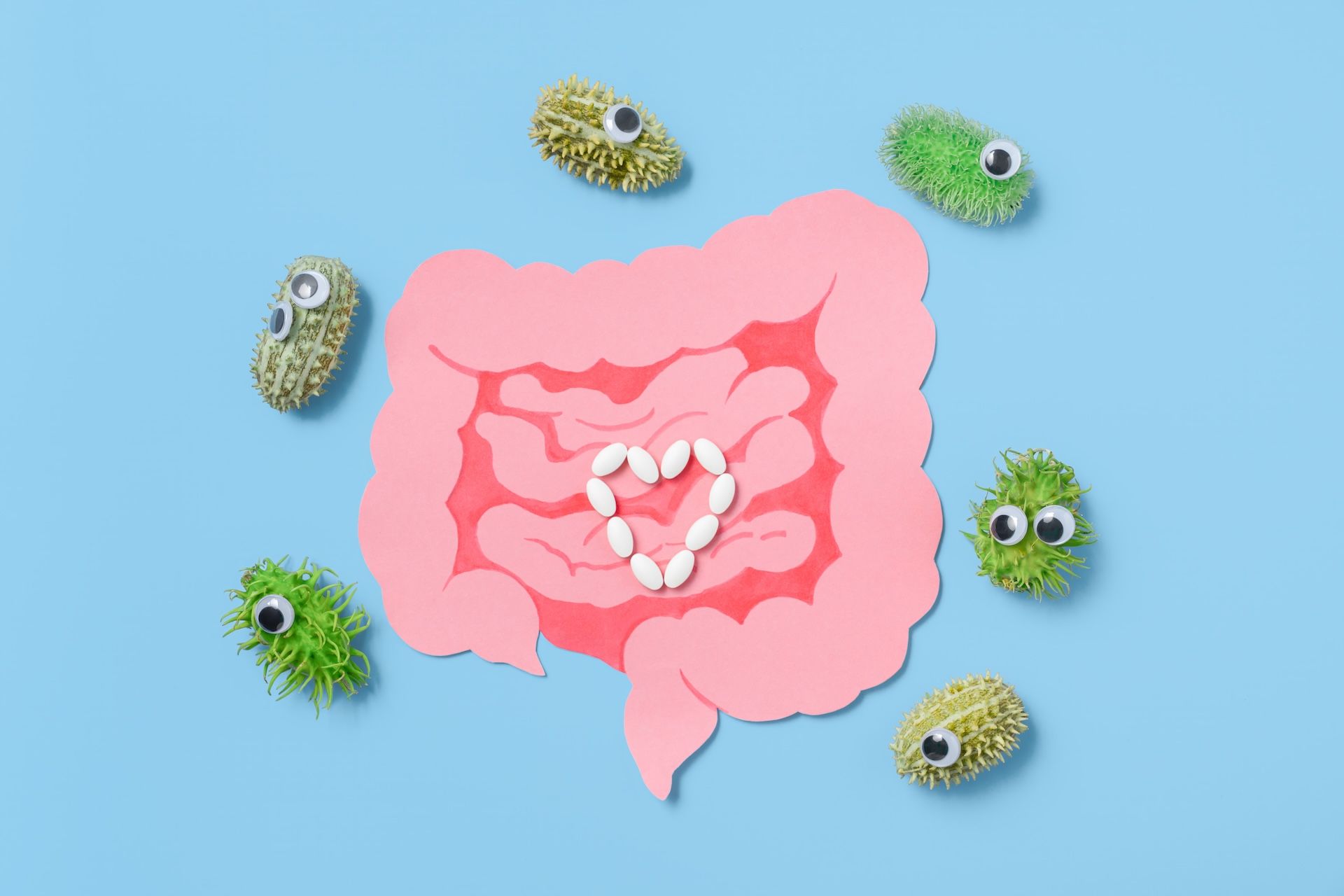
Effective debloating is not about juice cleanses, laxative teas, or extreme fasting. Those approaches either cause temporary water loss (that comes right back) or damage your gut further.
A proper gut reset works by:
Flushing excess sodium with potassium-rich foods and adequate hydration. Potassium is sodium's natural counterbalance. When potassium intake goes up, the kidneys release more sodium (and the water attached to it).
Reducing inflammation by removing alcohol, processed sugar, and fried foods while increasing anti-inflammatory foods rich in omega-3s, antioxidants, and polyphenols.
Restoring fiber to get the digestive system moving again. Both soluble fiber (which absorbs water and forms a gel that feeds good bacteria) and insoluble fiber (which adds bulk and pushes things through) are essential.
Feeding beneficial gut bacteria with prebiotic and probiotic foods. Your microbiome took a hit. It needs specific nutrients (fermented foods, diverse plant fibers) to rebuild the right bacterial populations.
The 7-Day Gut Reset Plan
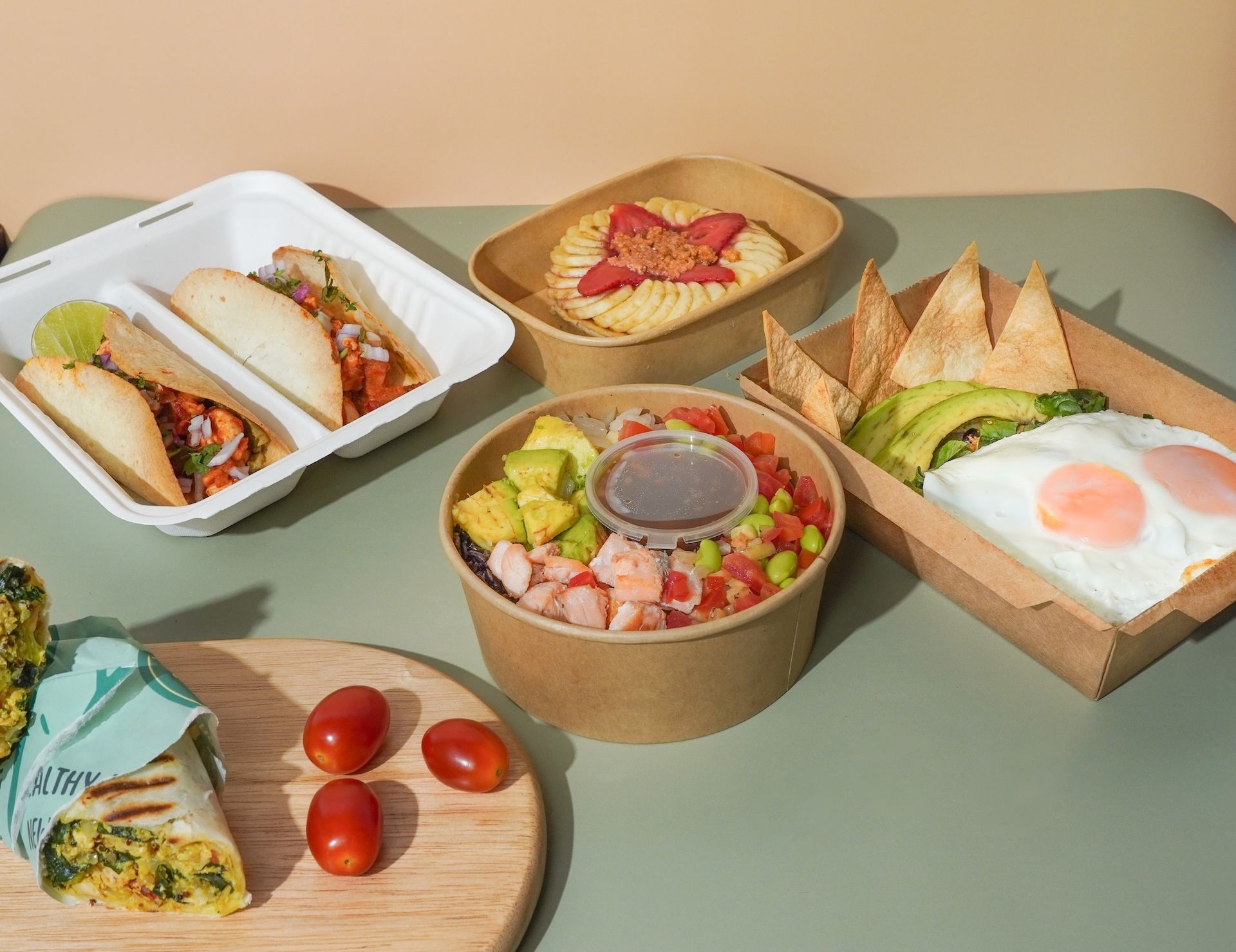
Phase 1: Flush and Hydrate (Days 1-2)
The first 48 hours focus on getting excess sodium and fluid moving out while calming inflammation. Your body is still inflamed and holding water, so keep meals light, warm, and easy to digest.
What to do:
Drink 2.5-3 liters of water throughout the day (not all at once). Add lemon or cucumber slices for flavor and a small boost of vitamin C.
Prioritize potassium-rich foods: bananas, avocado, spinach, pumpkin, coconut water.
Avoid all processed food, added salt, and alcohol.
Choose broth-based soups and simple proteins.
Easy Health meals for Phase 1:
Breakfast: Morning Omelette (366 kcal, 28g protein, 225 THB). The eggs provide easy-to-digest protein while vegetables add potassium and hydration. Low carbs mean minimal insulin spikes that could trigger more water retention.
Lunch: Tom Jued Soup (93 kcal, 14g protein, 75 THB) as a starter + Pad Thai with papaya noodles (615 kcal, 39g protein, 135 THB). The broth rehydrates, the vegetables provide electrolytes, and the papaya noodles are lighter than refined noodles.
Dinner: Pumpkin Soup (165 kcal, 4g protein, 75 THB) with a light protein option. Pumpkin is packed with potassium (about 340 mg per cup) and is anti-inflammatory.
Phase 1 daily total: approximately 1,200-1,400 kcal, 80+ g protein, under 600 THB
By the end of Day 2, most people notice the scale dropping 1-2 kg as excess water starts flushing out.
Phase 2: Fiber Rebuild (Days 3-5)
This is the core of the gut reset. Now that the acute water retention is resolving, the focus shifts to getting fiber back into your diet to restart healthy digestion and feed beneficial gut bacteria.
What to do:
Increase fiber intake to 25-30 grams per day. This is significantly more than most party-recovery diets include, but it is what your gut needs.
Include both soluble fiber (oats, beans, lentils, sweet potatoes) and insoluble fiber (leafy greens, whole grains, vegetable skins).
Continue avoiding alcohol and limiting added sugar.
Include fermented or probiotic foods if possible: yogurt, kimchi, or probiotic supplements.
Easy Health meals for Phase 2:
Breakfast: Farmer Omelette (385 kcal, 33g protein, 229 THB). More vegetables than the Morning Omelette, adding fiber and micronutrients. The higher protein keeps you full through the morning.
Lunch: Hummus Bowl (239 kcal, 13g protein, 195 THB). Chickpeas (the base of hummus) are one of the best sources of both soluble and insoluble fiber. A single serving provides about 6-8 grams of fiber, plus plant-based protein.
Afternoon: Pumpkin Soup (165 kcal, 4g protein, 75 THB). Continuing the potassium flush while adding fiber from pumpkin.
Dinner: Pad Thai (615 kcal, 39g protein, 135 THB). The papaya noodles are enzyme-rich (papain aids protein digestion) and lighter on the gut than wheat or rice noodles.
Phase 2 daily total: approximately 1,400-1,600 kcal, 89+ g protein
During this phase, you should notice your digestion normalizing. Bowel movements become more regular, bloating continues to reduce, and energy levels start climbing back to normal.
Phase 3: Rebalance and Restore (Days 6-7)
The final phase brings your diet back to balanced eating with a full range of macronutrients. Your gut inflammation should be significantly reduced by now, and the focus shifts to maintaining the progress you have made.
What to do:
Reintroduce a wider variety of proteins, carbs, and fats.
Continue high fiber intake (aim for 25+ grams daily going forward, not just during the reset).
If you want to reintroduce alcohol, start with one drink maximum and see how your body responds.
Pay attention to which foods make you feel good versus which trigger bloating. Use this reset as a baseline for identifying personal trigger foods.
Easy Health meals for Phase 3:
Breakfast: Hearty Breakfast Wrap (375 kcal, 27g protein, 179 THB) or Acai Berry Bowl (413 kcal, 16g protein, 275 THB). Either provides a balanced start with protein, carbs, and fiber.
Lunch: Any protein-focused main dish. This is where you can expand back to options like stir-fried Thai basil with boiled vegetables, or a curry with controlled portions.
Dinner: Balanced meal with lean protein, complex carbs, and plenty of vegetables.
Phase 3 daily total: approximately 1,400-1,800 kcal depending on your goals
By Day 7, most people report feeling noticeably lighter, less bloated, and more energetic than they did at the start. Scale weight typically drops 2-4 kg (primarily water) and stays off as long as you do not immediately return to the eating patterns that caused the bloating.
8 Foods That Fight Bloating Fast
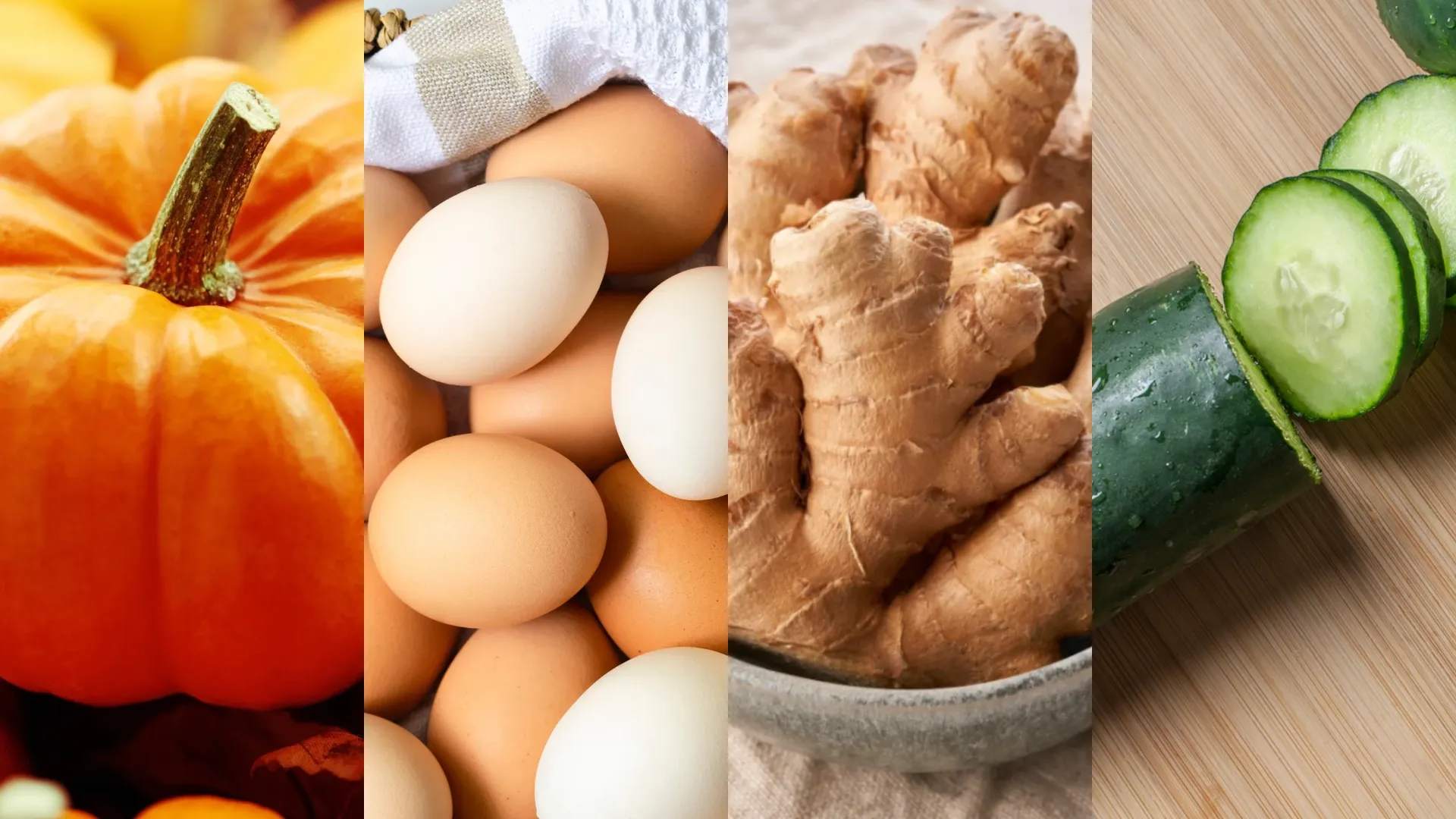
Beyond the meal plan, these specific foods are the most effective debloating tools:
1. Pumpkin
Potassium-rich (340 mg per cup), anti-inflammatory, high in fiber, and gentle on the stomach. Pumpkin soup is arguably the single best debloating food because it delivers hydration, electrolytes, and fiber simultaneously. At Easy Health, the Pumpkin Soup costs just 75 THB and packs 165 kcal with 14g of carbs.
2. Eggs
Eggs are one of the most easily digestible proteins, meaning they do not add bloating while providing essential amino acids for gut repair. The Morning Omelette (366 kcal, 28g protein, 225 THB) is a debloating breakfast staple.
3. Ginger
A natural prokinetic (it speeds up stomach emptying). Studies show ginger reduces bloating, gas, and nausea. Add it to tea, soup, or eat it raw. Thai cooking naturally incorporates ginger in many dishes.
4. Cucumber
96% water, contains fisetin (an anti-inflammatory compound), and provides a small amount of potassium. One of the most hydrating foods available.
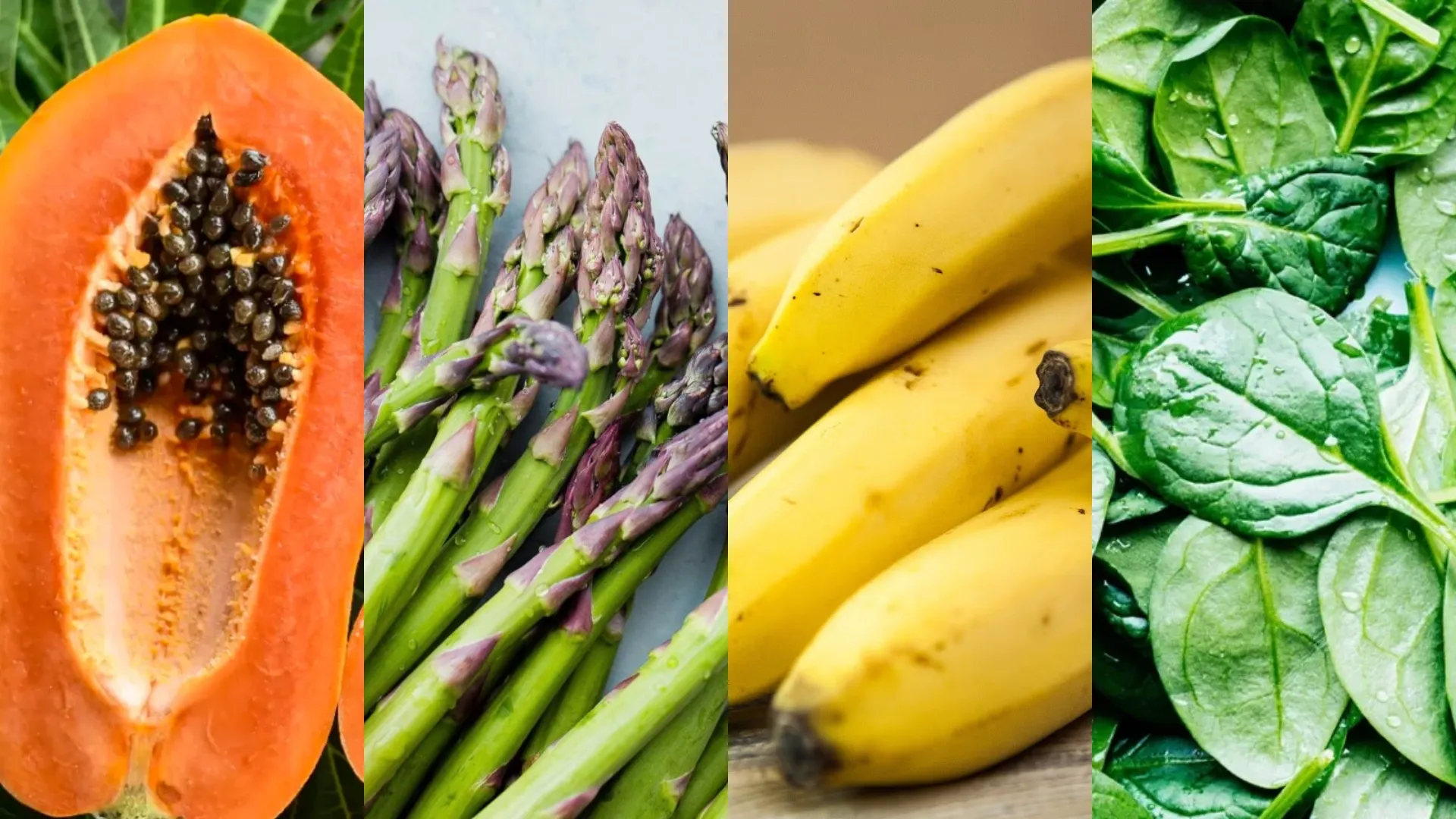
5. Papaya
Contains papain, a digestive enzyme that breaks down protein and reduces gas formation. This is why Easy Health uses papaya noodles in its Pad Thai, which is both functional and delicious.
6. Asparagus
A natural diuretic that helps flush excess water. Also contains prebiotic fiber (inulin) that feeds beneficial gut bacteria. Asparagus shows up in several Easy Health menu items.
7. Bananas
High in potassium (422 mg per banana), easily digestible, and contains resistant starch that feeds good gut bacteria. One of the best "emergency debloating" foods.
8. Leafy Greens (Spinach, Kale)
Rich in magnesium (which helps with water retention), fiber, and chlorophyll. Spinach is also 91% water, adding hydration. Easy Health wraps like the Phuket Wrap and Wram Yum Wrap both feature greens prominently.
What to Avoid During Your Gut Reset
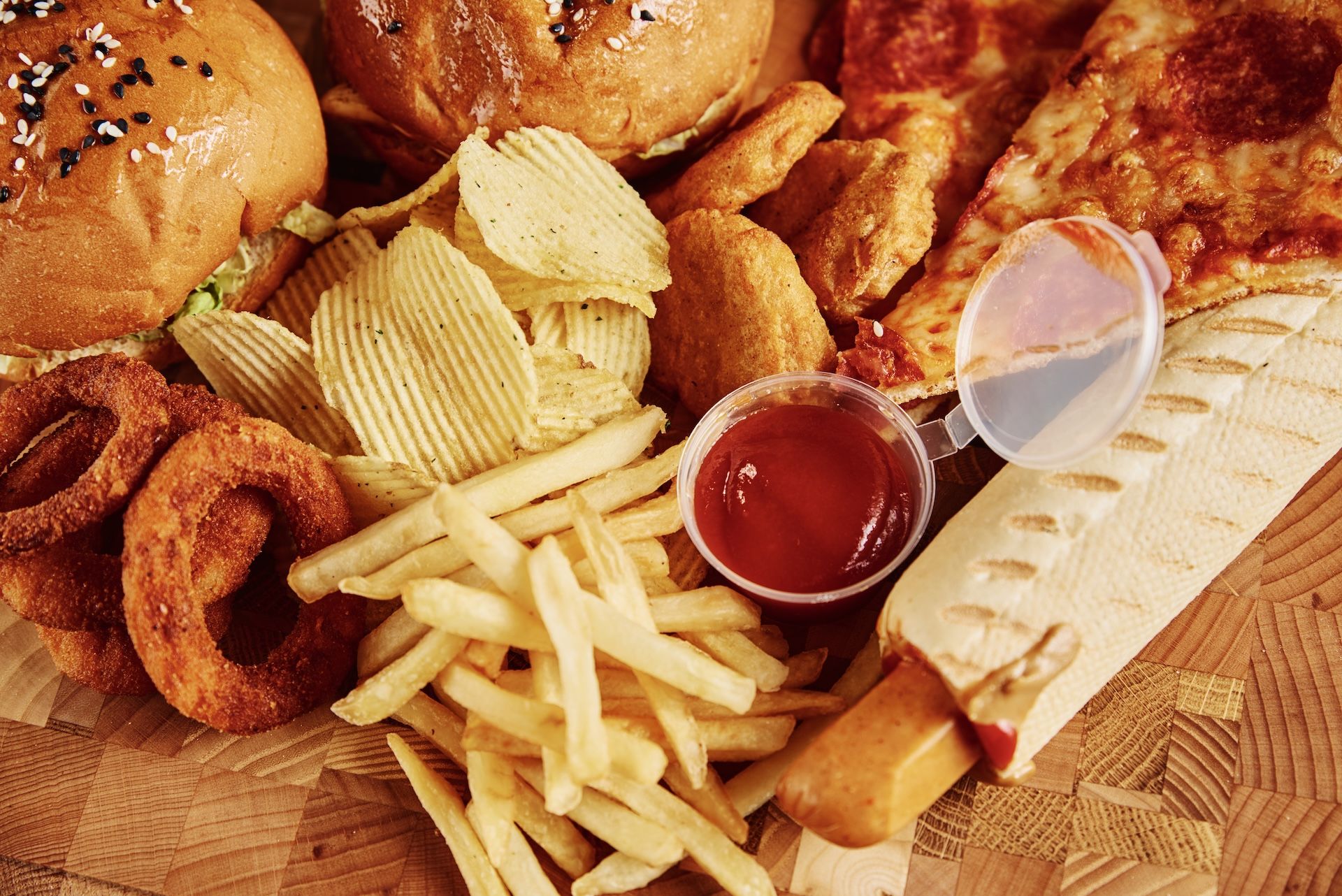
These foods and habits will undo your progress:
Carbonated drinks. The gas in sparkling water, beer, and sodas adds directly to abdominal distension. Even "healthy" sparkling water contributes to bloating. Stick to flat water, herbal tea, and coconut water.
Artificial sweeteners. Sugar alcohols like sorbitol, xylitol, and erythritol are notorious for causing bloating and gas. Many "sugar-free" or "diet" products use these. Read labels carefully.
Chewing gum. You swallow air with every chew, and most gum contains artificial sweeteners. Both contribute to bloating.
High-FODMAP foods (for sensitive individuals). If you are particularly bloat-prone, foods high in fermentable carbohydrates (onions, garlic, wheat, beans in large quantities, apples, milk) can trigger symptoms. During a gut reset, you might want to limit these temporarily and reintroduce gradually.
Eating too fast. When you eat quickly, you swallow air and do not chew food thoroughly, both of which increase bloating. Take 20+ minutes per meal and chew each bite properly.
Late-night eating. Eating within 2-3 hours of bedtime slows digestion because your body's metabolic rate drops during sleep. This leads to food sitting in your gut longer, producing more gas and bloating by morning.
The Bloating Timeline: What to Expect
Understanding the timeline helps set realistic expectations:
Day 1: You will still feel bloated, possibly worse than the morning after. Water retention peaks about 24 hours after sodium overload. Focus on hydration and light meals.
Day 2: Scale starts dropping as excess water begins flushing. You may notice increased urination. Stomach discomfort begins easing.
Day 3-4: Digestion starts normalizing as fiber intake increases. You may experience more frequent bowel movements as your gut clears the backlog. This is normal and healthy.
Day 5: Most visible bloating is gone. Clothes fit normally again. Energy levels are noticeably better.
Day 6-7: Gut feels calm and regular. Scale has stabilized 2-4 kg below your post-party peak. You feel like yourself again.
This timeline assumes you follow the plan consistently. If you "cheat" with salty or processed food during the reset, the timeline extends.
Why This Is Not a "Detox" (And Why That Matters)
You will notice we call this a "gut reset" rather than a "detox." Here is why:
Your body already has a detox system. It is called your liver, kidneys, and digestive tract. They work 24/7 without help from special juices, teas, or supplements. No food or product "detoxes" your body in the way marketing claims suggest.
What food can do is support these systems so they work optimally. When you eat clean, high-fiber, potassium-rich foods and stay hydrated, you are giving your liver less junk to process and your gut the fiber it needs to move things through efficiently. You are not "detoxing." You are removing obstacles.
This distinction matters because "detox" products often do harm: laxative teas cause dehydration and electrolyte loss, juice cleanses crash your blood sugar and metabolism, and detox supplements are largely unregulated and unproven.
A 2022 systematic review in the Journal of Human Nutrition and Dietetics found no credible evidence that any commercial "detox" diet provides benefits beyond what a balanced, whole-food diet achieves naturally.
The 7-day plan in this article works because it follows basic nutritional science: hydrate, restore electrolytes, increase fiber, reduce inflammation. No magic required.
Preventing Post-Party Bloating in the Future

You do not have to choose between having fun and feeling terrible afterward. Here are strategies to minimize bloating:
Eat before you go out. A meal with protein, fiber, and healthy fat before drinking slows alcohol absorption and reduces the amount you eat of salty party food.
Alternate alcohol with water. One drink, one glass of water. This reduces dehydration and sodium buildup.
Choose your drinks wisely. Beer and cocktails with sugary mixers cause significantly more bloating than clear spirits with soda water. Wine falls somewhere in between.
Load up on vegetables at the party. If there is a vegetable platter or salad, start there. Fiber from vegetables helps buffer the impact of salty, processed party food.
Hydrate before bed. Drink 500 mL of water before sleeping. This does not prevent a hangover entirely, but it significantly reduces the severity of next-day bloating.
Pre-order your recovery food. Know you have a big night coming? Schedule Easy Health delivery for the next morning through the app. Having clean, anti-bloating food ready when you wake up eliminates the temptation to reach for greasy fast food.
Easy Health: Your Gut Reset Kitchen

When your gut needs a reset, the last thing you want to do is spend time meal prepping. Easy Health provides ready-to-eat meals that align perfectly with the gut reset framework:
Zero MSG, zero artificial preservatives. Your gut is already inflamed. Adding more chemicals slows recovery.
Full macro transparency. Every dish shows calories, protein, carbs, and fat so you can track your fiber and sodium intake precisely.
Fresh daily preparation. Nutrient density peaks when food is freshly prepared. Frozen meals lose fiber quality and enzyme activity.
160+ menu items. From light soups at 75 THB to full protein meals, there is something for every phase of the reset.
Browse the full menu at easyhealth.asia/menu or choose a meal plan at easyhealth.asia/meal-plans. The Lean plan (800-1,000 kcal, 1,899 THB/5 days) is particularly well-suited for the first few days of a gut reset.
FAQ
Q: Is the bloating after a party actual fat gain?
A: Almost never. Gaining 1 kg of real body fat requires overeating by about 7,700 calories above your maintenance needs. Even a very indulgent weekend rarely reaches that level. The 2-4 kg increase you see on the scale is primarily water retention from excess sodium and gut inflammation from alcohol and processed food. It resolves within 5-7 days with proper eating.
Q: Should I do a juice cleanse to debloat?
A: No. Juice cleanses remove fiber (the exact thing your gut needs to recover), spike blood sugar (because fruit juice without fiber hits your bloodstream fast), and provide minimal protein (which your gut lining needs to repair). A whole-food approach with adequate protein, fiber, and hydration is more effective and sustainable.
Q: How much water should I drink during the gut reset?
A: Aim for 2.5-3 liters per day spread throughout the day. Do not chug large amounts at once, as this can actually slow absorption. Adding electrolytes (from food or a pinch of salt and lemon in your water) improves absorption. Signs you are hydrating well: urine is pale yellow, you are not constantly thirsty, and the puffiness in your face reduces within 48 hours.
Q: Will laxative tea or detox tea help me debloat faster?
A: Laxative teas may cause temporary weight loss by forcing water out of your intestines, but they do not address the actual causes of bloating (sodium retention, gut inflammation, low fiber). They also risk dehydrating you further and disrupting your electrolyte balance. Natural fiber from food is safer and more effective.
Q: Can I exercise during the gut reset?
A: Yes, and you should. Light to moderate exercise (walking, yoga, swimming) stimulates gut motility, reduces water retention through sweating, and lowers inflammation. Avoid intense exercise on Days 1-2 when you may still be dehydrated. By Day 3-4, you can return to your normal workout routine.
Q: How do I know if my bloating is something more serious?
A: Post-party bloating that resolves within a week is normal. See a doctor if bloating persists beyond 2 weeks, is accompanied by severe pain, unexplained weight loss, blood in stool, or fever. Chronic bloating can indicate food intolerances (lactose, gluten), IBS, or other conditions that require medical evaluation.
Download the Easy Health App
Start your gut reset with ready-to-eat meals delivered to your door. No prep, no cooking, just clean food when your body needs it most.
Full macro transparency · Every dish shows calories, protein, carbs, and fat
Flexible meal plans · Choose from Lean, Balance, Active, Athlete, Keto, or Vegetarian
Daily fresh preparation · Never frozen, cooked fresh every morning
Easy ordering · Browse, customize, and order in under 2 minutes
Download for Android: play.google.com/store/apps/details?id=com.easyHealth.app
Download for iOS: apps.apple.com/th/app/easy-health/id6667109383
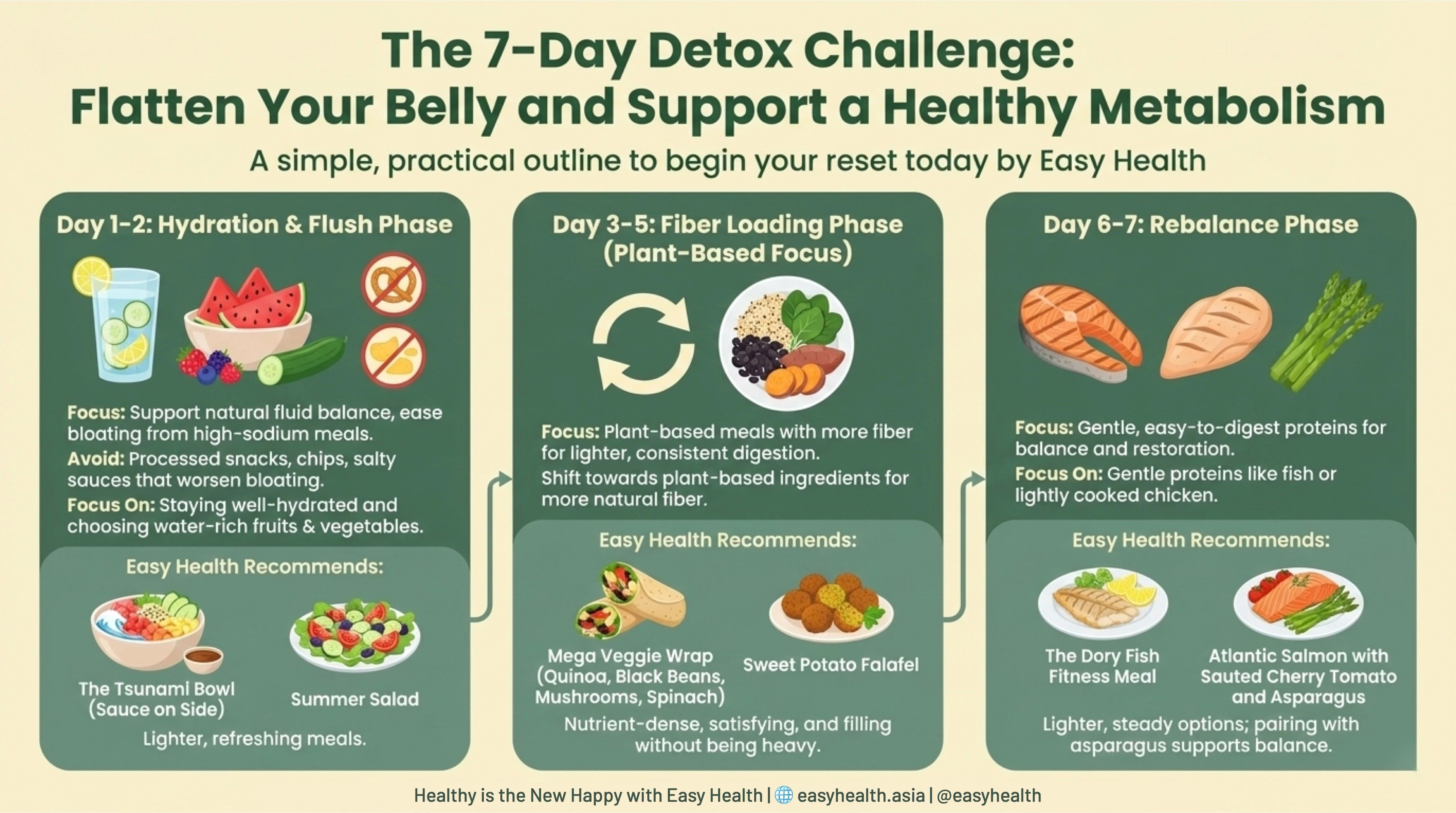
The 7-Day Detox Challenge: Flatten Your Belly and Support a Healthy Metabolism
References and Further Reading
Heer, M., et al. (2019). "Increasing sodium intake from a previous low or high sodium diet in healthy men." American Journal of Physiology, 286(6), E1235-E1241. https://pubmed.ncbi.nlm.nih.gov/14871886/
Engen, P.A., et al. (2021). "The Gastrointestinal Microbiome: Alcohol Effects on the Composition of Intestinal Microbiota." Gut Microbes, 6(4), 227-232. https://pubmed.ncbi.nlm.nih.gov/26098573/
Klein, A.V., & Kiat, H. (2022). "Detox diets for toxin elimination and weight management: a critical review of the evidence." Journal of Human Nutrition and Dietetics, 28(6), 675-686. https://pubmed.ncbi.nlm.nih.gov/25522674/
Harvard T.H. Chan School of Public Health. (2024). "The Nutrition Source: Fiber." https://www.hsph.harvard.edu/nutritionsource/carbohydrates/fiber/
Cleveland Clinic. (2024). "Bloating: Causes and Prevention Tips." https://my.clevelandclinic.org/health/symptoms/21740-bloated-stomach
WHO. (2024). "Sodium Reduction." https://www.who.int/news-room/fact-sheets/detail/salt-reduction
Harvard T.H. Chan School of Public Health. (2024). The Nutrition Source: Fiber. Retrieved from https://www.hsph.harvard.edu/nutritionsource/carbohydrates/fiber/
Cleveland Clinic. (2024). Bloating: Causes and Prevention Tips. Retrieved from https://my.clevelandclinic.org/health/symptoms/21740-bloated-stomach
World Health Organization (WHO). (2024). Healthy Diet Fact Sheet. Retrieved from https://www.who.int/news-room/fact-sheets/detail/healthy-diet