
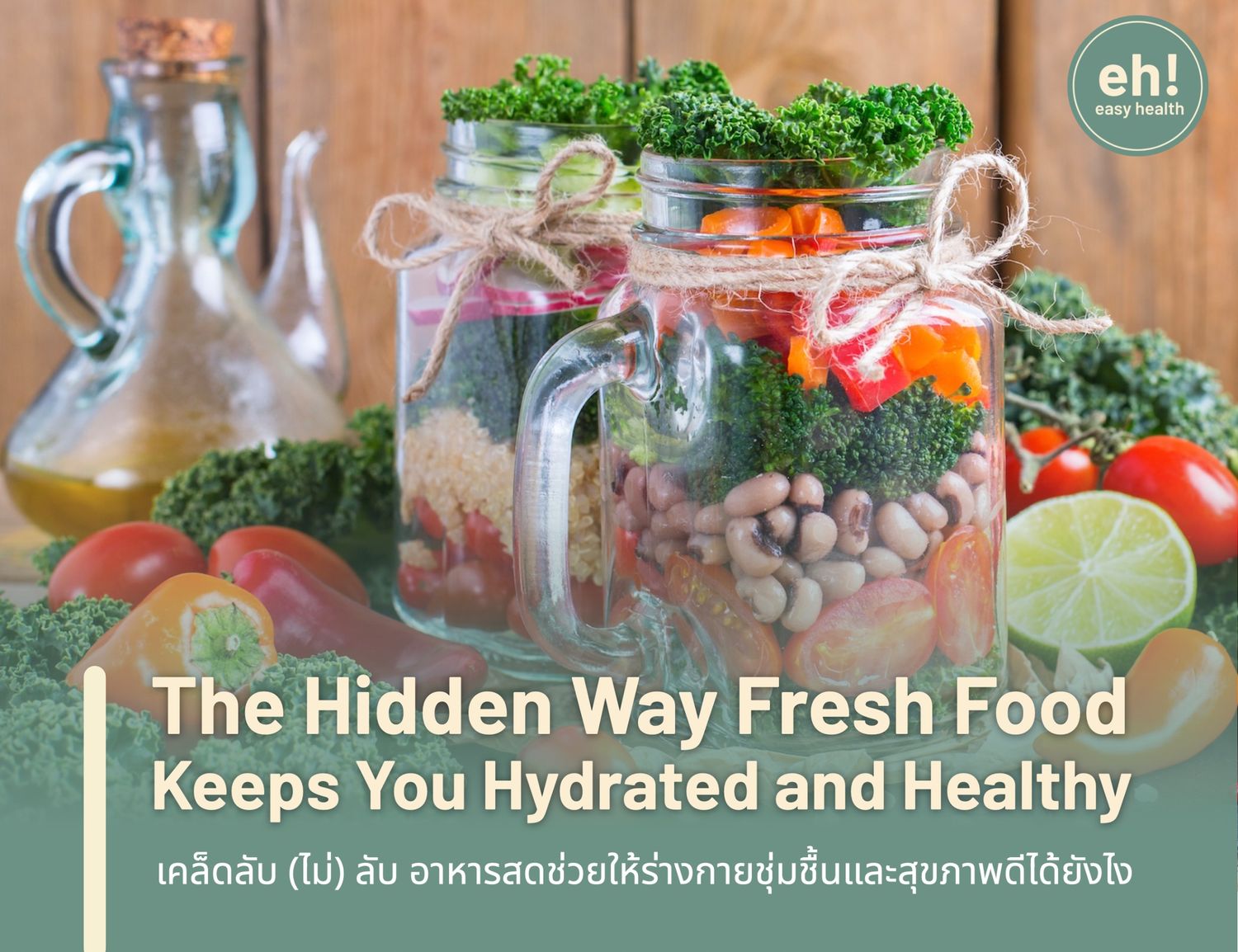
The Hidden Way Fresh Food Keeps You Hydrated and Healthy
Hydration is often linked only to drinking water, but food plays a major role in how the body maintains fluid balance. Many fresh ingredients naturally contain high water content, electrolytes, and nutrients that help cells stay hydrated longer. Eating these foods supports energy levels, focus, and physical recovery throughout the day.
Easy Health incorporates this concept into every meal by using ingredients like cucumber, lettuce, zucchini, and lean proteins. These components not only provide moisture but also deliver essential vitamins and minerals that aid circulation and metabolism. Staying hydrated through food ensures that every meal contributes to overall wellbeing in a natural, sustainable way.
Why Hydration Matters for the Body
Hydration plays a vital role in maintaining every major bodily function. Water regulates body temperature, transports nutrients, supports digestion, and flushes out toxins. When the body loses as little as two percent of its total water content, concentration, alertness, and muscle performance begin to decline. Prolonged dehydration can also strain the kidneys, increase fatigue, and slow down metabolism.
Around 20–30% of daily water intake typically comes from food. Fresh vegetables such as cucumber (95% water), lettuce (96%), and zucchini (94%) are excellent sources of hydration. They provide electrolytes like potassium and magnesium, which help maintain the balance of fluids inside and outside cells. Pairing these foods with lean proteins and complex carbohydrates allows the body to hold water more efficiently, reducing the risk of cramps or energy dips throughout the day.
Hydration through food also benefits digestion and recovery. Water-rich meals help soften dietary fiber, making it easier for the body to absorb vitamins and minerals like vitamin C and folate. This improved absorption supports gut health and enhances energy conversion from carbohydrates and fats. Over time, consistently eating hydrating foods contributes to stronger metabolism, clearer skin, and better overall performance that water alone cannot fully achieve.
How Fresh Food Naturally Keeps You Hydrated
Fresh foods contain structured water, a form naturally present in fruits and vegetables that the body absorbs more efficiently than plain drinking water. This kind of hydration delivers vitamins, minerals, and antioxidants at the same time, helping cells retain moisture for longer. Foods like cucumber, zucchini, and tomatoes supply both fluid and electrolytes, supporting metabolism, circulation, and cell repair.
Cooking methods also determine how much water remains in food. Steaming or lightly sautéing vegetables preserves their internal moisture and prevents the loss of water-soluble nutrients such as vitamin C and B-group vitamins. In contrast, frying or prolonged reheating reduces water content and can increase sodium levels, which may lead to dehydration and bloating.
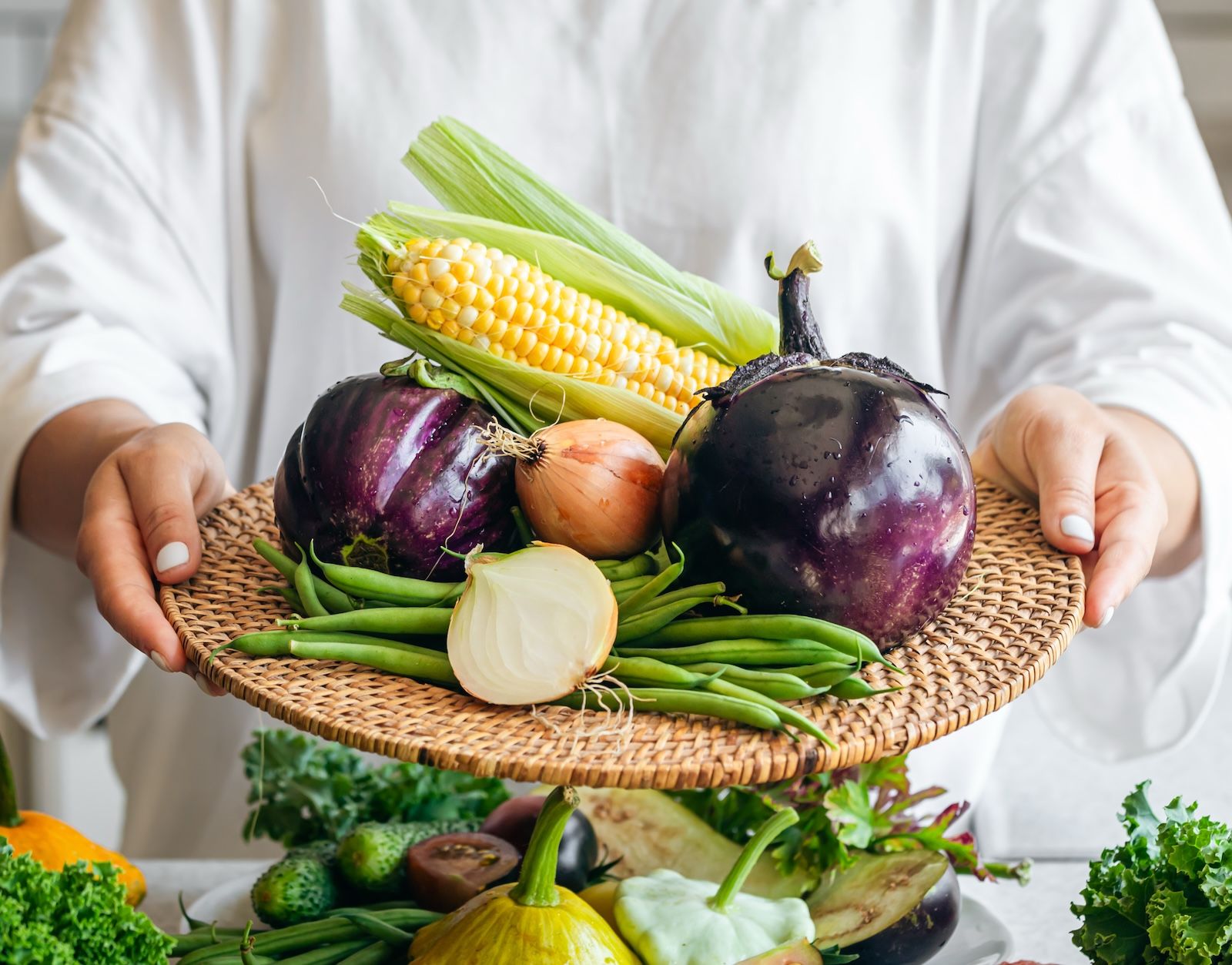
At Easy Health, the menu is designed to maintain this natural hydration balance. Dishes such as the Tijuana Bowl, Atlantic Salmon Teriyaki, Stir-Fried Cashew Nuts with Vegetables, and Pesto Pasta with Vegan Sauce are prepared fresh each day using water-rich vegetables, lean proteins, and healthy oils. These ingredients supply electrolytes and fluids naturally, helping the body stay hydrated while also providing balanced nutrition and sustained energy. The emphasis on fresh preparation ensures every meal supports hydration and nutrient absorption in a way that processed or pre-stored foods cannot match.
Signs Your Body Is Dehydrated
Dehydration often begins before you feel thirsty. Some of the most common early signs include:
Fatigue or brain fog: Even mild dehydration can reduce blood volume and slow oxygen delivery to the brain and muscles, causing tiredness and reduced focus.
Dry mouth and lips: Low saliva production is often one of the first noticeable symptoms of fluid imbalance.
Headaches: When the body lacks water, the brain can temporarily contract from the skull, leading to pressure and discomfort.
Dark urine or infrequent urination: This suggests the kidneys are trying to conserve water and is a reliable warning sign of dehydration.
Dizziness or lightheadedness: A drop in blood pressure caused by fluid loss can make you feel unsteady, especially when standing up quickly.
Food plays a key role in restoring hydration. Fresh fruits and vegetables contain structured water, which the body absorbs efficiently. Many of these foods also provide electrolytes like potassium and magnesium that help retain fluid. Meals prepared with moisture-rich ingredients such as steamed vegetables, crisp greens, and fresh fruits can support hydration throughout the day without relying entirely on beverages.
Hydration Starts With What You Eat
Hydration is not just about how much water you drink. Eating meals made with fresh, water-rich ingredients plays a major role in helping your body retain fluids, absorb nutrients, and support daily functions. At Easy Health, every dish is carefully prepared to promote hydration naturally through vegetables, fruits, and lean proteins. Making these foods part of your daily routine supports long-term wellness in a way that goes beyond the glass.