
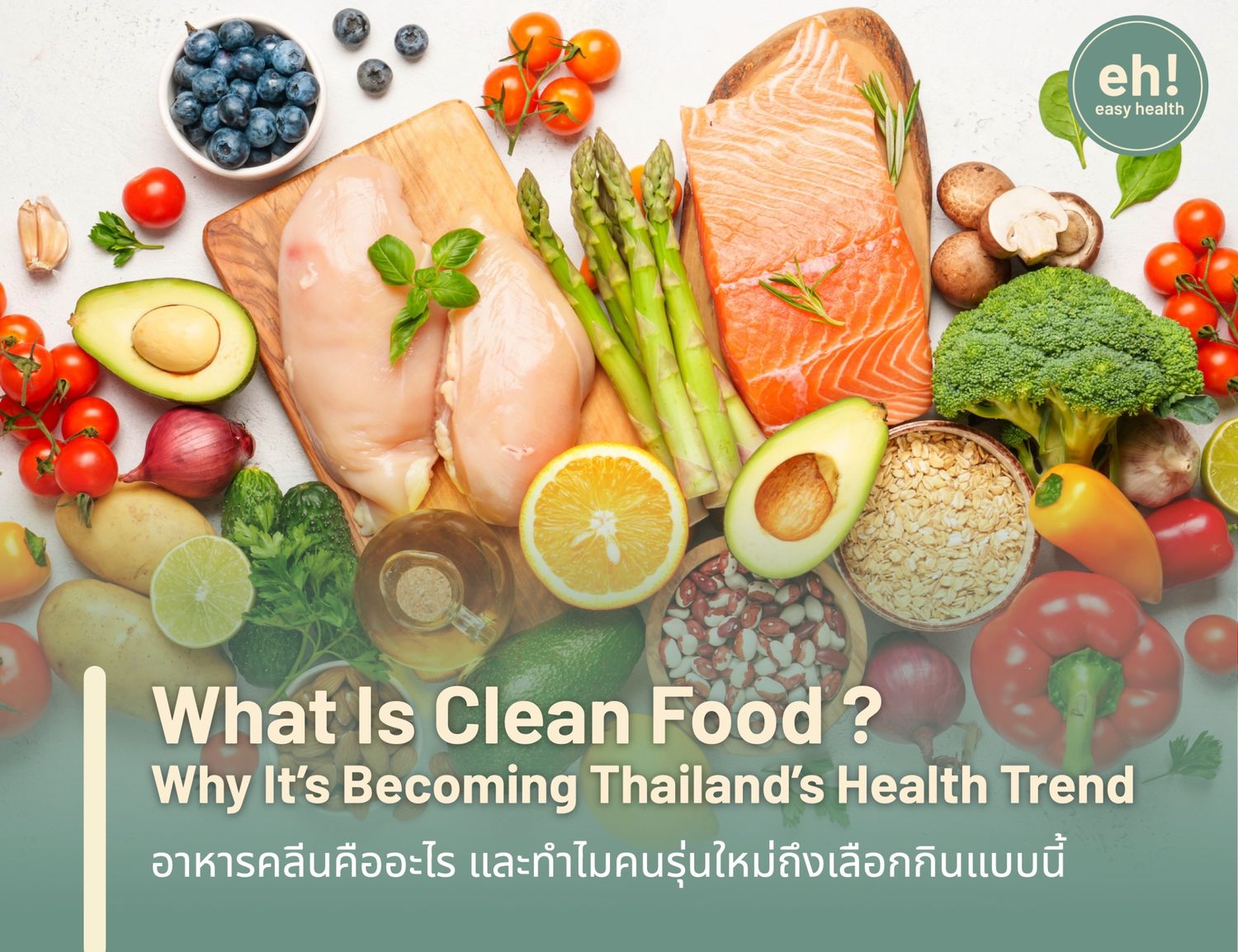
Clean Food Meaning: What It Actually Is and How to Start Eating Clean
If you have ever searched "clean food meaning" and ended up more confused than when you started, you are not alone. Some websites say it means eating only organic produce. Others insist it means cutting out all sugar, all carbs, or anything that comes in a package. A few make it sound like you need a personal chef and a six-figure salary just to eat properly.
Here is the truth: clean eating is far simpler than the internet makes it seem, and it is one of the most practical ways to improve how you look, feel, and perform every single day. This guide breaks down what clean food actually means, gives you a clear list of what counts (and what does not), and shows you exactly how to start, whether you cook at home or order delivery in Bangkok.
What Does "Clean Food" Actually Mean?
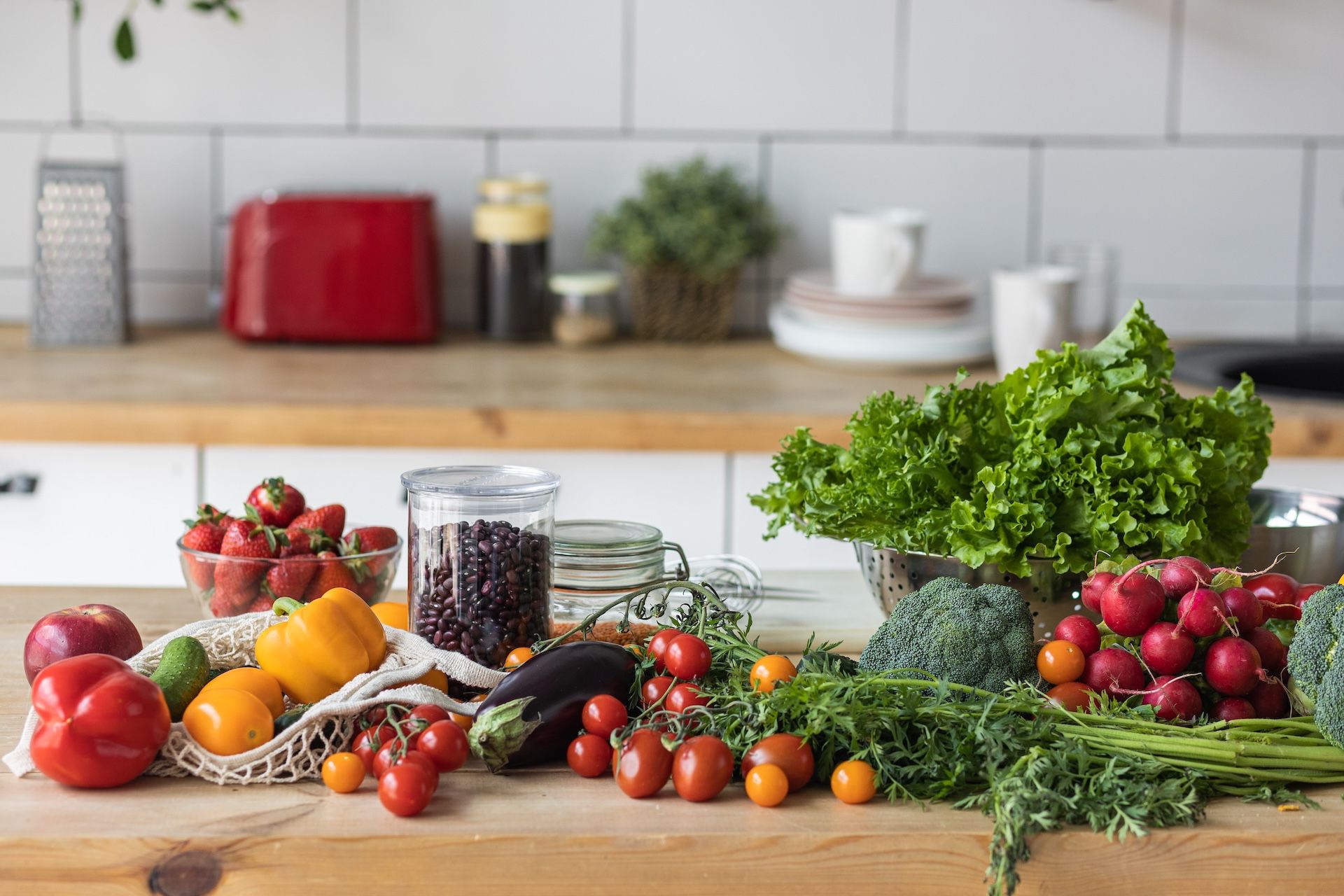
Clean food refers to meals built from whole, minimally processed ingredients that keep their natural nutritional value intact. That is the core idea. Everything else is just detail.
The concept first gained traction in the early 2000s when researchers began linking ultra-processed diets to rising rates of obesity, type 2 diabetes, and cardiovascular disease. A landmark 2019 study published in Cell Metabolism found that people eating ultra-processed food consumed roughly 500 extra calories per day compared to those eating unprocessed meals, even when both groups had unlimited access to food matched for calories, sugar, fat, and fiber.
Since then, institutions like Harvard School of Public Health, the World Health Organization, and Thailand's own Department of Health have all reinforced the same message: eat real food, keep it simple, and minimise what comes from a factory.
But "clean food" is not a rigid diet plan. It is a set of principles you apply to any cuisine, any budget, and any lifestyle. Think of it as a filter: before you eat something, you ask, "How far is this from its original form?"
The 6 Rules of Clean Eating
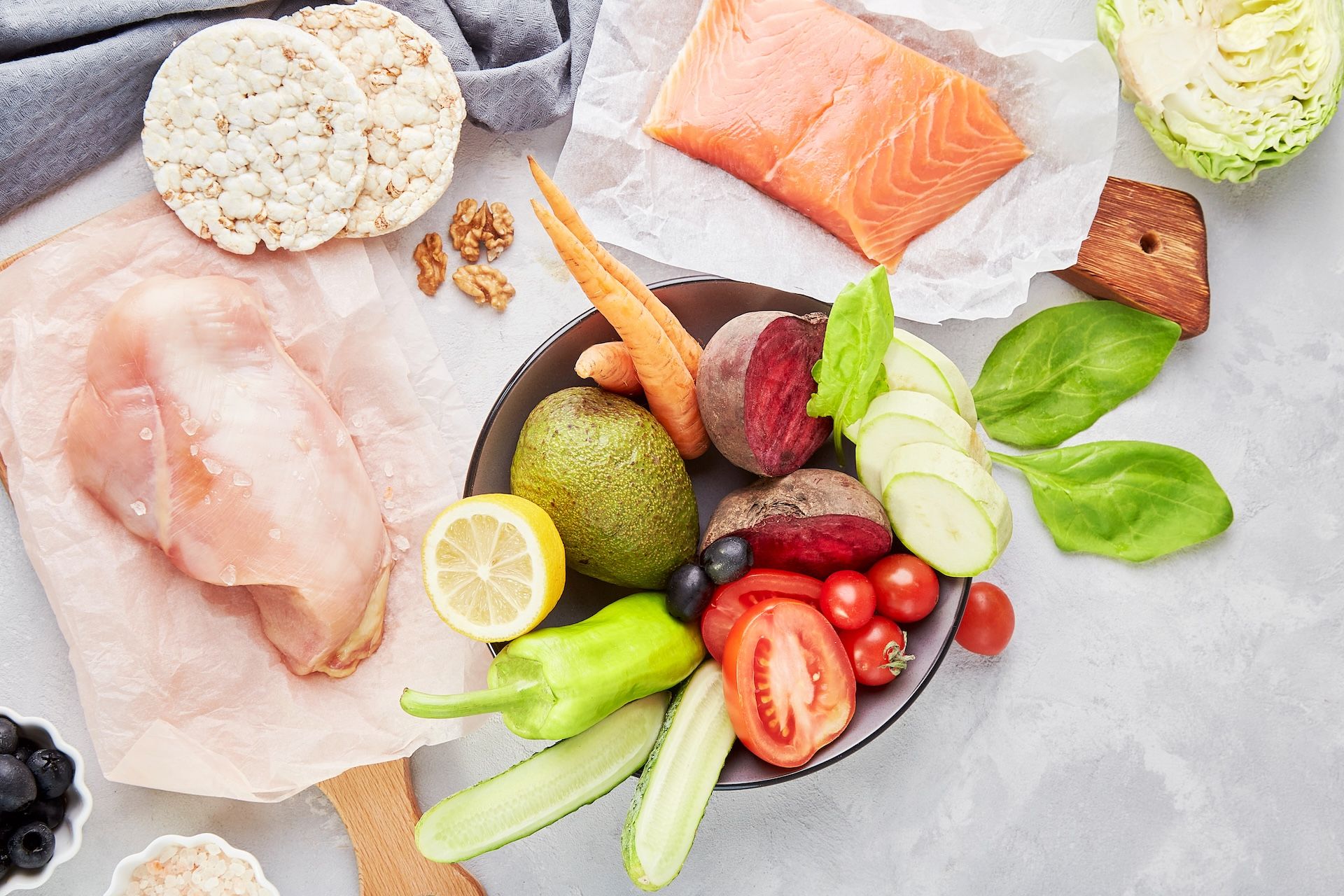
Rule 1: Choose whole, single-ingredient foods first. The foundation of every clean meal is ingredients you can recognise. Chicken breast, eggs, brown rice, broccoli, salmon, sweet potato. If the ingredient list on the package is longer than five items, it is probably not clean.
Rule 2: Minimise processing. Steaming, grilling, baking, and light stir-frying preserve nutrients. Deep-frying, heavy breading, and dousing food in sugar-laden sauces do not. The cooking method matters just as much as the ingredient itself.
Rule 3: Reduce added sugar, sodium, and artificial additives. The Thai Ministry of Public Health's "reduce sweet, oily, salty" campaign exists for a reason. Excess sodium raises blood pressure. Excess sugar drives insulin resistance. MSG and artificial preservatives add nothing your body needs. Clean eating keeps all of these to a minimum.
Rule 4: Prioritise lean protein and healthy fats. Not all protein and fat sources are equal. Grilled chicken breast, fish, eggs, and legumes are clean. Deep-fried pork belly coated in sweet chilli glaze is not. Healthy fats come from avocado, nuts, seeds, and olive oil, not from hydrogenated vegetable oils in packaged snacks.
Rule 5: Pick whole grains over refined carbs. Brown rice instead of white rice. Quinoa instead of instant noodles. Whole-wheat bread instead of white sandwich bread. Whole grains retain their fibre and micronutrients, which means steadier blood sugar and longer-lasting energy.
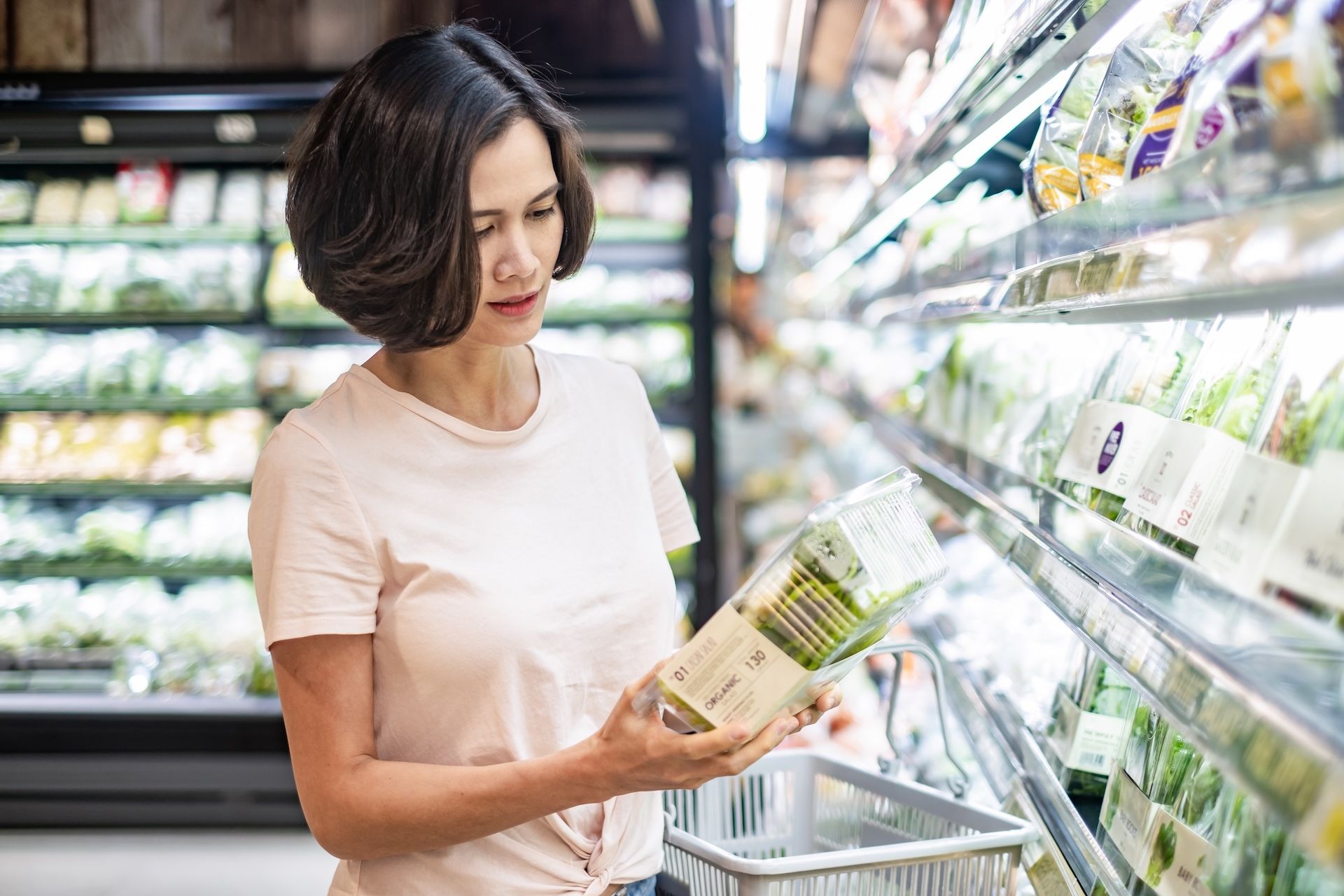
Rule 6: Read labels like a detective. If you buy anything packaged, flip it over. Look for hidden sugars (listed as sucrose, dextrose, maltodextrin, or high-fructose corn syrup), excessive sodium (above 600 mg per serving is a red flag), and ingredient names you cannot pronounce. The shorter and simpler the list, the cleaner the food.
Clean Food vs. "Diet Food": They Are Not the Same Thing
This is one of the biggest misconceptions. Many people hear "clean food" and assume it means tiny portions of sad, flavourless meals designed to make you lose weight. That is diet culture talking, not clean eating.
Here is how they differ:
Goal: Clean eating focuses on food quality and nutritional value. Diet food focuses on calorie restriction.
Sustainability: Clean eating is a lifelong approach. Most diets are temporary (and the weight comes back).
Taste: Clean food celebrates natural flavour with herbs, spices, and quality ingredients. Diet food often strips flavour to cut calories.
Food groups: Clean eating includes all food groups in balance. Many diets eliminate entire macronutrient categories.
Mental health: Clean eating encourages a positive relationship with food. Restrictive diets often create anxiety and guilt around eating.
Can clean eating help you lose weight? Yes, often it does, because you naturally eat fewer empty calories when you cut out processed junk. But weight loss is a side effect, not the goal. The goal is to feel better, think clearer, have more energy, and reduce your risk of chronic disease.
What Counts as Clean Food (and What Does Not)
Knowing the principles is one thing. Knowing what to put on your plate is another. Here is a practical breakdown.
Clean Food: Yes List
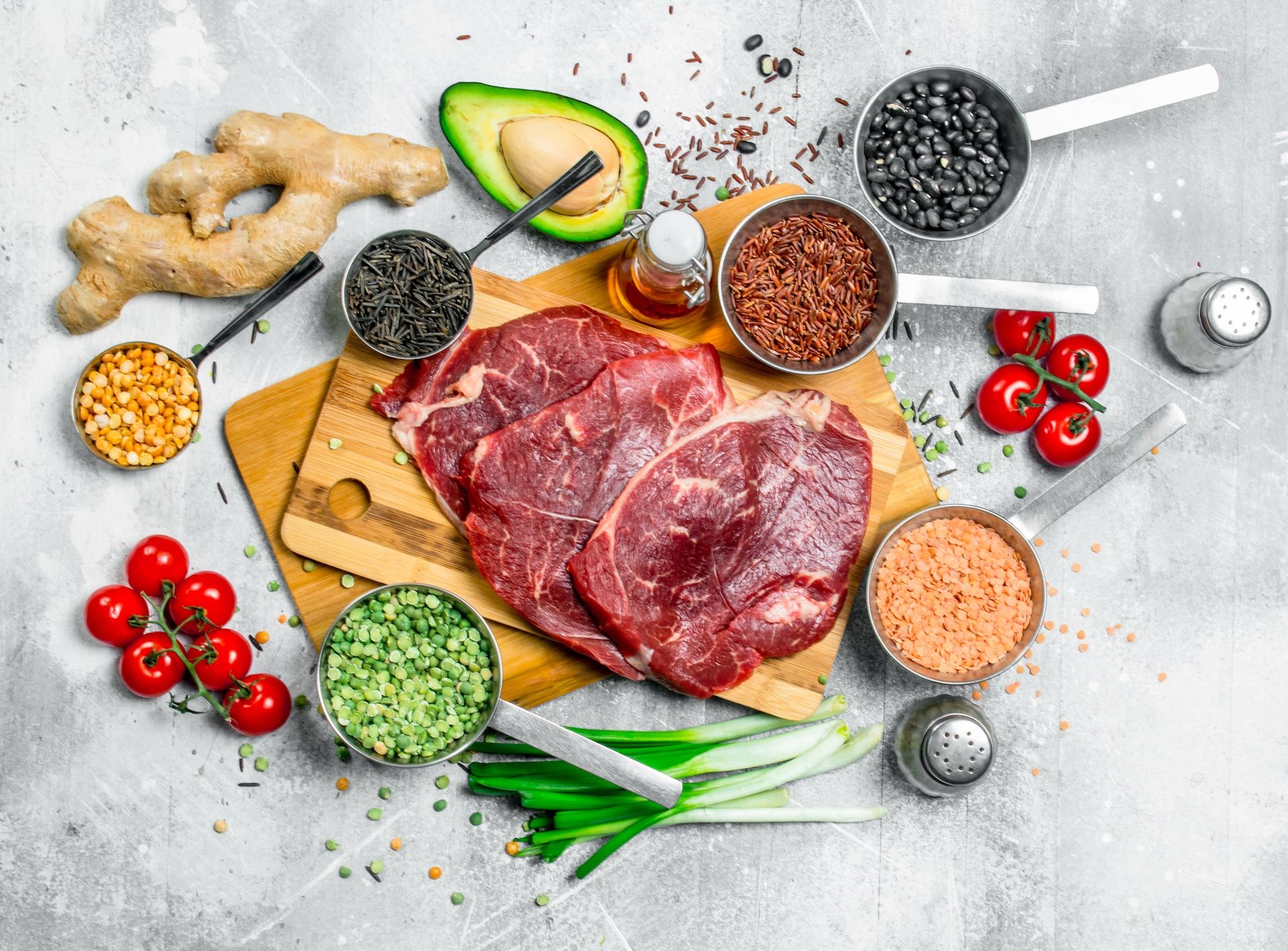
Proteins: Chicken breast (especially free-range), salmon, sea bass, eggs, turkey, grass-fed beef, tofu, tempeh, legumes (lentils, chickpeas, black beans)
Vegetables: Broccoli, spinach, kale, zucchini, bell peppers, cauliflower, sweet potato, pumpkin, asparagus, tomatoes, carrots
Fruits: Berries (blueberries, strawberries, acai), bananas, apples, avocado, papaya, dragon fruit, watermelon
Grains: Brown rice, quinoa, oats, whole-wheat bread, buckwheat
Healthy fats: Avocado, olive oil, coconut oil (moderate), almonds, walnuts, chia seeds, flaxseed
Dairy/alternatives: Greek yoghurt (unsweetened), cottage cheese, almond milk, oat milk
Beverages: Water, herbal tea, black coffee, green tea, sparkling water
Not Clean: Avoid or Minimise
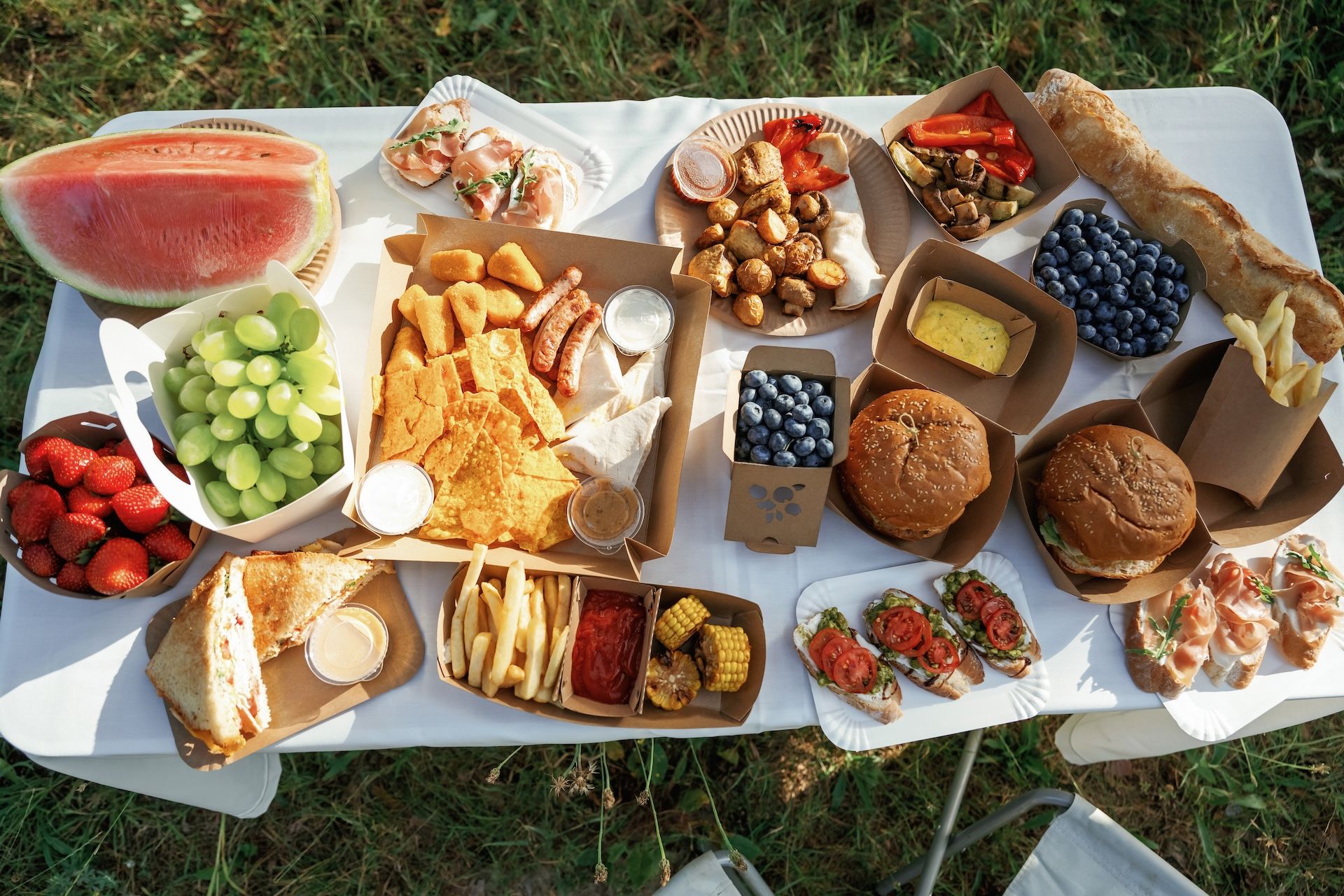
Ultra-processed meats: Sausages, hot dogs, spam, processed deli meats with nitrates
Refined carbs: White bread, instant noodles, pastries, white pasta, sugary cereals
Sugary drinks: Soda, sweetened coffee drinks (Thai iced tea with condensed milk is roughly 300 kcal of pure sugar), energy drinks, fruit juices from concentrate
Deep-fried street food: Fried chicken skin, fried pork crackling, deep-fried bananas in batter
Packaged snacks: Chips, cookies, candy, instant meal kits with flavour packets
Heavy sauces: Sweet chilli sauce, oyster sauce (high sodium), ketchup (high sugar), most bottled salad dressings
Artificial additives: Anything with MSG, artificial sweeteners (aspartame, sucralose), artificial colours, sodium benzoate
10 Real Clean Food Meals (with Full Macros and Prices)
Theory is useful. Real examples are better. Here are 10 actual meals from the Easy Health menu that show what clean eating looks like in practice. Every meal is cooked fresh daily in Bangkok, never frozen, with zero MSG, zero added sugar, and full macro transparency.
Breakfast / Brunch
1. Morning Omelette
Free-range eggs with fresh vegetables, herbs, and a side of avocado
366 kcal · 28g protein · 3g carbs · 27g fat
225 THB
Why it is clean: High protein, almost zero carbs, healthy fats from eggs and avocado. No refined ingredients.
2. Peanut Butter Berry Jam Bowl
Oat base with natural peanut butter, mixed berry compote, and seeds
431 kcal · 21g protein · (balanced macros)
175 THB
Why it is clean: Whole grain oats, real fruit, natural nut butter. No added sugar or artificial flavouring.
3. Acai Berry Bowl
Acai smoothie base with granola, fresh berries, banana, almonds, and chia seeds
413 kcal · 16g protein
275 THB
Why it is clean: Loaded with antioxidants from acai and berries. Natural sweetness from fruit. Chia seeds add omega-3s and fibre.
Lunch
4. Pad Thai (Clean Version)
Rice noodles with free-range chicken, vegetables, tamarind sauce, crushed peanuts
615 kcal · 39g protein
135 THB
Why it is clean: Real tamarind instead of sugar-heavy bottled sauce. Free-range chicken. Fresh vegetables. Proves that Thai food can be clean without losing its soul.
5. Atlantic Salmon Fitness Meal
Grilled Atlantic salmon with roasted vegetables (broccoli, cauliflower, carrots)
High protein · rich in omega-3 fatty acids
Premium pricing
Why it is clean: Wild-caught-quality salmon, simple seasoning, steamed and roasted vegetables. No heavy sauces.
6. Hummus Bowl
House-made hummus with roasted vegetables, whole grains, and olive oil drizzle
239 kcal · 13g protein
195 THB
Why it is clean: Plant-based protein from chickpeas, healthy fats from olive oil, fibre-rich whole grains. Great for vegetarians.
Dinner / Light Meals
7. Tom Jued Soup
Clear Thai broth with tofu, vegetables, and lean protein
93 kcal · 14g protein · 6g carbs · 1g fat
75 THB
Why it is clean: The ultimate low-calorie, high-protein clean meal. Clear broth (not coconut cream), fresh vegetables, minimal fat. At 75 THB, it is the cheapest clean meal in Bangkok.
8. Pumpkin Soup
Blended pumpkin with herbs and light seasoning
165 kcal · 4g protein · 14g carbs · 10g fat
75 THB
Why it is clean: Single-vegetable base, no cream or butter, naturally sweet from pumpkin. Rich in beta-carotene and vitamin A.
9. Farmer Omelette
Loaded omelette with mushrooms, peppers, onions, and herbs
385 kcal · 33g protein · 13g carbs · 23g fat
229 THB
Why it is clean: Protein-packed, vegetable-loaded, made with free-range eggs. A complete meal in one dish.
10. Hearty Breakfast Wrap
Whole-wheat wrap with scrambled eggs, vegetables, and lean protein
375 kcal · 27g protein
179 THB
Why it is clean: Whole-grain wrap instead of refined flour tortilla. Fresh fillings. Portable and balanced.
Price Comparison: Clean vs. Typical Bangkok Meals
To put things in perspective:
Average Bangkok fast food combo: 150-200 THB for 800-1,200 kcal of processed food with minimal nutritional value
Average clean meal from Easy Health: 75-289 THB for 93-615 kcal of nutrient-dense, macro-transparent food
Monthly cost of eating clean (2 meals/day): Starting from roughly 4,500 THB with the Lean meal plan (1,899 THB/5 days)
Clean eating does not have to be expensive. The Tom Jued Soup at 75 THB costs less than most street food, and the Pad Thai at 135 THB is competitive with any delivery app option.
How to Start Eating Clean This Week: A 5-Step Plan

Reading about clean food is easy. Actually doing it requires a system. Here is a practical plan anyone can follow, whether you are in Bangkok, Chiang Mai, or anywhere in Thailand.
Step 1: Audit your current eating (Day 1-2)
Before changing anything, spend two days writing down everything you eat. Do not judge it. Just observe. Most people are surprised by how much processed food sneaks in: the sweetened coffee, the afternoon snack from 7-Eleven, the pad see ew drenched in oyster sauce. Awareness is the first step.
Step 2: Make three simple swaps (Day 3-4)
You do not need to overhaul everything at once. Pick three swaps:
Swap sweetened drinks for water, black coffee, or green tea
Swap white rice for brown rice or quinoa
Swap one processed meal for a clean one (cook it or order from a clean food delivery service)
Step 3: Build your clean meal template (Day 5)
Every clean meal follows the same basic structure:
1/2 plate: vegetables (as many colours as possible)
1/4 plate: lean protein (chicken, fish, eggs, tofu)
1/4 plate: whole grain or complex carb (brown rice, sweet potato, quinoa)
Add: a small portion of healthy fat (avocado, nuts, olive oil)
This template works for any cuisine, including Thai food.
Step 4: Stock your kitchen (or your delivery app)
If you cook: fill your fridge with whole ingredients from the Yes List above. Throw out (or finish and do not rebuy) the items from the Avoid List.
If you order: find a reliable clean food delivery service. Easy Health delivers fresh daily across Bangkok with full macro information for every meal, so you always know exactly what you are eating. Choose from over 160 menu items or pick a meal plan that fits your goals:
Lean Plan: 800-1,000 kcal/day, 1,899 THB/5 days (for weight loss)
Balance Plan: 1,400-1,600 kcal/day, 3,399 THB/5 days (for maintenance)
Active Plan: 1,800-2,000 kcal/day, 3,499 THB/5 days (for active lifestyles)
Athlete Plan: 2,400-2,600 kcal/day, 4,799 THB/5 days (for serious training)
Keto Plan: Low-carb/high-fat, 3,499 THB/5 days
Vegetarian Plan: 1,400-1,600 kcal/day, 2,799 THB/5 days
Step 5: Track and adjust (Week 2 onwards)
After your first clean week, pay attention to how you feel. Most people report better energy by Day 3, less bloating by Day 5, and clearer skin within two weeks. If something is not working, adjust portions or swap meals. Clean eating is flexible by design.
5 Clean Eating Myths That Need to Die
Myth 1: "Clean food is tasteless and boring"
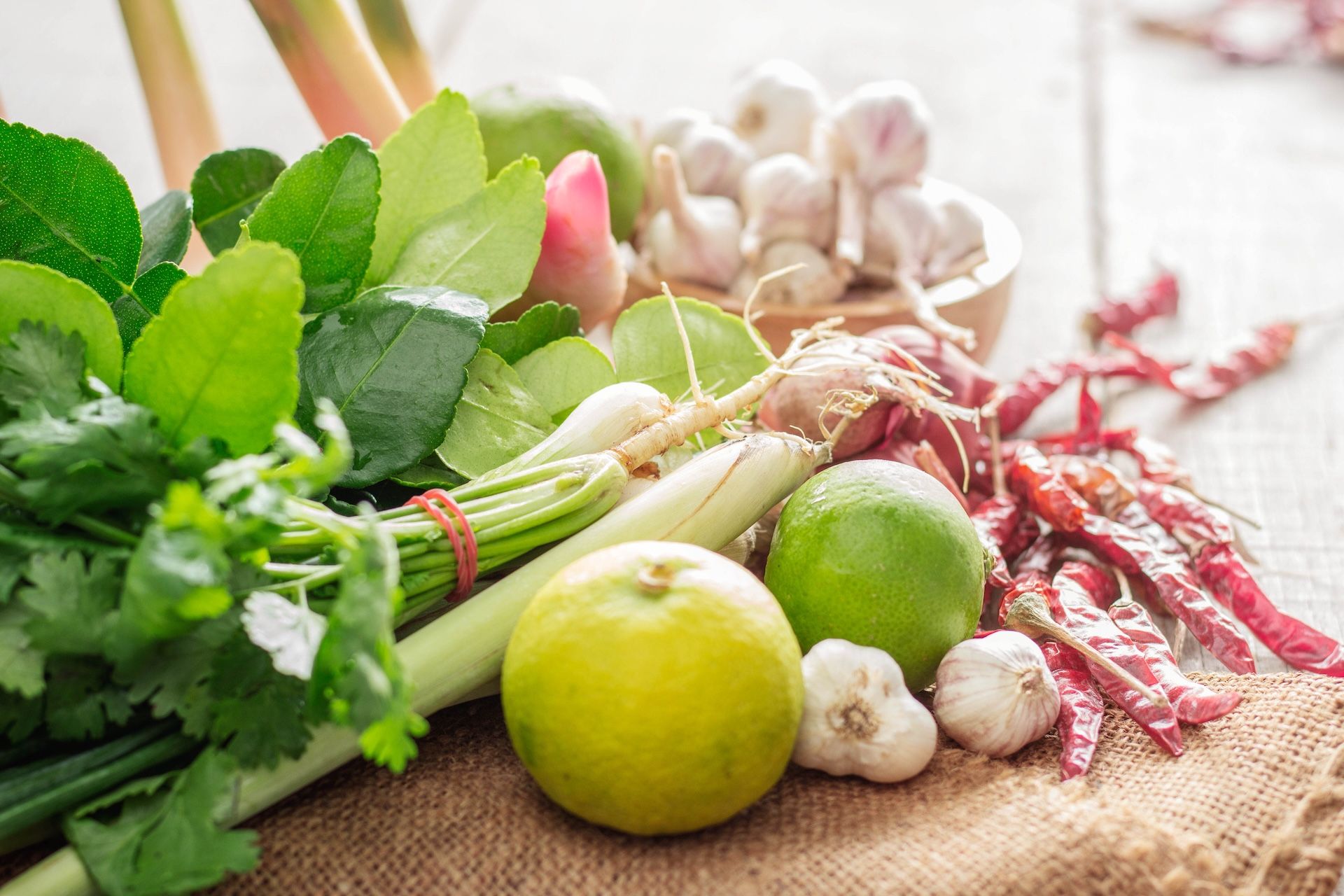
This is the number one excuse people use to avoid eating clean, and it is completely false. Clean eating is about using quality ingredients and balanced seasoning, not about eating steamed chicken and plain broccoli for every meal. Thai herbs like lemongrass, galangal, kaffir lime, and fresh basil add incredible flavour with zero empty calories. At Easy Health, meals are prepared with free-range chicken and grass-fed beef that have naturally richer flavour, seasoned with herbs and spices instead of MSG and sugar.
Myth 2: "Clean eating is too expensive"
A Tom Jued Soup from Easy Health costs 75 THB. A Pad Thai costs 135 THB. Compare that to a fast food combo meal at 180-250 THB that gives you more calories but far fewer nutrients. When you factor in the long-term healthcare costs of a processed food diet (diabetes medication alone costs thousands of baht per month), clean eating is actually the cheaper option.
Myth 3: "You have to cook everything from scratch"
Cooking at home is great, but it is not a requirement. Clean food delivery services exist precisely for people who want to eat clean but do not have the time, skill, or desire to cook every meal. The key is choosing a service that uses real ingredients, cooks fresh daily, and provides full nutritional transparency.
Myth 4: "Clean eating means no carbs"
This is diet culture leaking into the clean eating conversation. Carbohydrates are not the enemy. Refined carbs (white sugar, white flour, instant noodles) are the problem. Whole grains like brown rice, quinoa, and oats are clean, nutritious, and an important part of a balanced diet. Your brain runs on glucose. Do not starve it.
Myth 5: "You need to be 100% clean or it does not count"
Perfectionism kills more healthy eating habits than cheeseburgers do. The 80/20 approach works well: eat clean 80% of the time, and give yourself flexibility for the other 20%. Went to a birthday party and had cake? That is fine. Had street food pad kra pao with your friends? Enjoy it. One meal does not undo weeks of good choices.
Clean Eating in Thailand: Why Bangkok Is Actually the Perfect City for It
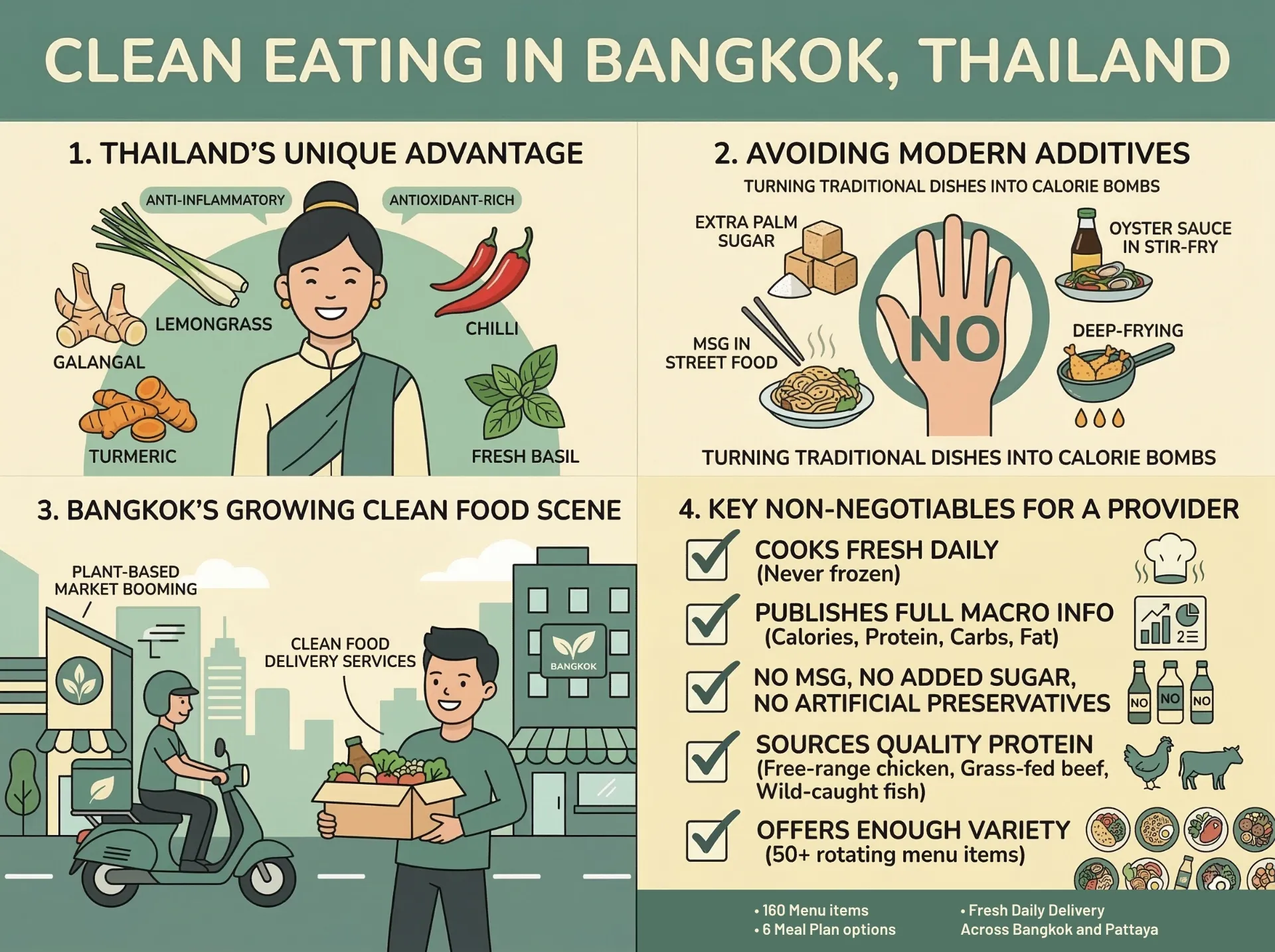
Thailand has a unique advantage when it comes to clean eating: the food culture already revolves around fresh ingredients, herbs, and balanced flavours. Traditional Thai cooking uses lemongrass, galangal, turmeric, chilli, and fresh basil, all of which are anti-inflammatory, antioxidant-rich, and naturally delicious.
The challenge in Thailand is not finding good ingredients. It is avoiding the modern additions that turn traditional dishes into calorie bombs: the extra palm sugar in som tum, the MSG in most street food, the oyster sauce poured into every stir-fry, and the deep-frying that was never part of traditional Thai cuisine.
Bangkok's clean food scene has exploded in recent years. The plant-based food market in Thailand is projected to reach 45 billion baht, and clean food delivery services have grown alongside it. For expats and health-conscious locals, the options have never been better.
The key is finding a provider you trust. Look for these non-negotiables:
Cooks fresh daily (never frozen or reheated)
Publishes full macro information (calories, protein, carbs, fat) for every meal
Uses no MSG, no artificial preservatives, and no added sugar
Sources quality protein (free-range chicken, grass-fed beef, wild-caught fish)
Offers enough variety that you do not get bored (at least 50+ rotating menu items)
Easy Health checks every one of these boxes with over 160 menu items, six meal plan options, and fresh daily delivery across Bangkok.
What Happens to Your Body When You Start Eating Clean
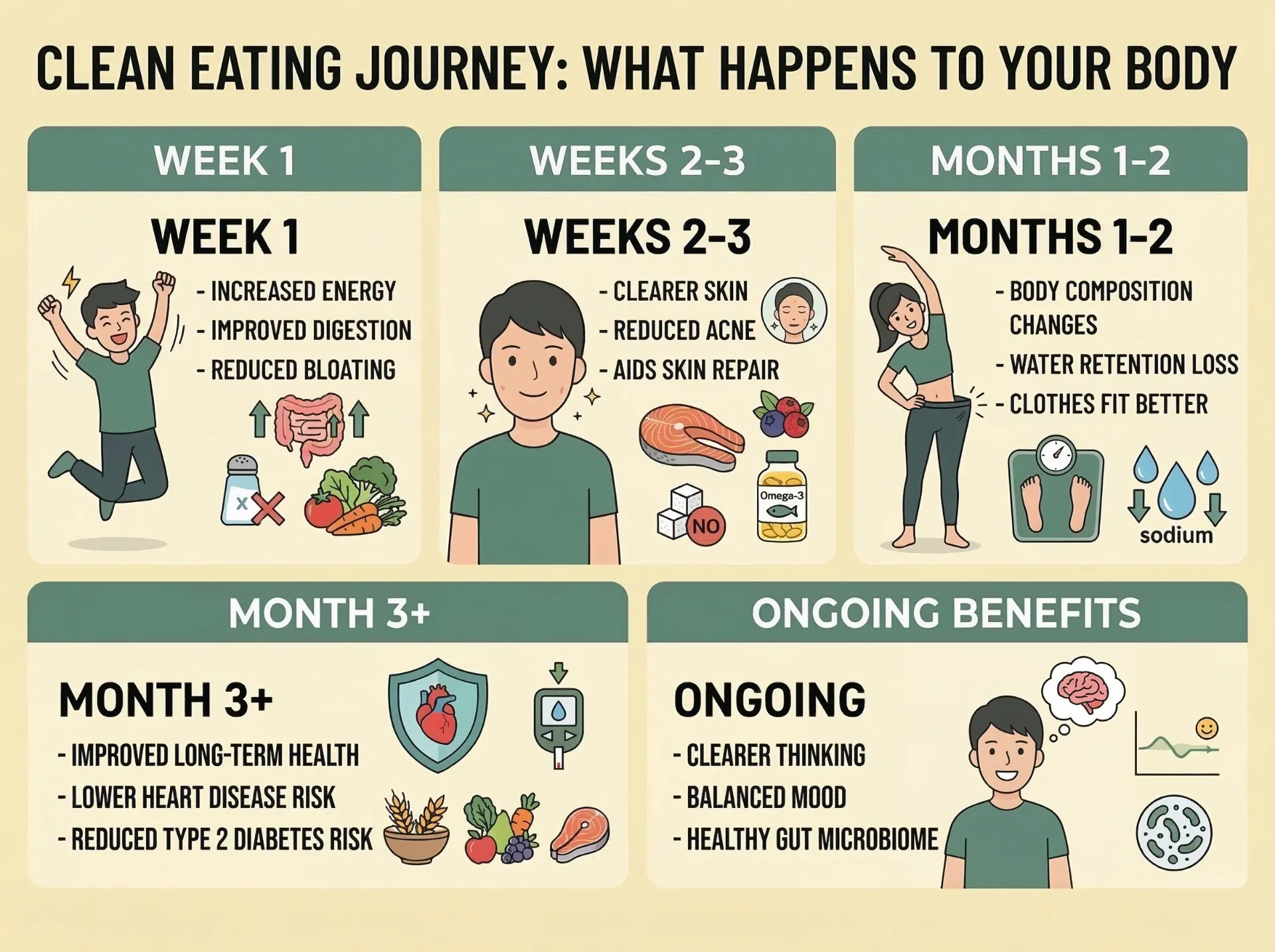
The benefits of clean eating are not just theoretical. Here is what research shows and what most people experience:
Week 1: Energy and digestion improve. Cutting processed food reduces the blood sugar spikes and crashes that cause afternoon slumps. Many people notice less bloating within days as fibre intake increases and sodium intake drops.
Week 2-3: Skin starts to clear up. A 2020 study in JAMA Dermatology found that diets high in sugar and processed food were associated with a 30% higher risk of acne. Switching to whole foods, especially those rich in omega-3s (like salmon) and antioxidants (like berries), supports skin repair from the inside.
Month 1-2: Body composition changes. You may lose weight, but more importantly, you lose the "puffiness" that comes from water retention caused by excess sodium and sugar. Clothes fit better. You look leaner even if the scale does not move dramatically.
Month 3+: Long-term health markers improve. Research published in The Lancet shows that diets rich in whole grains, fruits, vegetables, and lean protein are associated with significantly lower risk of cardiovascular disease, type 2 diabetes, and certain cancers.
Ongoing: Mental clarity and mood stabilise. The gut-brain axis is real. A cleaner gut microbiome (fed by fibre and whole foods, not artificial sweeteners and processed fats) supports better mood regulation, focus, and sleep quality.
FAQ
What does "clean food" mean in simple terms?
Clean food means meals made from whole, natural ingredients with minimal processing. The idea is straightforward: eat food that is as close to its original form as possible. Fresh vegetables, quality protein, whole grains, and healthy fats prepared with simple cooking methods and light seasoning. No MSG, no artificial preservatives, no added sugar, and no deep-frying.
Is clean eating the same as going on a diet?
No, and this is an important distinction. Diets are temporary, restrictive, and focused on calorie reduction. Clean eating is a long-term approach focused on food quality. You eat from all food groups, you do not count every calorie, and you do not starve yourself. Clean eating often leads to weight loss as a natural side effect, but that is not the primary goal.
Can Thai food be clean?
Absolutely. Traditional Thai cooking already uses many clean principles: fresh herbs, lean proteins, and balanced flavours. The problem is modern shortcuts like excessive MSG, palm sugar, and deep-frying. A clean Pad Thai made with real tamarind, free-range chicken, and fresh vegetables (like the one from Easy Health at 135 THB, 615 kcal, 39g protein) proves that Thai food and clean eating are not mutually exclusive.
How much does clean eating cost in Bangkok?
Less than most people think. Clean meals from Easy Health start at 75 THB for soups and go up to around 289 THB for premium options like the Ranchero Skillet (589 kcal, 56g protein). Meal plans start at 1,899 THB for 5 days. Compare that to grabbing fast food combos at 180-250 THB that deliver more calories and less nutrition, and clean eating is competitive or even cheaper.
Do I need to eat clean 100% of the time?
No. The 80/20 rule works perfectly. Eat clean for roughly 80% of your meals and allow yourself flexibility for the rest. Had a birthday party? Enjoy the cake. Went out for street food with friends? No guilt. Consistency over weeks and months matters far more than perfection at every single meal.
What is the difference between clean food and organic food?
Clean food focuses on minimal processing and avoiding artificial additives. Organic food focuses on how ingredients are grown (without synthetic pesticides or fertilisers). They overlap but are not the same thing. You can eat clean without buying organic, and you can eat organic food that is heavily processed (organic cookies are still cookies). For most people, focusing on clean eating principles gives you 90% of the health benefit without the premium organic price tag.
Eat Clean, Feel the Difference
Ready to find out what clean eating actually tastes like? Easy Health delivers fresh, macro-transparent clean meals across Bangkok every day.
Over 160 menu items, all cooked fresh daily
Full macro info (calories, protein, carbs, fat) for every meal
Zero MSG, zero added sugar, zero preservatives
6 meal plans from 1,899 THB/5 days
Download the Easy Health app and browse the full menu:
Or explore online:
References
Hall, K. D., et al. (2019). Ultra-Processed Diets Cause Excess Calorie Intake and Weight Gain: An Inpatient Randomized Controlled Trial of Ad Libitum Food Intake. Cell Metabolism, 30(1), 67-77. https://doi.org/10.1016/j.cmet.2019.05.008
Harvard T.H. Chan School of Public Health. Healthy Eating Plate. The Nutrition Source. https://nutritionsource.hsph.harvard.edu/healthy-eating-plate/
Thai Ministry of Public Health, Department of Health. "Reduce Sweet, Oily, Salty" Campaign. https://multimedia.anamai.moph.go.th/infographics/info648_food_15/
Aune, D., et al. (2016). Whole grain consumption and risk of cardiovascular disease, cancer, and all cause and cause specific mortality: systematic review and dose-response meta-analysis. BMJ, 353, i2716. https://doi.org/10.1136/bmj.i2716
Srour, B., et al. (2019). Ultra-processed food intake and risk of cardiovascular disease: prospective cohort study (NutriNet-Santé). BMJ, 365, l1451. https://doi.org/10.1136/bmj.l1451
Dai, R., et al. (2020). Association Between Dietary Patterns and Acne Vulgaris: A Systematic Review and Meta-Analysis. JAMA Dermatology, 156(10), 1091-1098. https://doi.org/10.1001/jamadermatol.2020.2478
GBD 2017 Diet Collaborators. (2019). Health effects of dietary risks in 195 countries, 1990-2017: a systematic analysis for the Global Burden of Disease Study 2017. The Lancet, 393(10184), 1958-1972. https://doi.org/10.1016/S0140-6736(19)30041-8
Valdes, A. M., et al. (2018). Role of the gut microbiota in nutrition and health. BMJ, 361, k2179. https://doi.org/10.1136/bmj.k2179