
Clean Eating 101: How to Eat Better Without Going on a Diet
You Already Know You Should "Eat Healthier." But What Does That Actually Mean?
Every January, millions of people around the world tell themselves: "This year, I'm eating clean." By February, most of them are back to their old habits. Not because they lack willpower. But because nobody actually explained what clean eating means in practical, everyday terms.
The internet hasn't helped. Search "clean eating" and you'll find everything from raw veganism to paleo to juice-only detoxes, all claiming to be the "real" way to eat clean. It's confusing, contradictory, and overwhelming.
Here's what clean eating actually is, stripped of the marketing noise: eating mostly whole, minimally processed foods that give your body the nutrients it needs. That's it. No elimination lists. No forbidden food groups. No $200 grocery hauls of obscure superfoods.
Clean eating is not a diet. It's a way of thinking about food that makes healthy choices feel natural instead of forced. And if you live in Bangkok, where food options range from incredible street food to premium health cafes, learning to eat clean is one of the most impactful changes you can make for your energy, body composition, and long-term health.
This guide covers everything: what clean eating really means, the science behind it, how to do it in Thailand specifically, what a clean plate looks like (with real examples, macros, and prices), common mistakes that trip people up, and how to build a sustainable clean eating habit that lasts longer than two weeks.
What Clean Eating Really Means (And What It Doesn't)
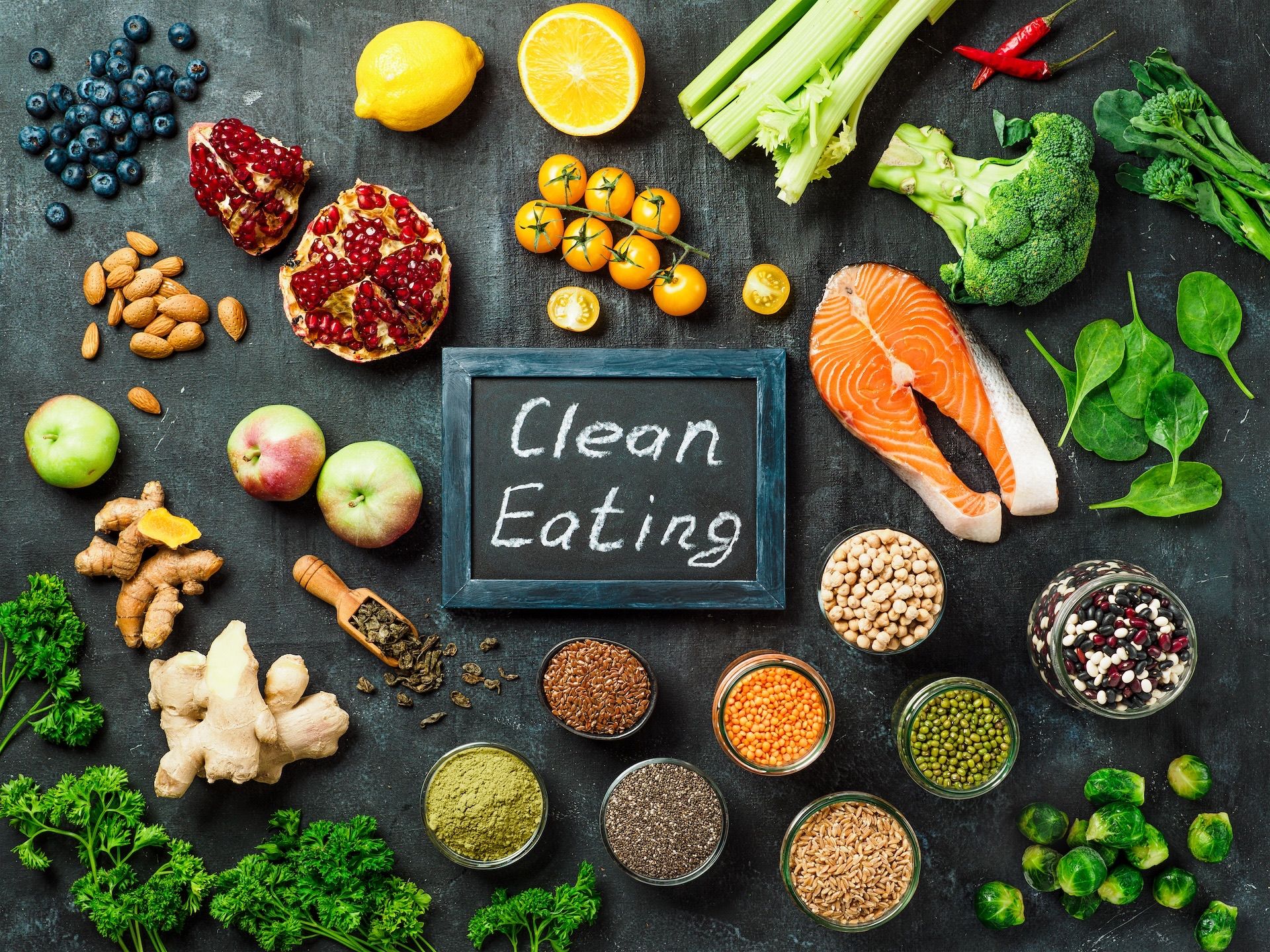
Clean eating is built on a simple principle: eat foods as close to their natural state as possible. But let's be more specific, because "natural" has become one of the most abused words in the food industry.
Clean eating means:
Choosing whole foods: vegetables, fruits, lean proteins, whole grains, nuts, seeds, legumes, and healthy fats
Eating foods with ingredients you can recognize and pronounce
Minimizing added sugar, artificial preservatives, MSG, and chemical flavor enhancers
Paying attention to how your food is prepared, not just what it contains
Eating enough protein, fiber, and micronutrients to support your body's daily functions
Clean eating does NOT mean:
Eating only organic, expensive, or imported foods
Eliminating all carbs, all fats, or any entire macronutrient group
Never eating out, never eating street food, or never enjoying a dessert
Spending hours meal prepping every Sunday
Following a rigid diet plan with strict rules and cheat days
The distinction matters. Many people abandon clean eating because they associate it with perfection. They eat one "unclean" meal and feel like they've failed, so they give up entirely. This all-or-nothing thinking is the biggest enemy of sustainable healthy eating.
A 2019 study published in the Journal of the American Medical Association found that overall diet quality, measured over months and years, matters far more than any single meal or single day. Eating clean 80% of the time while enjoying life the other 20% produces dramatically better health outcomes than cycling between strict dieting and binge eating.
The Science Behind Clean Eating: Why It Works
Clean eating isn't just a wellness trend. There's solid research behind why focusing on whole, minimally processed foods improves health outcomes across the board.
Ultra-Processed Foods Are a Bigger Problem Than Most People Realize

A landmark 2019 study from the National Institutes of Health, published in Cell Metabolism, was one of the first randomized controlled trials to directly compare ultra-processed vs. unprocessed diets. The results were striking: participants eating ultra-processed foods consumed an average of 508 more calories per day and gained weight, while those eating unprocessed foods lost weight, even though both groups had access to the same number of calories and macronutrients.
Why? Ultra-processed foods are engineered to override your body's natural fullness signals. They combine sugar, salt, and fat in ratios that trigger dopamine responses similar to addictive substances. Your brain literally doesn't register that you've eaten enough.
In Thailand, ultra-processed foods are everywhere: instant noodles, packaged sauces, sweetened drinks, processed meats, and the countless snacks lining the shelves at 7-Eleven. The average Thai diet has shifted dramatically toward processed foods over the past two decades, and the health consequences are showing up in rising rates of obesity, Type 2 diabetes, and cardiovascular disease.
Whole Foods Keep You Fuller on Fewer Calories
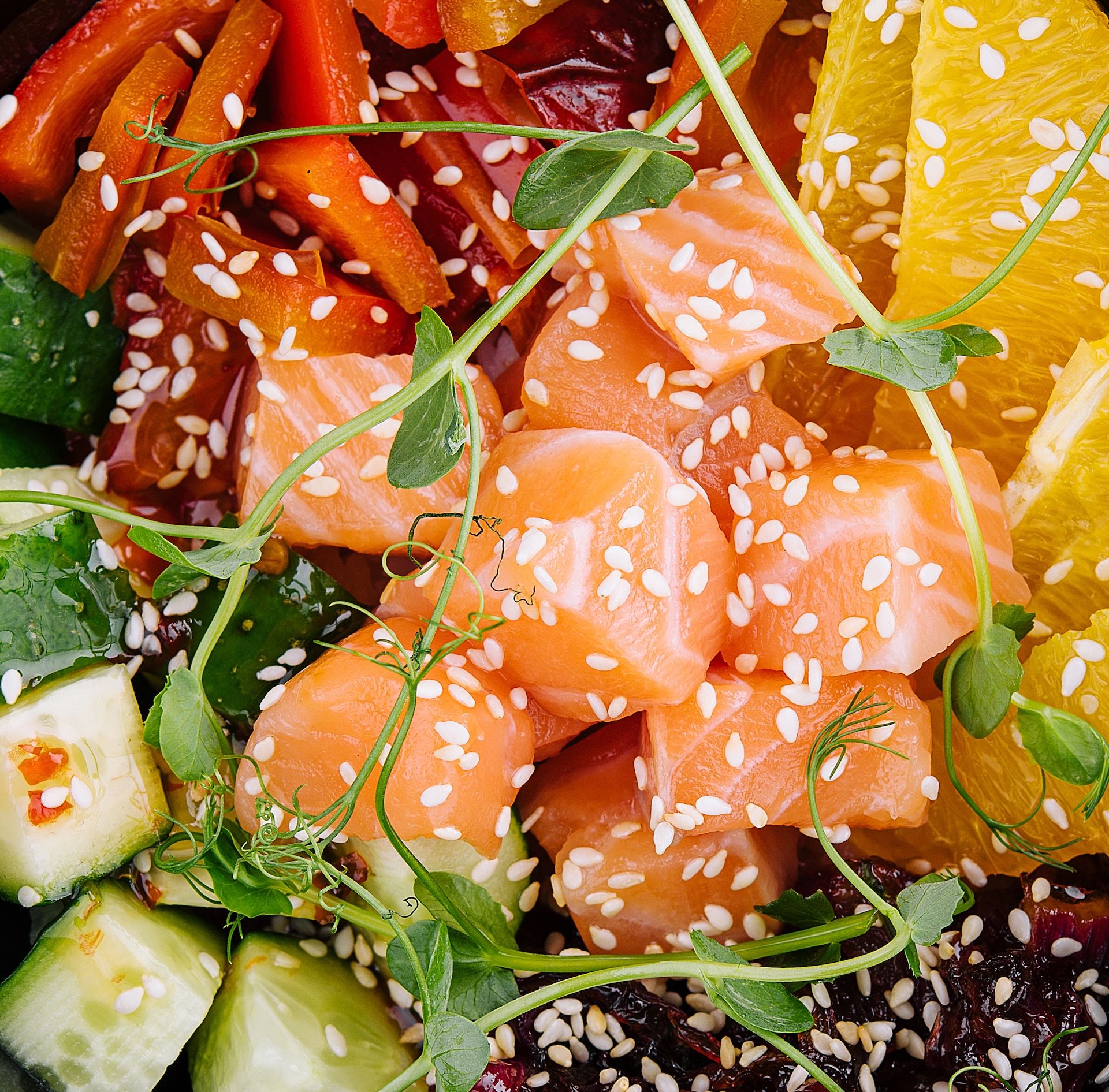
Whole foods naturally contain more fiber, water, and protein per calorie compared to processed alternatives. This combination activates stretch receptors in your stomach, triggers satiety hormones like peptide YY and GLP-1, and slows gastric emptying so you feel satisfied longer.
A practical example: a plate of grilled chicken breast with brown rice and steamed vegetables might total 450 calories and keep you full for 4 to 5 hours. A bowl of instant noodles with a sweetened iced tea might total 550 calories but leave you hungry again in 90 minutes. Same calories, completely different impact on your body.
Clean Eating Reduces Chronic Inflammation
Research published in the Journal of the American College of Cardiology shows that diets rich in whole foods, vegetables, fruits, and lean proteins are associated with lower levels of C-reactive protein (CRP), a key marker of systemic inflammation. Chronic low-grade inflammation is linked to heart disease, certain cancers, autoimmune conditions, and accelerated aging.
This is particularly relevant for people living in Bangkok, where heat, pollution, stress, and irregular sleep patterns already put inflammatory pressure on the body. What you eat either adds to that burden or helps counteract it.
How to Start Clean Eating in Bangkok: A Practical Guide

Knowing what clean eating is matters far less than knowing how to actually do it in real life. And "real life" in Bangkok looks very different from what most Western clean eating guides describe.
You're not shopping at Whole Foods. You're navigating Makro, Tops, Villa Market, and local wet markets. You're eating lunch at food courts, ordering delivery on Grab or LINE MAN, and surrounded by some of the best (and most calorie-dense) street food on the planet.
Here's how to make clean eating work in this environment.
Step 1: Build Every Meal Around Protein and Vegetables First
Before thinking about what to cut from your diet, focus on what to add. Every meal should start with two questions: "Where's the protein?" and "Where are the vegetables?"
Protein keeps you full, preserves muscle mass, and has the highest thermic effect of any macronutrient (your body burns roughly 20 to 30% of protein calories just digesting it). Most Thai meals are carb-heavy and protein-light. Fixing this single imbalance changes everything.
Aim for at least 25 to 30 grams of protein per meal. Good clean protein sources available in Bangkok include grilled chicken breast, steamed fish, eggs, tofu, tempeh, edamame, and Greek yogurt.
Vegetables should take up roughly half your plate. Thai cooking already includes incredible vegetable dishes: stir-fried morning glory, som tam (without excessive sugar), steamed broccoli, and various Thai soups loaded with vegetables.
Step 2: Swap, Don't Eliminate
Clean eating in Bangkok doesn't mean giving up Thai food. It means making smarter versions of the food you already love.
Swap white rice for brown rice or riced cauliflower
Choose grilled or steamed dishes over deep-fried versions
Ask for sauce on the side (many Thai sauces contain significant hidden sugar)
Replace sweetened drinks with water, unsweetened tea, or sparkling water
Choose clear soups (tom jued, gaeng jued) over coconut-cream curries when possible
These swaps reduce calories and processed ingredients without requiring you to completely overhaul your eating habits. Research from the British Medical Journal shows that small, consistent dietary improvements produce better long-term outcomes than dramatic overhauls.
Step 3: Read Labels (Even on "Healthy" Products)
This is where most people in Bangkok get tricked. Products marketed as "healthy," "natural," "organic," or "clean" often contain significant added sugar, sodium, and preservatives.
Common offenders in Thai supermarkets include granola bars (often 15 to 20 grams of sugar per bar), flavored yogurt (8 to 15 grams of added sugar per cup), commercial salad dressings (sugar is typically the second or third ingredient), fruit juice (even 100% juice has the same sugar impact as soda without the fiber), and "whole wheat" bread (many Thai brands add sugar to the dough).
The simplest rule: if the ingredient list is longer than 5 to 7 items, or if you can't pronounce half of them, it's probably not clean.
Step 4: Cook Simple, or Outsource Smart
You don't need to become a chef to eat clean. Some of the cleanest meals are also the simplest: scrambled eggs with vegetables, grilled fish with rice, a salad with olive oil and lemon, or soup made from real ingredients.
But if cooking isn't realistic for your lifestyle (and for many Bangkok professionals working 10+ hour days, it genuinely isn't), the next best option is outsourcing to a service that meets clean eating standards. This means meals made from whole ingredients, no added sugar, no MSG, full nutritional transparency, and fresh preparation daily.
This is exactly what Easy Health was built for. Every meal on the menu uses whole, recognizable ingredients. Nothing is frozen. There's zero added sugar and no MSG. And every dish comes with exact calorie, protein, carb, and fat counts so you always know what you're eating.
What a Day of Clean Eating Actually Looks Like (With Real Numbers)
Theory is helpful, but seeing real examples makes clean eating tangible. Here's what a full day of clean eating looks like using actual menu items from Easy Health, complete with macros and prices.
Clean Eating Day: Fat Loss Focus (Around 1,200 kcal)
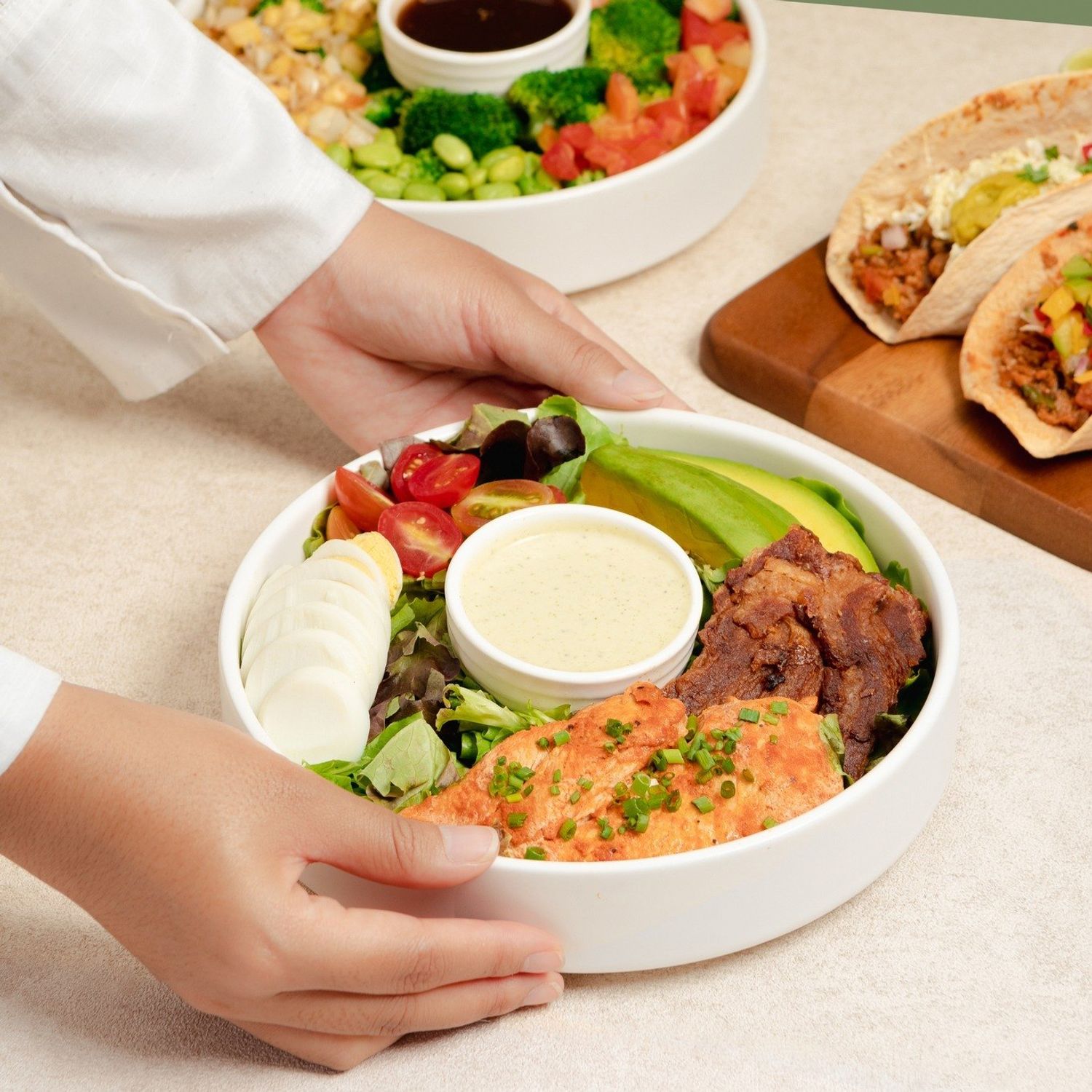
Breakfast: Morning Omelette with fresh vegetables and herbs. 366 kcal, 28g protein, 3g carbs, 27g fat. 225 THB
Lunch: Pad Thai made with glass noodles, lean protein, and Easy Health's zero-sugar sauce. 615 kcal, 39g protein, 135 THB
Side: Pumpkin Soup made from real pumpkin, no cream, no additives. 165 kcal, 4g protein, 14g carbs, 10g fat. 75 THB
Daily Total: approximately 1,146 kcal, 71g protein. Total cost: 435 THB
Clean Eating Day: Active Lifestyle (Around 1,800 kcal)
Breakfast: Farmer Omelette loaded with vegetables and lean protein. 385 kcal, 33g protein, 13g carbs, 23g fat. 229 THB
Lunch: Ranchero Skillet with eggs, lean ground meat, beans, and vegetables. 589 kcal, 56g protein, 27g carbs, 29g fat. 289 THB
Snack: Acai Berry Bowl with fresh fruits, granola, and coconut flakes. 413 kcal, 16g protein, 275 THB
Side: Tom Jued Soup clear broth loaded with vegetables and protein. 93 kcal, 14g protein, 6g carbs, 1g fat. 75 THB
Daily Total: approximately 1,480 kcal, 119g protein. Total cost: 868 THB
Clean Eating Day: High Protein / Muscle Building (Around 2,200 kcal)
Breakfast: Hearty Breakfast Wrap packed with eggs, vegetables, and lean protein in a whole wheat tortilla. 375 kcal, 27g protein, 179 THB
Lunch: Power Fit Combo soup + main dish + smoothie, designed for athletes and serious gym-goers. 1,043 kcal, 83g protein, 319 THB
Snack: Peanut Butter Berry Jam Bowl rich in healthy fats and protein. 431 kcal, 21g protein, 175 THB
Side: Tom Jued Soup for extra protein and hydration. 93 kcal, 14g protein, 6g carbs, 1g fat. 75 THB
Daily Total: approximately 1,942 kcal, 145g protein. Total cost: 748 THB
Notice that none of these days involve bland chicken and broccoli. Clean eating doesn't have to mean boring eating. It means choosing real food, prepared well, with ingredients you can trust.
7 Common Clean Eating Mistakes (And How to Avoid Them)
Mistake 1: Treating Clean Eating Like an All-or-Nothing Diet
The moment you label foods as "clean" and "dirty," you create a mental framework where eating anything imperfect feels like failure. This leads to guilt, restriction cycles, and eventually giving up.
Fix: Think of clean eating as a spectrum, not a binary. A meal that's 80% whole foods and 20% convenience items is still a clean meal. Progress matters more than perfection.
Mistake 2: Ignoring Calories Because the Food Is "Clean"
Avocados, nuts, olive oil, dark chocolate, and acai bowls are all whole foods. They're also calorie-dense. Eating "clean" doesn't automatically mean eating at the right calorie level for your goals.
Fix: Clean eating and calorie awareness work together. If your goal is fat loss, you still need to eat fewer calories than you burn. Knowing the macro breakdown of your meals (like the examples above) keeps you on track without obsessive counting.
Mistake 3: Not Eating Enough Protein
This is the single most common nutritional gap in Thailand. Traditional Thai meals center around rice and carbohydrate-heavy dishes with relatively small portions of protein. Many people eating "clean" Thai food still only consume 40 to 60 grams of protein per day, far below the 1.2 to 1.6 grams per kilogram of body weight recommended by sports nutrition research.
Fix: Make protein the anchor of every meal. Aim for 25 to 35 grams per meal. If that's hard to achieve with home cooking, a delivery service with clear macro labeling makes it much simpler.
Mistake 4: Falling for "Health Halo" Products
Coconut sugar is still sugar. Organic chips are still chips. Gluten-free cookies are still cookies. Marketing makes many processed foods feel "clean" when they're nutritionally no different from their conventional counterparts.
Fix: Judge food by its ingredient list and nutritional content, not by the marketing on the package. A simple grilled chicken with rice is "cleaner" than an expensive organic granola bar with 18 grams of sugar.
Mistake 5: Making Clean Eating Too Complicated
Counting every micronutrient, buying 15 different supplements, tracking every gram of food, and spending hours researching "optimal" meal timing creates friction that kills consistency.
Fix: Keep it simple. Protein + vegetables + whole carbs + healthy fat at every meal. That's 90% of clean eating right there. If something makes your eating routine harder to sustain, it's probably not worth doing.
Mistake 6: Skipping Meals and Then Overeating
Many Bangkok professionals skip breakfast, grab a quick lunch, and then overeat at dinner. This pattern spikes blood sugar, crashes energy, and makes it nearly impossible to maintain portion control in the evening.
Fix: Eat consistently throughout the day. Three meals with an optional snack prevents the extreme hunger that leads to poor choices. Even a small breakfast with protein (like a 366 kcal Morning Omelette from Easy Health) sets the tone for the entire day.
Mistake 7: Not Planning Ahead
The number one reason people eat poorly isn't lack of knowledge. It's lack of planning. When you're hungry with no plan, you default to whatever's fastest and most convenient, which in Bangkok usually means something fried, sugary, or loaded with MSG.
Fix: Have your clean meals ready before hunger strikes. Whether that means simple meal prep at home, keeping clean snacks at your desk, or setting up a recurring order with a healthy meal delivery service, planning removes the decision fatigue that leads to poor choices.
Clean Eating on a Budget in Bangkok: Is It Really More Expensive?
One of the most common objections to clean eating is cost. And it's a fair concern. Let's look at the actual numbers.
Typical "cheap" Bangkok meal: A plate of pad kra pao with rice from a street stall costs 50 to 60 THB. Sounds affordable, but that meal typically contains MSG, added sugar in the sauce, and very low-quality oil. Over time, the health costs of eating like this daily (low energy, weight gain, increased disease risk) far outweigh the savings.
Clean eating at home: Buying whole ingredients from Makro or a fresh market and cooking yourself, a clean meal costs roughly 80 to 120 THB per meal. However, this requires 4 to 6 hours per week of shopping, cooking, and cleanup. For Bangkok professionals earning above-average income, the time cost often makes this impractical.
Clean food delivery: Services like Easy Health range from 75 THB for soups to 289 THB for premium mains, with structured 5-day meal plans starting at 1,899 THB (roughly 380 THB per day for 2 meals). When you factor in zero prep time, guaranteed freshness, and full nutritional transparency, the value proposition shifts significantly.
The real question isn't "Is clean eating expensive?" but "What's the cost of not eating clean?" Weight management struggles, afternoon energy crashes, poor sleep quality, increased healthcare costs, and reduced productivity all carry real financial and personal costs.
Clean Eating for Specific Goals
If Your Goal Is Fat Loss
Focus on creating a moderate calorie deficit (300 to 500 calories below maintenance) while keeping protein high (at least 1.6g per kg of body weight). Clean eating makes this easier because whole foods are naturally more filling per calorie than processed alternatives. The Easy Health Lean Plan (800 to 1,000 kcal/day, 1,899 THB/5 days) is specifically designed for this.
If Your Goal Is Muscle Building
You need a calorie surplus of 200 to 400 calories above maintenance, with protein at 1.6 to 2.2g per kg of body weight. Clean eating supports muscle growth by providing high-quality protein and reducing inflammatory processed foods that impair recovery. The Athlete Plan (2,400 to 2,600 kcal/day, 4,799 THB/5 days) delivers the volume you need.
If Your Goal Is General Health and Energy
Eat at maintenance calories with a balanced macro split (roughly 30% protein, 35% carbs, 35% fat). Focus on variety, lots of vegetables, adequate fiber (25 to 30g per day), and consistent meal timing. The Balance Plan (1,400 to 1,600 kcal/day, 3,399 THB/5 days) or Active Plan (1,800 to 2,000 kcal/day, 3,499 THB/5 days) fits most people in this category.
If You're Vegetarian or Plant-Based
Clean eating as a vegetarian in Bangkok can be challenging because most Thai vegetarian food (jay food) is heavy on refined carbs and fried tofu with minimal protein variety. Look for meals that combine legumes, tofu, tempeh, edamame, nuts, and seeds to hit protein targets. The Vegetarian Plan (1,400 to 1,600 kcal/day, 2,799 THB/5 days) solves this by providing macro-balanced plant-based meals daily.
How to Make Clean Eating a Permanent Habit (Not a 2-Week Experiment)
Research from the European Journal of Social Psychology found that it takes an average of 66 days to form a new habit, not the commonly cited 21 days. Here's how to survive those 66 days and turn clean eating into your default.
Start with one meal. Don't overhaul everything at once. Pick the meal where you currently make the worst choices (for most Bangkok professionals, that's lunch) and make that one meal clean for 2 weeks. Once it feels automatic, clean up the next meal.
Remove friction. The easier clean eating is, the more likely you'll stick with it. Pre-order your meals. Keep clean snacks visible and junk food hidden. Set up recurring deliveries so you never have to think about what to eat.
Don't aim for perfection. If you eat clean 5 out of 7 days per week, you're doing better than 90% of the population. The occasional late-night pad thai or birthday cake isn't going to undo weeks of good eating. What matters is the pattern, not the exception.
Track your energy, not just your weight. Weight fluctuates daily based on water, sodium, sleep, and stress. A better indicator of clean eating's impact is your energy level. Most people notice improved morning energy, fewer afternoon crashes, and better sleep quality within 1 to 2 weeks of eating cleaner.
Find your system. Whether that's meal prepping on Sundays, ordering from Easy Health during weekdays, cooking simple dinners at home, or some combination of all three, the best clean eating approach is the one you'll actually follow consistently.
Why Easy Health Exists: Making Clean Eating the Easiest Part of Your Day
Easy Health was built on one belief: eating clean should be the easiest decision you make all day, not the hardest.
Every meal is prepared fresh daily from whole, recognizable ingredients. There's zero added sugar and absolutely no MSG. Every single dish comes with exact calorie, protein, carb, and fat counts. The menu features over 160 items across Thai and international cuisines, so clean eating never feels repetitive or boring.
With 6 meal plans (Lean, Balance, Active, Athlete, Keto, and Vegetarian) and full a la carte ordering, there's a clean eating option for every goal, every budget, and every lifestyle. Whether you're a busy professional on Sukhumvit, a gym-goer chasing protein targets, or someone who simply wants to eat better without the hassle of cooking every day, Easy Health removes every barrier between you and clean eating.
Browse the full menu at easyhealth.asia/menu or find the plan that fits your goals at easyhealth.asia/meal-plans.
FAQ
What is clean eating and how is it different from dieting?
Clean eating is a long-term approach to food that focuses on choosing whole, minimally processed ingredients rather than following strict rules about what you can and cannot eat. Unlike diets that restrict specific food groups or set rigid calorie limits for a set period, clean eating is flexible and sustainable. You can eat clean at any calorie level, with any macronutrient balance, and for any health goal. The core principle is simple: eat real food, prepared well, with ingredients you can recognize.
Do I need to cook everything from scratch to eat clean?
Not at all. While home cooking gives you full control over ingredients, it's not the only way to eat clean. The key is knowing what's in your food. You can eat clean at restaurants by choosing grilled over fried, asking for sauce on the side, and avoiding dishes with obvious processed ingredients. You can also use meal delivery services that meet clean eating standards, meaning fresh ingredients, no added sugar, no MSG, and full nutritional transparency.
Is clean eating more expensive than regular eating in Bangkok?
It can be slightly more expensive per meal compared to street food, but the gap is smaller than most people think. A clean meal from a delivery service like Easy Health starts at 75 THB, and structured 5-day meal plans start at 1,899 THB. When you factor in the time savings (no shopping, cooking, or cleanup) and the health benefits (better energy, fewer sick days, lower long-term healthcare costs), clean eating often delivers better value than the alternative.
Can I eat Thai food and still eat clean?
Absolutely. Thai cuisine is built on fresh herbs, vegetables, lean proteins, and aromatic spices, which are all clean eating foundations. The main adjustments are reducing added sugar in sauces and dressings, choosing grilled or steamed preparations over deep-fried options, being mindful of coconut cream-heavy curries, and asking for less oil. Clear soups like tom jued, grilled proteins, and stir-fried vegetables with minimal sauce are all excellent clean Thai meals.
How quickly will I see results from clean eating?
Most people notice improved energy and fewer afternoon crashes within the first 1 to 2 weeks. Digestive improvements often appear within 2 to 3 weeks. Visible changes in body composition (reduced bloating, leaner appearance) typically show up after 4 to 6 weeks of consistent clean eating combined with appropriate calorie intake. Weight loss results vary depending on your starting point and calorie balance, but the energy and clarity improvements come remarkably fast.
What's the difference between clean eating and organic eating?
Organic refers specifically to how food is grown or raised (without synthetic pesticides, herbicides, or GMOs). Clean eating refers to the overall processing level and ingredient quality of your food. A food can be organic but still heavily processed (organic cookies, organic chips), and a food can be non-organic but perfectly clean (conventional brown rice, regular eggs, fresh vegetables). For most people, focusing on clean eating principles delivers far more health benefit per dollar than simply buying organic versions of the same products.
Download the Easy Health App and Make Clean Eating Effortless
Whether you're just starting your clean eating journey or looking for a simpler way to stay consistent, the Easy Health app puts fresh, macro-transparent meals at your fingertips. Every dish is made fresh daily with zero added sugar and no MSG. No more guessing what's in your food. No more sacrificing health for convenience.
What you get:
Easy Ordering - Browse 160+ menu items, plan your meals for the week, and order in seconds
Full Nutrition Tracking (Calories & Macros) - See exact calories, protein, carbs, and fat for every dish. Hit your targets without a kitchen scale
Personalized Meal Plans - Choose from 6 plans (Lean, Balance, Active, Athlete, Keto, Vegetarian) or mix and match a la carte
Exclusive Rewards - Earn points on every order and unlock special deals only available in the app
Download now:
📱 Android: Download on Google Play
🍏 iOS: Download on the App Store
References & Links
References:
Hall, K.D. et al. (2019). "Ultra-Processed Diets Cause Excess Calorie Intake and Weight Gain: An Inpatient Randomized Controlled Trial of Ad Libitum Food Intake." Cell Metabolism, 30(1), 67-77. https://pubmed.ncbi.nlm.nih.gov/31105044/
Gardner, C.D. et al. (2018). "Effect of Low-Fat vs Low-Carbohydrate Diet on 12-Month Weight Loss in Overweight Adults." JAMA, 319(7), 667-679. https://pubmed.ncbi.nlm.nih.gov/29466592/
Lally, P. et al. (2010). "How are habits formed: Modelling habit formation in the real world." European Journal of Social Psychology, 40(6), 998-1009. https://onlinelibrary.wiley.com/doi/abs/10.1002/ejsp.674
Li, Y. et al. (2020). "Dietary Patterns and the Risk of Cardiovascular Disease." Journal of the American College of Cardiology, 76(19), 2212-2224. https://pubmed.ncbi.nlm.nih.gov/33153579/