
What to Eat When Hungover: 15 Best Foods That Actually Help You Recover
Quick Answer
The best foods to eat when hungover are eggs, broth-based soups, bananas, salmon, and avocado. These five hit the four pillars of recovery: rehydration, electrolyte restoration, blood sugar stabilization, and liver support through amino acids like cysteine. Avoid greasy fry-ups, strong black coffee, and orange juice on an empty stomach, all of which make hangovers worse. Start with broth or soup if nauseous, then move to protein-rich meals within 3 to 4 hours.
You Wake Up. Your Head Is Pounding.
Your mouth feels like sandpaper. The room is spinning just enough to make you question every decision from last night.
Welcome to a hangover. Right now your body is running a massive deficit: dehydrated, drained of electrolytes, low on blood sugar, and loaded with toxic byproducts your liver is desperately trying to clear.
Bangkok makes this worse. The late-night closing times around RCA, Khao San, and Thonglor mean you sleep fewer hours. The heat keeps dehydrating you even after you stop drinking. And the standard Thai bar mixers often contain more sugar than equivalent drinks elsewhere, which deepens the next-day crash.
The instinct is to reach for greasy fast food, chug a coffee, or stay in bed until it passes. But what you eat in the next few hours can be the difference between recovering by noon or losing the entire day.
This guide covers the science of what actually causes a hangover, the 15 best hangover cure foods backed by research, what to avoid (because some "remedies" make things worse), and a practical recovery meal plan you can follow from the moment you open your eyes.
The Science of Hangovers: Why You Feel Terrible
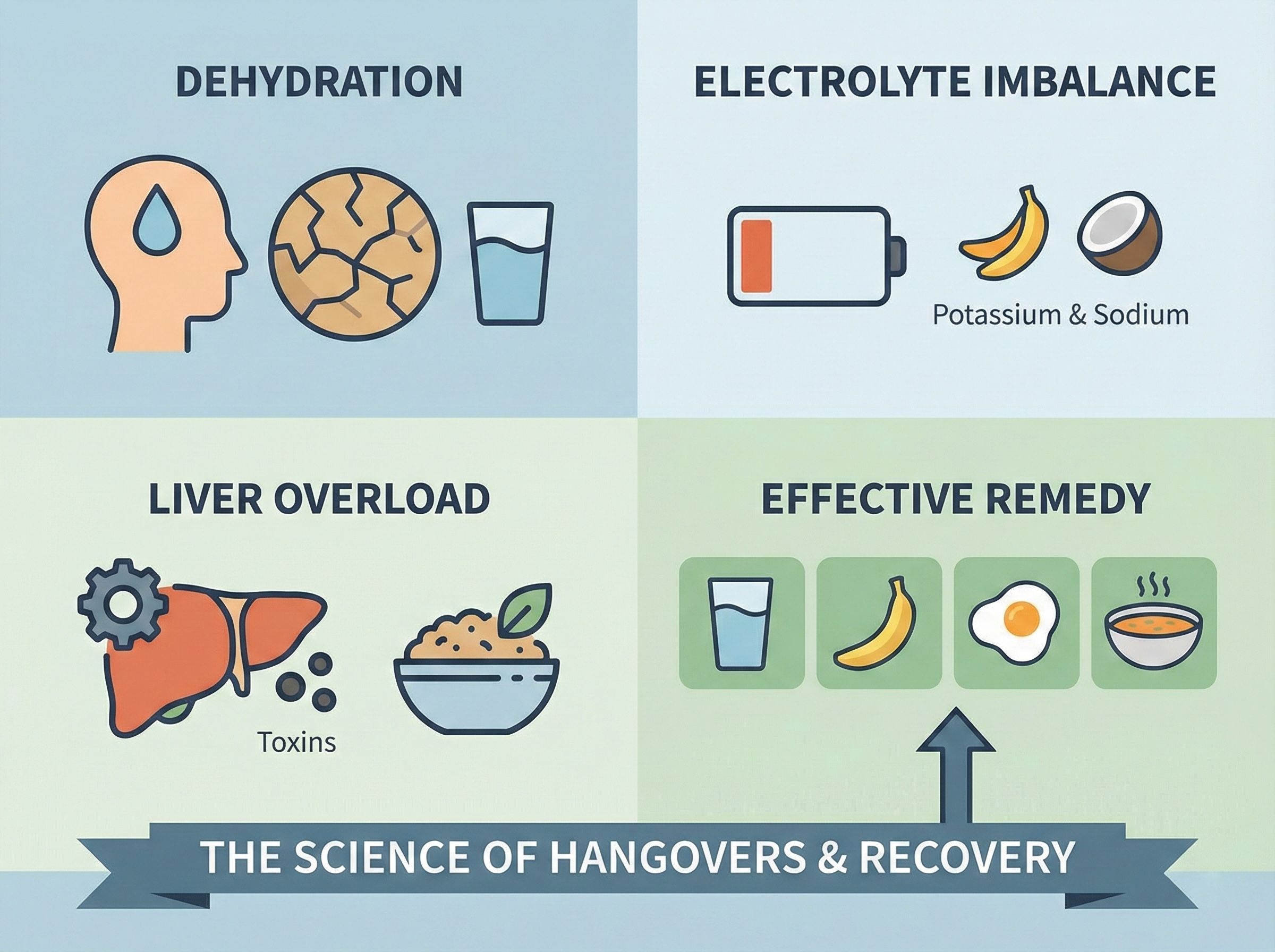
Before reaching for food, it helps to understand what is happening inside your body. A hangover is not one problem. It is at least five problems hitting you simultaneously.
1. Severe Dehydration
Alcohol is a diuretic. It suppresses antidiuretic hormone (ADH), which tells your kidneys to reabsorb water. With ADH suppressed, your kidneys dump water directly into your bladder. For every standard drink, you lose about 80 to 120 mL more fluid than you consume. After a night of heavy drinking, you could be running a deficit of over a liter.
This is why you wake up with a splitting headache, dry mouth, and fatigue. Your brain has literally shrunk slightly from fluid loss, pulling on the membranes around it. That is the headache.
2. Electrolyte Depletion
Along with all that water, your body flushes critical electrolytes: sodium, potassium, magnesium, and chloride. These minerals are essential for nerve signaling, muscle function, and maintaining blood pressure. When they are depleted, you feel weak, shaky, and your muscles may cramp.
A 2020 study in the journal Alcohol and Alcoholism found that potassium levels dropped significantly after alcohol consumption, correlating directly with the severity of hangover symptoms.
3. Blood Sugar Crash
Alcohol interferes with glucose production in the liver. While your liver is busy processing ethanol and its toxic byproduct acetaldehyde, it cannot perform its normal job of releasing stored glucose into your bloodstream. The result is low blood sugar, which triggers shakiness, brain fog, irritability, and weakness.
4. Toxic Acetaldehyde Buildup
When you drink, your liver converts alcohol into acetaldehyde, a compound 10 to 30 times more toxic than alcohol itself. Normally, the enzyme aldehyde dehydrogenase (ALDH) breaks this down quickly. But after heavy drinking, the system gets backed up, and acetaldehyde accumulates. This is what causes nausea, flushing, rapid heartbeat, and that overall "poisoned" feeling.
Your liver needs specific amino acids (especially cysteine and methionine) and antioxidants (glutathione, vitamin C) to clear acetaldehyde efficiently.
5. Inflammation and Immune Response
Alcohol triggers an inflammatory response similar to what happens when you are fighting an infection. Pro-inflammatory cytokines increase, which contributes to the body aches, fatigue, headache, and general malaise that make hangovers feel like a mild flu.
A 2023 review in the Journal of Clinical Medicine confirmed that systemic inflammation is a primary driver of hangover symptoms, not just dehydration as commonly believed.
What Your Body Needs: The 4 Pillars of Hangover Recovery
Based on the science, effective hangover recovery comes down to four things.
Hydration. Replacing the 1 to 2 liters of fluid you lost overnight.
Electrolytes. Restoring sodium, potassium, and magnesium.
Blood sugar stabilization. Slow-release carbohydrates to bring glucose back up without a spike-and-crash.
Liver support. Amino acids (cysteine, methionine), B-vitamins, and antioxidants to help clear acetaldehyde.
Any food that delivers on multiple pillars simultaneously is a top-tier hangover cure food. Foods that only hit one (like plain water or dry toast) help, but slowly.
15 Best Hangover Cure Foods (Ranked by Recovery Power)
Tier 1: The Heavy Hitters (Hit 3-4 Pillars)
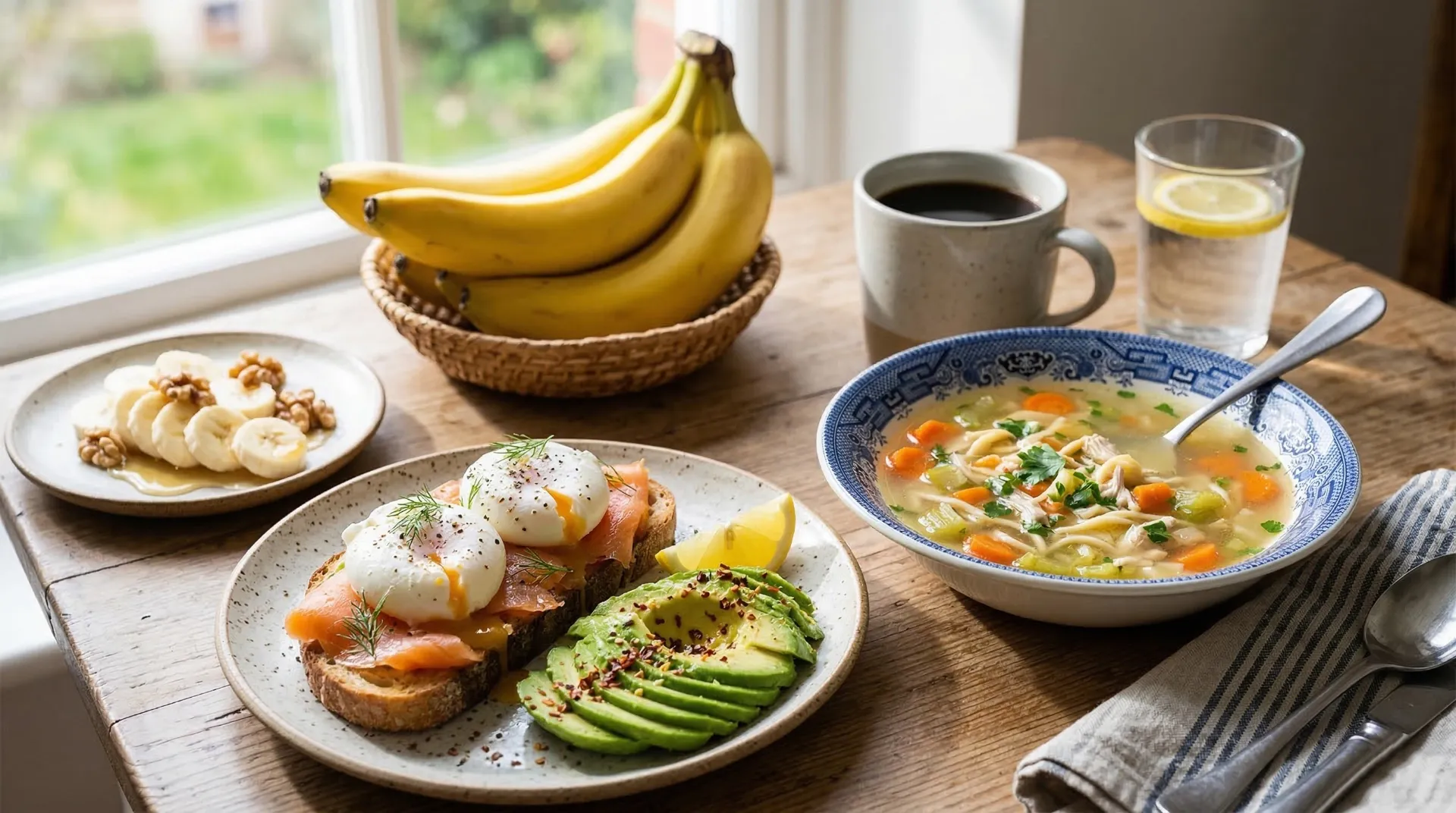
1. Eggs (Any Style) Eggs are the single best hangover food, full stop. They are rich in cysteine, the amino acid your liver needs to produce glutathione and break down acetaldehyde. They also provide high-quality protein that stabilizes blood sugar and B-vitamins (especially B12) that alcohol depletes.
An omelette loaded with vegetables hits hydration (vegetables are 80-95% water), electrolytes (potassium from vegetables), blood sugar (protein slows glucose release), and liver support (cysteine from eggs). That is all four pillars in one dish.
At Easy Health, the Morning Omelette (366 kcal, 28g protein, 3g carbs, 27g fat, 225 THB) is built for exactly this. High protein, almost zero carbs to avoid blood sugar swings, and the kind of simple, comforting food your body craves when it is struggling.
2. Broth-Based Soups Clear soups are hydration powerhouses. They deliver water, sodium, potassium, and easy-to-digest nutrients in a form that even the most nauseous stomach can usually handle. Thai tom jued (clear vegetable soup) is particularly effective because of the herbs and vegetables that add micronutrients without adding heaviness.
The Easy Health Tom Jued Soup (93 kcal, 14g protein, 6g carbs, 1g fat, 75 THB) is a hangover miracle at just 93 calories. The broth rehydrates, the vegetables provide electrolytes, and 14 grams of protein gives your liver the amino acids it needs. At 75 THB, it might be the cheapest hangover cure in Bangkok.
3. Bananas Bananas are nature's electrolyte supplement. One medium banana contains about 422 mg of potassium (roughly 9% of your daily needs), plus natural sugars for quick energy and fiber to slow absorption. They are also gentle on an upset stomach.
4. Salmon Rich in omega-3 fatty acids, which are powerful anti-inflammatories. Since inflammation is a primary driver of hangover symptoms, omega-3s directly target the root cause. Salmon also provides high-quality protein and B-vitamins.
5. Avocado Packed with potassium (even more than bananas at 485 mg per 100g), healthy monounsaturated fats that are gentle on the stomach, and fiber. Avocado also contains glutathione, the master antioxidant your liver uses to neutralize acetaldehyde.
Tier 2: Strong Recovery Foods (Hit 2-3 Pillars)
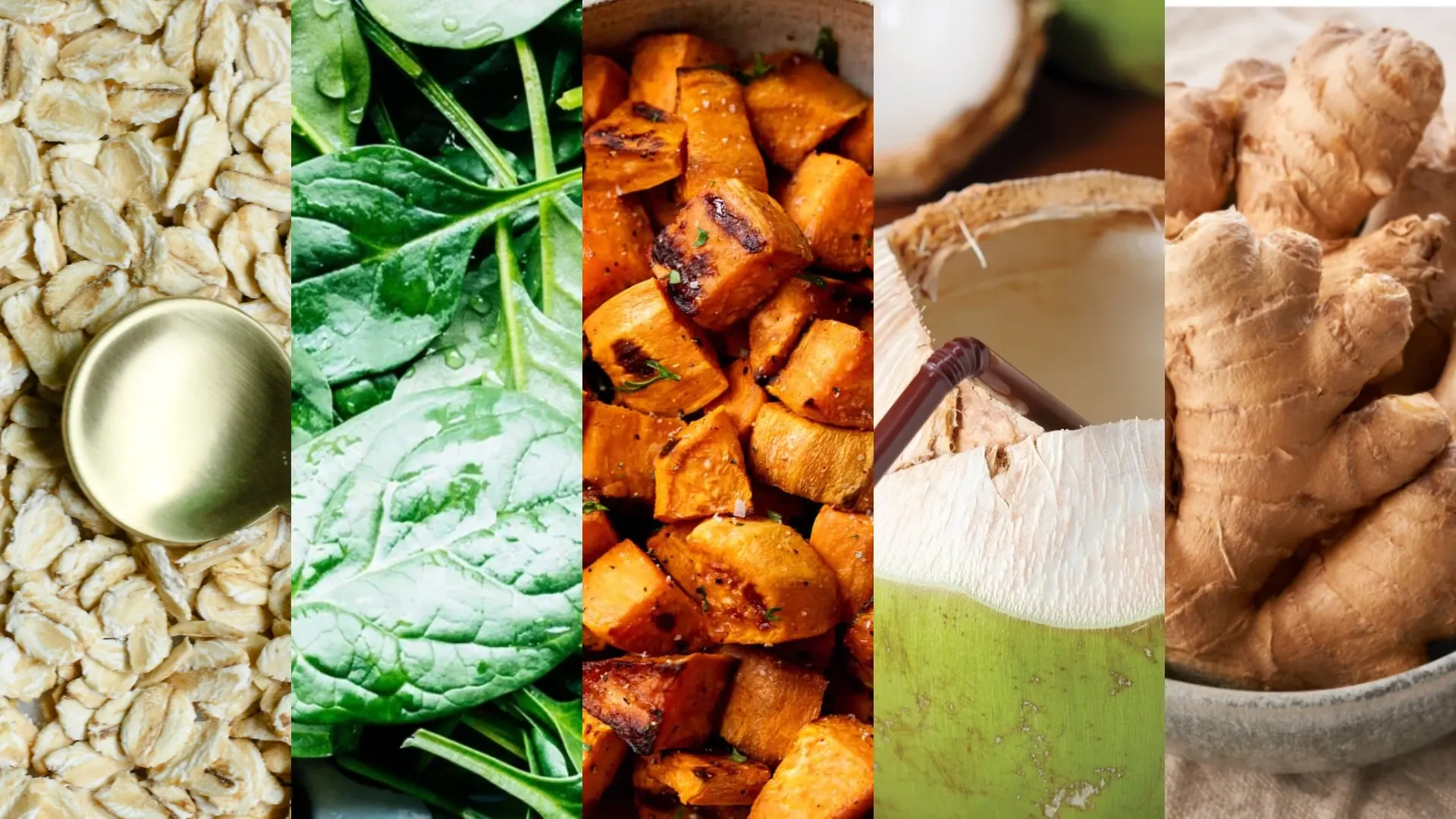
6. Oatmeal or Complex Carbohydrates Your blood sugar is in the gutter. Complex carbohydrates like oatmeal, brown rice, or riceberry rice bring it back up slowly and steadily, unlike white bread or sugary drinks that cause a spike followed by another crash. Oats also provide B-vitamins and magnesium.
7. Spinach and Leafy Greens Alcohol depletes folate and magnesium. Dark leafy greens restore both while adding fiber and hydration (spinach is about 91% water). A salad might not sound appealing when hungover, but wrapped in a savory wrap with protein, it becomes very palatable.
The Easy Health Phuket Wrap features spinach, quinoa, edamame, and chicken in a yellow curry sauce. The spinach restores folate and magnesium, the quinoa provides complete protein and complex carbs, and the curry sauce adds the warming comfort your body craves.
8. Sweet Potatoes and Pumpkin Both are excellent sources of potassium, complex carbohydrates, and beta-carotene (which converts to vitamin A, an antioxidant). They are also naturally sweet, satisfying sugar cravings without refined sugar. Pumpkin in particular is gentle on the stomach and provides comfort food warmth.
Easy Health's Pumpkin Soup (165 kcal, 4g protein, 14g carbs, 10g fat, 75 THB) combines the electrolyte-restoring properties of pumpkin with easy-to-digest warmth. At 165 calories, it will not overwhelm a sensitive stomach.
9. Coconut Water Nature's sports drink. Coconut water contains potassium, sodium, magnesium, and natural sugars in a ratio similar to what your body loses during dehydration. It is better than most commercial electrolyte drinks because it has no artificial colors, flavors, or excessive sugar.
10. Ginger Ginger has been used for centuries to combat nausea, and the science backs it up. A 2016 meta-analysis in Nutrients found that ginger significantly reduces nausea and vomiting across various conditions. For hangover nausea specifically, ginger tea or ginger in food can settle the stomach quickly.
Tier 3: Helpful Supporting Foods (Hit 1-2 Pillars)
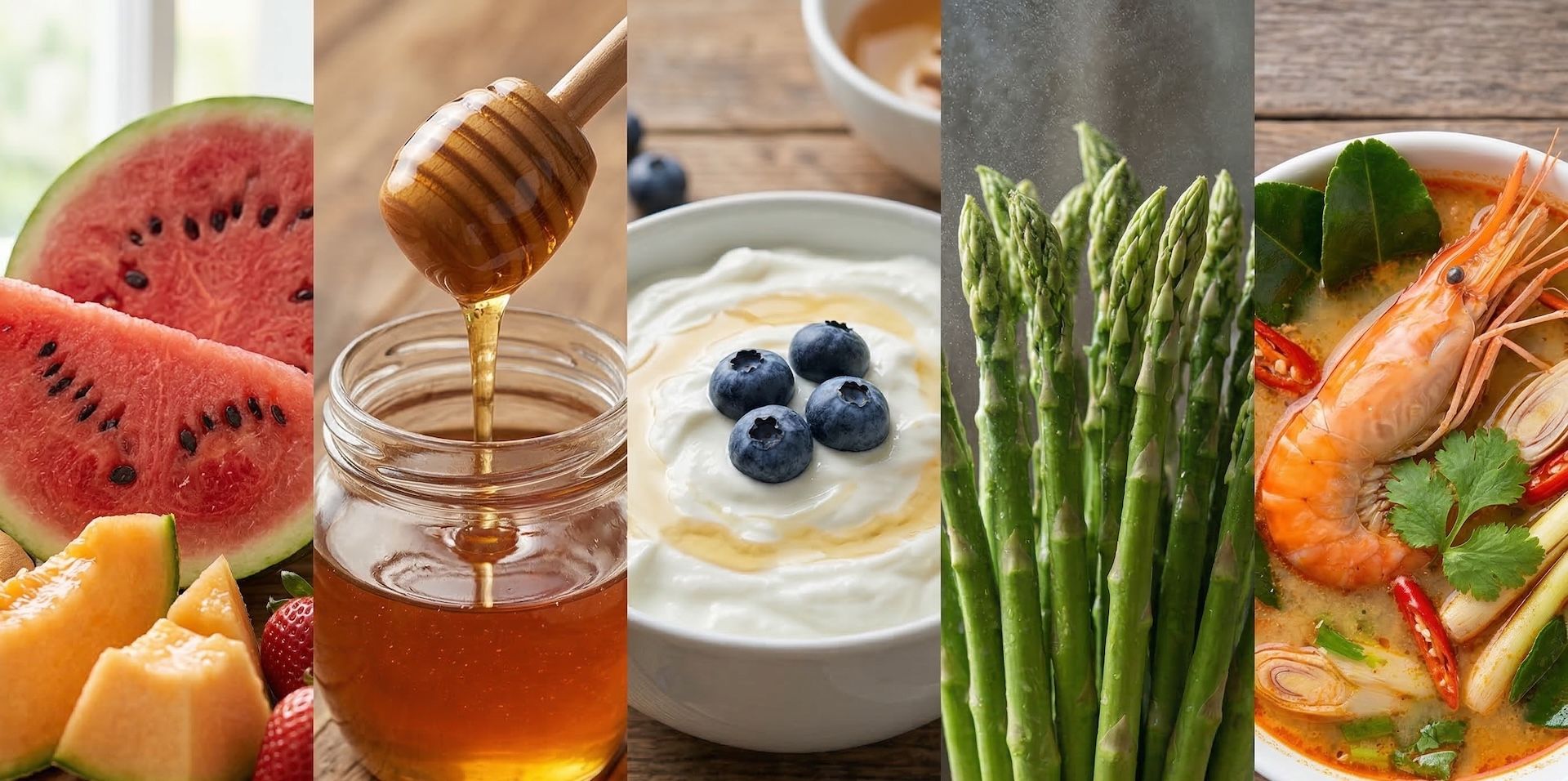
11. Watermelon and Water-Rich Fruits Watermelon is 92% water and contains citrulline, an amino acid that may improve blood flow. Other water-rich fruits like cucumber, grapes, and oranges also help with rehydration and provide natural sugars and vitamins.
12. Honey Contains fructose, which some research suggests may help metabolize alcohol faster. The National Headache Foundation has recommended honey as a hangover remedy. Drizzle it on toast, add it to tea, or pair it with yogurt.
13. Greek Yogurt High in protein, gentle on the stomach, and contains probiotics that support gut health, which alcohol disrupts significantly. The cool temperature also helps with nausea.
14. Asparagus A 2009 study in the Journal of Food Science found that asparagus extract increased the activity of two key liver enzymes responsible for metabolizing alcohol. While eating asparagus is different from taking concentrated extract, it still provides beneficial amino acids and minerals that support liver function.
15. Tom Yum Soup (Spicy Herbal Broth) The sour-spicy flavor profile of tom yum is not just delicious when hungover. It is functional. Lemongrass is a natural anti-inflammatory, galangal supports digestion, lime juice provides vitamin C (which supports glutathione production), and the spice from chilies stimulates circulation and can help "wake up" a sluggish system.
Easy Health's Wram Yum Wrap takes the tom yum flavor profile and puts it in a portable format with chicken, kale, avocado, and mushrooms. You get the hangover-fighting herbs plus protein and potassium from the avocado.
What NOT to Eat When Hungover (These Make It Worse)
Some popular "hangover cures" actually slow your recovery or make symptoms worse:
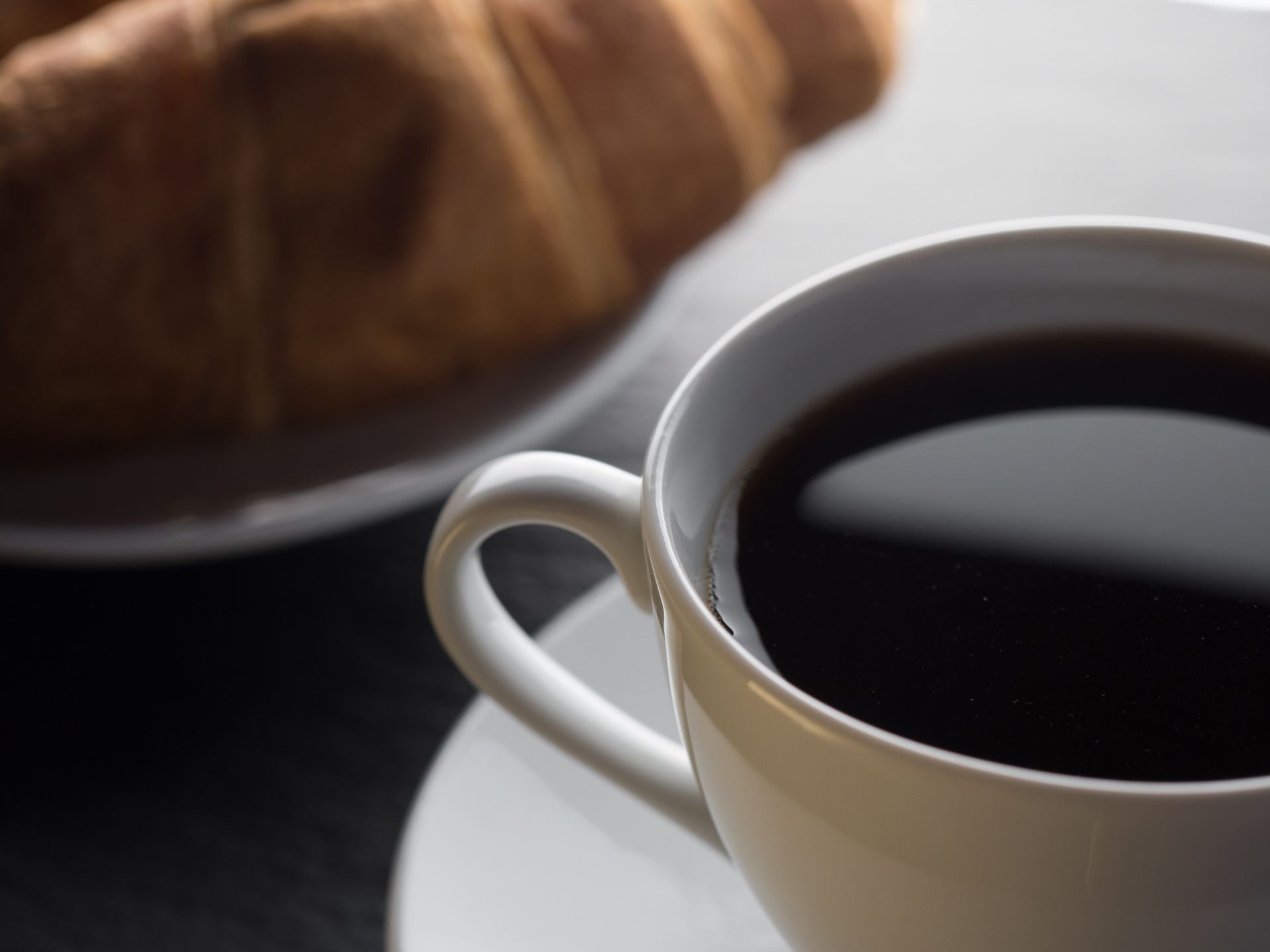
Strong black coffee. Caffeine is a diuretic. You are already severely dehydrated. Adding caffeine on top accelerates fluid loss and can intensify headaches. If you need caffeine, have it with a large glass of water and food, never on an empty stomach.
Greasy fried food. The "grease absorbs the alcohol" theory is a myth. By the time you are hungover, the alcohol is already in your bloodstream. Greasy food just adds a heavy load to your already-irritated stomach and can worsen nausea. Fatty foods like avocado and salmon are different because they provide functional fats (omega-3s, monounsaturated fats), not empty grease.
Sugary drinks and fruit juice. Orange juice seems healthy, but the high citric acid content can irritate an already-sensitive stomach. Sugary sodas and energy drinks cause a blood sugar spike followed by a crash, worsening the fatigue cycle. If you want fruit, eat whole fruit (which contains fiber to buffer the sugar) rather than juice.
"Hair of the Dog" (more alcohol). This is the worst advice in hangover culture. Drinking more alcohol temporarily masks symptoms by re-numbing your system, but it restarts the entire toxic cycle. Your liver now has to process even more acetaldehyde, and you will crash harder later. A 2019 study in Addiction found no evidence that continued alcohol consumption reduces hangover symptoms. It just delays and amplifies them.
Instant noodles and processed foods. The synthetic sodium and MSG in instant noodles can worsen bloating and water retention. They also provide almost zero nutritional value for liver recovery. You need real food with real amino acids, vitamins, and minerals.
The Hangover Recovery Meal Plan
Here is a practical timeline for what to eat from the moment you wake up hungover:
Immediately Upon Waking (7 to 8 AM)
Before food, drink 500 mL of water (about 2 glasses). If you have coconut water in the fridge, even better. Your first priority is rehydration.
First Meal: 30-60 Minutes After Waking
Start gentle. If nausea is severe, go with broth:
Option A (mild nausea): Tom Jued Soup (93 kcal, 14g protein, 75 THB) with a banana
Option B (feeling okay): Morning Omelette (366 kcal, 28g protein, 225 THB) with water
The soup option gives you hydration, electrolytes, and protein in the gentlest form possible. The omelette option is more substantial and delivers cysteine for liver support.
Second Meal: 3-4 Hours Later (Lunch)
By now your stomach should be settling. Go for something more substantial:
Option A: Pad Thai (615 kcal, 39g protein, 135 THB) with papaya noodles for steady energy
Option B: Phuket Wrap with spinach, quinoa, and chicken for folate, magnesium, and complete protein
Afternoon Snack
Pumpkin Soup (165 kcal, 4g protein, 75 THB) for continued hydration and electrolytes
Or Acai Berry Bowl (413 kcal, 16g protein, 275 THB) for antioxidants and natural sugars
Evening Recovery Check
By dinner, you should be feeling significantly better. A balanced meal with protein, complex carbs, and vegetables completes the recovery. The key is to keep eating throughout the day rather than trying to "fix" everything in one massive meal.
Full day recovery total (gentle route): Tom Jued + banana + Pad Thai + Pumpkin Soup = approximately 950 kcal, 60+ g protein, under 400 THB
Full day recovery total (substantial route): Morning Omelette + Phuket Wrap + Acai Berry Bowl = approximately 1,200+ kcal, 70+ g protein
Both approaches prioritize the four recovery pillars: hydration, electrolytes, blood sugar stabilization, and liver support.
Prevention: How to Reduce Hangover Severity Before It Starts
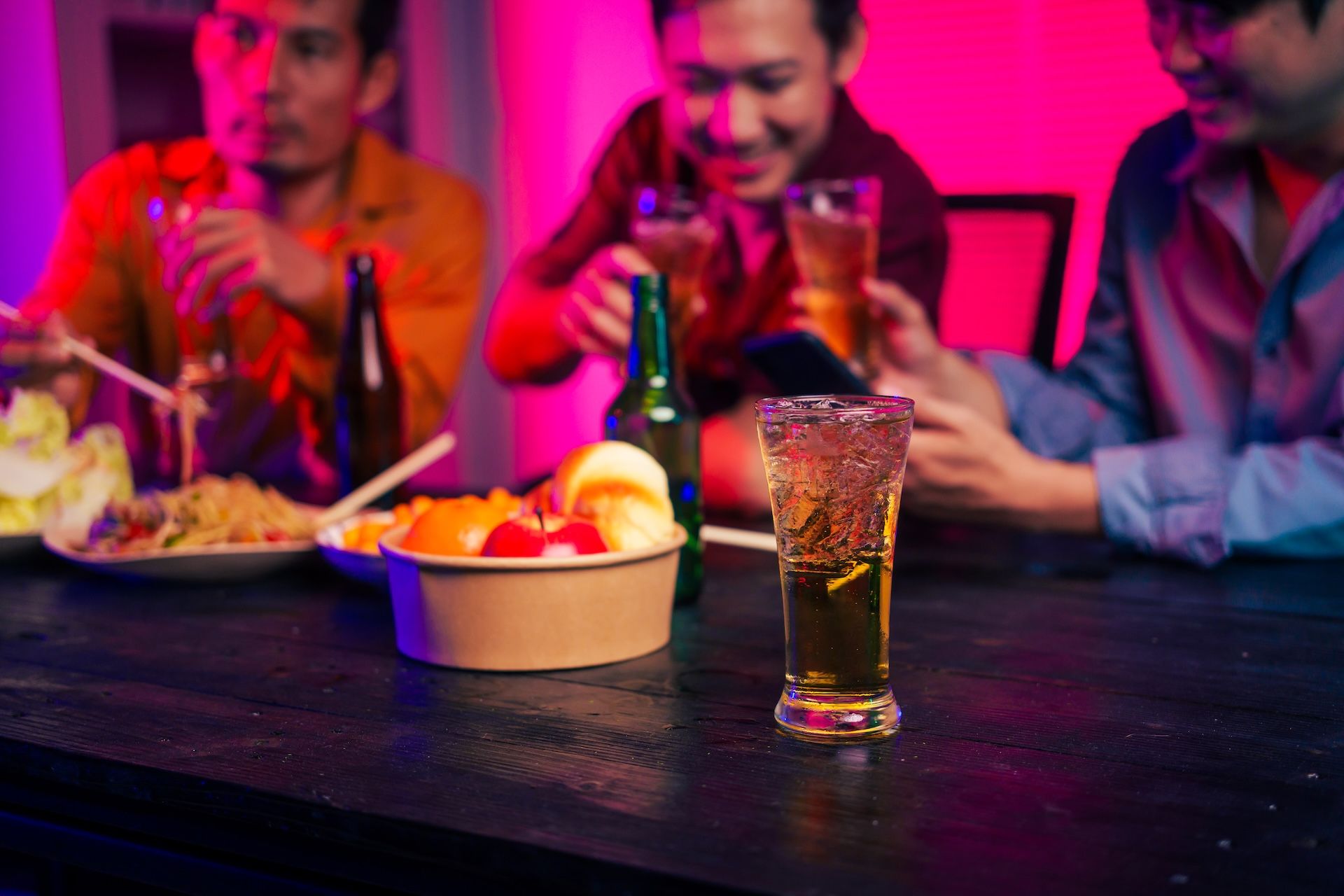
The best hangover cure is prevention. While you cannot eliminate hangovers completely (short of not drinking), you can significantly reduce their severity:
Eat before drinking. A meal with protein, fat, and complex carbs slows alcohol absorption dramatically. The alcohol enters your bloodstream more gradually, giving your liver time to keep up. An Easy Health dinner before a night out is an investment in tomorrow morning.
Alternate alcohol with water. The simplest and most effective strategy. One drink, one glass of water. This cuts your fluid deficit roughly in half and slows your drinking pace.
Choose lighter-colored drinks. Darker alcoholic beverages (whiskey, red wine, dark rum) contain higher levels of congeners, which are fermentation byproducts that contribute to hangover severity. Clear drinks (vodka, gin, white wine) have fewer congeners.
Pre-order your recovery meal. If you know a big night is coming, order your hangover cure food in advance through the Easy Health app. Schedule delivery for the morning after. It sounds extreme, but having the right food ready when you wake up eliminates the worst part of a hangover: dragging yourself out to find something to eat.
Why Real Food Beats "Hangover Cures"
The hangover supplement industry is massive. Pills, powders, patches, IV drips. Most of them are expensive placebos. A 2020 systematic review in Addiction found that no single supplement has strong enough evidence to be considered a reliable hangover cure.
What does work? The boring answer: water, electrolytes, protein, and time. Real food delivers all of these in a form your body is designed to process.
The advantage of getting your hangover recovery from actual meals (rather than pills or drinks) is that food provides a complete nutritional package. An egg does not just give you cysteine. It also gives you B12, protein for blood sugar stability, fat for satiety, and choline for liver function. A bowl of tom jued does not just hydrate. It also provides sodium, potassium, protein, vitamins from the vegetables, and the comforting warmth that makes you feel human again.
This is why hangover cure foods are more effective than any supplement: they address multiple recovery pathways simultaneously.
Easy Health: Your Hangover Recovery Kitchen
At Easy Health, every dish is built on the same principles that make effective hangover recovery food: fresh, real ingredients with no MSG, no artificial preservatives, and no refined sugar. Here is what makes it work:
Full macro transparency on every dish, so you know exactly what nutrients you are replenishing
Zero MSG, zero artificial preservatives in a time when your liver is already overloaded, the last thing it needs is more chemicals to process
Fresh daily preparation because nutrient density peaks when food is freshly prepared, not reheated from frozen
160+ menu items with options ranging from gentle soups (75 THB) to substantial recovery meals, whatever your stomach can handle
When you are hungover, cooking is out of the question. Leaving the house feels impossible. Having clean, nutrient-dense food delivered to your door is not a luxury. It is the difference between recovering in 4 hours versus 12.
Browse the full recovery-friendly menu at easyhealth.asia/menu or set up a meal plan so balanced food is in your fridge by default. If you live near a branch in Bangkok or Pattaya, delivery typically arrives within 30 to 45 minutes.
FAQ: Hangover Questions Bangkok Locals Ask
How long does a typical hangover last?
Most hangovers peak around 12 to 14 hours after your blood alcohol level returns to zero and resolve within 24 hours. However, proper nutrition can cut recovery time significantly. Eating the right hangover cure foods within the first few hours addresses the root causes (dehydration, electrolyte depletion, low blood sugar, acetaldehyde buildup) rather than just masking symptoms.
Is it better to eat before or after drinking to prevent a hangover?
Both, but eating before is more impactful. A substantial meal before drinking slows alcohol absorption by up to 75%, giving your liver more time to process each drink. Eating after drinking (or the morning after) focuses on recovery rather than prevention. Ideally, do both.
Can I drink coffee when hungover?
In moderation, and never on an empty stomach. Caffeine is a diuretic that can worsen dehydration. If you need coffee, have it alongside a large glass of water and food. A better option is to get your alertness from protein-rich food and hydration, which address the actual cause of your fatigue.
Are hangover IV drips in Bangkok worth the money?
IV drips, which have become popular at Bangkok wellness clinics and even some condo concierge services, deliver fluids and electrolytes directly into your bloodstream. They can help with dehydration. However, they cost 1,500 to 3,000+ THB per session and only address one pillar of recovery. For the same price, you could get multiple days of nutrient-dense meals that cover all four recovery pillars (hydration, electrolytes, blood sugar, liver support). Unless you are severely dehydrated to the point of medical concern, food and water are more cost-effective.
What is the single best food for a hangover?
Eggs. They contain cysteine (the amino acid your liver needs to break down acetaldehyde), B12 (depleted by alcohol), high-quality protein (stabilizes blood sugar), and are easy to prepare and digest. An omelette with vegetables is even better because the vegetables add hydration, electrolytes, and additional vitamins.
Should I force myself to eat if I feel too nauseous?
Do not force solid food. Start with small sips of water or coconut water, then try broth-based soup (like tom jued at just 93 kcal). The warmth and gentle protein are usually tolerable even when nauseous. Once the soup settles (usually 30 to 60 minutes), you can move to more substantial food. Ginger in any form (tea, raw, or in food) can also help reduce nausea.
Why do hangovers feel worse in Bangkok than back home?
Three reasons. First, the heat speeds up dehydration even after you stop drinking. Second, Thai bars and clubs often close at 2 to 5 AM, so the time between last drink and waking up is shorter, meaning less time for your body to process alcohol. Third, mixed drinks at many Thai bars contain more sugar than equivalent drinks in other countries, which deepens the next-day blood sugar crash. The fix is more water during the night, electrolyte-rich food in the morning, and avoiding the temptation to "sweat it out" in the gym before you have rehydrated.
Download the Easy Health App
The easiest way to have hangover recovery food ready when you need it most. Pre-order the night before or order the moment you wake up.
Full macro transparency · Every dish shows calories, protein, carbs, and fat
Flexible meal plans · Choose from Lean, Balance, Active, Athlete, Keto, or Vegetarian
Daily fresh preparation · Never frozen, cooked fresh every morning
Easy ordering · Browse, customize, and order in under 2 minutes
Download for Android: play.google.com/store/apps/details?id=com.easyHealth.app
Download for iOS: apps.apple.com/th/app/easy-health/id6667109383
References and Further Reading
Verster, J.C., et al. (2020). "The Alcohol Hangover Research Group: Ten Years of Progress in Understanding the Pathology of the Alcohol Hangover." Alcohol and Alcoholism, 55(4), 375-380. https://pubmed.ncbi.nlm.nih.gov/32400853/
Van de Loo, A.J.A.E., et al. (2023). "The Inflammatory Response to Alcohol Consumption and Its Role in the Pathology of Alcohol Hangover." Journal of Clinical Medicine, 12(5), 1920. https://pubmed.ncbi.nlm.nih.gov/36902723/
Jayawardena, R., et al. (2017). "Interventions for treatment and/or prevention of alcohol hangover: Systematic review." Human Psychopharmacology, 32(5). https://pubmed.ncbi.nlm.nih.gov/28983467/
Kim, B.Y., et al. (2009). "Effects of asparagus officinalis extracts on liver cell toxicity and ethanol metabolism." Journal of Food Science, 74(7), H204-H208. https://pubmed.ncbi.nlm.nih.gov/19799672/
Mayo Clinic. (2024). "Hangovers: Symptoms and causes." https://www.mayoclinic.org/diseases-conditions/hangovers/symptoms-causes/syc-20373012
Harvard Health Publishing. (2024). "7 steps to cure your hangover." https://www.health.harvard.edu/staying-healthy/7-steps-to-cure-your-hangover