
Gut Health 101: How What You Eat Affects Everything from Weight to Mood to Skin
There is a conversation happening inside your body right now that you cannot hear. Trillions of bacteria, fungi, and viruses living in your digestive tract are communicating with your brain, your immune system, your skin, and your hormones. They are influencing whether you feel anxious or calm, whether you store fat or burn it, whether your skin breaks out or glows, and whether you catch every cold that passes through the office or barely notice it.
This is your gut microbiome, and it is arguably the most underappreciated organ system in your body. Not because it lacks importance, but because most people do not realise that the bloating, the brain fog, the stubborn weight around the midsection, the skin problems, and the low energy they have accepted as "normal" might all trace back to the same root cause: an unhealthy gut.
The science is no longer speculative. Over the past decade, research into the gut microbiome has exploded, with studies published in journals like Nature, Cell, and The Lancet revealing that gut bacteria influence virtually every aspect of human health. A landmark 2019 study in Nature Medicine (Valdes et al., DOI: 10.1038/s41591-019-0439-x) demonstrated that the composition of gut bacteria is a stronger predictor of metabolic health than genetics.
This guide breaks down the science of gut health into practical terms: what the microbiome actually is, how it connects to weight, mood, skin, and immunity, which foods feed good bacteria, which foods destroy them, and what you can start eating today to make a measurable difference.
What Is the Gut Microbiome? (And Why Should You Care?)
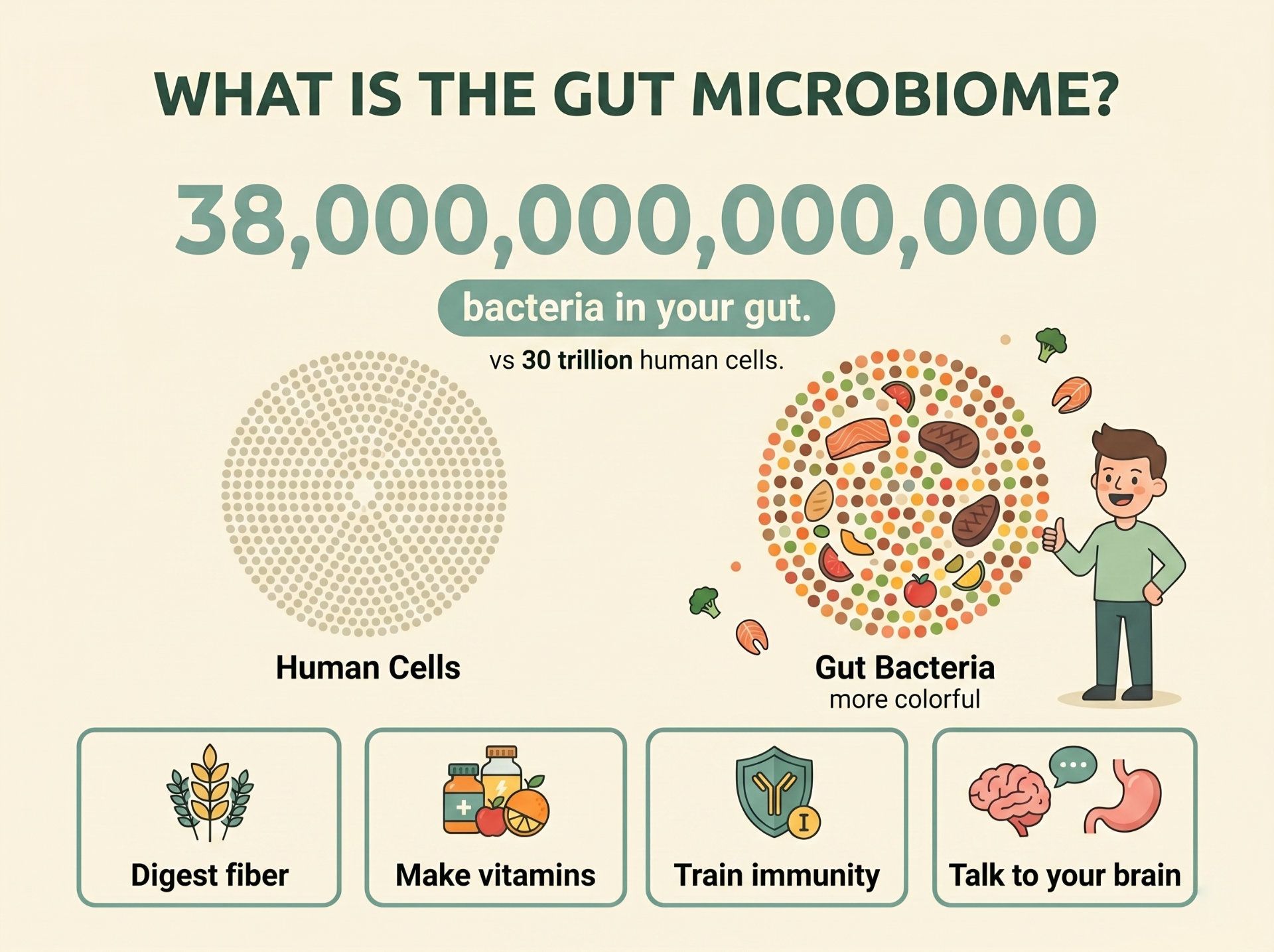
Your gut microbiome is the collective community of approximately 38 trillion microorganisms living primarily in your large intestine. To put that in perspective, you have roughly 30 trillion human cells. The bacteria in your gut outnumber the cells that make up "you."
This is not an infection. It is a partnership that evolved over millions of years. These bacteria perform functions that your human cells cannot:
They digest food your body cannot. Complex plant fibres (prebiotics) pass through your stomach and small intestine undigested. Gut bacteria in your colon ferment these fibres into short-chain fatty acids (SCFAs), particularly butyrate, propionate, and acetate, which are critical for colon health, inflammation control, and metabolism.
They produce essential vitamins. Gut bacteria synthesise vitamin K, several B vitamins (B12, folate, thiamine), and other micronutrients that your body needs but cannot produce on its own.
They train your immune system. Approximately 70% of your immune system resides in the gut-associated lymphoid tissue (GALT). Gut bacteria help your immune system distinguish between harmless substances (food, commensal bacteria) and genuine threats (pathogens). When this training fails, the result is chronic inflammation, autoimmune conditions, or allergies.
They communicate with your brain. The gut-brain axis is a bidirectional communication highway connecting your enteric nervous system (the "second brain" in your gut, with over 500 million neurons) to your central nervous system via the vagus nerve, immune signalling, and microbial metabolites.
Diversity Is Everything
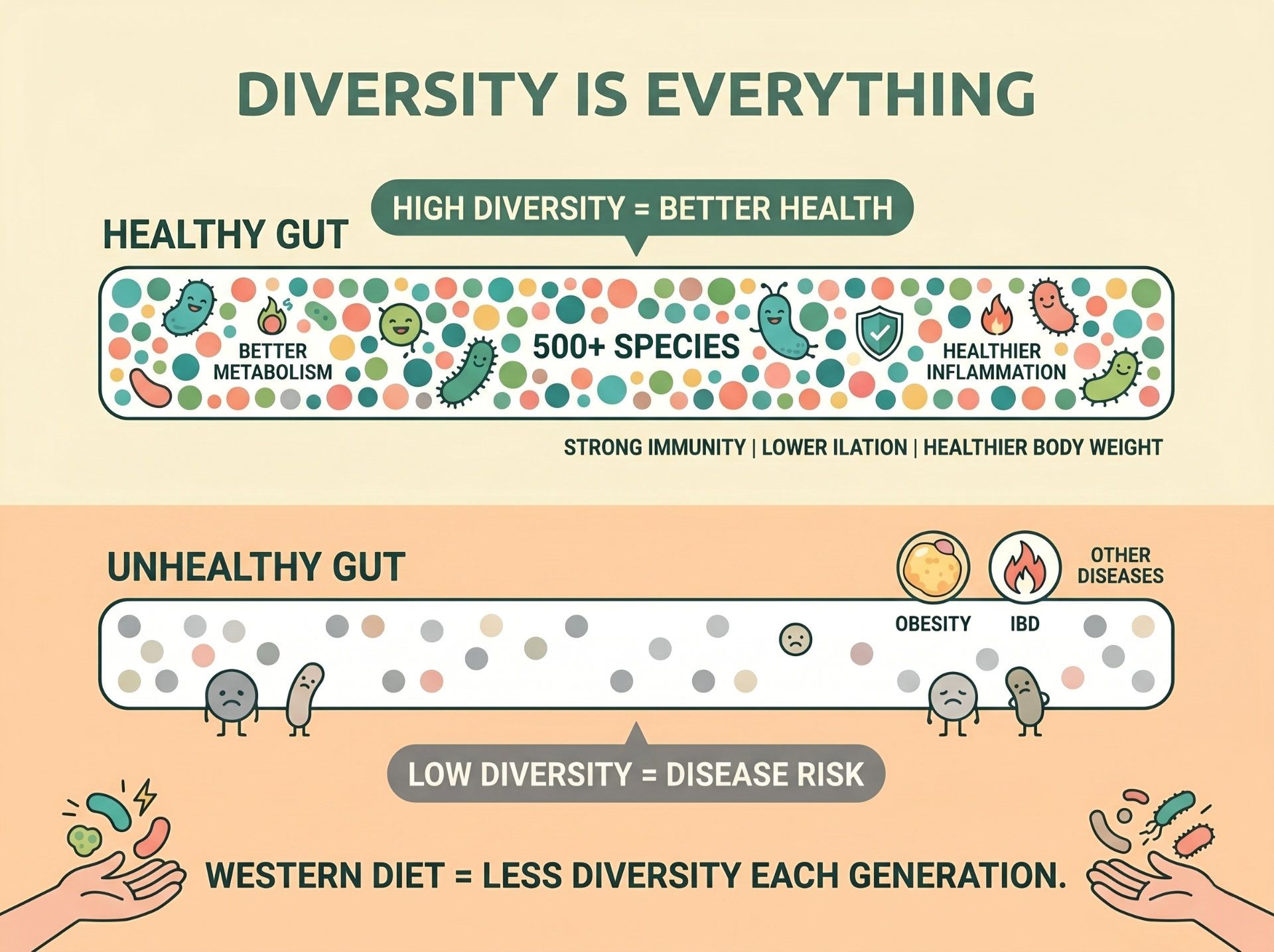
The single most important measure of gut health is microbial diversity: the number of different bacterial species in your microbiome. Research consistently shows that higher diversity is associated with better metabolic health, stronger immunity, lower inflammation, and healthier body weight. Lower diversity is associated with obesity, inflammatory bowel disease, type 2 diabetes, depression, and allergies.
A 2018 study in Science (Sonnenburg & Sonnenburg, DOI: 10.1126/science.aau5812) found that the Western diet, characterised by low fibre, high sugar, and high processed food intake, has progressively reduced gut microbial diversity across generations. Each generation inherits a less diverse microbiome than the previous one, and some bacterial species, once lost, cannot be recovered.
The good news: you can significantly increase your microbial diversity through diet changes alone, and the effects begin within days, not months.
How Your Gut Affects Your Weight
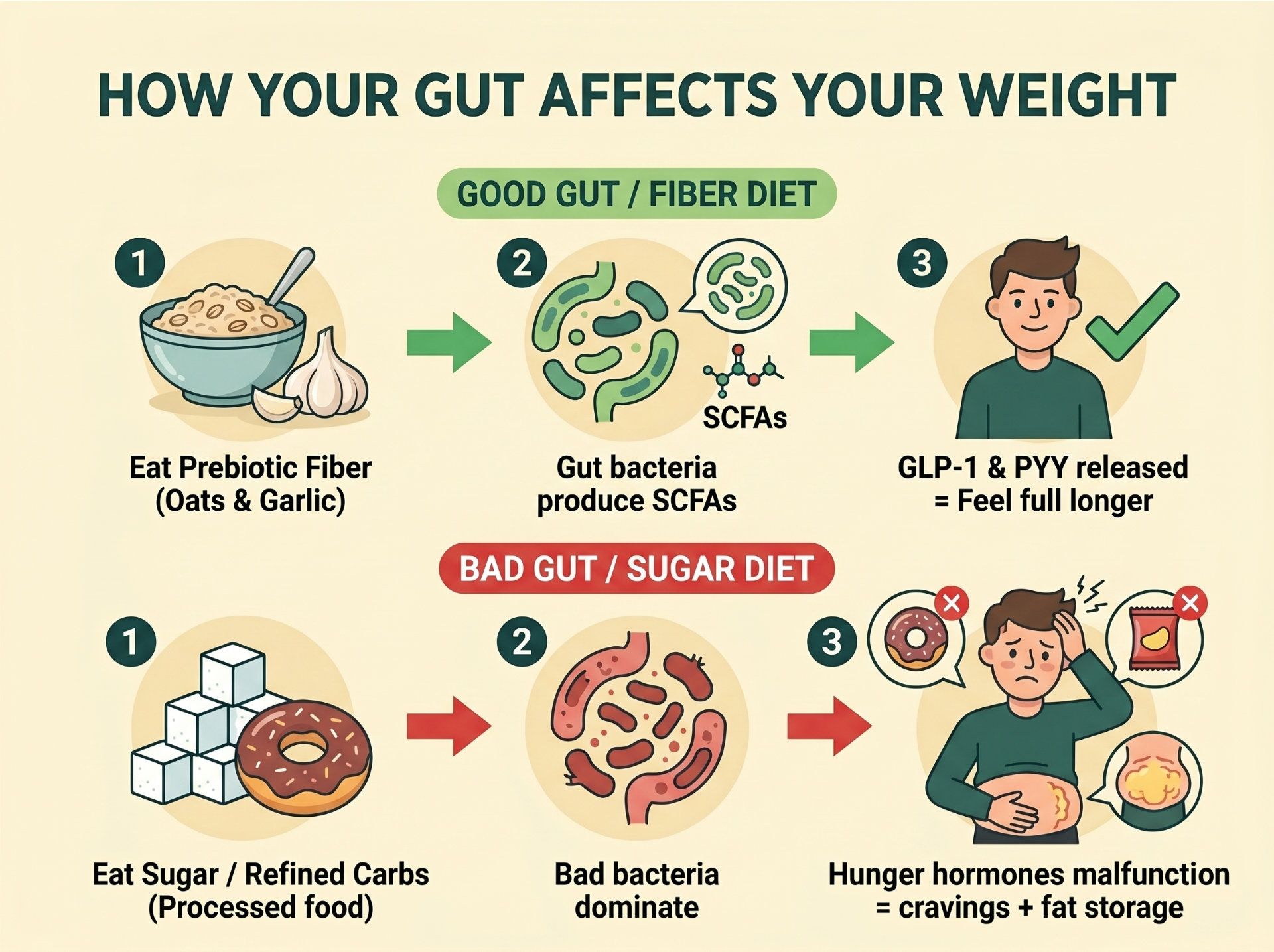
If you have ever struggled to lose weight despite eating less and exercising more, your gut microbiome might be the missing variable.
The Firmicutes-to-Bacteroidetes Ratio
Research published in Nature (Ley et al., 2006) first identified that obese individuals have a significantly different ratio of two dominant bacterial phyla: higher Firmicutes and lower Bacteroidetes compared to lean individuals. Firmicutes bacteria are more efficient at extracting calories from food, meaning that two people eating an identical meal may absorb different amounts of energy based on their gut composition.
A 2013 landmark study in Science (Ridaura et al., DOI: 10.1126/science.1241214) went further: when gut bacteria from obese humans were transplanted into germ-free mice, the mice gained significantly more fat than those receiving bacteria from lean humans, despite eating the same diet. The bacteria themselves determined whether the mice stored or burned calories.
Gut Bacteria and Appetite Regulation
Your gut bacteria produce metabolites that directly influence hunger and satiety hormones:
Short-chain fatty acids (SCFAs) stimulate the release of GLP-1 and PYY, hormones that reduce appetite and increase feelings of fullness
Certain bacteria produce neurotransmitters (GABA, serotonin, dopamine) that influence cravings and reward-seeking behaviour related to food
Bacterial endotoxins (lipopolysaccharides) from an unhealthy gut trigger low-grade chronic inflammation, which disrupts insulin signalling and promotes fat storage
What This Means Practically
If your gut microbiome is imbalanced (a condition called dysbiosis), you may experience: stronger sugar and carb cravings, feeling hungry soon after eating adequate meals, difficulty losing fat particularly around the abdomen, and a tendency to gain weight more easily than others eating similar diets.
Fixing the gut does not replace calorie management, but it makes calorie management dramatically more effective by normalising appetite signals, reducing inflammation-driven fat storage, and improving nutrient absorption.
The Gut-Brain Connection: How Bacteria Influence Your Mood
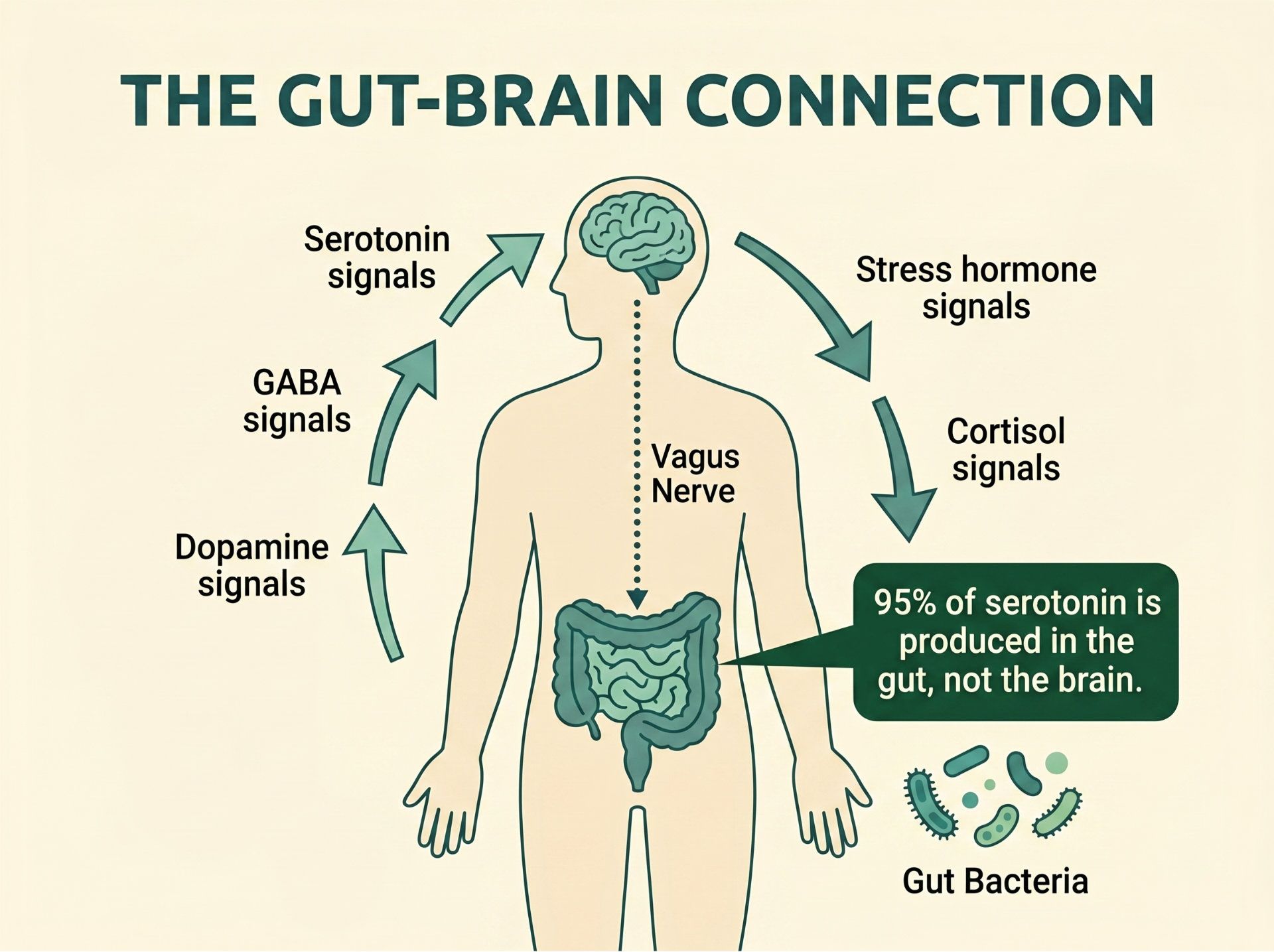
The connection between gut health and mental health is one of the most significant discoveries in modern neuroscience.
The Vagus Nerve Highway
The vagus nerve is the longest cranial nerve in your body, running from your brainstem to your colon. It carries information in both directions: brain to gut and gut to brain. Research published in Psychiatry Research (Foster & McVey Neufeld, 2013, DOI: 10.1016/j.psychres.2013.06.025) found that gut bacteria can influence vagus nerve signalling, directly affecting mood, anxiety, and stress responses.
Serotonin: The Gut's Secret Weapon
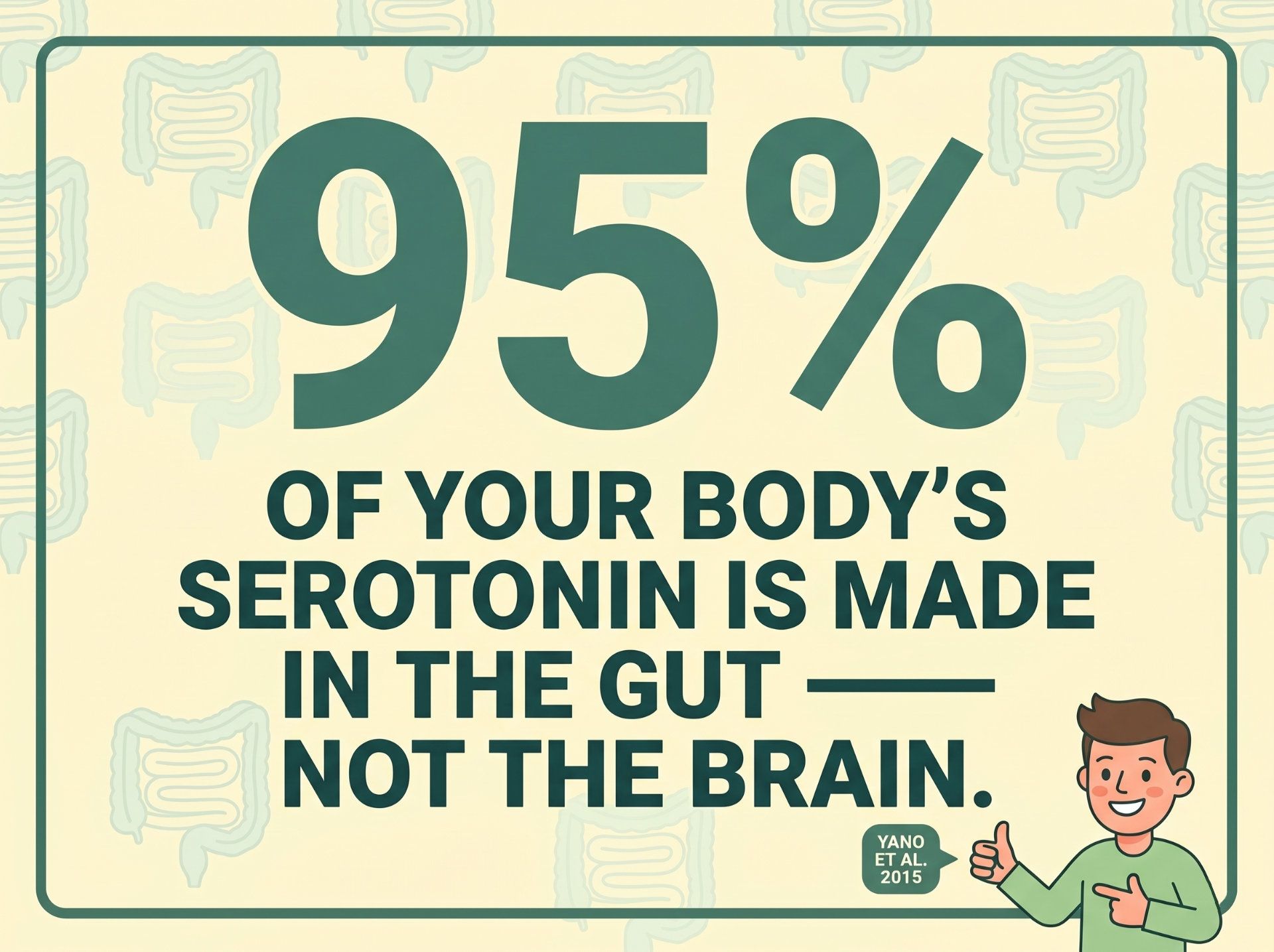
Here is a fact that surprises most people: approximately 95% of your body's serotonin (the "happiness" neurotransmitter) is produced in the gut, not the brain. Gut bacteria play a direct role in serotonin synthesis. A 2015 study in Cell (Yano et al., DOI: 10.1016/j.cell.2015.02.047) demonstrated that specific gut bacteria (particularly spore-forming bacteria) stimulate enterochromaffin cells in the gut to produce serotonin.
When gut bacteria are depleted or imbalanced, serotonin production can decrease, contributing to low mood, anxiety, irritability, and poor sleep (since serotonin is a precursor to melatonin).
Psychobiotics: The New Frontier
The term "psychobiotics" refers to probiotics that confer mental health benefits. A 2019 meta-analysis in BMJ Nutrition, Prevention & Health found that probiotic supplementation significantly reduced symptoms of depression and anxiety across multiple randomised controlled trials. The most studied strains include Lactobacillus rhamnosus, Bifidobacterium longum, and Lactobacillus helveticus.
While probiotic supplements show promise, the most effective approach is feeding your existing gut bacteria with prebiotic fibre from whole foods, which we will cover in detail below.
Gut Health and Skin: The Gut-Skin Axis
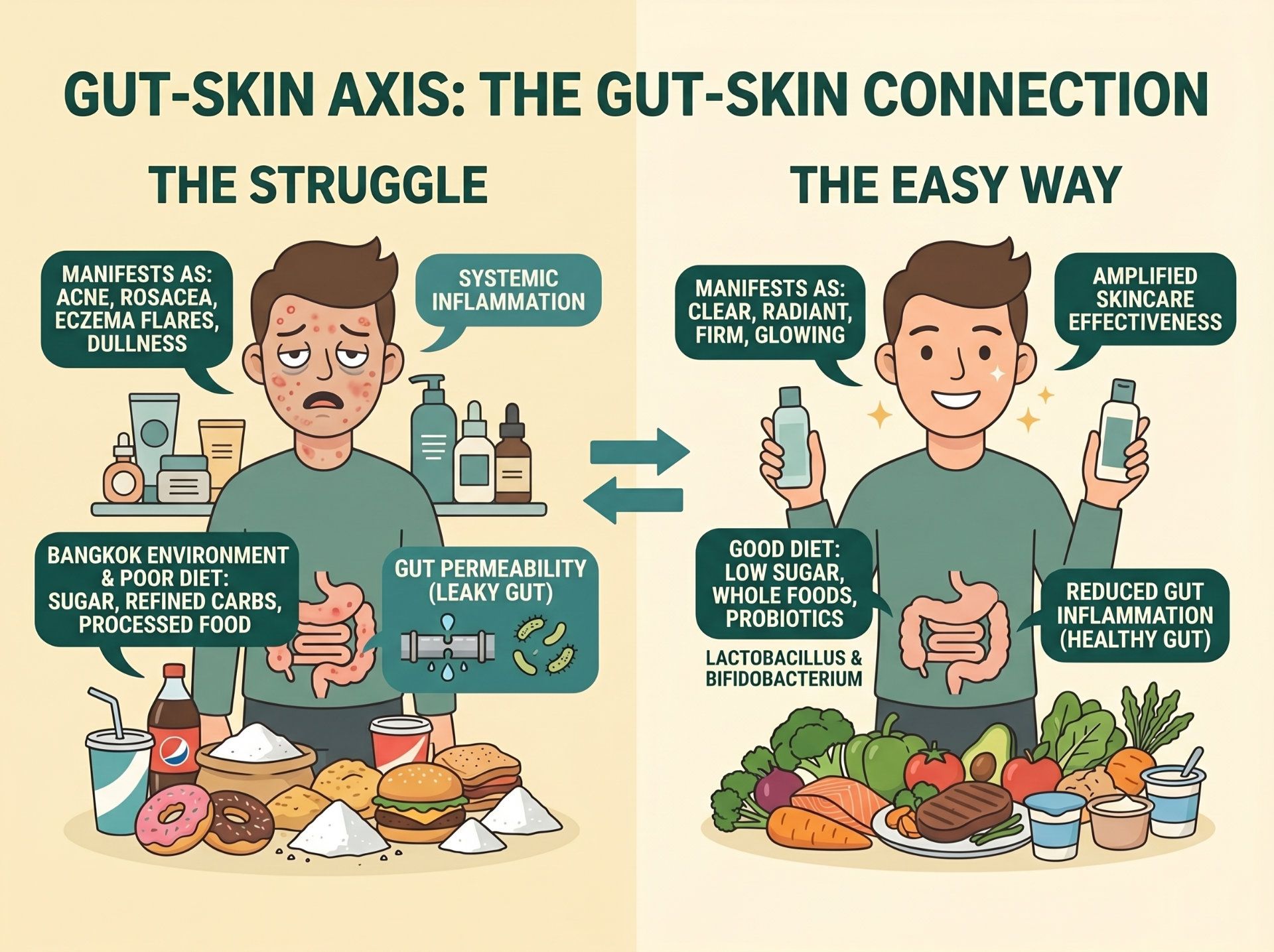
If you have been battling acne, eczema, rosacea, or dull skin, the answer might not be in your skincare routine. It might be in your digestive system.
How Gut Inflammation Shows Up on Your Skin
The gut-skin axis describes the bidirectional communication between gut bacteria and skin health. When gut permeability increases (sometimes called "leaky gut"), bacterial endotoxins enter the bloodstream and trigger systemic inflammation. This inflammation manifests on the skin as acne, eczema flares, rosacea, premature ageing, and dullness.
A 2021 review in Microorganisms (DOI: 10.3390/microorganisms9020353) found that patients with acne vulgaris had significantly different gut microbiome compositions compared to clear-skinned controls, with reduced levels of Lactobacillus and Bifidobacterium species.
The Practical Connection
In Bangkok's environment (heat, humidity, pollution, stress), skin problems are extremely common. Many people invest thousands of baht monthly on skincare products while eating a diet of refined carbs, sugar, and processed food that actively undermines skin health from the inside. Addressing gut health will not replace good skincare, but it can dramatically amplify its effectiveness.
Foods That Heal Your Gut (The "Feed" List)
Your gut bacteria eat what you eat. Every meal is either feeding beneficial bacteria (which produce anti-inflammatory compounds, vitamins, and neurotransmitters) or feeding harmful bacteria (which produce inflammatory toxins, gas, and metabolic waste).
Prebiotic Foods (Food for Good Bacteria)
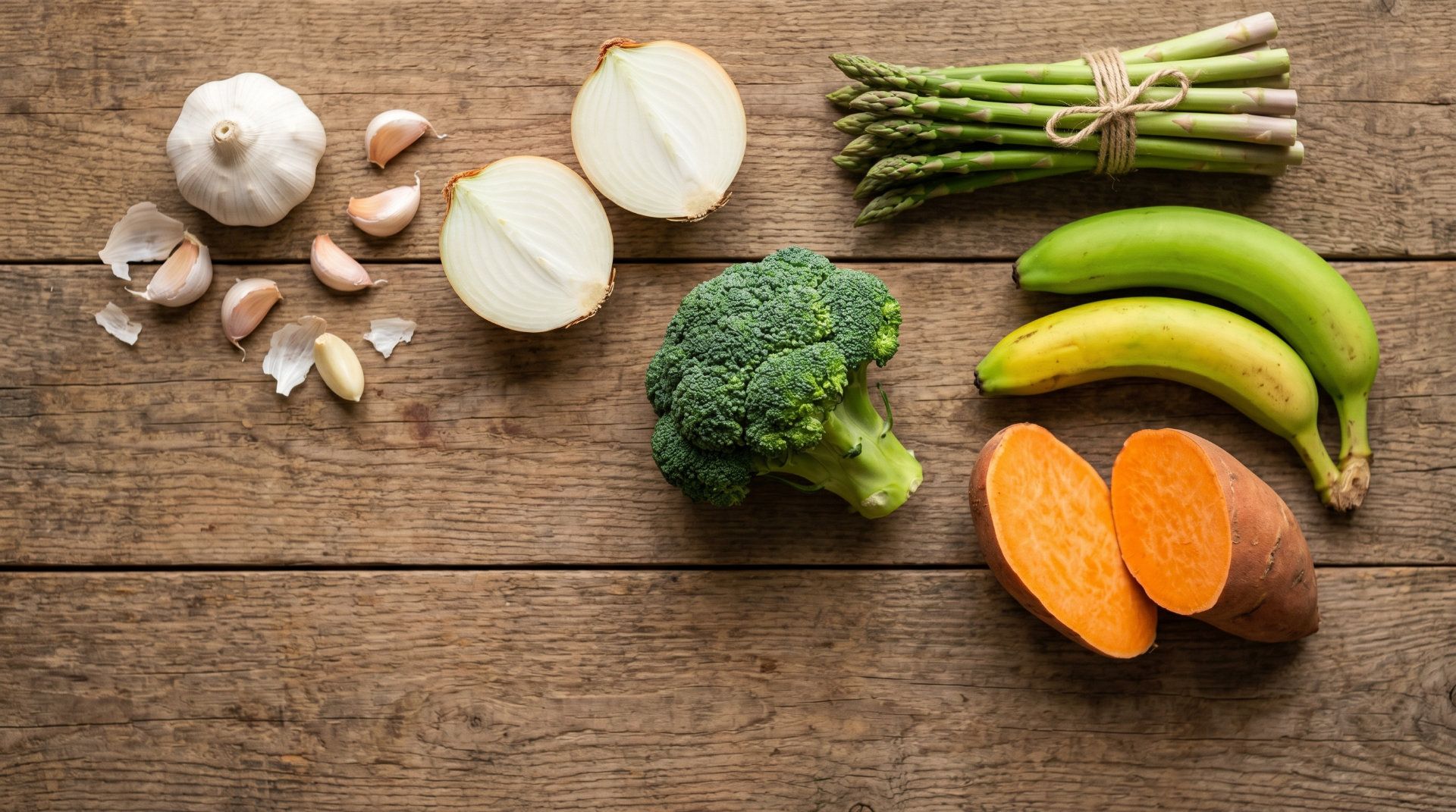
Prebiotics are non-digestible fibres that selectively feed beneficial gut bacteria. They are arguably more important than probiotics because they sustain the bacteria already in your gut:
Garlic and onions: Rich in inulin and fructo-oligosaccharides (FOS). Thai cooking uses both extensively, which is one advantage of traditional Thai cuisine for gut health.
Asparagus: One of the richest sources of prebiotic inulin
Bananas (slightly green): Contain resistant starch that feeds beneficial bacteria. Ripe bananas have less resistant starch and more sugar.
Oats: Beta-glucan fibre is a potent prebiotic
Cruciferous vegetables: Broccoli, cauliflower, cabbage. Contain sulforaphane, which supports both gut bacteria and gut lining integrity.
Sweet potatoes: High in resistant starch and soluble fibre
Probiotic Foods (Living Beneficial Bacteria)
Probiotics introduce beneficial bacteria directly into your gut:
Natural yoghurt (unsweetened): Contains Lactobacillus and Streptococcus thermophilus. Avoid sweetened varieties, which feed harmful bacteria.
Kimchi: Fermented cabbage rich in Lactobacillus species. Widely available in Bangkok's Korean restaurants and supermarkets.
Miso soup: Fermented soybean paste containing Aspergillus oryzae and Lactobacillus
Sauerkraut (unpasteurised): Fermented cabbage. Must be refrigerated and unpasteurised to contain live cultures.
Kombucha (low-sugar): Fermented tea with beneficial bacteria and yeast. Check the label for sugar content, as many commercial kombuchas add significant sugar after fermentation.
Anti-Inflammatory Foods
These foods reduce gut inflammation and support the gut lining:
Fatty fish (salmon, mackerel): Omega-3 fatty acids reduce intestinal inflammation. A study in Gut (DOI: 10.1136/gutjnl-2016-311325) found that higher omega-3 intake was associated with greater microbial diversity.
Turmeric: Curcumin, the active compound, has been shown to reduce gut inflammation in multiple clinical trials. Thai cuisine uses turmeric extensively.
Bone broth: Rich in glutamine, an amino acid that supports gut lining repair
Ginger: Anti-inflammatory and supports gastric motility. Another staple of Thai cooking.
Extra virgin olive oil: Polyphenols in olive oil support beneficial bacteria growth
Foods That Damage Your Gut (The "Avoid" List)
Just as certain foods feed beneficial bacteria, others actively destroy them or feed harmful bacteria:
Refined sugar and artificial sweeteners: Sugar feeds pathogenic bacteria and yeast (particularly Candida). Artificial sweeteners (aspartame, sucralose, saccharin) have been shown to alter gut microbiome composition negatively in studies published in Nature (Suez et al., 2014, DOI: 10.1038/nature13793).
Ultra-processed foods: Emulsifiers, preservatives, and artificial additives in processed foods disrupt the gut mucus layer and promote bacterial imbalance. A 2021 study in BMJ found that high ultra-processed food consumption was associated with a 20% higher risk of inflammatory bowel disease.
Excessive alcohol: Disrupts gut permeability, kills beneficial bacteria, and promotes inflammation. Moderate consumption (1 drink/day or less) appears to have minimal impact. Heavy consumption is clearly harmful.
Fried foods and trans fats: Promote inflammation and feed inflammatory bacteria. Deep-fried street food, while delicious, is particularly problematic when consumed daily.
Excessive antibiotics: Antibiotics kill both harmful and beneficial bacteria indiscriminately. A single course of broad-spectrum antibiotics can reduce gut microbial diversity for up to 12 months. Always take antibiotics when prescribed, but do not take them unnecessarily, and follow up with probiotic and prebiotic foods to rebuild your microbiome.
A 7-Day Gut Health Meal Plan Framework
Rebuilding gut health does not require a complete diet overhaul overnight. Here is a practical framework using readily available foods in Bangkok, including Easy Health options with exact macros.
Daily Gut Health Targets
Fibre: 25-35g per day (most Thai adults consume less than 15g)
Fermented food: At least 1 serving per day
Prebiotic-rich food: At least 2 servings per day
Water: 2-3 litres per day
To minimise: Added sugar (under 25g), processed food, sweetened drinks
Sample Day (Gut-Friendly)
Breakfast: Farmer Omelette (385 kcal, 33g protein, 13g carbs, 23g fat, 229 THB). Eggs provide choline for gut lining health, and the vegetables add prebiotic fibre.
Morning snack: Greek yoghurt (100 kcal, 15g protein) with a handful of mixed berries (35 kcal). Probiotic + prebiotic combination.
Lunch: Pad Thai Clean Version (615 kcal, 39g protein, 135 THB). The clean version uses real tamarind (prebiotic) and garlic/shallots. Add a Tom Jued Soup (93 kcal, 14g protein, 75 THB) for extra protein and gut-soothing broth. Total: 708 kcal, 53g protein.
Afternoon snack: Pumpkin Soup (165 kcal, 4g protein, 14g carbs, 10g fat, 75 THB). Pumpkin is high in soluble fibre that feeds beneficial bacteria.
Dinner: Ranchero Skillet (589 kcal, 56g protein, 27g carbs, 29g fat, 289 THB). High protein for overnight repair, with vegetables providing prebiotic fibre.
Daily total: approximately 1,982 kcal, 161g protein Gut health score: Prebiotic fibre from vegetables across multiple meals, probiotic from yoghurt, broth for gut lining support, zero added sugar, zero MSG.
The Bangkok Gut Health Challenge
Living in Bangkok creates unique challenges and advantages for gut health:
Challenges
Street food reliance: Convenient but often cooked with excessive oil, MSG, and sugar, all of which disrupt gut bacteria. The typical Bangkok office worker eats 10-15 street food meals per week.
Antibiotic overuse: Thailand has one of the highest antibiotic consumption rates in Southeast Asia. Antibiotics are readily available over the counter at pharmacies, and many people take them for minor conditions that do not require them.
Sweetened drinks culture: The default for most beverages in Thailand is sweetened. Cha yen, coffee with condensed milk, fruit smoothies with added sugar. Each one feeds harmful gut bacteria while providing zero benefit to beneficial species.
Heat and food safety: Bangkok's tropical heat increases food spoilage risk. Foodborne infections damage the gut lining and can take weeks to recover from.
Advantages
Fermented food tradition: Thai cuisine includes naturally fermented foods: pla ra (fermented fish), nam pla (fish sauce from fermentation), som tam (when made with traditional fermented crab), and various fermented vegetables. These are natural probiotic sources that many cultures lack.
Herbs and spices: Thai cooking uses turmeric, galangal, lemongrass, ginger, and garlic extensively. All of these have demonstrated gut health benefits in clinical research.
Fresh food accessibility: Bangkok provides year-round access to fresh fruits, vegetables, and herbs that are the foundation of a gut-healthy diet. The variety of produce available in Thai markets exceeds what is available in most Western cities.
Coconut products: Coconut oil contains lauric acid, which has antimicrobial properties against harmful gut bacteria while sparing beneficial species.
How Long Does It Take to Improve Gut Health?
This is one of the most common questions, and the answer is encouraging:
Days 1-3: Your gut bacteria begin shifting in response to dietary changes. A 2014 study in Nature (David et al., DOI: 10.1038/nature12820) found that the gut microbiome can change composition within 24 hours of a significant dietary shift.
Weeks 1-2: You may notice reduced bloating, more regular bowel movements, and improved energy. Some people experience a brief "detox" period (increased gas, changes in bowel habits) as harmful bacteria die off and beneficial bacteria establish themselves.
Weeks 3-4: Mood improvements become noticeable. Sleep quality often improves as serotonin and melatonin production normalises. Skin clarity begins to improve as systemic inflammation decreases.
Months 2-3: Significant improvements in microbial diversity, immune function, and metabolic markers. Weight management becomes easier as appetite hormones normalise.
Months 6+: Long-term gut remodelling. The microbiome becomes more resilient and diverse. The benefits compound over time.
The key insight: consistency matters more than perfection. Eating one salad does not fix your gut. Eating gut-friendly foods consistently for weeks and months does.
FAQ
How do I improve my gut health naturally?
The most effective natural approach combines three strategies: increase prebiotic fibre (25-35g daily from garlic, onions, asparagus, bananas, oats, and cruciferous vegetables), eat at least one serving of fermented food daily (natural yoghurt, kimchi, miso, sauerkraut), and reduce gut-damaging foods (refined sugar, ultra-processed foods, excessive alcohol, and unnecessary antibiotics). Research in Nature shows that the gut microbiome can begin shifting within 24 hours of dietary changes, with significant improvements in microbial diversity within 2-4 weeks of consistent whole-food eating.
What is the gut-brain connection and why does it matter?
The gut-brain axis is a bidirectional communication system connecting your digestive tract to your brain via the vagus nerve, immune signalling, and microbial metabolites. Approximately 95% of your body's serotonin (the happiness neurotransmitter) is produced in the gut, not the brain. Gut bacteria directly influence serotonin synthesis, meaning that an unhealthy gut microbiome can contribute to low mood, anxiety, poor sleep, and brain fog. Research in psychobiotics has shown that specific probiotic strains can reduce symptoms of depression and anxiety.
Does gut health really affect weight loss?
Yes, significantly. Research published in Science demonstrated that gut bacteria from obese humans caused weight gain when transplanted into lean mice, even on the same diet. The gut microbiome influences weight through multiple mechanisms: calorie extraction efficiency (some bacteria extract more calories from identical food), appetite hormone regulation (gut bacteria produce metabolites that affect hunger and fullness signals), and inflammation (gut-derived inflammation disrupts insulin signalling and promotes fat storage). Improving gut health does not replace calorie management, but it makes it substantially more effective.
What foods are bad for gut health?
The biggest gut disruptors are refined sugar (feeds pathogenic bacteria and yeast), artificial sweeteners (shown to alter microbiome composition negatively in studies published in Nature), ultra-processed foods (emulsifiers and preservatives damage the gut mucus layer), excessive alcohol (disrupts gut permeability and kills beneficial bacteria), fried foods and trans fats (promote inflammatory bacteria), and unnecessary antibiotics (destroy both harmful and beneficial bacteria indiscriminately). In Bangkok specifically, the combination of sweetened drinks, heavy MSG usage, and frequent deep-fried street food creates a particularly challenging environment for gut health.
What is the difference between probiotics and prebiotics?
Probiotics are living beneficial bacteria that you introduce into your gut through fermented foods (yoghurt, kimchi, miso, sauerkraut, kombucha) or supplements. Prebiotics are non-digestible fibres that feed the beneficial bacteria already living in your gut (found in garlic, onions, asparagus, bananas, oats, and many vegetables). Both are important, but many experts argue that prebiotics are more impactful for long-term gut health because they sustain and grow existing beneficial populations rather than introducing transient new ones. The ideal approach is both: fermented foods for probiotics plus high-fibre whole foods for prebiotics.
How long does it take to heal an unhealthy gut?
The gut microbiome begins responding to dietary changes within 24 hours, according to research in Nature. Initial improvements like reduced bloating and better energy typically appear within 1-2 weeks. Mood and sleep improvements often become noticeable by weeks 3-4 as serotonin production normalises. Significant microbial diversity improvements occur within 2-3 months. Full gut remodelling takes 6 months or longer. The timeline depends on your starting point, the severity of dysbiosis, and the consistency of dietary changes. The most important factor is sustained consistency rather than short-term perfection.
Ready to Start Feeding Your Gut Right?
Every meal on the Easy Health menu is made with zero MSG, zero added sugar, and zero preservatives. That means every meal is naturally gut-friendly by default. No hidden ingredients that destroy your microbiome. Just real food that supports your digestive health, cooked fresh daily in Bangkok.
Over 160 menu items with full macro transparency
Zero MSG, zero added sugar, zero preservatives
Cooked fresh daily and delivered across Bangkok
Full nutritional information on every package
Download the Easy Health app:
References
Valdes, A. M., et al. (2018). Role of the gut microbiota in nutrition and health. BMJ, 361, k2179. https://doi.org/10.1136/bmj.k2179
Sonnenburg, J. L., & Sonnenburg, E. D. (2019). Vulnerability of the industrialized microbiota. Science, 366(6464). https://doi.org/10.1126/science.aaw9255
Ridaura, V. K., et al. (2013). Gut microbiota from twins discordant for obesity modulate metabolism in mice. Science, 341(6150), 1241214. https://doi.org/10.1126/science.1241214
Yano, J. M., et al. (2015). Indigenous bacteria from the gut microbiota regulate host serotonin biosynthesis. Cell, 161(2), 264-276. https://doi.org/10.1016/j.cell.2015.02.047
Suez, J., et al. (2014). Artificial sweeteners induce glucose intolerance by altering the gut microbiota. Nature, 514(7521), 181-186. https://doi.org/10.1038/nature13793
David, L. A., et al. (2014). Diet rapidly and reproducibly alters the human gut microbiome. Nature, 505(7484), 559-563. https://doi.org/10.1038/nature12820
Foster, J. A., & McVey Neufeld, K. A. (2013). Gut-brain axis: How the microbiome influences anxiety and depression. Trends in Neurosciences, 36(5), 305-312. https://doi.org/10.1016/j.tins.2013.01.005
Harvard T.H. Chan School of Public Health. The Nutrition Source: The Microbiome. https://nutritionsource.hsph.harvard.edu/microbiome/
World Health Organization. (2020). Healthy Diet. Fact Sheet. https://www.who.int/news-room/fact-sheets/detail/healthy-diet