
Pre and Post Workout Meals for Better Results
Most workout nutrition advice lands in one of two extremes. Either it is too vague ("eat protein after you train") or buried in sports science jargon about mTOR activation and leucine thresholds. Neither is useful when you are trying to figure out what to actually eat before a 6am gym session or after a 9pm class stuck in Bangkok traffic. Here is what genuinely matters and why.
What Your Body Needs Before Training
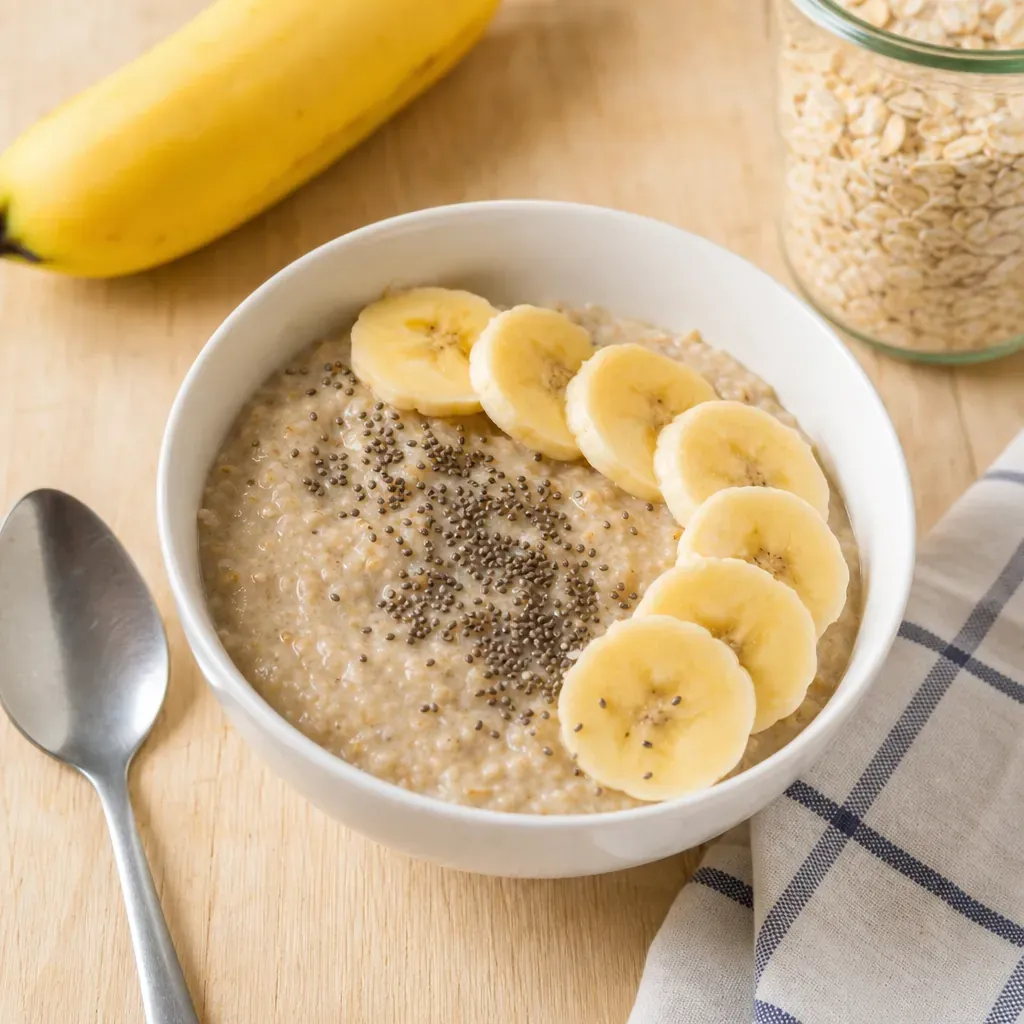
The goal of a pre-workout meal is to give your muscles enough fuel to perform and enough amino acids to slow down muscle breakdown during the session itself.
Carbohydrates are the primary fuel source for any moderate to high-intensity training. Your body stores carbohydrates as glycogen in the muscles and liver. Going into a workout with depleted glycogen reduces performance directly. You fatigue faster, lift less, and the quality of the session drops.
Protein before training matters too, but for a different reason. Consuming protein pre-workout raises amino acid levels in the blood during the session, which reduces muscle protein breakdown. You do not need a large amount, around 20 to 30 grams is sufficient.
Timing: Ideally eat a full meal containing both carbs and protein 1.5 to 3 hours before training. If you are eating closer to your session, say 30 to 45 minutes before, keep the portion small, easier to digest, and lower in fat and fiber which both slow gastric emptying.
Pre-Workout Eating for Bangkok's Two Most Common Training Windows

Bangkok's gym culture tends to cluster around two times: early morning before work and evening after the office.
Morning trainers (6 to 8am): Most people in this group train semi-fasted or fully fasted because eating at 5am feels impractical. If you train for under an hour at moderate intensity, this is manageable. If your session is longer, harder, or strength-focused, performance will suffer noticeably without any pre-workout fuel. A practical middle ground is something small and fast-digesting 30 to 45 minutes before: a banana with a small amount of protein, or a light high-carb option like Easy Health's Acai Berry Bowl at 413 calories with 62 grams of carbs and 16 grams of protein. It digests quickly and fuels the session without sitting heavy.
Evening trainers (7 to 9pm): The challenge here is usually the opposite: you ate dinner at 6 or 7pm and are training with a full stomach, or you skipped dinner to train first. If dinner is 2 or more hours before training, you should be fine. If your last meal was lunch and it is now 8pm, a light pre-workout snack in the late afternoon makes a meaningful difference to session quality.
What Your Body Needs After Training
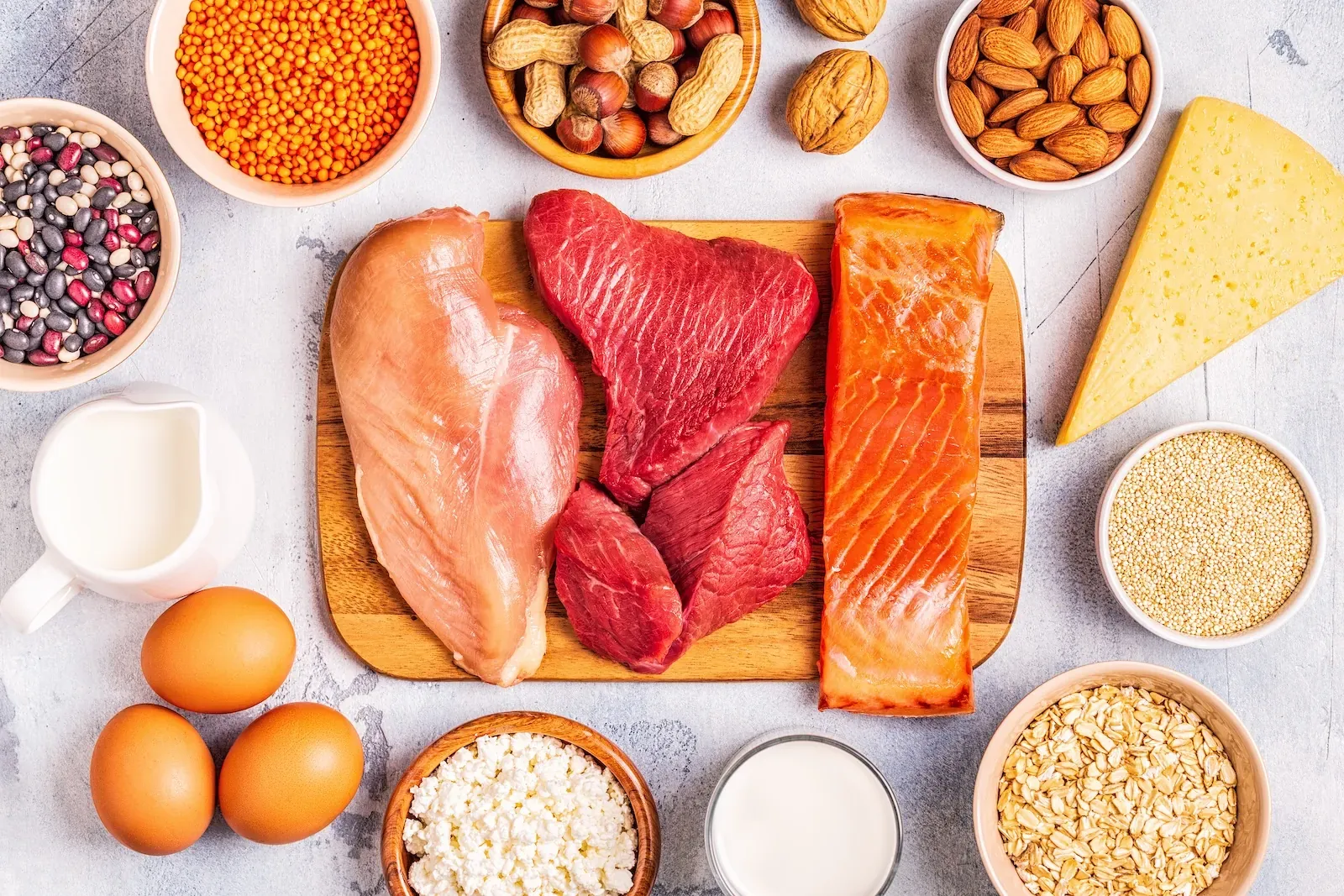
Post-workout nutrition has one clear priority: protein to start muscle protein synthesis.
During resistance training, your muscles sustain micro-damage. The recovery and adaptation process, which is literally how you get stronger and build muscle, depends on having enough amino acids available after the session. Research published in the American Journal of Clinical Nutrition found that muscle protein synthesis responds in a dose-dependent way to protein intake up to around 40 grams, beyond which the returns flatten.
The practical target is 25 to 40 grams of protein within 1 to 2 hours after training. This does not need to be immediately post-workout. The idea that you must consume protein within 30 minutes of finishing has been significantly overstated. A 2013 review in the Journal of the International Society of Sports Nutrition found that the "anabolic window" is considerably wider than the fitness industry typically claims, often extending 2 hours or more. What matters more than hitting an exact minute is getting a solid protein-containing meal within a reasonable timeframe.
Carbohydrates after training support glycogen replenishment and, at higher insulin levels, help create an environment that favors muscle building over muscle breakdown. They are not optional if you train hard and frequently.
For post-workout meals, the Easy Health Fit Meals are directly suited for this window. The Free-Range Chicken Fitness Meal delivers 47 grams of protein at 538 calories with a balanced carbohydrate portion. The Atlantic Salmon Fitness Meal gives 40 grams of protein with omega-3 fatty acids that reduce training-related inflammation. The Ranchero Skillet at 56 grams of protein is one of the highest-protein options on the menu and works well as a post-workout breakfast.
Training at 9pm: Eating Late Without Ruining Your Sleep

Late evening training is common in Bangkok, and the post-workout meal dilemma is real. Eating a full meal at 10pm concerns people, but skipping post-workout nutrition to avoid late eating undermines the reason you trained in the first place.
The research is clear that eating after evening exercise does not automatically lead to fat gain. Total caloric intake across the day is what matters, not the time of the meal. However, eating a large, heavy meal right before bed can disrupt sleep quality, which matters for recovery as much as the food itself.
A practical approach for late trainers: eat a moderately sized post-workout meal focused on protein and moderate carbohydrates, keep fat lower than you would in a regular meal as fat slows digestion, and give yourself at least 60 to 90 minutes between eating and sleep if possible. A meal around 500 to 600 calories with 30 to 40 grams of protein works well without being heavy enough to affect sleep.
Fasted Training: The Honest Assessment

Training on an empty stomach is common in Bangkok's morning gym culture and has been popularized by intermittent fasting protocols. The honest assessment from research is nuanced.
Fasted cardio at low to moderate intensity does increase fat oxidation during the session itself. However, it does not produce meaningfully better fat loss outcomes over 24 hours compared to fed training when total calories are matched. For strength training specifically, fasted sessions consistently show reduced performance: lower rep counts, less total volume, and greater perceived exertion.
The more significant issue is post-workout. If you train fasted, your muscle protein breakdown during the session is higher, which means your post-workout protein intake becomes even more important to counteract. Skipping both the pre-workout meal and the post-workout meal because you are practicing fasting is the pattern most likely to cost you muscle over time.
Browse Easy Health's full menu if you want a clear view of what well-structured pre and post workout meals look like with full macro transparency. The app makes planning both windows straightforward without any calculation on your part.
Frequently Asked Questions
Is it okay to train on an empty stomach in the morning?
For moderate-intensity cardio under an hour, fasted training is generally fine and some people perform well without food. For strength training, HIIT, or sessions longer than an hour, fasted training measurably reduces performance and increases muscle breakdown during the session. If you prefer not to eat a full breakfast before training, something small and fast-digesting 30 minutes before, like a piece of fruit with a small protein source, is a practical middle ground.
I train at 9pm and cannot sleep if I eat a big meal after. What should I eat?
Focus on protein and moderate carbohydrates, keep fat lower than usual since it slows digestion, and aim for a meal around 400 to 600 calories rather than a full dinner. Something like a high-protein wrap or a fitness meal with lean protein and rice works well without sitting heavy. Give yourself at least an hour between eating and lying down. The key is not to skip post-workout protein entirely in order to avoid eating late, since that defeats the purpose of training.
What if I only have 15 minutes before training to eat?
Stick to simple, fast-digesting carbohydrates with minimal fat and fiber. A banana, a small portion of white rice, or a light fruit-based smoothie will raise blood glucose quickly without sitting in your stomach during the workout. Do not try to eat a full meal 15 minutes before training. Save the protein and the larger portion for after.
Does post-workout nutrition matter if I am trying to lose fat, not build muscle?
Yes, it still matters. The goal of post-workout protein when losing fat is not to add muscle. It is to prevent the muscle you already have from being broken down during and after the session. Losing fat while maintaining muscle requires adequate protein after training. People who skip post-workout nutrition while in a calorie deficit tend to lose more muscle alongside fat, which slows metabolism and makes the deficit harder to sustain over time.
What is better before training: rice or oats?
Both work. White rice is faster-digesting and better suited if you are eating 30 to 60 minutes before training since it converts to usable glucose quickly. Oats are slower-digesting with more fiber and better if you are eating 2 or more hours before training and want sustained energy rather than a quick spike. Brown rice sits between the two. If you are eating close to your session, simpler and faster is better.
How long after training should I wait before eating?
There is no minimum waiting period. Eat as soon as it is practical and you are hungry. The post-workout window for muscle protein synthesis is wider than most gym culture suggests, typically 1 to 2 hours rather than 30 minutes. If you are genuinely not hungry immediately after training, waiting 30 to 45 minutes is fine. What you want to avoid is going 3 or more hours after a hard session without any protein at all.
Pre and Post Workout Meals Without the Guesswork
Planning two nutritionally optimized meals around your training schedule every day is genuinely time-consuming when you do it from scratch. Easy Health removes that friction.
160+ menu items with full macro transparency on every dish, so you can match the right meal to the right training window
Zero added sugar, zero MSG, zero artificial preservatives across all meals
High-protein Fit Meals starting from 35 to 56 grams of protein per dish, built specifically for performance nutrition
Fresh daily preparation, never frozen, delivered across Bangkok with branches in Bangkok and Pattaya
Browse the full menu and plan your training nutrition at easyhealth.asia/menu.
Download the Easy Health app:
Easy Health on Google Play (Android)
Easy Health on App Store (iOS)
References
Aragon AA, Schoenfeld BJ. (2013). Nutrient timing revisited: is there a post-exercise anabolic window? Journal of the International Society of Sports Nutrition, 10(1), 5. https://doi.org/10.1186/1550-2783-10-5
Moore DR, Robinson MJ, Fry JL, et al. (2009). Ingested protein dose response of muscle and albumin protein synthesis after resistance exercise in young men. American Journal of Clinical Nutrition, 89(1), 161-168. https://doi.org/10.3945/ajcn.2008.26401
Schoenfeld BJ, Aragon AA, Krieger JW. (2013). The effect of protein timing on muscle strength and hypertrophy: a meta-analysis. Journal of the International Society of Sports Nutrition, 10(1), 53. https://doi.org/10.1186/1550-2783-10-53
Areta JL, Burke LM, Ross ML, et al. (2013). Timing and distribution of protein ingestion during prolonged recovery from resistance exercise alters myofibrillar protein synthesis. Journal of Physiology, 591(9), 2319-2331. https://doi.org/10.1113/jphysiol.2012.244897
Jeukendrup AE. (2014). A Step Towards Personalized Sports Nutrition: Carbohydrate Intake During Exercise. Sports Medicine, 44(S1), 25-33. https://doi.org/10.1007/s40279-014-0148-z
Trommelen J, van Loon LJC. (2016). Pre-Sleep Protein Ingestion to Improve the Skeletal Muscle Adaptive Response to Exercise Training. Nutrients, 8(12), 763. https://doi.org/10.3390/nu8120763
Internal links: Easy Health menu | Easy Health meal plans