
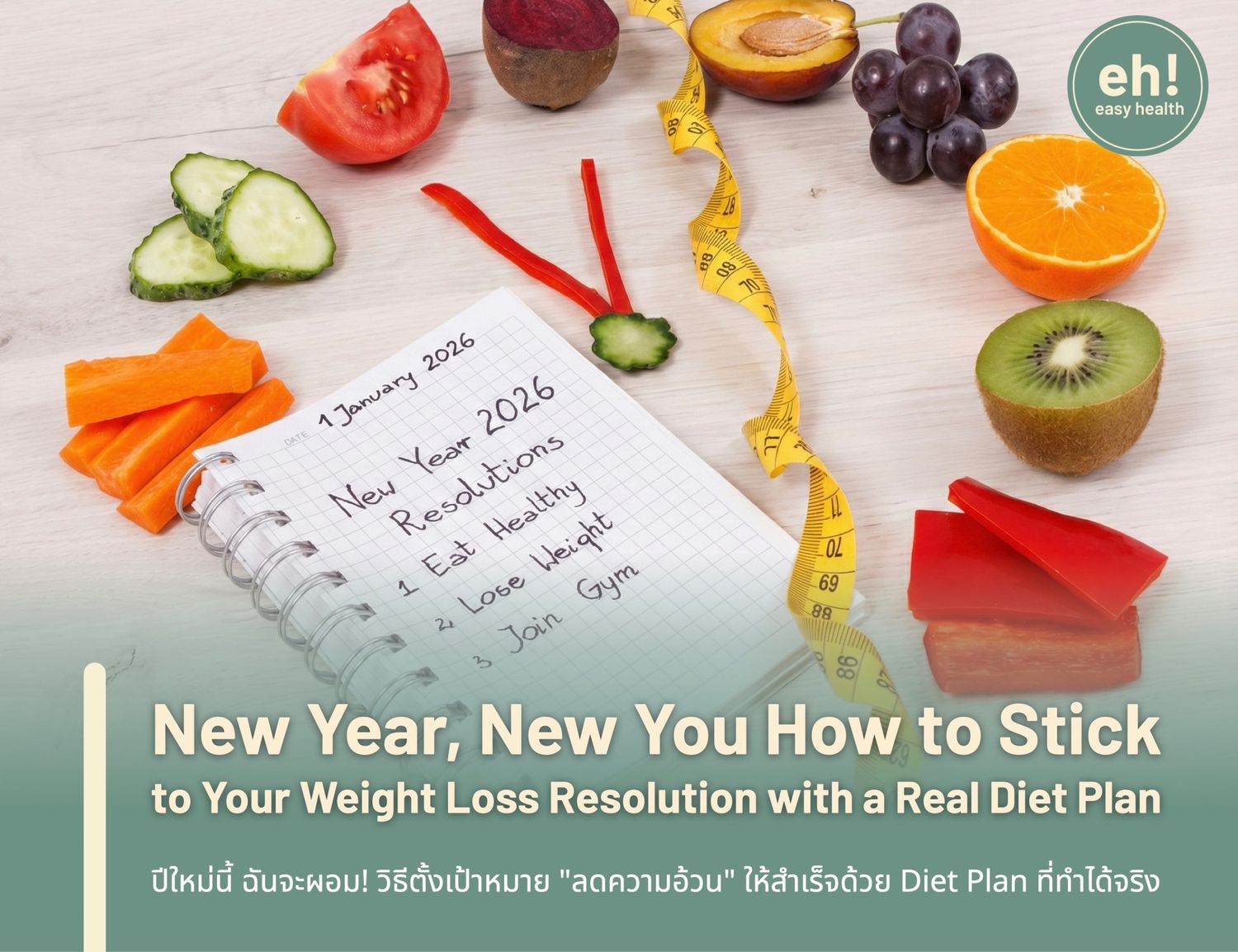
New Year, New You: How to Stick to Your Weight Loss Resolution with a Real Diet Plan
International data indicates that more than 80 percent of individuals do not maintain their New Year Resolutions beyond February, particularly those related to weight loss. This pattern rarely reflects a lack of discipline. It is more commonly linked to goal-setting approaches that do not support sustainable change.
A more structured and realistic method can lead to better results. Easy Health outlines practical steps for establishing clear goals and creating a diet plan that supports safe and steady progress over time. You can begin the process immediately without waiting for January 1, allowing your focus to shift toward long-term health and consistent daily habits.
Why Do Weight Loss Resolutions Often Fail?
The biggest challenge with New Year Resolutions is that many are too vague. A statement such as “I want to lose weight” is an idea without clear direction, and the brain cannot translate it into daily actions. When goals are unclear, it becomes difficult to build new habits, which is why many resolutions fade within the first few weeks.
A more effective approach is to set S.M.A.R.T. Goals. This framework encourages specific and measurable steps that support realistic and steady progress.
Change your goal to something specific and measurable:
❌ “I will get thin next year.”
This statement is unclear and does not provide any direction.
✔️ “I will work toward lowering my weight over the next three months by choosing a healthier dinner and walking for 30 minutes each day.”
This version focuses on daily habits that are clear, realistic, and measurable.
The Essential Role of a Diet Plan in Weight Loss
Many people begin the New Year by purchasing a full-year gym membership and often attend only during the first month. In the process, they overlook one important factor: nutrition.
A balanced approach to weight loss requires attention to both food choices and physical activity. Exercise supports strength and overall fitness, but a realistic Diet Plan influences daily calorie intake and long-term progress.
Training consistently without supporting it with a healthier Diet Plan can limit visible results. Effective meal planning helps guide portion control, improves food quality, and supports steady and safe weight management.
Do Not Starve: Focus on switching to better food sources instead of avoiding meals. For example, you can replace white rice with Riceberry rice as part of a healthier Diet Plan.
Know Your Calories: Learn how much energy your body typically uses in a day and aim to eat slightly below that amount in a safe, manageable calorie deficit. Understanding your needs helps guide a balanced Diet Plan.
Prioritize Protein: Protein supports muscle maintenance while you work toward lowering your body weight. Including sufficient protein in your meals helps improve satiety and supports a healthier routine within your Diet Plan.
Start the New Year Right with 4 Weight Loss Menus That Taste Great
Dieting can be structured and enjoyable when supported by the right meal options. To assist you in pursuing your Weight Loss goals in a sustainable manner, Easy Health presents four menu selections developed with nutritional balance in mind. Each menu provides adequate protein, controlled calories, and a composition that aligns with a healthier start to the year.
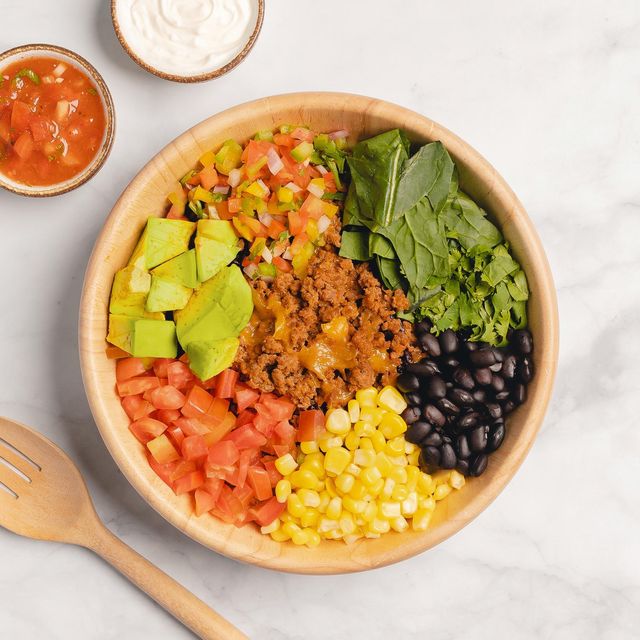
For individuals seeking a more flavorful alternative to standard clean meals, this bowl provides a well-rounded option. It features grass-fed minced beef as a high-quality protein source and avocado for healthy fats, resulting in a nutritionally balanced selection within your Diet Plan.
Highlight: Zesty notes from salsa and pico de gallo complement Riceberry rice and black beans, offering a high-fiber and nutritionally balanced combination.
Nutrition: 355 kcal | Protein 34g | Carbs 30g | Fat 11g
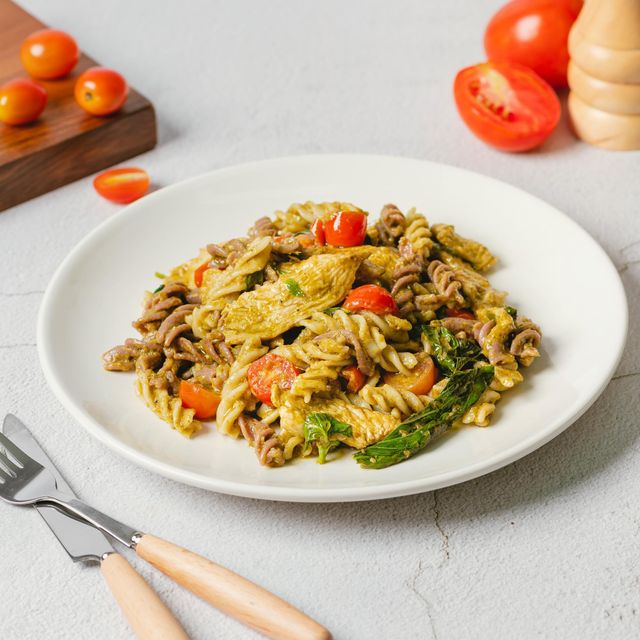
For those who enjoy pasta, this option provides a wholesome alternative. It features whole-wheat pasta or Riceberry rice combined with our homemade vegan pesto, offering a balanced selection suitable for a healthier Diet Plan.
Highlight: You may select your preferred protein source, including chicken, shrimp, or tofu. This dish provides approximately 55 g of protein, which supports satiety and helps maintain a balanced Diet Plan.
Nutrition: 507 kcal | Protein 55g | Carbs 39g | Fat 15g
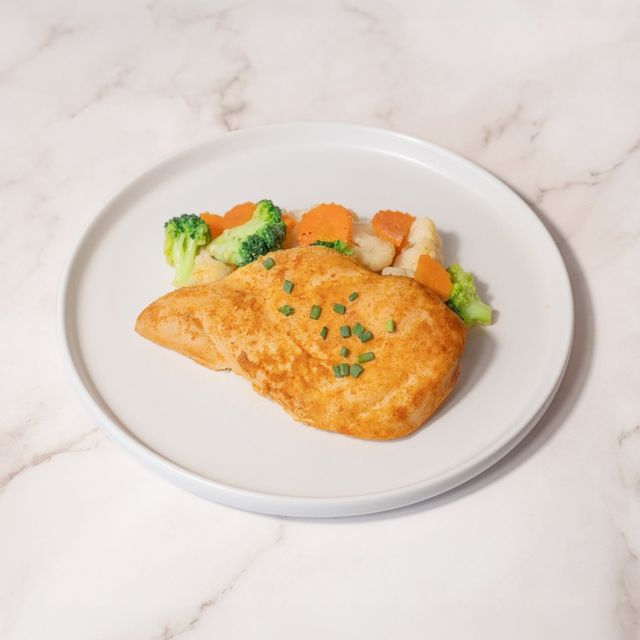
This meal serves as a dependable option for individuals seeking a structured and nutritious choice within their Diet Plan. It emphasizes high-quality protein and a variety of vitamins from colorful vegetables, creating a balanced and supportive everyday meal.
Highlight: Free-range chicken sautéed with carrots, broccoli, and cauliflower, offering a balanced, lower-carbohydrate option suitable for an evening meal within your Diet Plan.
Nutrition: 377 kcal | Protein 63g | Carbs 17g | Fat 6g
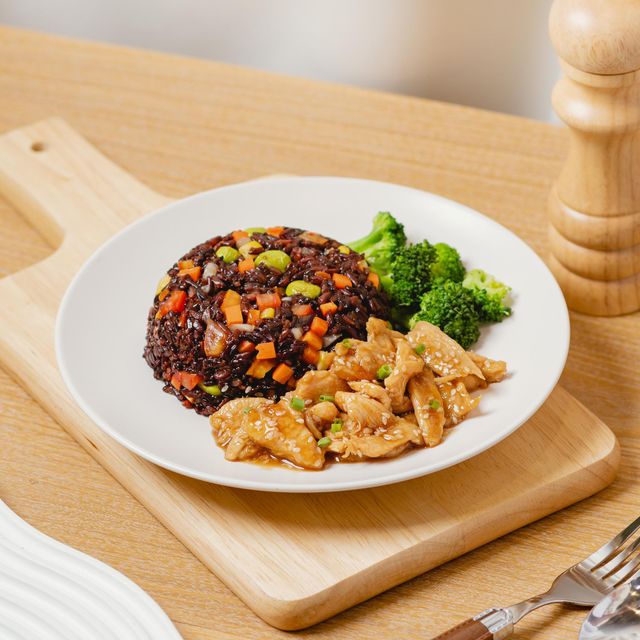
This version of teriyaki chicken is prepared with a more nutritious approach. It features a reduced-sugar sauce served over tender free-range chicken and Riceberry rice, creating a balanced option that fits well within a healthier Diet Plan.
Highlight: This meal offers a balanced combination of taste and nutrition. It supports steady energy and provides a meaningful source of protein within your Diet Plan.
Nutrition: 516 kcal | Protein 57g | Carbs 56g | Fat 7g
The Power of Starting Now
The mindset behind sustainable progress is simple: do not wait for the perfect moment to begin. Many people postpone healthy decisions until January 1 and adopt the idea of “I will enjoy everything now and start later.” This approach often leads to habits that make it difficult to start the new year with structure.
A practical alternative is to start with one healthier meal each day, beginning now. By the time January arrives, you will already have established a routine and your body will be familiar with more balanced food choices. This creates a smoother transition into the new year and makes it easier to continue rather than starting from the beginning.
Tools for Success: Why You Need Support
Managing food cravings on your own can be challenging. With the technology available in 2026, using supportive tools can make your efforts more structured and effective.
An application that helps plan your Diet Plan can turn general intentions into clear, measurable information. You can easily monitor your intake, understand whether you have exceeded your daily needs, and see how much protein you may still require. This clarity supports more consistent decision-making.
Easy Health has developed an app designed to function as a practical source of guidance, offering a similar level of support to a personal coach without additional costs. You can open the app, place your food order, and review your nutritional data immediately.
FAQ: Frequently Asked New Year Weight Loss Questions
Q1: How should I set a safe and realistic weight loss target each month?
A: A safe approach is to aim for gradual progress rather than rapid changes. Steady adjustments to your eating habits and daily activity are generally more sustainable over time. For personalized guidance based on your age, health status and goals, it is best to consult a healthcare professional who can recommend an approach that supports your overall well-being.
Q2: Which Diet Plan is best?
A: There is no single Diet Plan that works for everyone. The most effective approach is the one that fits your daily routine, food preferences and long-term habits. Different eating patterns suit different people, and the priority is choosing a method that supports your health and can be maintained over time.
Some individuals prefer structured meal schedules, while others do better with flexible portion control. If you are unsure which approach suits your needs, it is best to seek guidance from a healthcare professional who can help you choose a plan that supports safe and balanced progress.
Easy Health offers menu options that can support a variety of preferences, making it easier to follow a healthier routine that aligns with your lifestyle.
Q3: If I have no time to prepare clean meals, can I still make progress?
A: Yes. Many people with busy schedules rely on convenient options to stay consistent. The Easy Health healthy food delivery service is designed to support this lifestyle. You can pre-order through the app and have balanced meals delivered each day, allowing you to maintain a structured Diet Plan without spending time cooking.
Start Your New Year Goal Today with the Easy Health App
Do not wait until next year. Begin establishing healthier habits today with the Easy Health App, a convenient tool designed to support your Diet Plan with clarity and consistency
Key Features for Weight Loss
✅ Personalized Meal Planning
The app creates a structured Diet Plan based on your goals and preferences, helping you select suitable meals without uncertainty.
✅ Comprehensive Nutrition Tracking
Each dish includes detailed calorie and nutrient information, allowing you to monitor your intake accurately and make informed daily choices.
✅ Convenient Healthy Meal Ordering
Place orders for nutritious meals directly through the app. Whether you are at home or at work, you can maintain your routine with consistent, reliable access to healthy options.
Download for free and turn "I will lose weight" into "I did it":
Android: Download via Google Play Store
References
American Psychological Association (APA). (2024). Making your New Year’s resolution stick. Retrieved from https://www.apa.org/topics/behavioral-health/new-year-resolutions
Centers for Disease Control and Prevention (CDC). (2024). Losing Weight: Getting Started. Retrieved from https://www.cdc.gov/healthyweight/losing_weight/getting_started.html
Department of Health, Ministry of Public Health Thailand. (2024). Guide to Reducing Belly Fat and Changing Health Behaviors. Retrieved from https://nutrition2.anamai.moph.go.th