
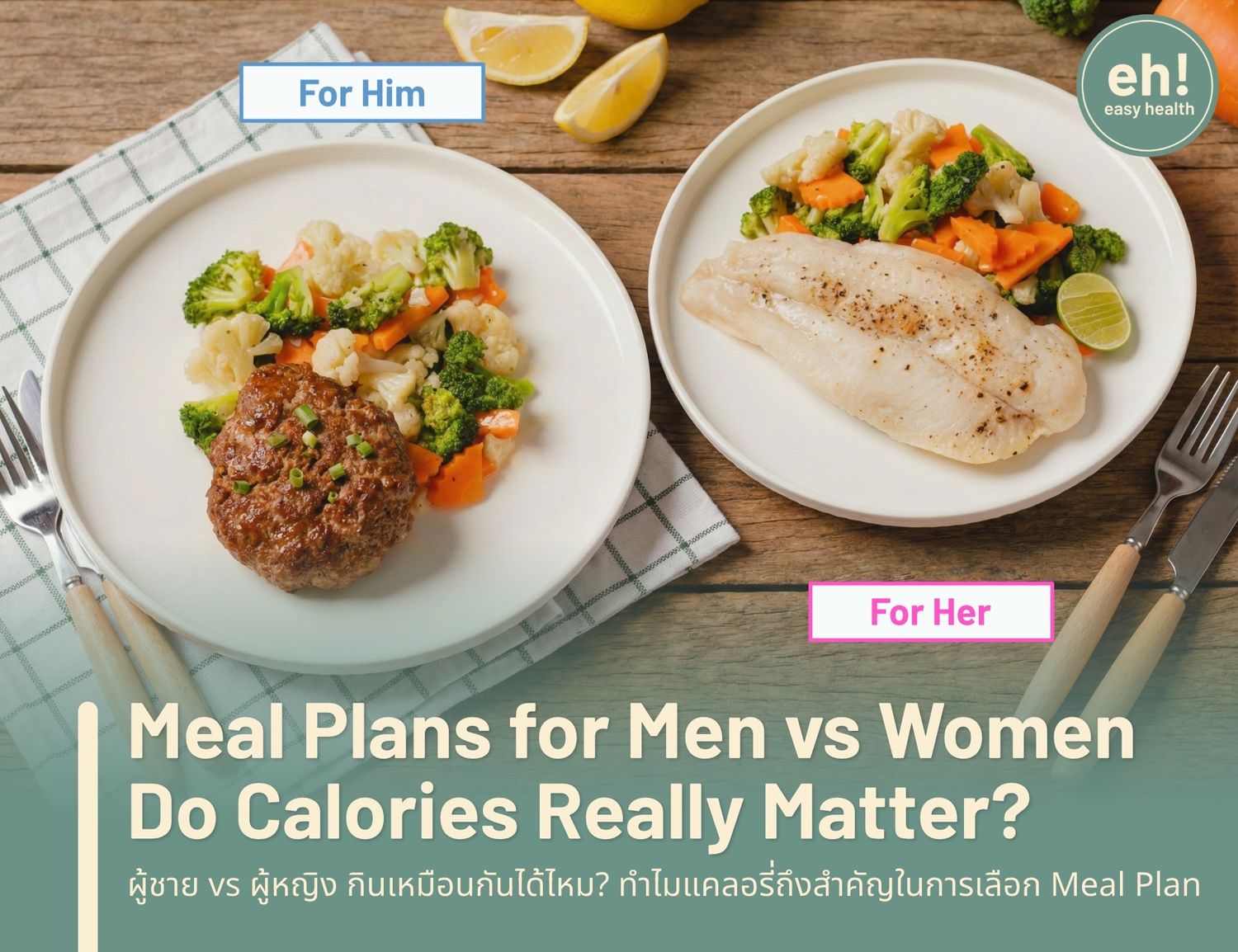
Meal Plans for Men vs Women: Do Calories Really Matter?
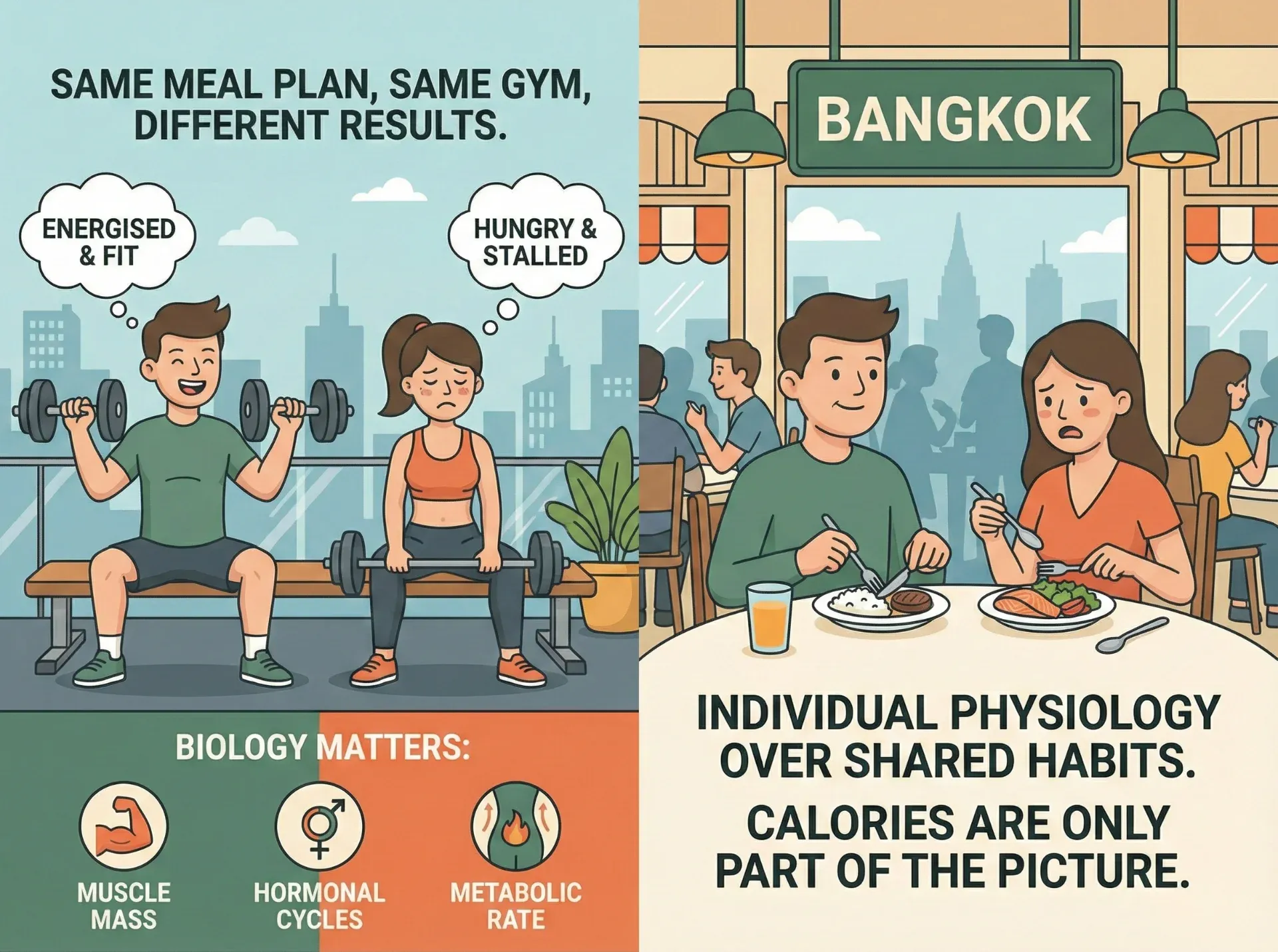
Men and women can follow the same meal plan, train at the same gym, and keep identical routines, yet see very different results. One person drops weight quickly and feels energised. The other feels hungry, stalled, and frustrated. This pattern is common among couples and friends in Bangkok trying to improve their health together.
The reason is not effort or willpower. It comes down to biology.
When it comes to Meal Plans for Men vs Women, calories matter, but they are only part of the picture. Differences in muscle mass, hormonal cycles, and metabolic rate all influence how the body uses energy. These factors affect how many calories are needed, how quickly weight changes occur, and how sustainable a meal plan feels day to day.
This is why applying the same calorie intake across genders often leads to uneven outcomes. Meal planning works better when it reflects individual physiology rather than shared habits, especially in busy urban lifestyles like Bangkok.
The Science Behind Why Men and Women Burn Calories Differently
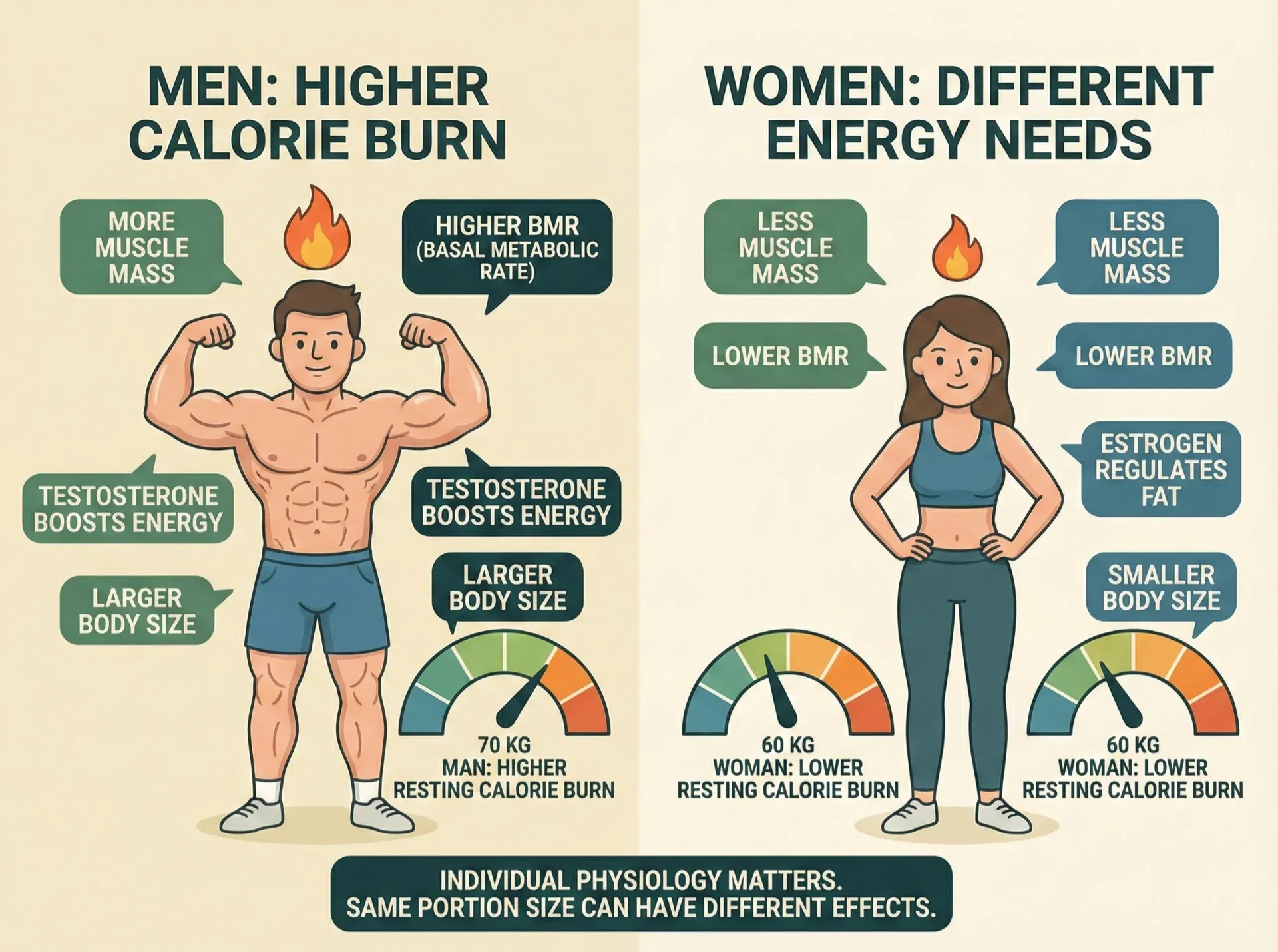
One of the main reasons men and women respond differently to meal plans comes down to body composition.
Muscle mass: Men tend to carry more lean muscle mass naturally. Muscle tissue requires energy even at rest, which increases overall calorie burn and contributes to a higher basal metabolic rate (BMR).
Body size: On average, men have larger frames and greater bone density. Moving and maintaining a larger body requires more energy, which raises daily calorie needs.
Hormonal differences: Testosterone supports muscle development and higher energy expenditure, while estrogen plays a role in fat storage and regulation, particularly in support of reproductive health. These hormonal patterns influence how calories are used and stored over time.
> The reality: A 70 kg man sitting at rest will typically burn more calories than a 60 kg woman in the same situation. When both eat the same portion size, that intake may place the man in a calorie deficit while pushing the woman closer to, or above, her maintenance level.
Choosing the Right Easy Health Plan Based on Gender and Goals
Easy Health meal plans are structured around different TDEEs (Total Daily Energy Expenditures), recognising that calorie needs vary by body composition, activity level, and goal. The following breakdown shows how plan selection typically aligns with gender patterns and specific weight-management objectives:
1. For Women: A Strategic Approach to Meal Planning
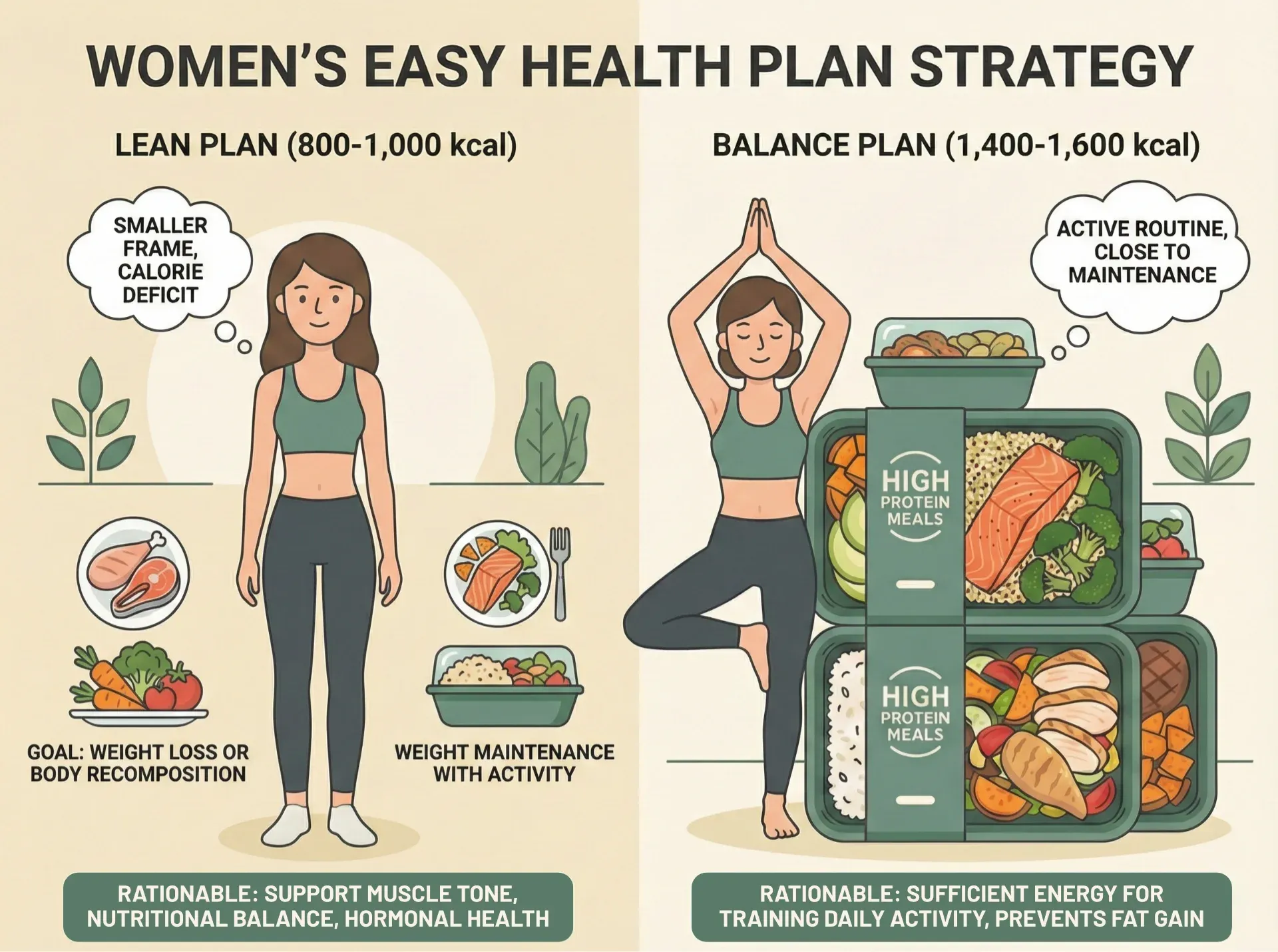
Women generally require between 1,600 and 2,000 kcal per day to maintain weight, depending on activity level. When fat loss is the goal, creating a calorie deficit is necessary, but it needs to be approached carefully. Maintaining nutrient density remains important to support hormonal balance and overall health while reducing intake.
Goal: Weight loss or body recomposition
Recommended plan: The Lean Plan (800 to 1,000 kcal)
Rationale: This plan creates a clear calorie deficit that is better suited to smaller frames. Meals emphasise protein intake alongside vegetables, helping support muscle tone and overall nutritional balance while calories are reduced.
Goal: Weight maintenance with an active routine
Recommended plan: The Balance Plan (1,400 to 1,600 kcal)
Rationale: This intake range supports regular movement such as yoga or pilates while keeping calories close to maintenance. It provides sufficient energy for training and daily activity without creating a surplus that leads to gradual fat gain.
2. For Men: A Fuel-Focused Approach to Meal Planning
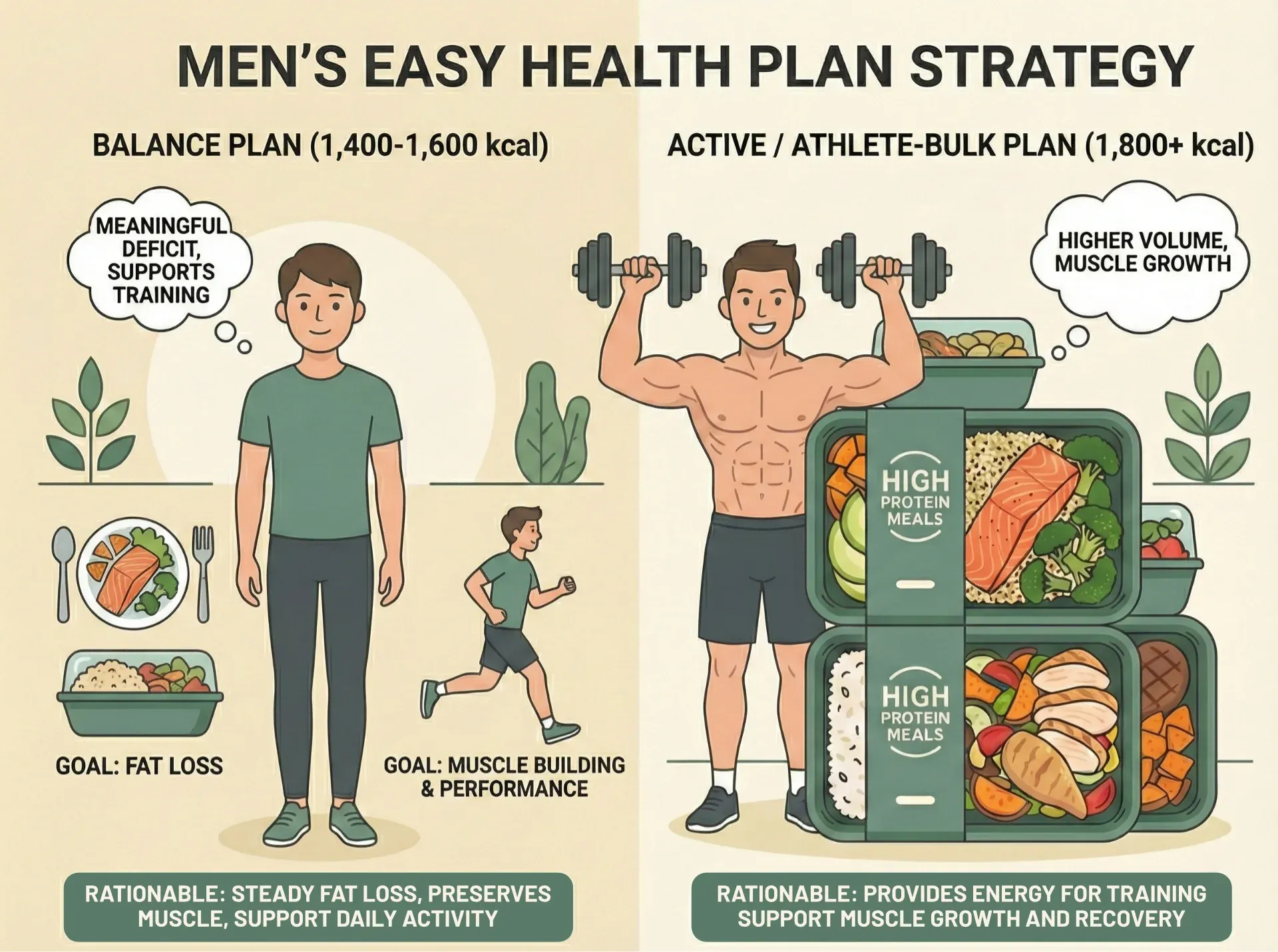
Men generally require between 2,200 and 2,800 kcal per day to maintain weight, depending on body size and activity level. When intake drops too low for extended periods, particularly alongside regular training, it can increase the risk of muscle loss and disrupt normal hormonal function, including testosterone regulation.
Goal: Fat loss
Recommended plan: The Balance Plan (1,400 to 1,600 kcal)
Rationale: For many men, an intake around 1,500 kcal represents a meaningful calorie deficit while still allowing enough energy to support training and daily activity. This range supports steady fat loss without pushing intake so low that muscle mass or performance is unnecessarily compromised. For those engaging in heavier resistance training, protein intake may need to be adjusted accordingly.
Goal: Muscle building and performance
Recommended plan: The Active Plan (1,800 to 2,000 kcal) or the Athlete-Bulk Plan (2,400 kcal and above)
Rationale: Higher training volumes and resistance work increase energy and protein requirements. These plans provide additional complex carbohydrates and protein to support muscle growth, training performance, and recovery without relying on excessive calorie restriction.
Common Questions About Gender and Nutrition
Q1: Can women follow the Active Plan (2,000 kcal)?
Yes. Women with higher activity levels, including athletes or those with physically demanding routines, may require a higher calorie intake. In these cases, the Active Plan can be an appropriate option. Plan names are based on energy needs, not gender.
Q2: Can men follow the Lean Plan (1,000 kcal)?
In most cases, this intake is too low for men and may fall below typical basal energy requirements. Extended periods at this level can increase the risk of muscle loss and reduced performance. For fat loss, the Balance Plan is generally a more suitable starting point for men.
Q3: Do macronutrient needs differ between men and women?
Differences exist, but they are usually modest. Research suggests women may rely slightly more on fat as an energy source during exercise, while men often depend more on carbohydrates to support higher-intensity or explosive activity. In practice, individual response matters more than gender alone when adjusting macronutrient balance.
Meal Plans for Couples: Eating Well Together Without Eating the Same
Portion sizes do not need to become a point of friction. Using the Easy Health App, each person can choose a plan that aligns with their own biology and daily needs, without forcing compromise around calories or meal structure.
Example order for a couple:
One partner: Lean Plan for a short, focused phase aimed at reducing body weight
The other: Active Plan to support training demands and higher daily energy needs
Both plans are delivered together, allowing each person to follow a calorie intake that suits their goals while keeping routines and logistics simple.
Download now:
Android: Download via Google Play Store
References
National Institutes of Health (NIH). (2024). Gender differences in metabolism. Retrieved from https://pubmed.ncbi.nlm.nih.gov/
Mayo Clinic. (2024). Metabolism and weight loss: How you burn calories. Retrieved from https://www.mayoclinic.org/healthy-lifestyle/weight-loss/in-depth/metabolism/art-20046508
Harvard Health Publishing. (2024). Calorie counting made easy. Retrieved from https://www.health.harvard.edu/staying-healthy/calorie-counting-made-easy