

Meal Plans for Women: Hormones, Health, and Weight Loss in Bangkok
With Meal Plans for Women, metabolism and hormonal balance play a central role. Fluctuations across the menstrual cycle, differences in muscle mass, and higher micronutrient needs all influence how the body responds to changes in calorie intake. Approaches that seem effective in the short term can become difficult to sustain when these factors are overlooked.
In Bangkok, long workdays and packed schedules often push eating decisions toward convenience or excessive restriction. Many women reduce portion sizes too aggressively, leading to low energy, difficulty concentrating, and irregular eating patterns later in the day.
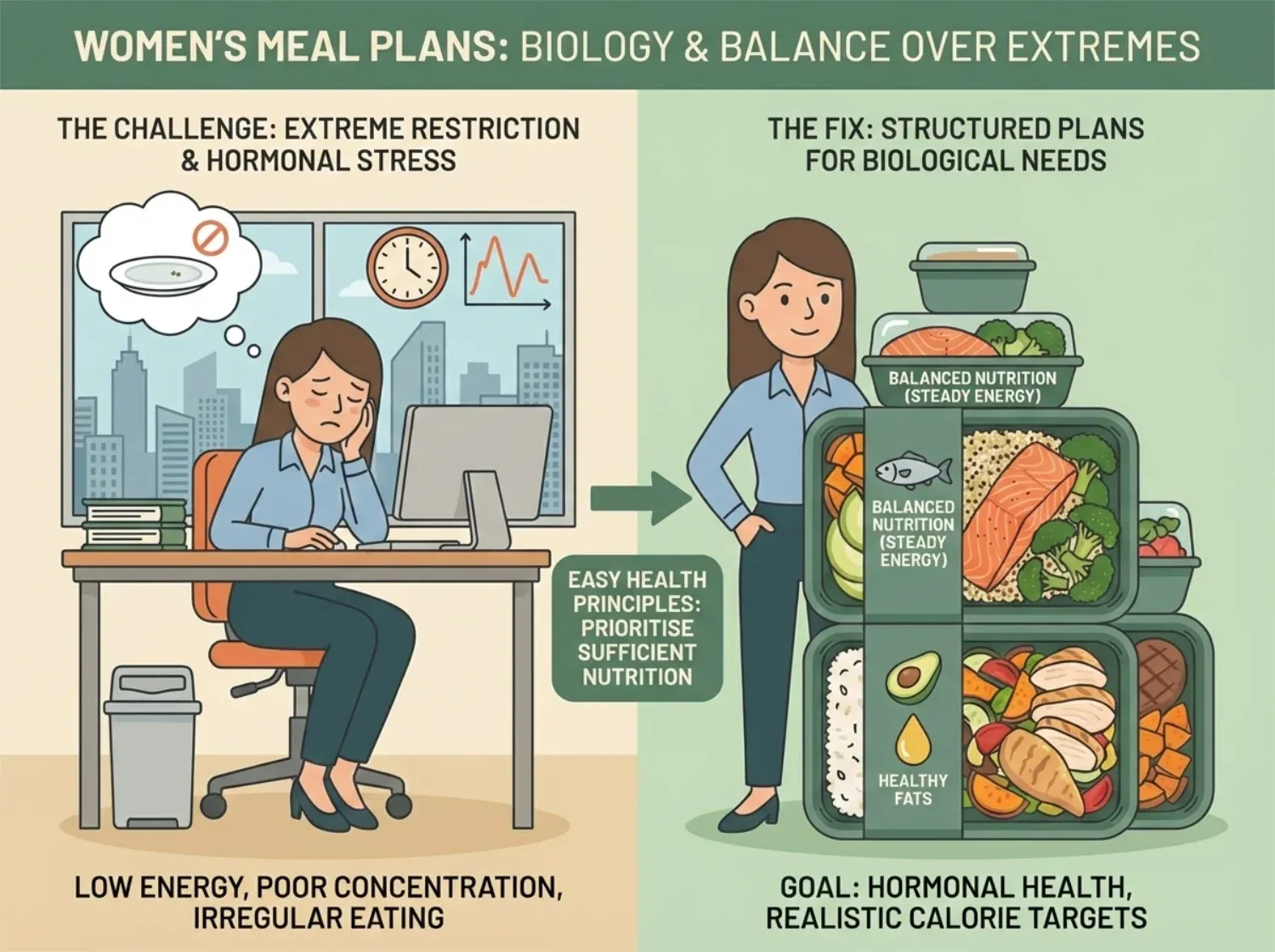
A more effective approach focuses on matching intake to biological needs rather than extremes. Structured Meal Plans for Women prioritise sufficient nutrition, steady energy levels, and realistic calorie targets that support both health and weight management.
Easy Health designs meal plans around these principles, offering calorie ranges that align with different goals while respecting hormonal health and daily demands.
Why Women Benefit From a More Tailored Meal Plan
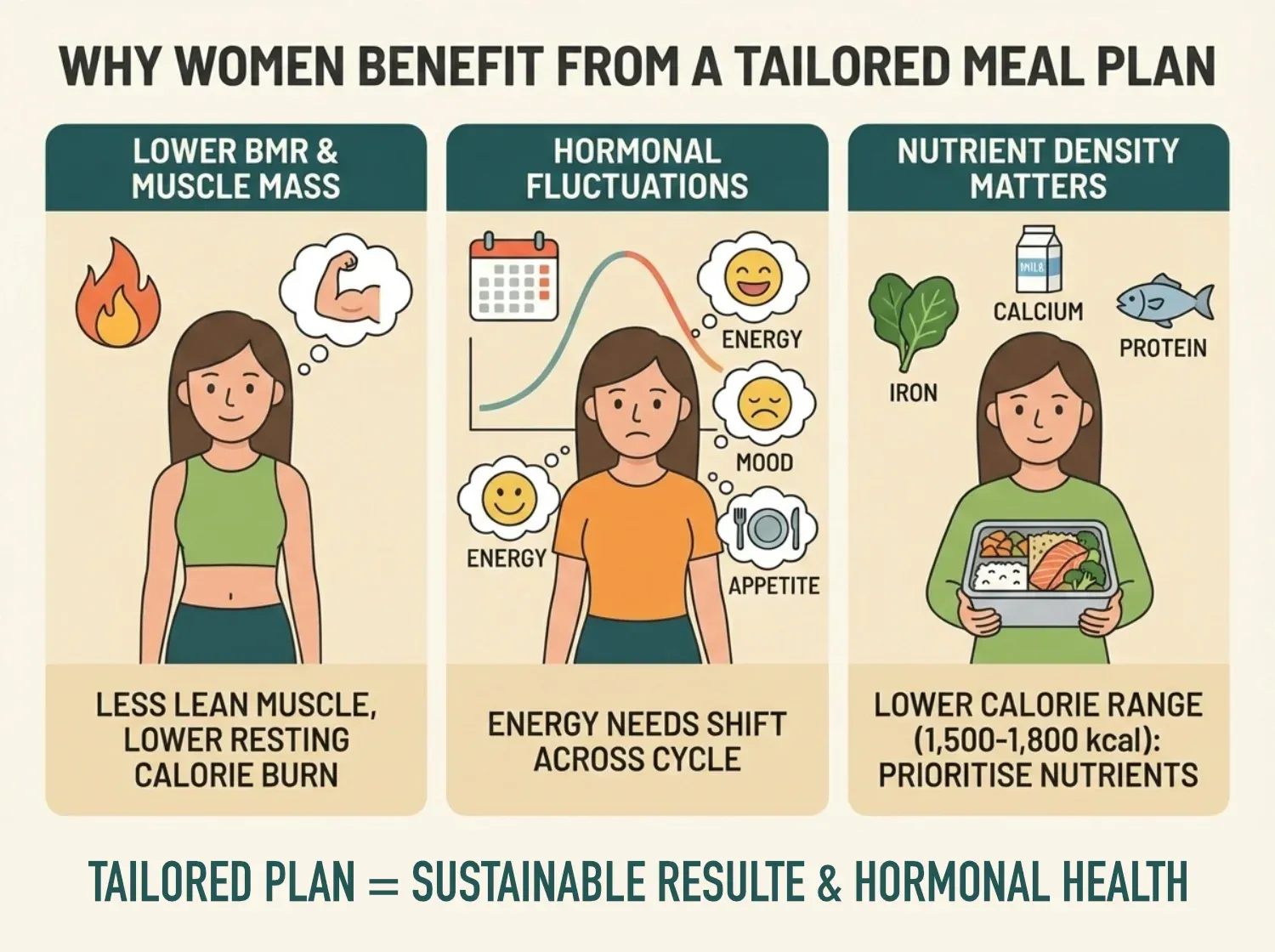
Women have distinct nutritional requirements that go beyond differences in body size alone:
Lower basal metabolic rate (BMR): Women generally carry less lean muscle mass than men, which results in lower calorie expenditure at rest. This makes portion awareness and calorie alignment more important.
Hormonal fluctuations: Energy needs and macronutrient preferences can shift across the menstrual cycle. Maintaining stable blood sugar levels helps support energy, mood, and appetite regulation throughout the month.
Nutrient density matters more: With lower overall calorie ranges, often around 1,500 to 1,800 kcal, food choices need to prioritise nutrients over volume. Adequate intake of iron, calcium, protein, and other essentials becomes harder to achieve when calories are spent on low-nutrient foods.
Matching Easy Health Plans to Women’s Needs
Easy Health meal plans are structured to support different goals and activity levels commonly seen in the daily lives of women in Bangkok.
1. Weight Loss Support for Smaller Frames
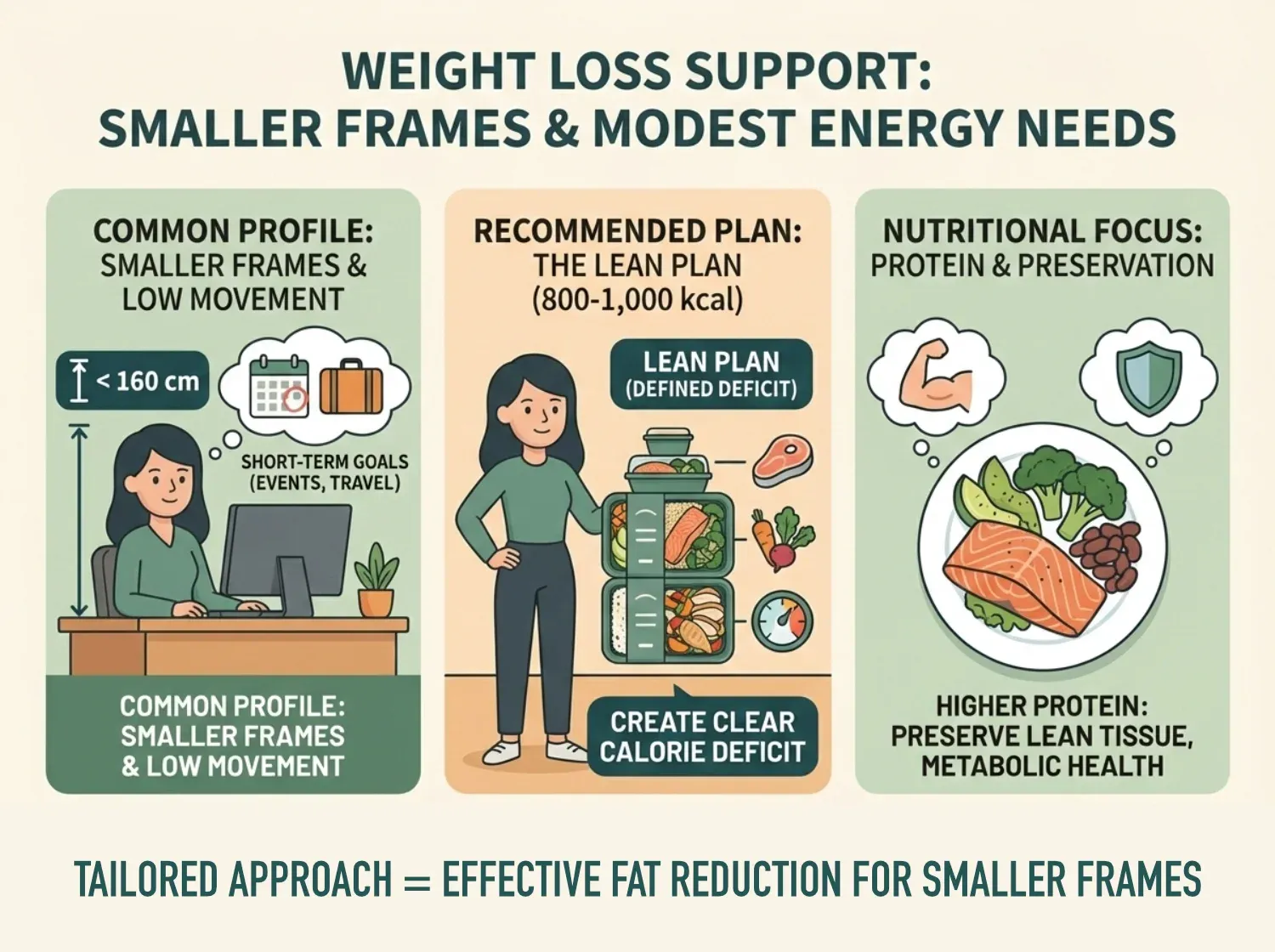
Common Profile
Women with smaller frames, typically under 160 cm, whose overall energy requirements are naturally lower
Predominantly desk-based or low-movement routines, where daily calorie expenditure remains modest
Short-term weight reduction goals linked to defined timelines such as events, travel, or lifestyle transitions
Recommended Plan: The Lean Plan (800 to 1,000 kcal)
This plan is designed to create a clear calorie deficit in situations where moderate reductions are often insufficient to trigger visible fat loss.
Nutritional Focus
For many women in this category, daily intake around 1,200 to 1,400 kcal may already align closely with maintenance rather than weight loss
A lower intake range can support fat reduction when applied deliberately and for a limited duration
Higher protein intake plays a central role in preserving lean tissue, supporting metabolic health, and reducing the likelihood of muscle loss during calorie restriction
2. Sustainable Balance for Everyday Lifestyles
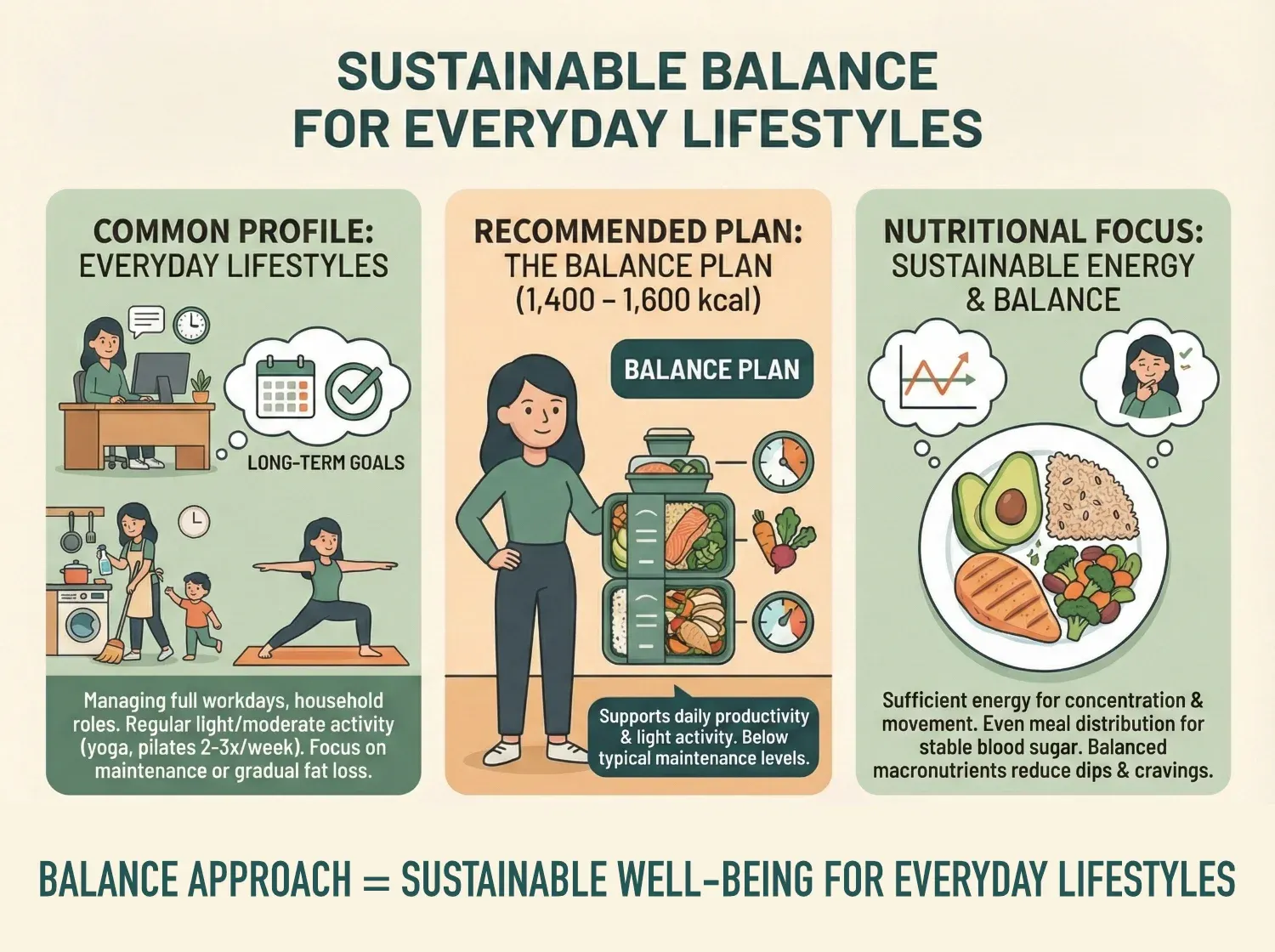
Common Profile
Women managing full workdays, household responsibilities, or multiple roles with limited recovery time
Regular light to moderate activity such as yoga or pilates two to three times per week
A focus on weight maintenance or gradual fat loss without aggressive calorie restriction
Recommended Plan The Balance Plan (1,400 – 1,600 kcal)
This calorie range supports daily productivity and light physical activity while remaining below typical maintenance levels for many women.
Nutritional Focus
Provides sufficient energy to sustain concentration, movement, and routine exercise without creating excess calorie intake
More even meal distribution helps support stable blood sugar levels throughout the day
A balanced intake of protein, carbohydrates, and fats can reduce energy dips and minimise food cravings linked to under-eating
3. Active Training and Body Composition Support
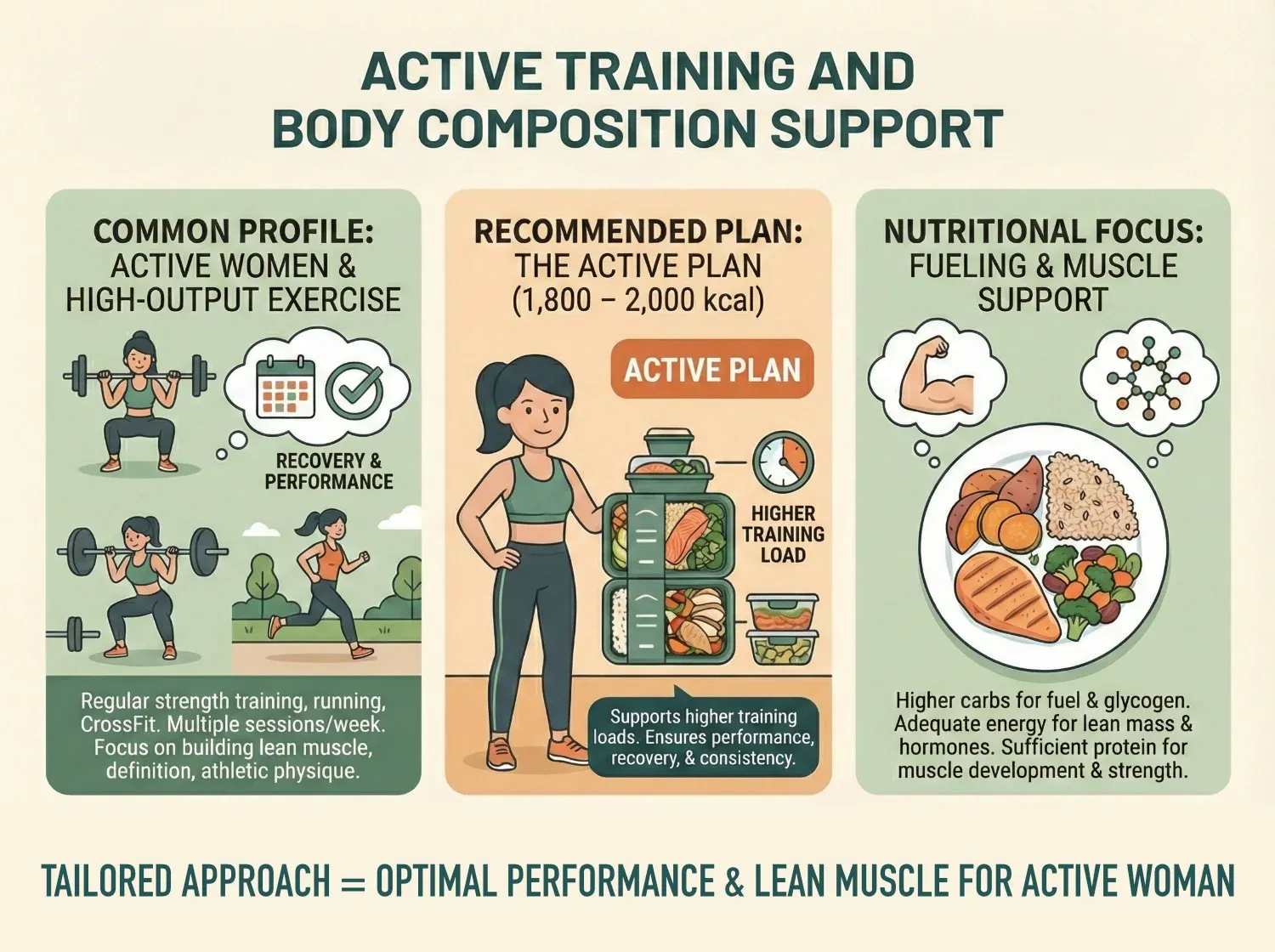
Common Profile
Women who engage in regular strength training, running, CrossFit, or other high-output exercise
Multiple training sessions per week where recovery and performance both matter
Goals centred on building lean muscle, improving definition, and maintaining an athletic physique
Recommended Plan: The Active Plan (1,800 – 2,000 kcal)
This intake range supports higher training loads where lower-calorie plans may compromise performance, recovery, or consistency.
Nutritional Focus
Higher carbohydrate intake helps fuel training sessions and supports muscle glycogen replenishment
Adequate energy availability is essential to preserve lean mass and support normal hormonal function
Sufficient protein intake contributes to muscle development and helps maintain strength as training volume increases
Key Nutrients That Support Women’s Health
Nutrition for women extends beyond macronutrient targets and depends heavily on ingredient quality and nutrient composition.
Free-range poultry: Sourced to prioritise quality and consistency, supporting protein intake without unnecessary additives often associated with highly processed meats.
Sources of healthy fats (avocado, salmon, olive oil): Dietary fats play a role in hormone synthesis and nutrient absorption, making them an essential component of balanced nutrition for women.
Iron-rich leafy greens (spinach, kale): Important contributors to dietary iron intake, particularly relevant for women with higher iron requirements across the menstrual cycle.
Common Nutrition Questions for Women
Q1: Will a higher protein intake cause women to gain excessive muscle?
Women typically do not build large amounts of muscle mass without specific training intensity and hormonal conditions. Higher protein intake primarily supports lean tissue, recovery, and satiety, particularly during calorie-controlled phases.
Q2: Why does appetite increase around the menstrual cycle, and how should intake be adjusted?
Energy expenditure can increase slightly in the days leading up to menstruation. During this time, modest increases in intake or the inclusion of nutrient-dense snacks can help manage hunger while maintaining stable energy levels, without relying on highly processed or sugary foods.
Q3: Can meal plans be adjusted based on weekly activity levels?
Yes. Nutritional needs often change alongside training volume and daily movement. Some women prefer higher-calorie plans during more active weeks and lower-calorie options when activity decreases. Adjustments can be made to align intake with current routines.
Managing Your Nutrition With the Easy Health App
The Easy Health App makes it easier to match meal plans to changing routines, activity levels, and nutritional needs. Plans can be selected or adjusted as goals shift, allowing intake to stay aligned with weight management, daily balance, or training demands without relying on constant tracking or meal preparation.
Select your ideal plan today:
Android: Download via Google Play Store
References
Office on Women's Health (OASH). (2024). Healthy eating and women. Retrieved from https://www.womenshealth.gov/healthy-eating
Healthline. (2024). Nutritional Needs for Women. Retrieved from https://www.healthline.com/nutrition/nutritional-needs-for-women
Mayo Clinic. (2024). Women's health: Prevent the top threats. Retrieved from https://www.mayoclinic.org/healthy-lifestyle/womens-health