
Eat Your Way to Better Skin: 12 Foods Dermatologists Actually Recommend
You spend money on serums. You have a 7-step skincare routine. You wear sunscreen religiously. And yet your skin still breaks out, looks dull, or ages faster than you expected. Here is the uncomfortable truth that the skincare industry rarely tells you: what you put ON your skin matters far less than what you put IN your body. Your skin is your largest organ, and it is built, repaired, and defended entirely by the nutrients you eat. No topical product can compensate for a nutrient-poor diet.
Foods for better skin are not a marketing gimmick. Dermatological research has established clear links between specific nutrients and skin outcomes, including hydration, elasticity, acne severity, UV damage resistance, and collagen production. Studies consistently show that dietary patterns high in vegetables, legumes, and healthy fats are associated with less skin wrinkling, while diets high in sugar and processed food accelerate visible ageing.
This guide covers the simple science behind how food affects your skin, 12 specific foods that dermatologists recommend, the foods that actively damage your skin, and practical strategies for building a skin-friendly diet in Bangkok's unique climate.
How Food Directly Affects Your Skin
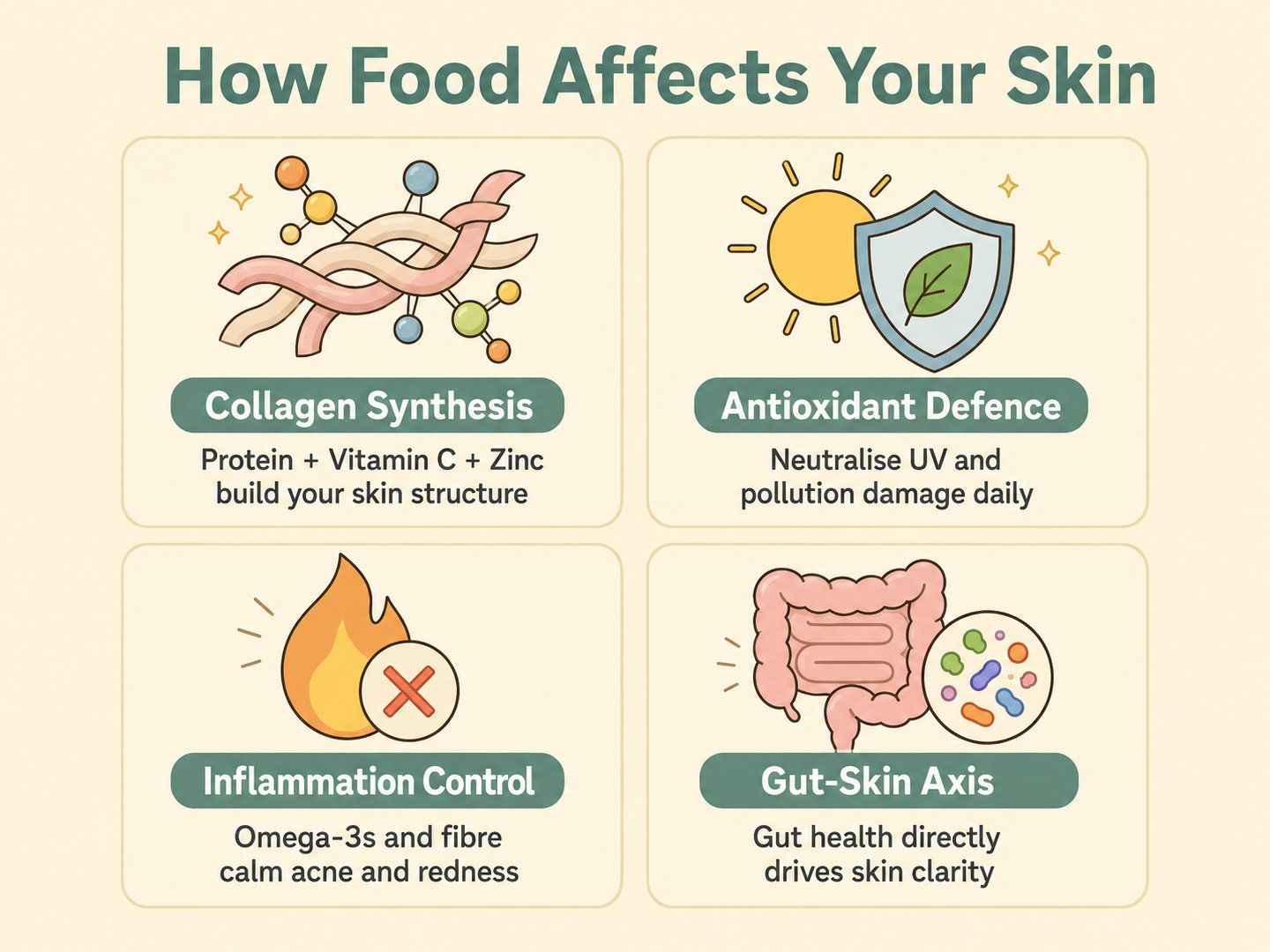
Understanding how your body builds and protects skin helps you make smarter food choices instead of chasing trends.
Collagen Synthesis: Building Blocks from Within
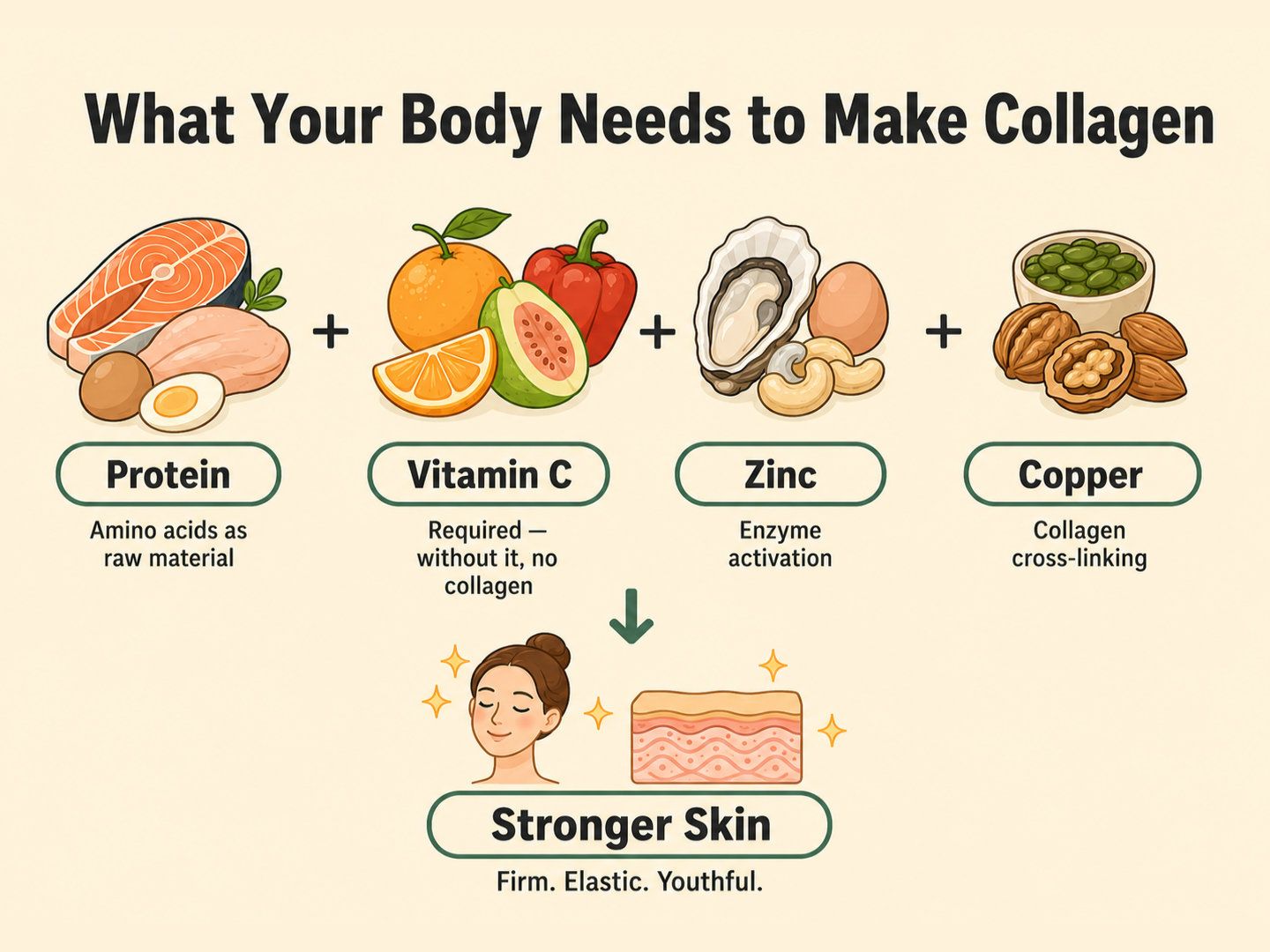
Collagen makes up 75-80% of your skin's dry weight, providing structure, firmness, and elasticity. After age 25, collagen production declines by about 1% per year. While collagen supplements get all the attention, your body actually synthesizes its own collagen from amino acids (protein) combined with vitamin C, zinc, and copper. Without adequate dietary protein and these essential vitamins, collagen production stalls regardless of what serums you apply. Vitamin C, in particular, is absolutely required—without it, your body literally cannot make functional collagen.
Oxidative Stress and Antioxidant Defence
Your skin faces constant assault from UV radiation, pollution, and metabolic stress. Bangkok's combination of intense tropical sun, traffic pollution, and urban air quality makes this an above-average concern. Free radicals from these sources damage collagen fibres, break down elastin, trigger hyperpigmentation, and accelerate fine lines. Dietary antioxidants (vitamins C, E, beta-carotene, lycopene) neutralize these free radicals before they can damage your skin cells, keeping your skin looking younger.
Inflammation and Skin Conditions
Chronic low-grade inflammation is the root driver of acne, rosacea, eczema, and premature ageing. Your diet is the single largest factor you can control when it comes to systemic inflammation. Pro-inflammatory diets (high in sugar, refined carbs, and processed foods) are heavily linked to increased acne severity and frequency, while anti-inflammatory foods (omega-3s, fibre) help calm the skin from the inside out.
The Gut-Skin Axis
Your gut microbiome directly influences your skin health. An imbalance of gut bacteria increases inflammation, impairs nutrient absorption, and is directly linked to acne and eczema. What you eat determines your gut health: fibre and diverse plant foods create a healthy gut that supports clear skin, while ultra-processed foods and excessive sugar disrupt it.
The 12 Best Foods for Better Skin
These foods are chosen based on their nutrient density for skin-specific needs and their availability in Thailand.
1. Fatty Fish (Salmon, Mackerel, Sardines)
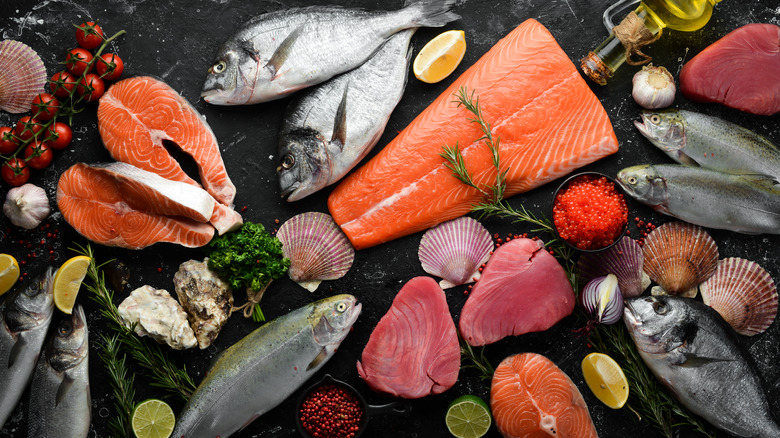
Fatty fish delivers the two most important omega-3 fatty acids for skin: EPA and DHA. EPA reduces the inflammation that drives acne and redness while protecting against UV-induced damage. DHA is a structural component of skin cell membranes, keeping them flexible and hydrated. Fatty fish also provides vitamin D and high-quality protein for collagen synthesis. Thai markets offer affordable pla tu (mackerel) that delivers comparable omega-3 levels to imported salmon at a fraction of the cost.
2. Avocado
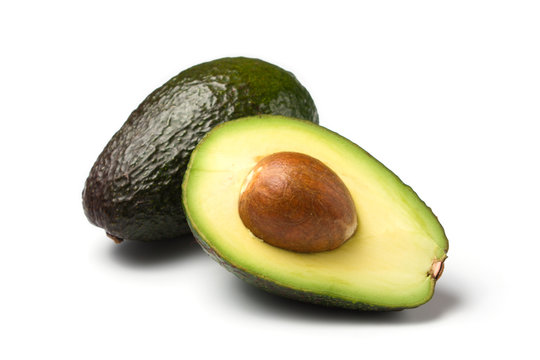
Avocados provide a unique combination of healthy fats, vitamin E, and vitamin C. The fats keep skin supple and moisturised, while vitamin E acts as your skin's primary antioxidant, protecting cell membranes from damage. One avocado also provides 20% of your daily folate, which supports DNA repair in rapidly dividing skin cells.
3. Sweet Potato and Thai Pumpkin (Fak Thong)

These orange-fleshed powerhouses are loaded with beta-carotene, which your body converts to vitamin A (retinol). Retinol is the most evidence-backed nutrient for both anti-ageing and acne treatment. When you eat beta-carotene-rich foods, your body converts exactly what it needs naturally. Beta-carotene also accumulates in the skin, providing a mild, natural layer of UV protection. Easy Health Option: Pumpkin Soup (165 kcal, 75 THB) delivers concentrated beta-carotene from real Thai pumpkin with zero added sugar.
4. Tomatoes
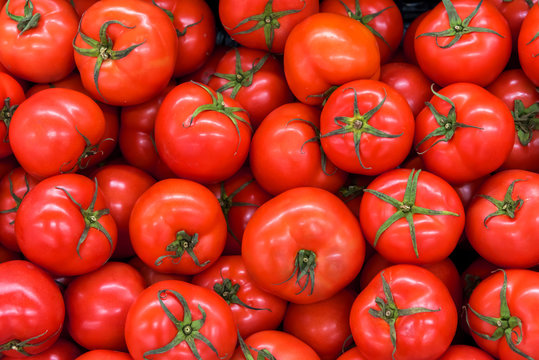
Tomatoes are the richest dietary source of lycopene, a nutrient that accumulates in skin tissue and provides internal sun protection. In Bangkok, where UV exposure is intense year-round, this internal defense perfectly complements your external sunscreen. Cooking tomatoes significantly increases how much lycopene your body can absorb, and adding a healthy fat (like olive oil) boosts absorption even further.
5. Berries (Blueberries, Strawberries, Acai)

Berries are antioxidant powerhouses that specifically protect against UV-induced collagen degradation. They help block the enzymes that break down collagen and elastin. Strawberries, in particular, deliver massive amounts of vitamin C. While fresh berries in Bangkok can be expensive, frozen berries retain all their nutritional value and are much more affordable. Easy Health Option: Peanut Butter Berry Jam Bowl (431 kcal, 21g protein, 175 THB).
6. Dark Leafy Greens (Pak Boong, Spinach, Kale)
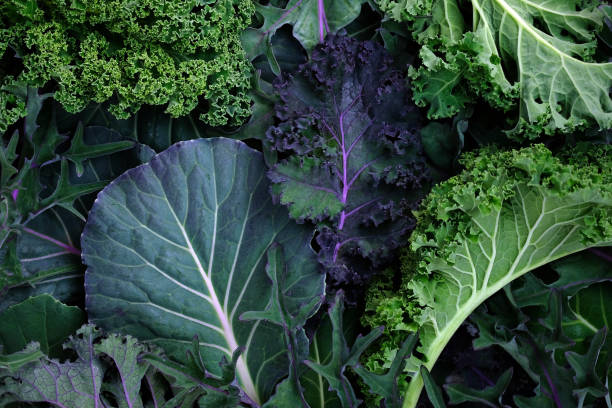
Dark leafy greens deliver a comprehensive skin-support package: vitamin A (for cell turnover), vitamin C (for collagen), vitamin K (for dark circles), and lutein (for hydration). Morning glory (pak boong) is one of the most affordable and accessible greens in Thailand. Stir-fried pak boong with garlic delivers all these vitamins in a single dish.
7. Eggs
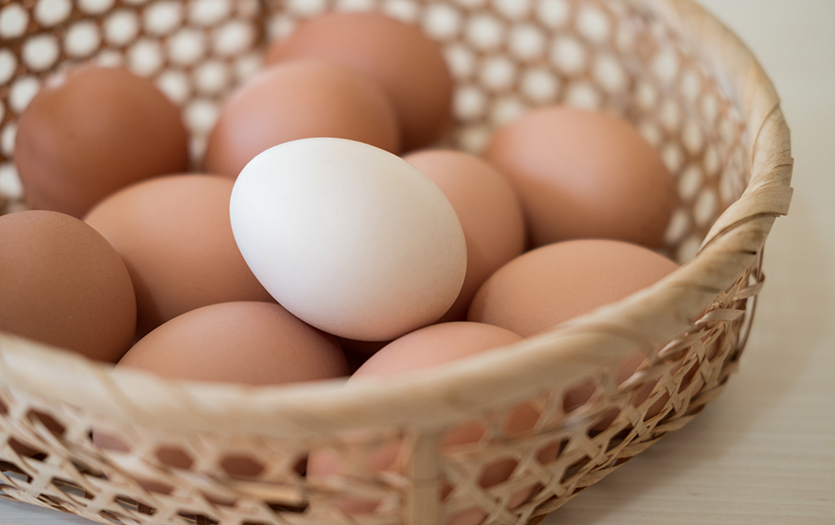
Eggs are a complete skin nutrition package. The yolk contains lutein, vitamin A, vitamin D, zinc, and biotin. Biotin deficiency directly causes skin problems like dryness and dermatitis, and just two eggs provide about 30% of your daily needs. The egg white provides the exact amino acids needed for collagen synthesis. Easy Health Options: The Farmer Omelette (385 kcal, 33g protein, 229 THB) or Morning Omelette (366 kcal, 28g protein, 225 THB).
8. Walnuts

Walnuts are unique among nuts because they provide plant-based omega-3 fatty acids along with zinc, vitamin E, and selenium. The combination of omega-3s and zinc makes walnuts particularly beneficial for acne-prone skin, as both nutrients help regulate oil production and reduce inflammatory breakouts.
9. Bell Peppers (Red and Yellow)

Red bell peppers contain more vitamin C per gram than any citrus fruit. Vitamin C is not just an antioxidant; it is literally required for collagen synthesis. Without it, your body cannot produce stable collagen fibres. Bell peppers are widely available at Thai supermarkets and are easy to add to any meal.
10. Green Tea
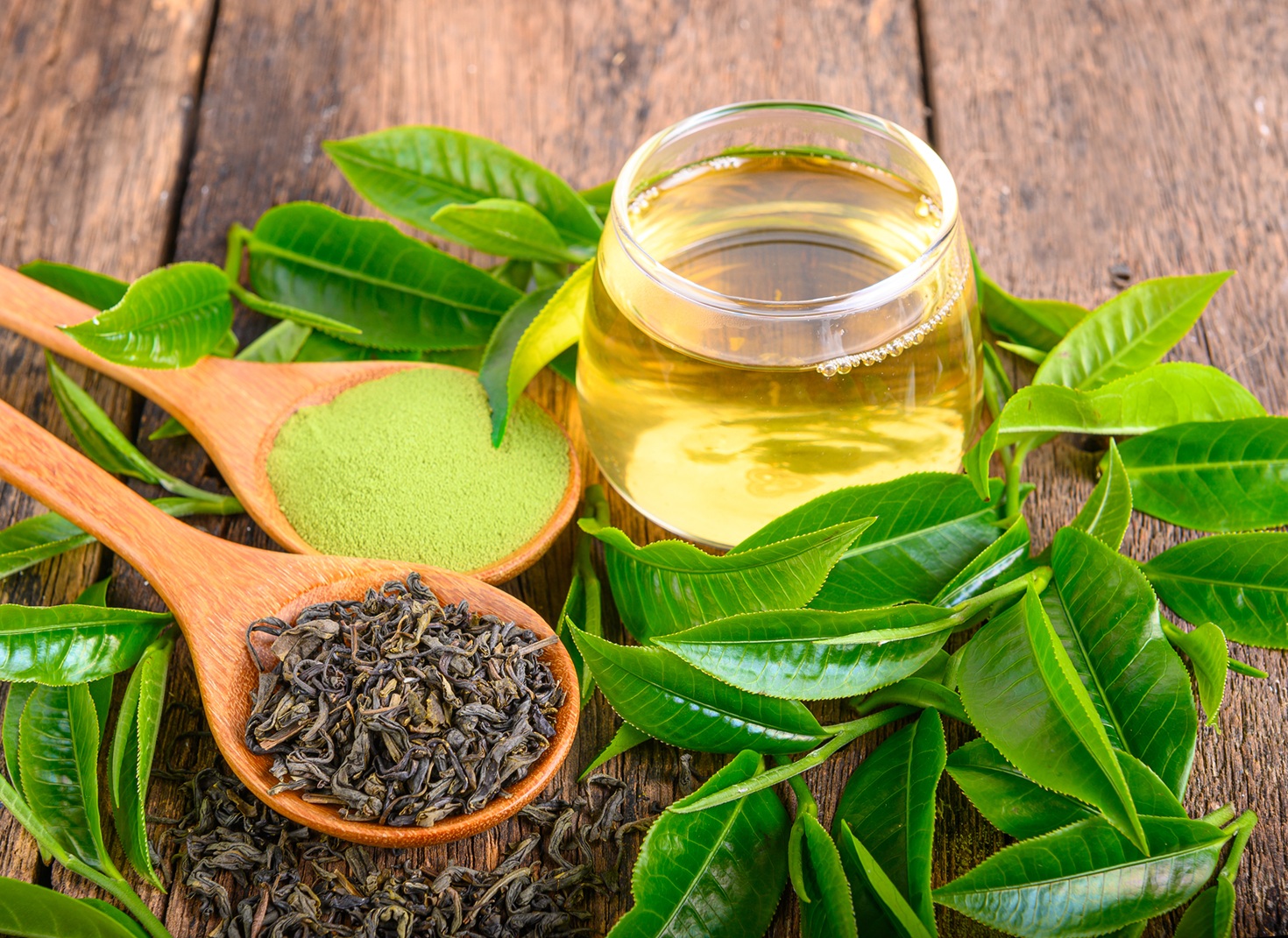
Green tea contains EGCG, a powerful antioxidant that protects skin cells from UV radiation, reduces inflammation, and inhibits the breakdown of collagen. Regular green tea drinkers show measurably better skin elasticity. However, avoid the bottled green tea drinks sold at Thai convenience stores—most contain massive amounts of added sugar, which completely negates the skin benefits. Brew your own from loose leaves or tea bags.
11. Bone Broth and Collagen-Rich Soups
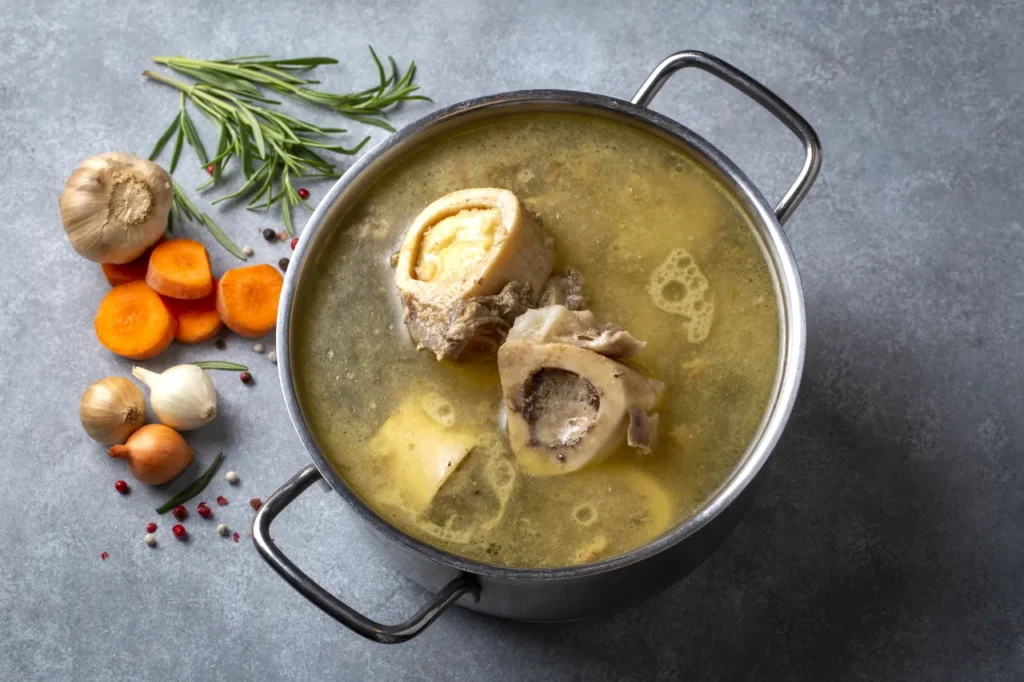
Bone broth provides the three amino acids most concentrated in collagen. While your body breaks down ingested collagen before reassembling it, drinking collagen-rich broths provides the exact building blocks your body needs to maintain skin elasticity. Easy Health Option: Tom Jued Soup (93 kcal, 14g protein, 75 THB) delivers clean protein and collagen-building amino acids without added sugar or MSG.
12. Guava

Guava deserves special mention because it is a Thai superfruit with extraordinary skin benefits. One medium guava provides more than double the vitamin C of an orange, making it one of the most efficient sources of the vitamin your skin needs most. It is available year-round in Thailand for just 20-30 baht from street vendors. No expensive imported superfood can match guava's vitamin C density at this price point.
Foods That Damage Your Skin
What you remove from your diet may be as impactful as what you add.
Sugar and High-Glycemic Foods

Sugar is the single worst dietary factor for skin ageing. Through a process called glycation, excess blood sugar attaches to collagen and elastin fibres, making them rigid, brittle, and dysfunctional. This directly causes visible wrinkles, sagging, and dullness. High-glycemic foods (white rice, white bread, sugary drinks) cause rapid blood sugar spikes that accelerate this process.
In Bangkok, hidden sugar is everywhere: Thai iced tea, sweetened coffee, and bottled drinks. Cutting added sugar is arguably the most impactful anti-ageing strategy available. Every meal on the Easy Health menu is prepared with zero added sugar, meaning every meal you eat is actively protecting your collagen.
Dairy (for Acne-Prone Individuals)

The dairy-acne connection is well-documented, with skim milk showing the strongest association due to its hormonal content. If you are not acne-prone, moderate dairy is fine. But if you struggle with persistent breakouts, a 30-day dairy elimination trial may reveal whether it is a trigger for you.
Alcohol
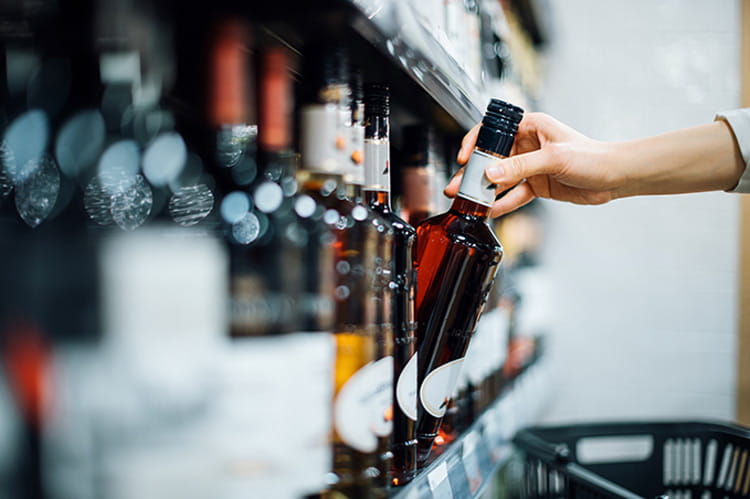
Alcohol dehydrates the skin, depletes vitamins A and C, triggers inflammation, and dilates blood vessels, causing redness and broken capillaries over time. If clear, youthful skin is a priority, minimising alcohol is essential.
Ultra-Processed Foods
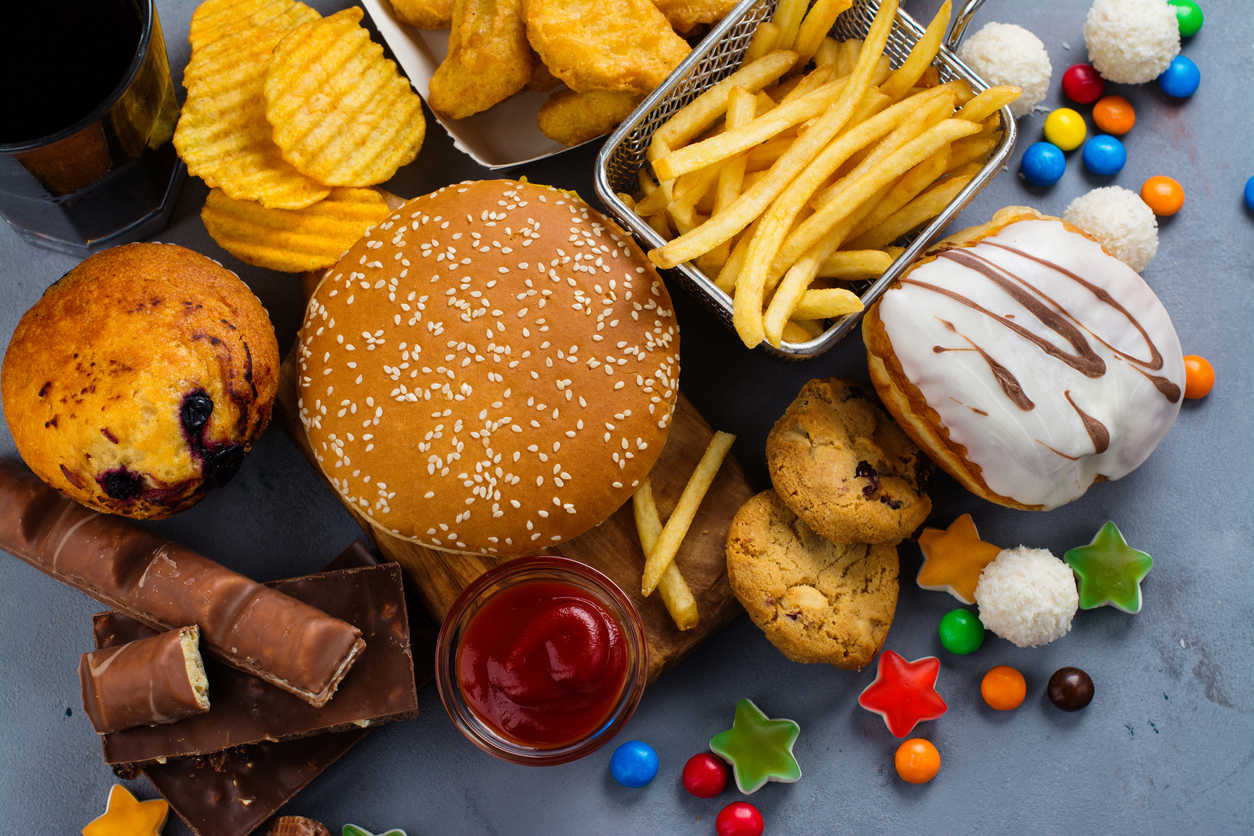
Ultra-processed foods promote skin damage through multiple pathways: they are high in sugar, inflammatory seed oils, artificial additives that disrupt gut health, and sodium that causes dehydration. A diet high in processed foods is consistently linked to higher rates of acne and premature ageing.
Building a Skin-Friendly Diet in Bangkok: Your Daily Framework
Morning: Protein + Antioxidants + Healthy Fats Start with eggs combined with vegetables and healthy fat. The Ranchero Skillet from Easy Health (589 kcal, 56g protein) provides a comprehensive skin-nutrition foundation to start your day.
Midday: Colour and Variety Lunch should maximise colour diversity. Each colour represents different skin-protective nutrients. The Easy Health Pad Thai (615 kcal, 39g protein) combines varied vegetables with quality protein.
Afternoon: Smart Skin Snacking Replace sugary coffee drinks with options that feed your skin: a handful of walnuts, fresh guava, or the Peanut Butter Berry Jam Bowl from Easy Health.
Evening: Anti-Inflammatory + Collagen Support Dinner should feature fatty fish or quality protein with antioxidant-rich vegetables. Finish with a cup of hot green tea instead of a sweet dessert.
Easy Health Meal Plans for Skin Health
Building a skin-supportive diet is easier with structured meal plans that eliminate the guesswork:
Balance Plan (1,400-1,600 kcal, 3,399 THB/5 days): Optimal for most adults balancing skin health with daily energy needs.
Lean Plan (800-1,000 kcal, 1,899 THB/5 days): Calorie-conscious with full micronutrient support for skin repair.
Active Plan (1,800-2,000 kcal, 3,499 THB/5 days): For active individuals who need more fuel without compromising skin nutrition.
Keto Plan (low-carb/high-fat, 3,499 THB/5 days): Rich in healthy fats that support skin hydration and barrier function.
Vegetarian Plan (1,400-1,600 kcal, 2,799 THB/5 days): Plant-powered skin nutrition with complete protein planning.
All plans feature zero added sugar (preventing glycation), zero MSG, and zero artificial preservatives. Meals are prepared fresh daily and delivered across Bangkok.
The Bangkok Skin Challenge
Living in Bangkok creates specific skin challenges that diet can address:
UV Exposure: Thailand's tropical sun is intense. Lycopene (tomatoes) and beta-carotene (pumpkin) provide internal sun protection that complements your sunscreen.
Pollution: Bangkok's air quality, especially during burning season, creates free radicals that age skin. Antioxidants from berries and green tea help neutralize this damage.
Air Conditioning: Spending 8-12 hours in AC strips skin moisture. Omega-3s and healthy fats support the skin barrier, reducing moisture loss.
The Timeline: When Will You See Results?
Dietary skin changes are not instant, but they are durable.
Week 1-2: Reduced puffiness and inflammation if you cut sugar and alcohol. Less redness in acne-prone skin.
Week 3-4: Improved hydration and glow from consistent omega-3 and antioxidant intake.
Month 2-3: Measurable improvements in skin elasticity and fewer breakouts. New skin cells formed from better nutrition start reaching the surface.
Month 4-6: Visible reduction in fine lines. Collagen production improvements become visible.
Patience is key. Your skin reflects your diet from the past 2-3 months, not from yesterday. The results from consistent nutritional investment compound over time and last far longer than any topical product.
Frequently Asked Questions
Can food really improve your skin, or is it just genetics?
Genetics set your baseline, but diet has a profound influence on how your skin actually looks and ages. Studies on identical twins with different dietary habits show they develop visibly different skin over time. You cannot change your genes, but you can change what you feed your skin cells. Consistent intake of antioxidants, omega-3s, and protein gives your genetics the best possible environment to express healthy skin.
Does sugar really cause wrinkles?
Yes. When blood sugar is elevated, glucose molecules attach to collagen fibres, making them stiff and brittle instead of flexible and bouncy. High-glycemic diets that cause frequent blood sugar spikes accelerate this process. Cutting added sugar is one of the most impactful anti-ageing strategies available.
What is the connection between gut health and skin?
Your gut microbiome produces compounds that either promote or suppress inflammation throughout your body. A disrupted gut (from processed food or stress) often manifests as acne, eczema, or rosacea. Supporting your gut with fibre and a diverse plant-based diet simultaneously improves gut health and skin clarity.
Does dairy really cause acne?
The evidence supports a strong association, particularly with skim milk, due to its hormonal content. However, not everyone reacts the same way. If you have persistent acne, try eliminating dairy for 30 days to see if your skin improves.
Are expensive skin supplements worth it?
Most skin supplements contain nutrients you can easily get from food at a fraction of the cost. A diet rich in protein, vitamin C, and zinc gives your body everything it needs to produce its own collagen. The exception is vitamin D if you are deficient (which is common in Bangkok office workers). In general, a whole-food diet provides better, more bioavailable skin nutrition than any supplement stack.
Ready to Feed Your Skin From the Inside Out?
Every meal on the Easy Health menu is built without added sugar, MSG, or artificial preservatives. When you eat Easy Health, you are eliminating the bad stuff while getting the exact whole-food nutrients (vitamin C, zinc, omega-3s, protein) your skin needs to build collagen, fight free radicals, and maintain a healthy glow.
160+ menu items with full macro and micronutrient transparency
Zero added sugar, zero MSG, zero artificial preservatives
Fresh daily preparation, never frozen, delivered across Bangkok
Download the Easy Health app:
Or explore online:
References
Cosgrove, M. C., et al. (2007). Dietary nutrient intakes and skin-aging appearance among middle-aged American women. The American Journal of Clinical Nutrition, 86(4), 1225-1231. https://doi.org/10.1093/ajcn/86.4.1225
Nguyen, H. P., & Katta, R. (2015). Sugar Sag: Glycation and the Role of Diet in Aging Skin. Skin Therapy Letter, 20(6), 1-5. https://doi.org/10.1111/j.1365-2133.2010.10186.x
Rizwan, M., et al. (2011). Tomato paste rich in lycopene protects against cutaneous photodamage in humans in vivo. The British Journal of Dermatology, 164(1), 154-162. https://doi.org/10.1111/j.1365-2133.2010.10057.x
Salem, I., et al. (2018). The Gut Microbiome as a Major Regulator of the Gut-Skin Axis. Frontiers in Microbiology, 9, 1459. https://doi.org/10.3389/fmicb.2018.01459
Proksch, E., et al. (2014). Oral supplementation of specific collagen peptides has beneficial effects on human skin physiology. Journal of Cosmetic Dermatology, 13(4), 291-301. https://doi.org/10.1111/jocd.12174
Aghasi, M., et al. (2019). Dairy intake and acne development: A meta-analysis of observational studies. Nutrients, 10(8), 1049. https://doi.org/10.3390/nu10081049
Stephen, I. D., et al. (2011). Carotenoid and melanin pigment coloration affect perceived human health. Evolution and Human Behaviour, 32(3), 216-227. https://doi.org/10.1016/j.evolhumbehav.2010.11.002
Katiyar, S. K. (2011). Green tea prevents non-melanoma skin cancer by enhancing DNA repair. Archives of Biochemistry and Biophysics, 508(2), 152-158. https://doi.org/10.1016/j.jnutbio.2006.12.006
Palma, L., et al. (2015). Dietary water affects human skin hydration and biomechanics. Clinical, Cosmetic and Investigational Dermatology, 8, 413-421. https://doi.org/10.2147/CCID.S86822