
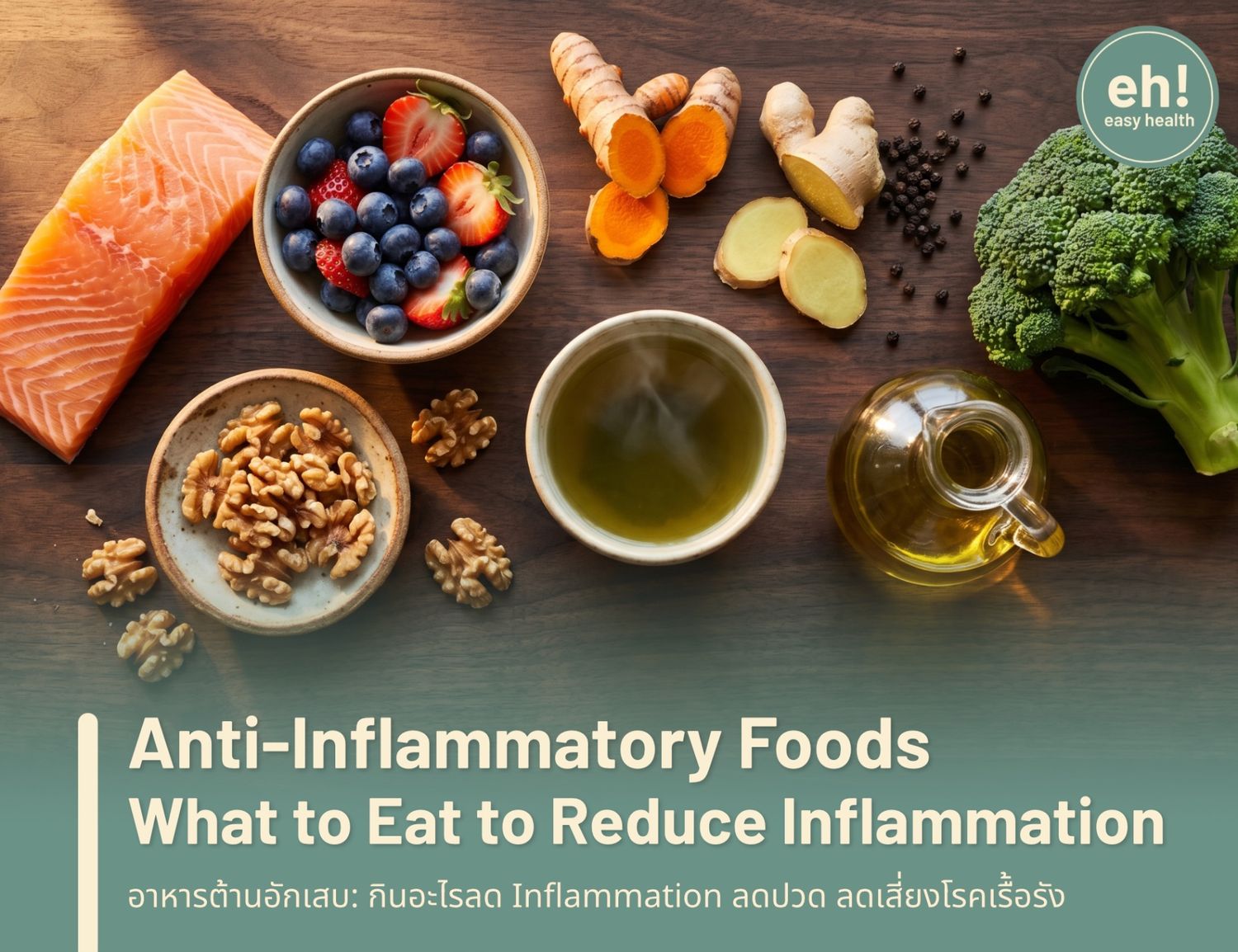
Anti-Inflammatory Foods: What to Eat to Reduce Chronic Inflammation and Feel Better Daily
You wake up stiff. Your joints ache for the first 30 minutes of the day. You feel puffy, especially around your face and midsection. Your energy is low despite sleeping 7-8 hours. Your skin is dull, maybe breaking out in ways it did not use to. You have brain fog that makes the first hour of work feel like wading through mud.
You might blame ageing, stress, or poor sleep. But there is a strong chance that what you are experiencing is chronic low-grade inflammation, a silent process happening inside your body that does not show up on standard blood tests until it has already caused significant damage.
Chronic inflammation is now recognised as the underlying driver of virtually every major disease: heart disease, type 2 diabetes, Alzheimer's, cancer, autoimmune disorders, depression, and accelerated ageing. A landmark 2019 review in Nature Medicine (Furman et al., DOI: 10.1038/s41591-019-0675-0) described chronic inflammation as "the most significant cause of death in the world today," linking it to more than 50% of all deaths globally.
The good news: inflammation is largely controlled by what you eat. The same review found that dietary patterns are one of the strongest modifiable factors determining inflammation levels. This means that changing what goes on your plate can measurably reduce chronic inflammation within weeks, reducing pain, improving energy, clearing skin, sharpening mental clarity, and reducing long-term disease risk.
This guide explains what chronic inflammation is, how it differs from acute inflammation, which foods fight it, which foods cause it, and exactly what to eat in Bangkok to build an anti-inflammatory lifestyle that is sustainable, affordable, and genuinely enjoyable.
Acute vs. Chronic Inflammation: The Critical Difference
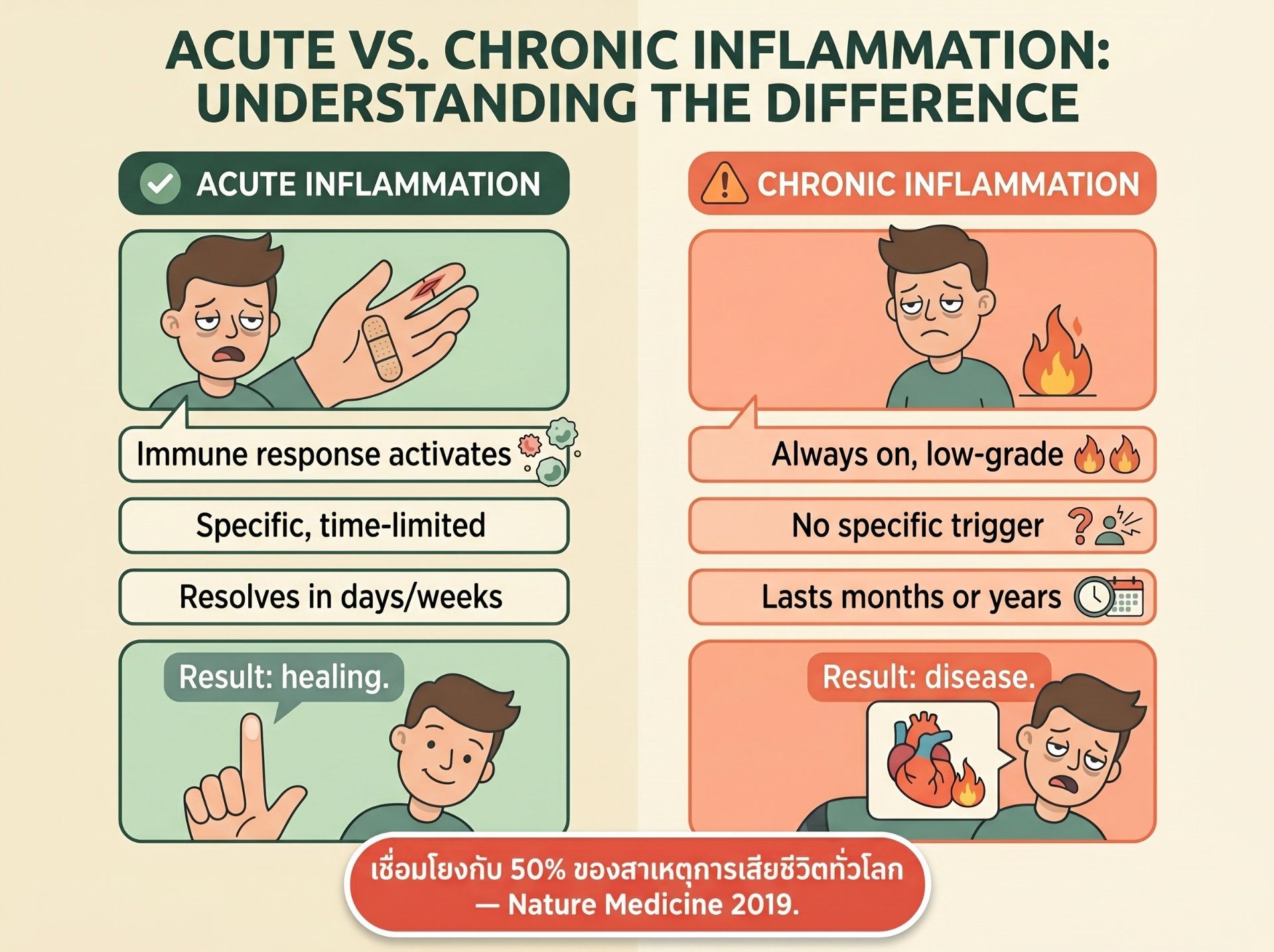
Not all inflammation is bad. Understanding the difference between acute and chronic inflammation is essential.
Acute Inflammation (Good)
When you cut your finger, twist your ankle, or catch a cold, your immune system launches an acute inflammatory response. Blood flow increases to the affected area. White blood cells arrive to fight infection and begin repair. The area becomes red, warm, swollen, and painful. This is inflammation working exactly as designed. Within days or weeks, the job is done, inflammation resolves, and healing is complete.
Chronic Inflammation (Dangerous)
Chronic inflammation is what happens when the inflammatory response never fully switches off. Instead of a focused, time-limited response to a specific threat, the immune system stays activated at a low level, constantly releasing inflammatory molecules (cytokines, C-reactive protein, interleukins) into the bloodstream.
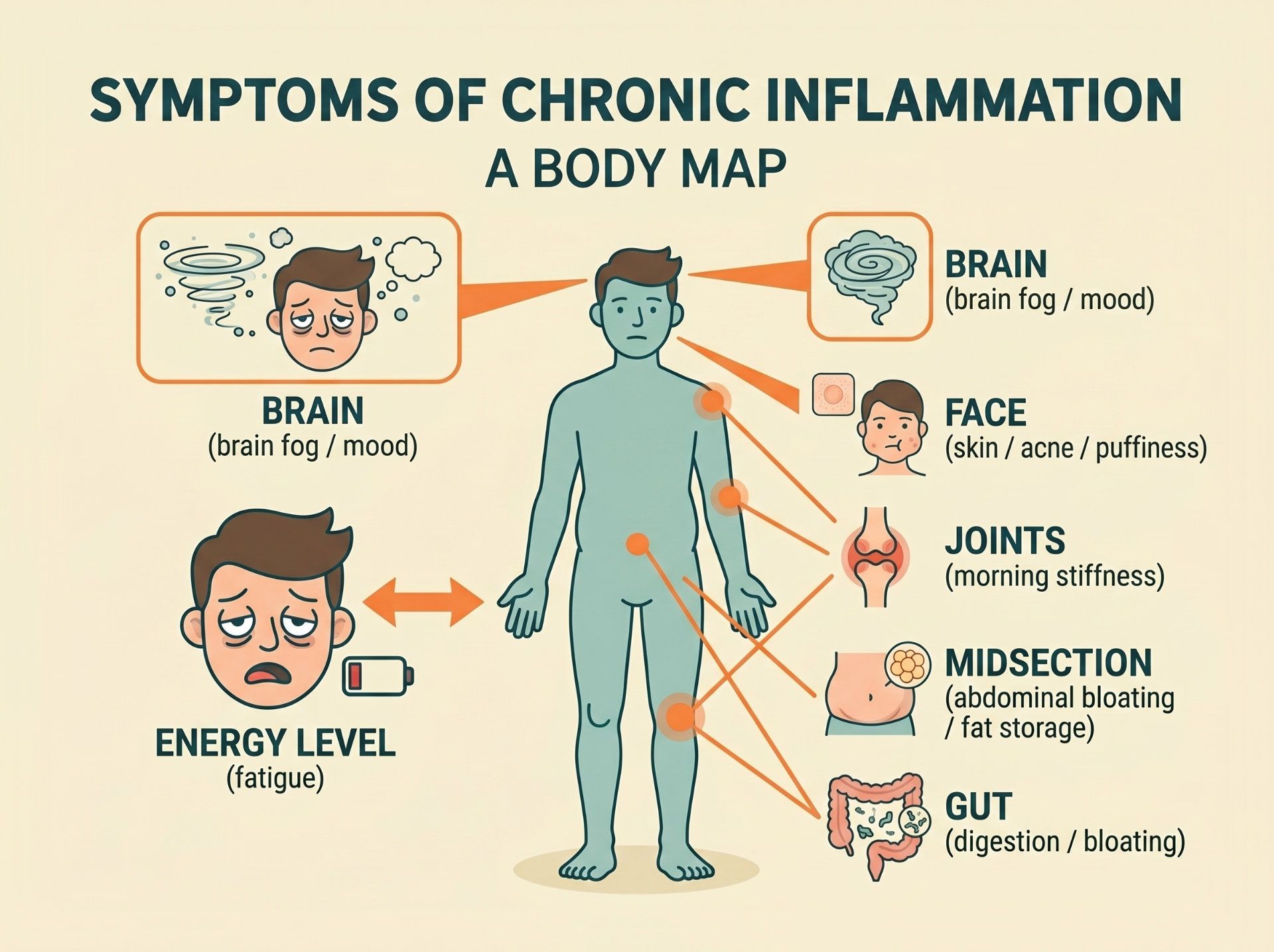
This low-grade, systemic inflammation does not cause obvious symptoms at first. You do not feel "inflamed" the way you feel a sprained ankle throb. Instead, it manifests as vague, persistent symptoms that most people dismiss:
Persistent fatigue despite adequate sleep
Joint stiffness, especially in the morning
Bloating and digestive discomfort
Unexplained weight gain, particularly around the abdomen
Skin problems (acne, eczema, premature ageing)
Brain fog and difficulty concentrating
Frequent infections (compromised immunity)
Mood disturbances (anxiety, low mood)
What Causes Chronic Inflammation?
Research identifies several primary drivers:
Diet: The single most controllable factor. High sugar, refined carbs, processed seed oils, and ultra-processed foods directly activate inflammatory pathways.
Visceral fat: Fat tissue (especially abdominal fat) actively produces inflammatory cytokines. More visceral fat = more inflammation. This creates a vicious cycle: inflammation promotes fat storage, and fat promotes inflammation.
Stress: Chronic psychological stress elevates cortisol, which in the short term suppresses inflammation but long-term dysregulates the immune system.
Poor sleep: Sleep deprivation increases inflammatory markers (CRP, IL-6, TNF-alpha) within days.
Sedentary lifestyle: Lack of physical activity allows inflammatory processes to go unchecked.
Gut dysbiosis: An imbalanced gut microbiome allows bacterial endotoxins to enter the bloodstream (metabolic endotoxemia), triggering systemic inflammation.
Environmental toxins: Air pollution, pesticides, heavy metals. Bangkok's air quality, particularly during burning season (January-April), is a significant inflammatory trigger.
The Top Anti-Inflammatory Foods (With Science)
These foods have been demonstrated in peer-reviewed clinical research to reduce markers of inflammation. They are not superfoods or fads. They are whole foods with specific compounds that modulate inflammatory pathways.
Omega-3 Fatty Acids (The Inflammation Extinguisher)
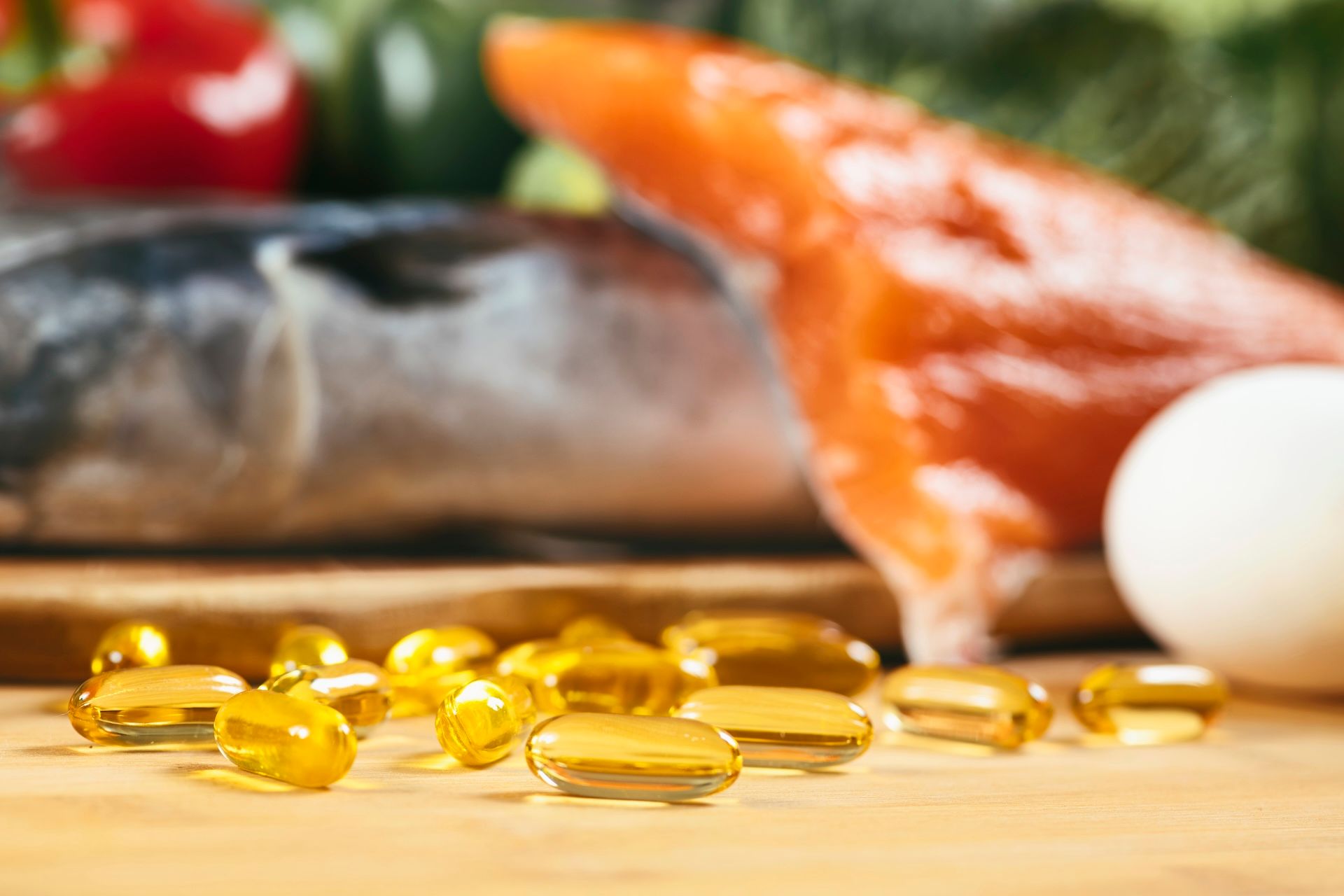
Omega-3 fatty acids (EPA and DHA) are the most potent dietary anti-inflammatory compounds identified by research. They work by competing with omega-6 fatty acids for incorporation into cell membranes, shifting the balance away from pro-inflammatory eicosanoids toward anti-inflammatory resolvins and protectins.
A 2019 meta-analysis in Atherosclerosis (DOI: 10.1016/j.atherosclerosis.2019.06.900) found that omega-3 supplementation significantly reduced CRP, IL-6, and TNF-alpha (three primary inflammatory markers) across 68 randomised controlled trials.
Best sources:
Fatty fish: salmon (strongest source), mackerel, sardines, anchovies
Chia seeds and flaxseeds (ALA form, less potent but still beneficial)
Walnuts
Fish oil supplements (if dietary intake is insufficient)
Target: 2-3 servings of fatty fish per week, or 250-500mg combined EPA+DHA daily
Colourful Vegetables and Fruits (The Polyphenol Army)
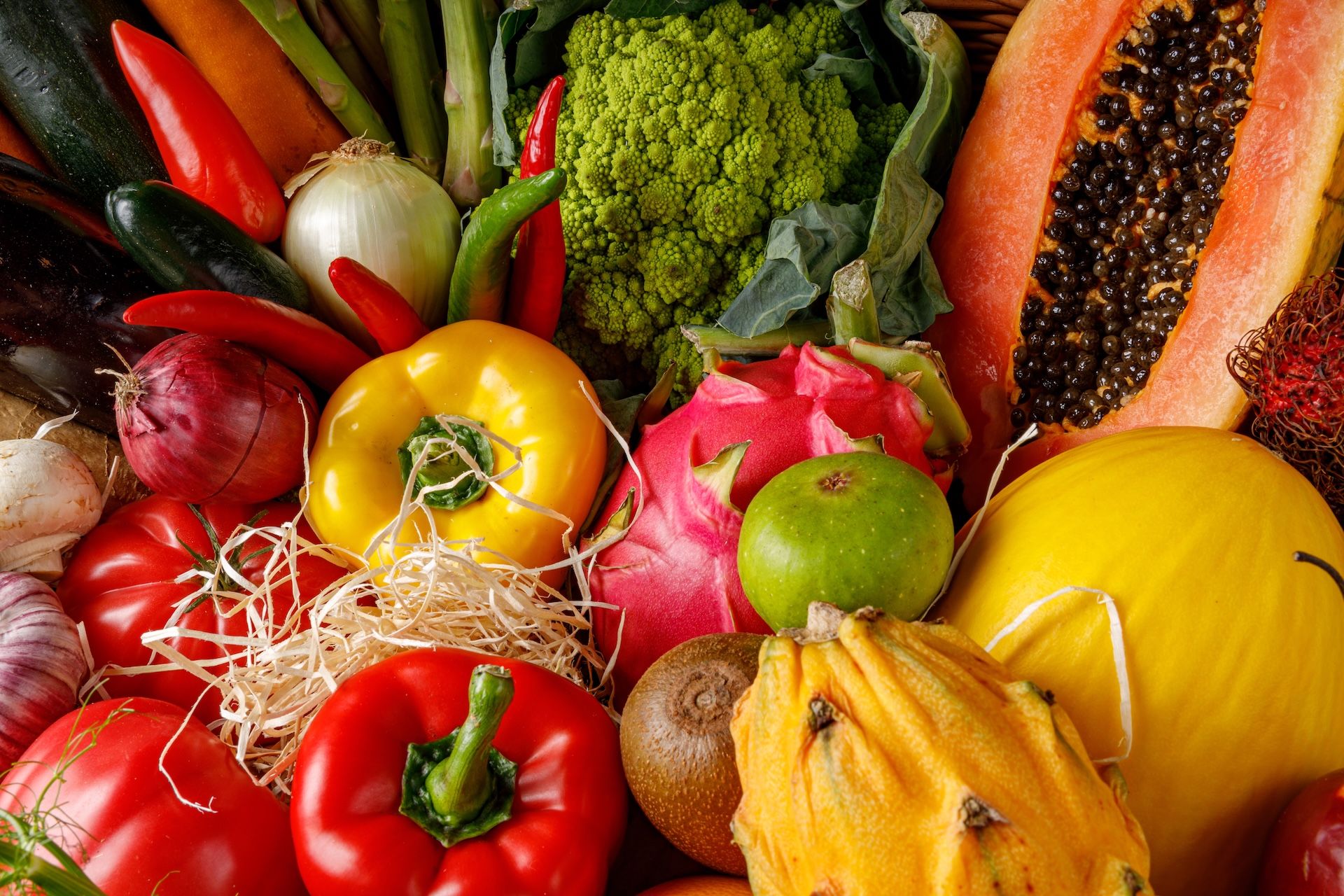
The pigments that give fruits and vegetables their colour are polyphenols, powerful antioxidant and anti-inflammatory compounds. Research in The Journal of Nutrition (DOI: 10.1093/jn/nxaa031) found that higher polyphenol intake was associated with 30% lower inflammatory markers across large population studies.
Top anti-inflammatory produce:
Dark leafy greens (spinach, kale, morning glory): Rich in lutein and chlorophyll
Berries (blueberries, strawberries, blackberries): Anthocyanins reduce NF-kB activation
Tomatoes: Lycopene reduces IL-6 and CRP
Beets: Betalains reduce oxidative stress
Cruciferous vegetables (broccoli, cauliflower, cabbage): Sulforaphane activates Nrf2 anti-inflammatory pathway
Sweet potatoes: Beta-carotene and anthocyanins (purple varieties)
Target: 5-9 servings of colourful vegetables and fruits daily. Aim for at least 3 different colours per day.
Turmeric and Ginger (Thailand's Native Anti-Inflammatories)
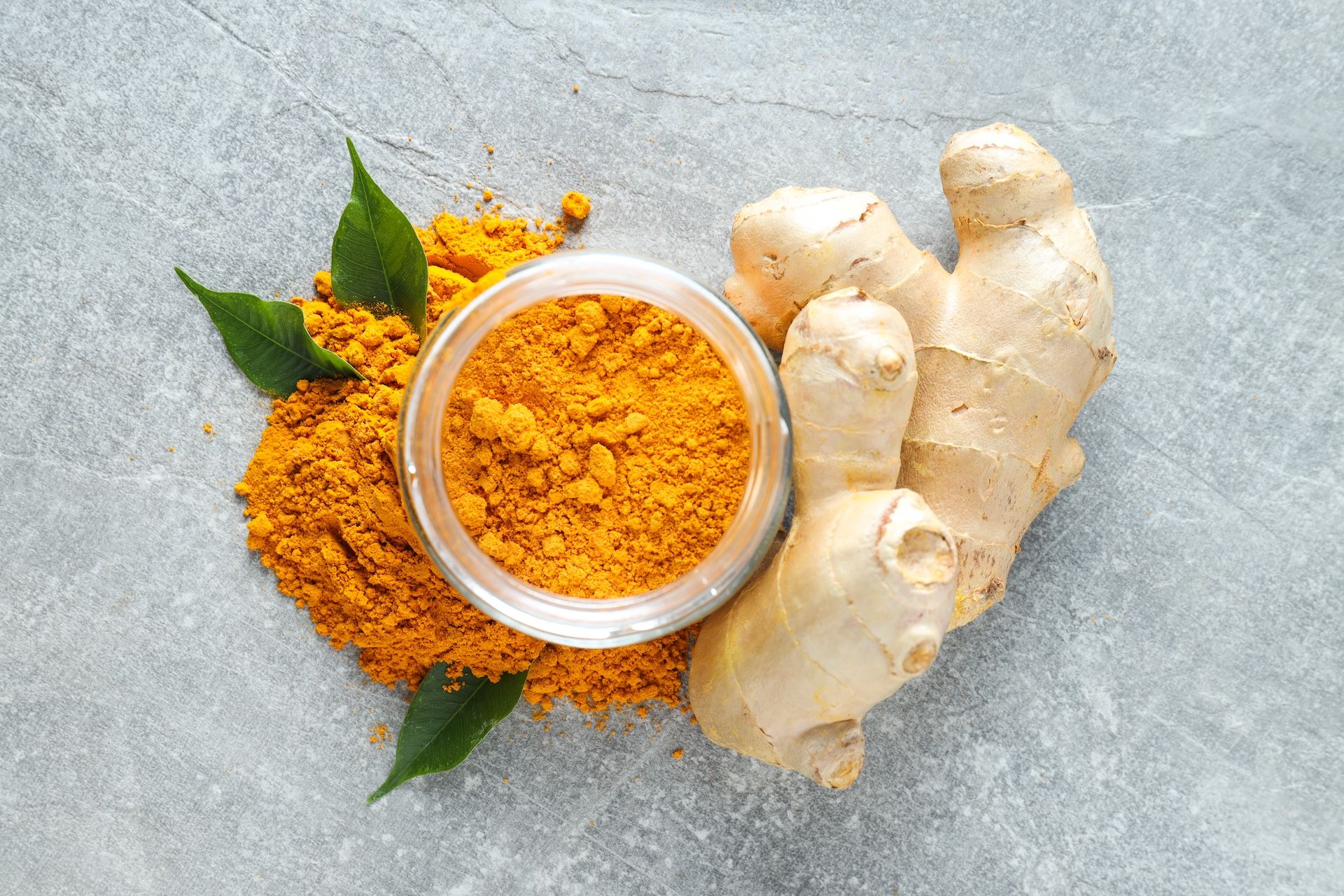
Thailand has a unique advantage here. Two of the most potent anti-inflammatory foods on the planet are staples of Thai cooking.
Turmeric (curcumin): A 2016 systematic review in the Journal of Medicinal Food (DOI: 10.1089/jmf.2016.3705) found that curcumin supplementation significantly reduced CRP, IL-6, and TNF-alpha across 8 randomised controlled trials. Curcumin works by inhibiting NF-kB, the master switch of inflammatory gene expression.
Important: curcumin is poorly absorbed alone. Black pepper (piperine) increases absorption by 2,000%. Fat also increases absorption. Thai curries that combine turmeric with coconut milk and black pepper are actually an ideal delivery system.
Ginger (gingerols and shogaols): A 2020 meta-analysis in Food & Function found that ginger supplementation significantly reduced CRP and TNF-alpha. Ginger also reduces muscle inflammation after exercise, reduces nausea, and supports gut motility.
Both are used daily in Thai cooking: curries, soups, stir-fries, and teas. If you eat traditional Thai food regularly, you are already getting significant anti-inflammatory benefit.
Extra Virgin Olive Oil (Oleocanthal)
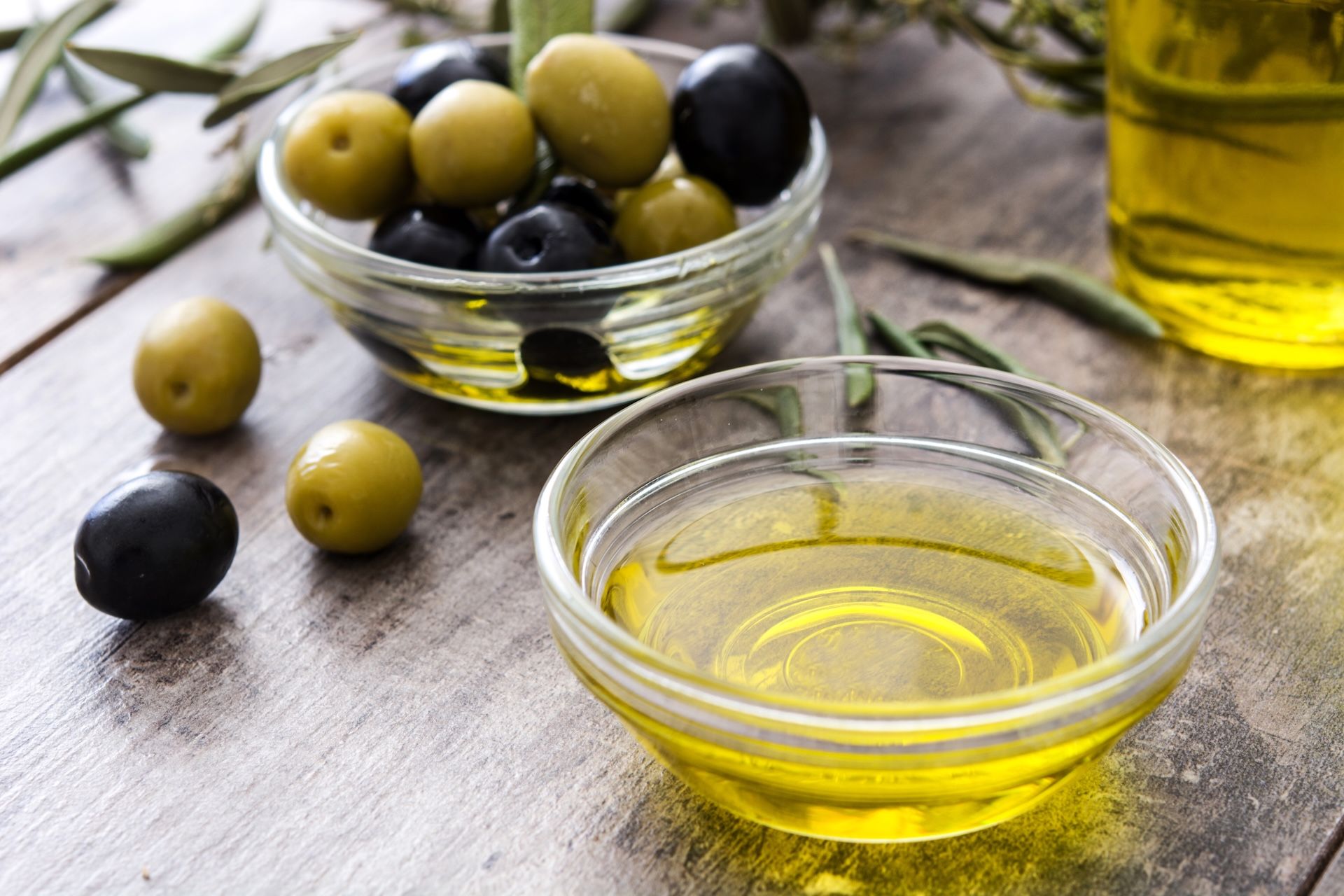
Extra virgin olive oil contains oleocanthal, a compound with anti-inflammatory effects similar to ibuprofen. Research published in Nature (Beauchamp et al., 2005, DOI: 10.1038/437045a) identified oleocanthal as a natural COX-1 and COX-2 inhibitor, the same mechanism as NSAIDs but without the side effects.
Key point: Only extra virgin olive oil (cold-pressed, unrefined) contains significant oleocanthal. Refined olive oil, vegetable oil, and seed oils do not. Use it for dressing, drizzling, and low-heat cooking.
Nuts and Seeds
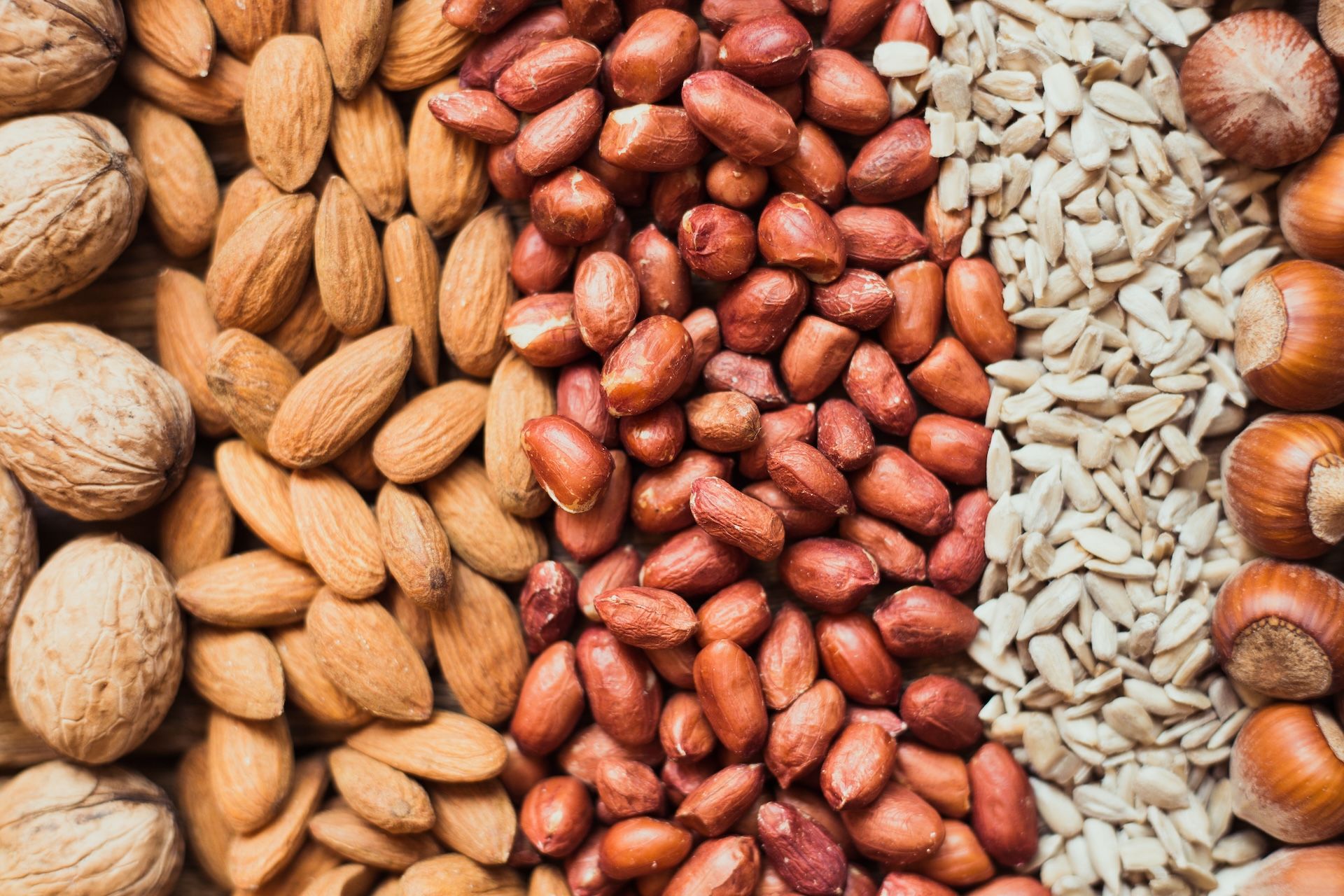
Nuts, particularly walnuts, almonds, and Brazil nuts, contain a combination of omega-3s, vitamin E, magnesium, and polyphenols that work synergistically to reduce inflammation. A 2016 study in The American Journal of Clinical Nutrition (DOI: 10.3945/ajcn.115.134205) found that regular nut consumption (5+ servings per week) was associated with 20% lower CRP and 16% lower IL-6 compared to non-consumers.
Green Tea (EGCG)
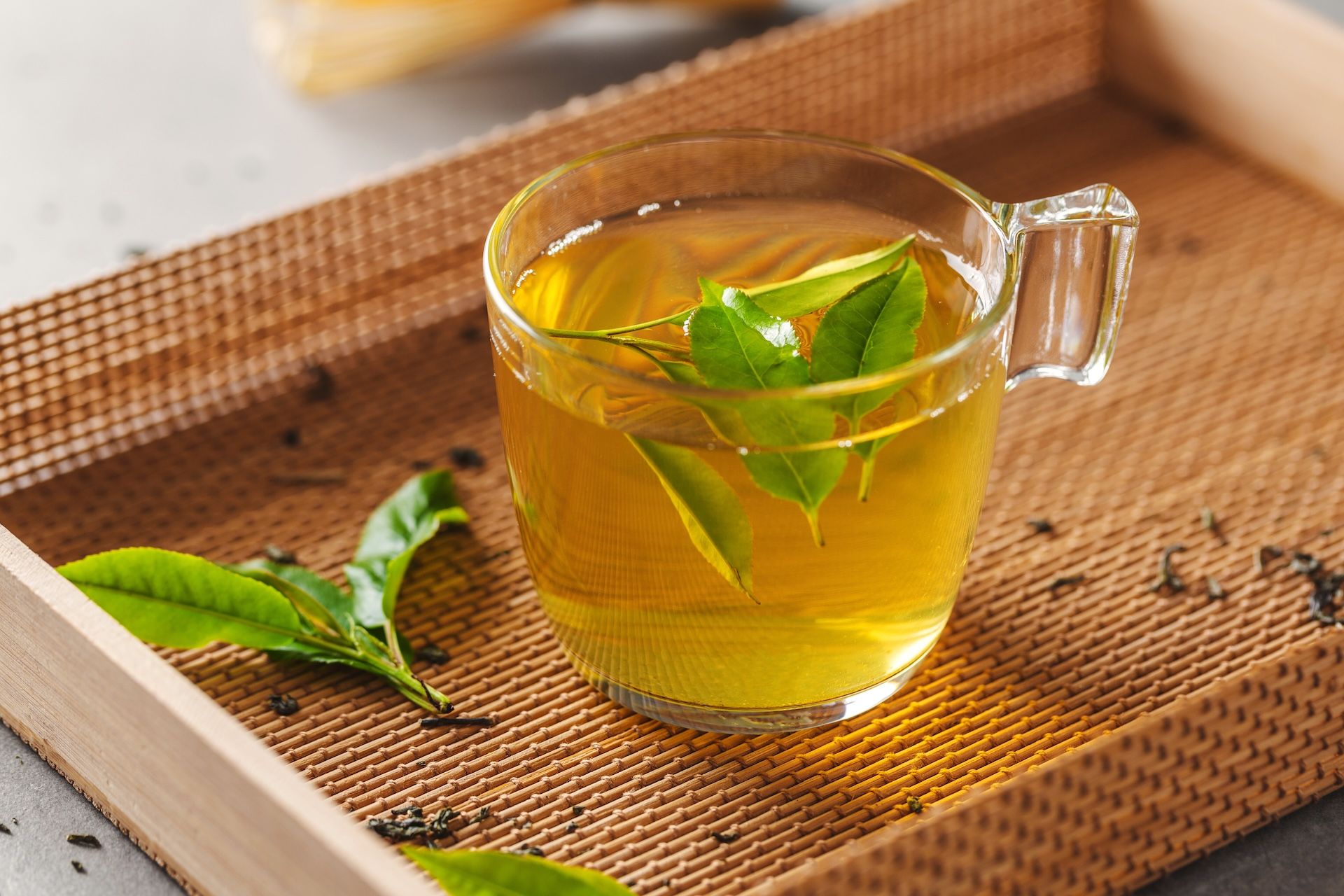
Epigallocatechin gallate (EGCG), the primary catechin in green tea, is a potent inhibitor of NF-kB and has been shown to reduce inflammatory markers in numerous clinical trials. A 2017 meta-analysis in Medicine (DOI: 10.1097/MD.0000000000006426) confirmed significant reductions in CRP with regular green tea consumption (3-4 cups per day or equivalent extract).
Foods That Cause Inflammation (The Damage List)
Knowing what to eat is half the equation. Knowing what to avoid is equally important.
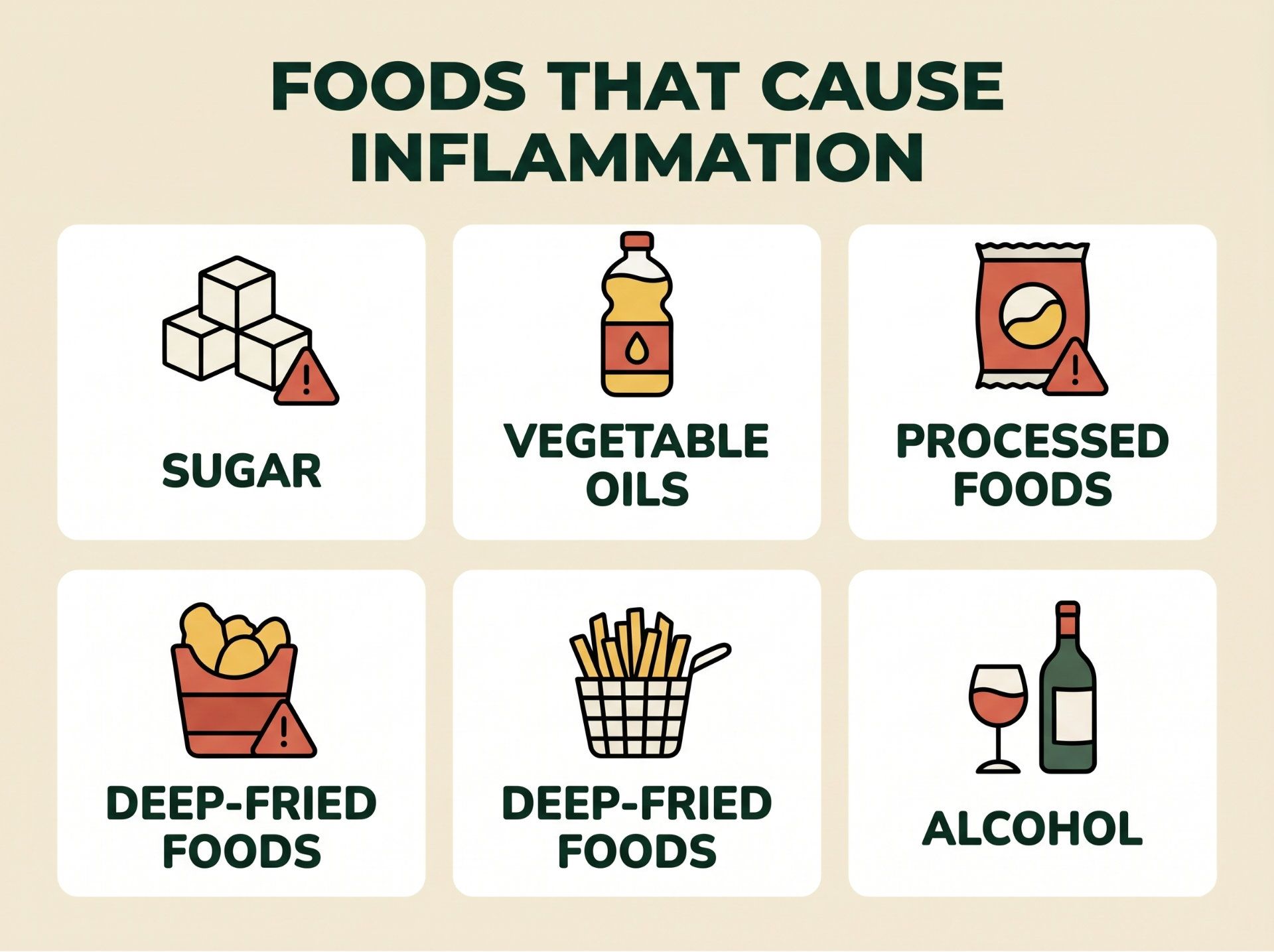
Refined Sugar and High-Fructose Corn Syrup
Sugar is arguably the most inflammatory substance in the modern diet. A 2018 study in Scientific Reports (DOI: 10.1038/s41598-018-22394-1) found that sugar consumption above 25g per day significantly increased CRP, IL-6, and TNF-alpha in healthy adults within 2 weeks.
The mechanism: excess sugar triggers the release of inflammatory cytokines, promotes insulin resistance, feeds harmful gut bacteria, and increases uric acid (which activates the NLRP3 inflammasome, a key inflammatory pathway).
Bangkok context: Thai food culture normalises high sugar intake. A single Thai iced tea contains 30-50g of sugar. That alone exceeds the threshold for inflammatory activation. Sweet sauces, condensed milk in coffee, and sugar in savoury dishes all contribute.
Processed Seed Oils (Omega-6 Overload)
Soybean oil, corn oil, sunflower oil, and cottonseed oil are extremely high in omega-6 fatty acids (linoleic acid). While some omega-6 is essential, the modern diet provides 15-20 times more omega-6 than omega-3. This ratio imbalance directly promotes the production of pro-inflammatory eicosanoids.
Bangkok context: Most street food and restaurant food in Bangkok is cooked in soybean oil or palm oil. This is one of the primary reasons that eating out frequently in Bangkok can drive chronic inflammation, even if the food appears healthy.
Ultra-Processed Foods
A 2022 study in BMJ found that each 10% increase in ultra-processed food consumption was associated with a 12% increase in inflammatory biomarkers. Ultra-processed foods combine multiple inflammatory triggers: refined carbs, seed oils, sugar, emulsifiers, and artificial additives that disrupt gut permeability.
Trans Fats
Partially hydrogenated oils (trans fats) are the most inflammatory fat type. They directly increase LDL cholesterol, decrease HDL cholesterol, and activate inflammatory pathways. While largely banned in many Western countries, trans fats still exist in some processed foods and deep-fried street food in Thailand.
Excessive Alcohol
Moderate alcohol (1 drink/day) shows mixed evidence. Heavy alcohol consumption (3+ drinks/day) is clearly pro-inflammatory, disrupting gut permeability (leaky gut) and allowing bacterial endotoxins to enter the bloodstream.
Real Anti-Inflammatory Meals in Bangkok
Theory is useful, but application is what matters. Here are real meals that follow anti-inflammatory principles, available in Bangkok today.
Easy Health Anti-Inflammatory Options
Every Easy Health meal eliminates three of the biggest inflammatory triggers: added sugar, MSG, and ultra-processed ingredients. This alone makes any meal from the menu inherently anti-inflammatory compared to typical Bangkok options.
Breakfast:
Morning Omelette: 366 kcal · 28g protein · 3g carbs · 27g fat · 225 THB. Eggs provide omega-3s (pasture-raised), choline, and complete protein. Extremely low carb means minimal insulin and inflammatory response.
Farmer Omelette: 385 kcal · 33g protein · 13g carbs · 23g fat · 229 THB. Adds vegetables for polyphenols and fibre.
Lunch:
Tom Jued Soup: 93 kcal · 14g protein · 6g carbs · 1g fat · 75 THB. Clear broth with protein. Anti-inflammatory by absence: zero sugar, zero processed oil, zero additives.
Ranchero Skillet: 589 kcal · 56g protein · 27g carbs · 29g fat · 289 THB. High protein for muscle repair with controlled carbohydrates.
Pad Thai Clean Version: 615 kcal · 39g protein · 135 THB. Uses real tamarind (anti-inflammatory antioxidants) and garlic (allicin, a potent anti-inflammatory compound).
Snacks:
Pumpkin Soup: 165 kcal · 4g protein · 14g carbs · 10g fat · 75 THB. Beta-carotene from pumpkin is a powerful anti-inflammatory antioxidant.
Hummus Bowl: 239 kcal · 13g protein · 195 THB. Chickpeas provide fibre and resistant starch; olive oil provides oleocanthal.
High-Protein Recovery:
Power Fit Combo: 1,043 kcal · 83g protein · 319 THB. For post-exercise recovery when muscle inflammation needs to be managed with adequate protein.
Browse all options with full nutritional data on the Easy Health menu.
The Anti-Inflammatory Lifestyle in Bangkok
Diet is the foundation, but other lifestyle factors significantly affect inflammation levels, and Bangkok's environment creates unique challenges:
Air Pollution
Bangkok's PM2.5 levels regularly exceed WHO guidelines, especially from January to April. Particulate matter triggers respiratory and systemic inflammation. Mitigation: use air purifiers at home and in the office, wear N95 masks on high-pollution days, and increase antioxidant-rich food intake (berries, leafy greens, vitamin C) during pollution season.
Heat and Dehydration
Chronic mild dehydration increases inflammatory markers. Bangkok's heat means you need 2.5-3.5 litres of water daily, more if you exercise outdoors. Dehydration concentrates inflammatory molecules in the blood and impairs the body's ability to clear metabolic waste. Research published in the European Journal of Clinical Nutrition found that even 1-2% dehydration elevates cortisol, which in turn activates inflammatory pathways. Practical tips: keep a water bottle visible at all times, set hourly reminders if you sit in an air-conditioned office (the cool air masks thirst), and add electrolytes on days when you sweat heavily. Coconut water (unsweetened) provides natural potassium and magnesium, both of which support anti-inflammatory enzyme function.
Stress Management
Bangkok's traffic, work culture, and urban density create chronic stress for many residents. Cortisol dysregulation from chronic stress activates NF-kB (the master inflammatory switch), upregulating the production of pro-inflammatory cytokines even when no infection or injury is present. This means that a person eating perfectly anti-inflammatory food but living in constant stress may still show elevated CRP.
Evidence-based stress reduction strategies that have been shown to lower inflammatory markers include: meditation (10-20 minutes daily reduces CRP by 15-20% according to a 2017 meta-analysis in Annals of the New York Academy of Sciences), regular moderate exercise, adequate sleep (7-9 hours, since sleep deprivation alone raises IL-6 by up to 40%), and social connection. In Bangkok specifically, finding green spaces like Lumpini Park or Benjakiti Park for walking breaks can meaningfully lower cortisol compared to staying indoors all day.
Exercise: The Anti-Inflammatory Medicine
Regular moderate exercise is powerfully anti-inflammatory. A single bout of moderate exercise triggers the release of IL-6 from muscles, which paradoxically has anti-inflammatory effects by stimulating the production of IL-10 and IL-1ra (anti-inflammatory cytokines). Research in Brain, Behavior, and Immunity (DOI: 10.1016/j.bbi.2019.04.011) found that 20-40 minutes of moderate exercise reduces TNF-alpha production by 20-30%.
Key: moderate exercise is anti-inflammatory. Extreme exercise without adequate recovery is pro-inflammatory. Balance training intensity with rest days and adequate protein for muscle recovery. Aim for 150-300 minutes of moderate activity per week, which aligns with WHO guidelines for chronic disease prevention.
How Long Does It Take to Reduce Inflammation?
The timeline for noticeable improvement depends on your starting point, but research provides clear benchmarks:
Week 1-2: Reduced bloating and improved digestion as gut inflammation decreases. Better sleep quality. Mild improvements in energy.
Week 3-4: Joint stiffness decreases. Morning stiffness resolves faster. Skin begins to clear. Brain fog lifts. Energy levels stabilise.
Month 2-3: Measurable reductions in inflammatory markers (CRP, IL-6) on blood tests. Visible changes in body composition (reduced puffiness, less abdominal bloating). Mood stabilisation.
Month 6+: Significant long-term health outcomes. Reduced disease risk markers. Improved metabolic health. The anti-inflammatory lifestyle becomes habitual and effortless.
A 2020 study in The American Journal of Clinical Nutrition found that participants following a Mediterranean-style anti-inflammatory diet showed significant reductions in CRP within just 3 weeks of dietary change.
FAQ
What are the best anti-inflammatory foods?
The most evidence-backed anti-inflammatory foods are fatty fish (salmon, mackerel, sardines) for EPA/DHA omega-3s, colourful berries (blueberries, strawberries) for anthocyanins, dark leafy greens for polyphenols, turmeric for curcumin, ginger for gingerols, extra virgin olive oil for oleocanthal, nuts (especially walnuts) for combined omega-3s and vitamin E, and green tea for EGCG. The common thread is whole, minimally processed foods rich in specific anti-inflammatory compounds. A 2019 meta-analysis confirmed that omega-3 fatty acids are the single most potent dietary anti-inflammatory, significantly reducing CRP, IL-6, and TNF-alpha.
What foods cause inflammation?
The primary dietary drivers of inflammation are refined sugar and high-fructose corn syrup (which trigger inflammatory cytokines above 25g/day intake), processed seed oils high in omega-6 (soybean, corn, sunflower oil), ultra-processed foods (emulsifiers and additives disrupt gut permeability), trans fats (directly activate inflammatory pathways), excessive alcohol (disrupts gut barrier function), and refined carbohydrates (white rice, white bread, pastries). In Bangkok specifically, the combination of sugar in Thai drinks, soybean oil in cooking, and frequent deep-fried food creates a highly inflammatory default diet.
Does inflammation cause weight gain?
Yes. Chronic inflammation and weight gain exist in a bidirectional cycle. Inflammation disrupts insulin signalling (promoting fat storage), increases leptin resistance (reducing satiety signals), and alters gut bacteria toward species that extract more calories from food. Simultaneously, visceral fat tissue actively produces inflammatory cytokines (TNF-alpha, IL-6), meaning that excess body fat directly fuels more inflammation. Breaking this cycle requires addressing both diet quality (anti-inflammatory foods) and calorie management simultaneously.
How do I know if I have chronic inflammation?
Common signs of chronic inflammation include persistent fatigue despite adequate sleep, joint stiffness (especially in the morning), unexplained weight gain around the midsection, brain fog, skin problems (acne, eczema, dullness), frequent illness, digestive issues (bloating, irregular bowel movements), and mood disturbances. Blood tests can measure specific markers: C-reactive protein (CRP) above 3 mg/L indicates elevated inflammation, while hs-CRP (high-sensitivity) below 1 mg/L is optimal. IL-6 and TNF-alpha are additional markers your doctor can test.
Can turmeric really reduce inflammation?
Yes, with strong clinical evidence. A 2016 systematic review of 8 randomised controlled trials found that curcumin (the active compound in turmeric) significantly reduced CRP, IL-6, and TNF-alpha. However, curcumin is poorly absorbed alone. Consuming turmeric with black pepper (which contains piperine, increasing curcumin absorption by 2,000%) and with fat (which improves solubility) dramatically increases bioavailability. Thai curries combining turmeric, black pepper, and coconut milk are an ideal delivery system. Supplements providing 500-2,000mg of curcumin with piperine are also effective.
How long does it take to reduce inflammation through diet?
Research shows initial improvements (reduced bloating, better sleep, more energy) within 1-2 weeks of anti-inflammatory dietary changes. Measurable reductions in inflammatory blood markers (CRP, IL-6) appear within 3-4 weeks in clinical studies. Significant systemic improvements (reduced joint pain, clearer skin, better mood, improved body composition) typically require 2-3 months of consistent anti-inflammatory eating. A 2020 study in The American Journal of Clinical Nutrition demonstrated significant CRP reductions within just 3 weeks. The key is consistency rather than perfection.
Ready to Eat Your Way to Less Inflammation?
Every meal on the Easy Health menu eliminates three major inflammatory triggers: added sugar, MSG, and ultra-processed ingredients. That is not a marketing claim. It is a production standard applied to every single dish. When you eat Easy Health, you are eating anti-inflammatory food by default.
Over 160 menu items with full macro transparency
Zero MSG, zero added sugar, zero preservatives
Cooked fresh daily and delivered across Bangkok
Full nutritional information on every package
Download the Easy Health app:
References
Furman, D., et al. (2019). Chronic inflammation in the etiology of disease across the life span. Nature Medicine, 25(12), 1822-1832. https://doi.org/10.1038/s41591-019-0675-0
Calder, P. C., et al. (2019). A systematic review of omega-3 fatty acids and inflammatory markers. Atherosclerosis, 287, 2-11. https://doi.org/10.1016/j.atherosclerosis.2019.06.900
Beauchamp, G. K., et al. (2005). Phytochemistry: Ibuprofen-like activity in extra-virgin olive oil. Nature, 437(7055), 45-46. https://doi.org/10.1038/437045a
Hewlings, S. J., & Kalman, D. S. (2017). Curcumin: A review of its effects on human health. Foods, 6(10), 92. https://doi.org/10.3390/foods6100092
Suez, J., et al. (2014). Artificial sweeteners induce glucose intolerance by altering the gut microbiota. Nature, 514(7521), 181-186. https://doi.org/10.1038/nature13793
Basu, A., et al. (2010). Berries: Emerging impact on cardiovascular health. Nutrition Reviews, 68(3), 168-177. https://doi.org/10.1111/j.1753-4887.2010.00273.x
Aune, D., et al. (2016). Nut consumption and risk of cardiovascular disease, cancer, and mortality. BMC Medicine, 14(1), 207. https://doi.org/10.1186/s12916-016-0730-3
Harvard T.H. Chan School of Public Health. The Nutrition Source: Diet and Inflammation. https://nutritionsource.hsph.harvard.edu/healthy-weight/diet-reviews/anti-inflammatory-diet/
World Health Organization. (2020). Healthy Diet. Fact Sheet. https://www.who.int/news-room/fact-sheets/detail/healthy-diet