
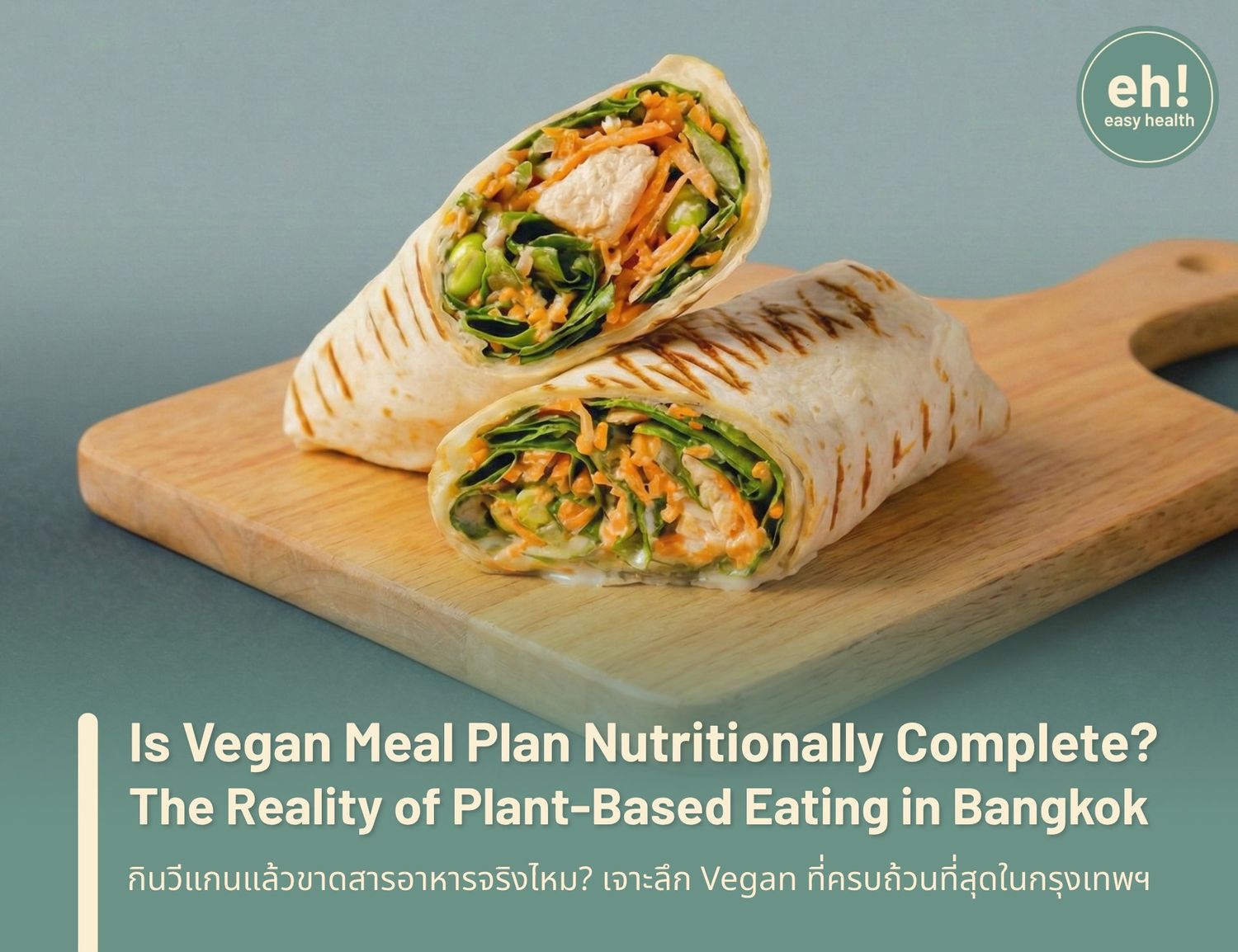
Is a Vegan Meal Plan Nutritionally Complete? The Reality of Plant-Based Eating in Bangkok
“I want to go vegan, but will I get enough protein?” “Will I feel weak or tired without meat?”
These are some of the most common concerns holding people in Bangkok back from adopting a plant-based diet. Despite the rapid global growth of veganism, the belief that plant-based eating is nutritionally incomplete still lingers.
The truth is, poor planning is usually the problem. A diet built around simple vegetable stir-fries and white rice may lack key nutrients, but that does not reflect what a well-designed vegan diet looks like. A properly structured vegan meal plan includes diverse protein sources, essential micronutrients, and balanced energy intake.
According to major health organisations, a carefully planned plant-based diet can meet all nutritional requirements at every stage of life. This article explains the science behind plant-based nutrition and shows how Easy Health creates a nutritionally complete vegan meal plan in Bangkok, supporting health, energy, and long-term sustainability without compromise.
Myth #1: “Plant Foods Don’t Provide Complete Protein”
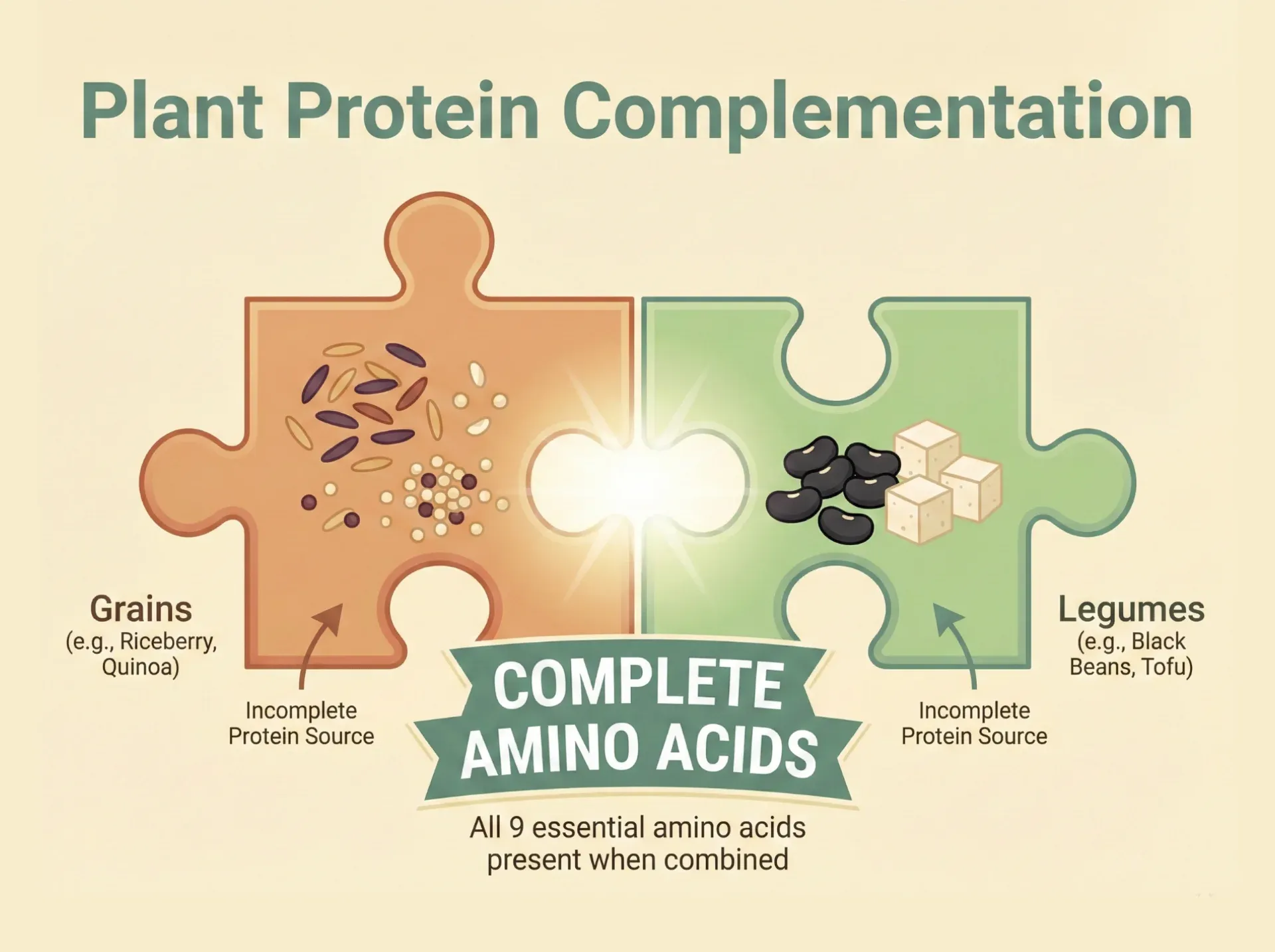
The Truth: It is absolutely possible to obtain all nine essential amino acids from plant-based foods. While animal products provide complete protein in a single source, plant proteins achieve the same result through thoughtful combinations that work together across meals.
The Strategy: We apply protein complementation. By pairing grains such as riceberry or quinoa with legumes like black beans or tofu, we create a complete amino acid profile comparable to animal protein.
Easy Health Menu: The Mega Veggie Wrap combines quinoa and black beans to form a complete protein source that supports muscle repair as effectively as traditional meat-based options.
Myth #2: “Vegan Diets Lead to Fatigue and Nutrient Deficiencies (Iron and B12)”
The Truth: Fatigue is usually the result of poor dietary planning, not the absence of animal products.
Iron: Plant-based iron, known as non-heme iron, is absorbed less efficiently on its own. To improve uptake, we pair iron-rich foods such as spinach and lentils with vitamin C sources like lime, tomatoes, and bell peppers. This combination significantly enhances iron absorption and supports healthy energy levels.
Vitamin B12: Vitamin B12 is not naturally present in plant foods. For long-term vegans, a simple supplement is recommended. Alongside this, our meals include whole grains and nuts rich in B-complex vitamins, which play a key role in energy metabolism and overall vitality.
The “Bangkok Vegan” Trap and Why DIY Often Falls Short
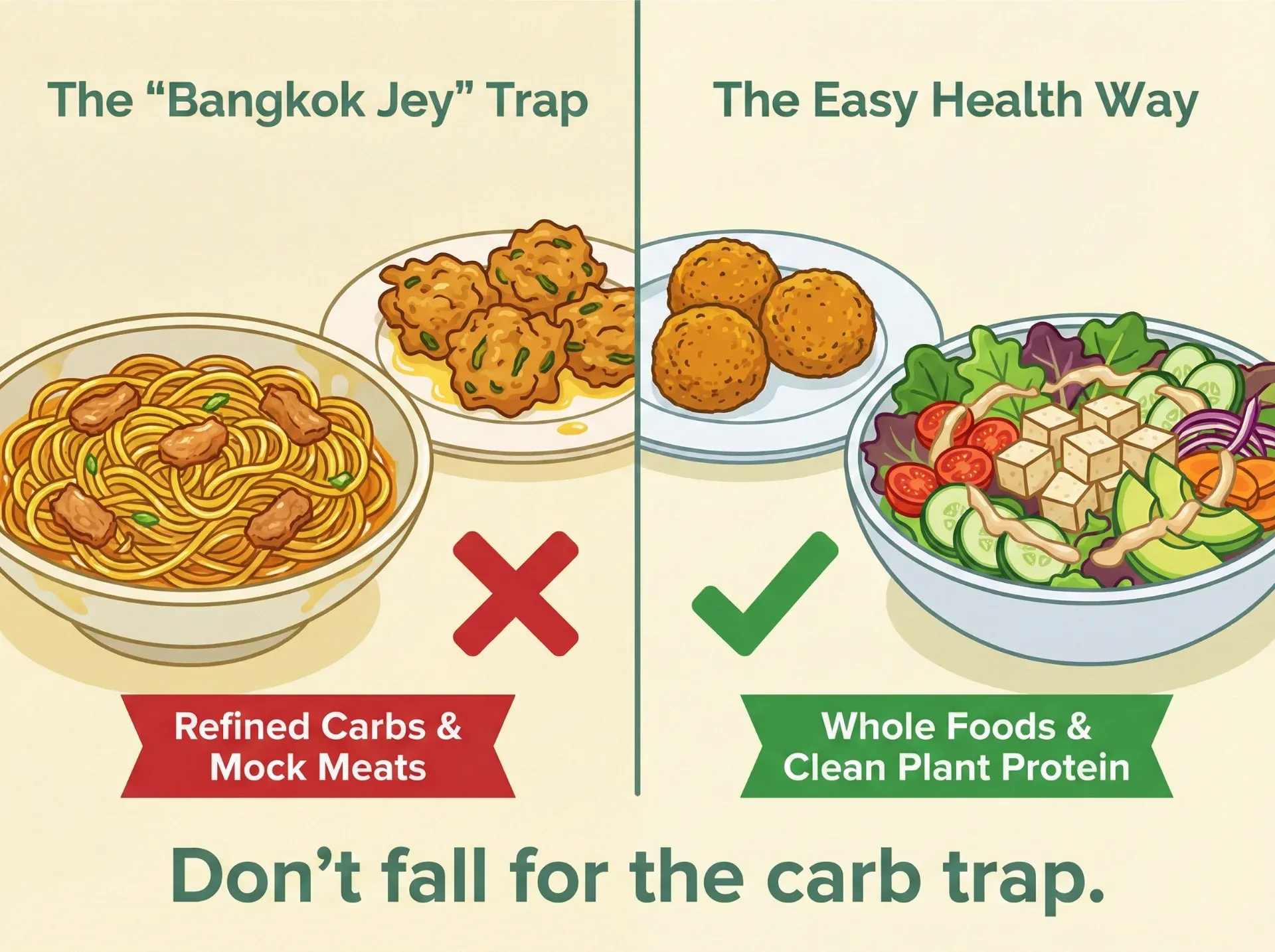
Trying to follow a vegan diet in Bangkok on your own can be challenging and nutritionally risky without careful planning.
Street Food Vegan (Jey): Many options rely heavily on mock meats made from refined gluten and cooked in low-quality oils. These meals are often high in calories but low in essential nutrients.
The Carbo Load: Cutting out animal protein can lead to overconsumption of white rice or noodles to feel full, increasing the risk of blood sugar spikes and unwanted weight gain.
The Easy Health Solution: We prioritise a whole food, plant-based approach built around minimally processed ingredients and balanced nutrition.
No Mock Meats: Meals are built around real whole foods such as tofu, tempeh, mushrooms, and beans, providing natural protein and micronutrients without heavy processing.
Good Fats: Ingredients like avocado, cashews, and olive oil are used to support fullness, nutrient absorption, and overall hormonal balance.
Inside a Nutritionally Complete Day on the Easy Health Vegan Plan
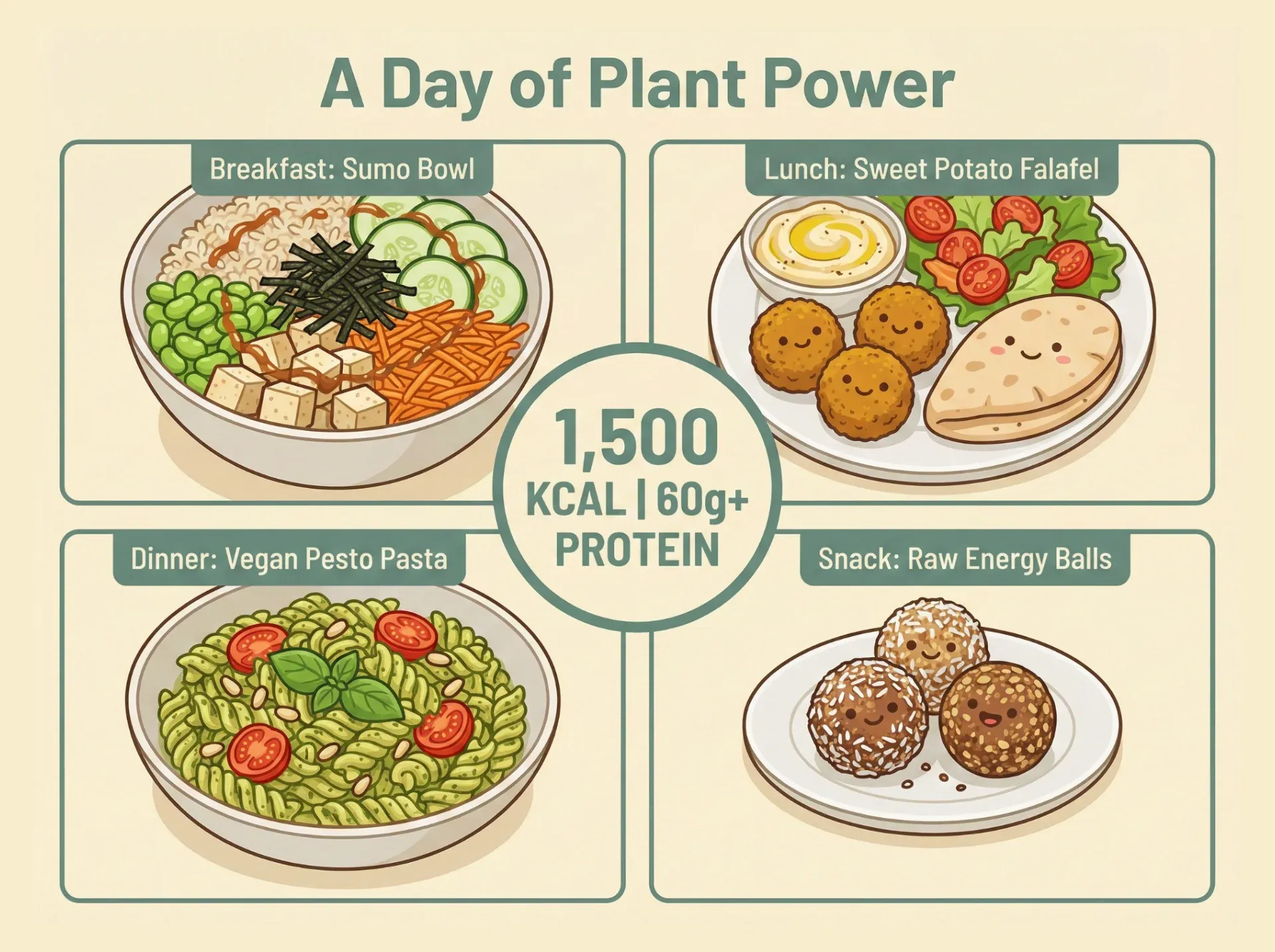
Here’s how the Easy Health Vegan Plan is structured to meet both macronutrient and micronutrient needs throughout the day:
Breakfast: Sumo Bowl with tofu and edamame. Provides high-quality soy protein and fibre to support stable blood sugar and sustained morning energy.
Lunch: Sweet potato falafel. Supplies complex carbohydrates for steady energy release, along with potassium to support fluid balance throughout the day.
Dinner: Vegan pesto pasta. Made with nuts and basil for healthy fats and calcium, paired with organic tofu to maintain protein intake in the evening.
Snack: Raw energy balls. Dates and seeds contribute iron, magnesium, and natural carbohydrates for a gentle energy lift without spikes.
Result: Around 1,500 kcal, 60 g or more of protein, high fibre intake, and zero dietary cholesterol for balanced, plant-based nutrition.
FAQ: Plant-Based Nutrition
Q1: Will I lose muscle on a vegan plan?
No, as long as calorie and protein intake are adequate. The Easy Health Vegan Plan is designed to provide enough protein to support lean muscle maintenance for most active individuals.
Q2: Is soy bad for your health?
No. This is a widely debunked myth. Moderate intake of whole soy foods like tofu and edamame has been associated with improved heart health and a reduced risk of certain cancers. We use high-quality, non-GMO soy sources in our meals.
Q3: Can I follow the Vegan Plan if I have a gluten allergy?
Yes. Many vegan options are naturally gluten-free, including riceberry, quinoa, and salads. You can customize your plan in the app to avoid wraps, pasta, or other gluten-containing items.
Go Green Without the Guesswork. Download the Easy Health App.
Avoid guesswork on street food nutrition. Choose a scientifically designed vegan meal plan that meets your needs and supports long-term health.
Start your plant-based journey with confidence:
Android: Download via Google Play Store
References
Academy of Nutrition and Dietetics. (2024). Position of the Academy of Nutrition and Dietetics: Vegetarian Diets. Retrieved from https://www.eatrightpro.org/
Harvard Health Publishing. (2024). Plant-based diets are best… or are they? Retrieved from https://www.health.harvard.edu/blog/plant-based-diets-are-best-or-are-they-2019103118122
Physicians Committee for Responsible Medicine. (2024). The Protein Myth. Retrieved from https://www.pcrm.org/good-nutrition/nutrition-information/protein