
Keto, Paleo, Vegan & Vegetarian in Thailand: What Each Actually Means and How to Choose
Four Labels, Endless Confusion. Let's Fix That.
Walk into any health-focused restaurant in Bangkok and you'll see the labels everywhere: Keto. Paleo. Vegan. Vegetarian. They're on menus, Instagram posts, food delivery apps, and product packaging.
But ask ten people what each one actually means, and you'll get twelve different answers.
That's because these terms get used loosely in Thailand. A restaurant might label something "keto" because it has no rice, even though the sauce contains 15 grams of sugar. A "vegan" dish at a food court might be cooked with fish sauce because the vendor doesn't realize fish sauce counts as an animal product. And "paleo" gets confused with "low carb" so often that the distinction has basically disappeared.
This matters because choosing the wrong eating pattern for your goals, or following one incorrectly because of unclear information, wastes time, money, and motivation. If you're going to commit to a dietary approach, you deserve to know exactly what it means, how it works with Thai food specifically, what the science says about its benefits and drawbacks, and whether it actually fits your life.
This guide covers all four approaches in depth: the real rules of each diet, which Thai foods work and which don't, how to order correctly at Thai restaurants, real menu examples from Easy Health with exact macros and prices, who each approach works best for, and a decision framework to help you choose.
Keto in Thailand: The Complete Guide
What Keto Actually Means
The ketogenic diet restricts carbohydrates to 20 to 50 grams per day, forcing your body to switch from glucose to fat (ketones) as its primary fuel source. The standard macro breakdown is roughly 65 to 75% fat, 20 to 25% protein, and 5 to 10% carbohydrates.
To put that in perspective: one cup of cooked Thai jasmine rice contains approximately 45 grams of carbs. That's potentially your entire daily carb budget in a single side dish.
The Science Behind Keto
Research published in the British Journal of Nutrition shows that ketogenic diets produce greater short-term weight loss compared to low-fat diets, primarily through reduced appetite (ketones suppress the hunger hormone ghrelin) and lower insulin levels that facilitate fat burning. A study in the Annals of Internal Medicine found improvements in triglycerides, HDL cholesterol, and blood sugar markers.
However, long-term adherence is the biggest challenge. A 2020 meta-analysis in the Journal of Clinical Lipidology found that most people struggle to maintain ketosis beyond 6 to 12 months.
Why Keto Is Uniquely Challenging in Thailand
Thai cuisine is fundamentally built on rice and noodles. Nearly every meal assumes a starch base. Beyond that, hidden carbs lurk in places most people don't expect:
Sweet chili sauce: 6 to 8 grams of sugar per tablespoon
Ketchup: 4 grams per tablespoon
Most Thai curry pastes include palm sugar by default
Pad Thai sauce contains tamarind paste and sugar
Even som tam dressing typically has 2 to 3 tablespoons of sugar
How to Do Keto with Thai Food
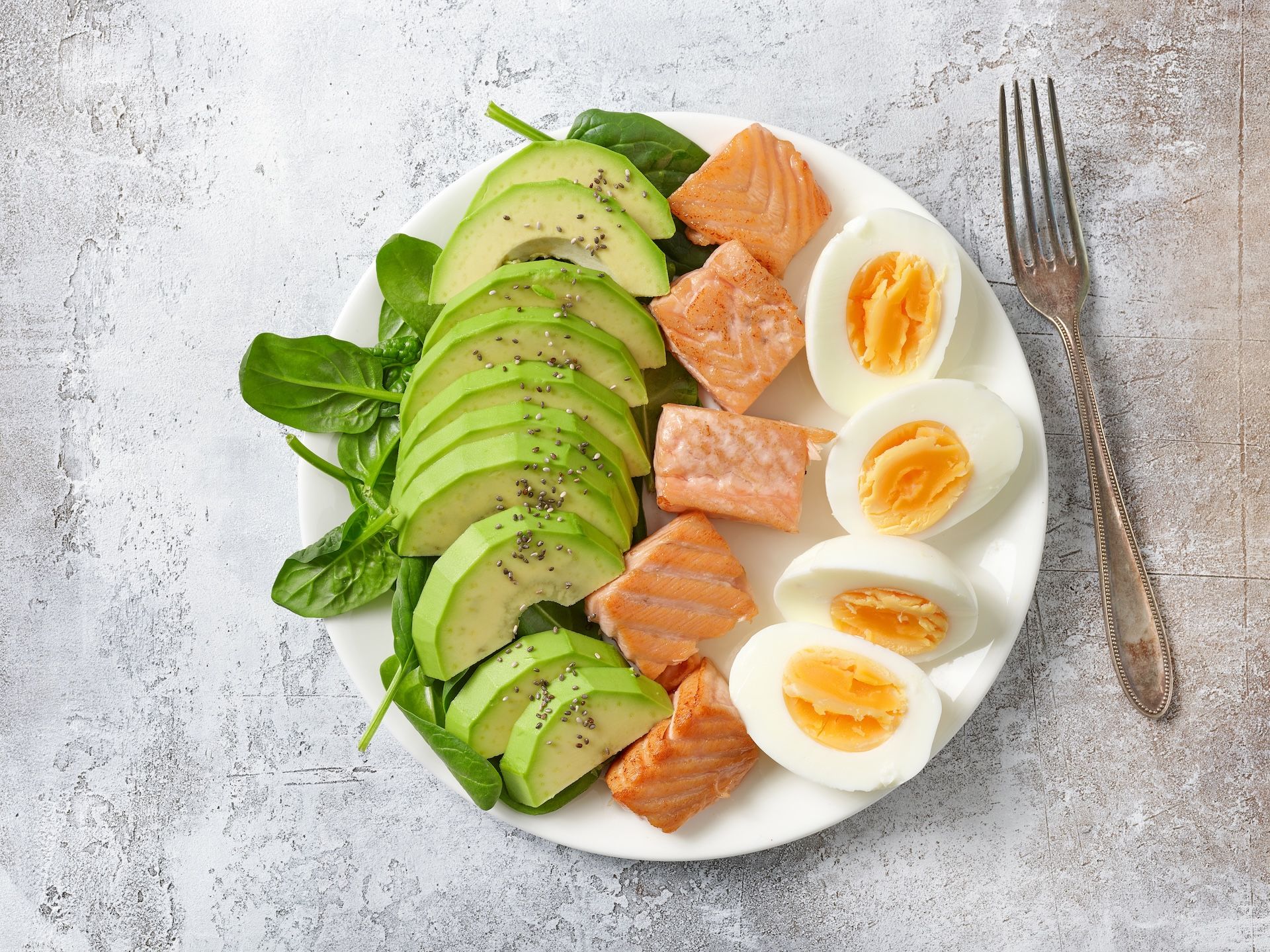
Build meals around seafood, eggs, tofu, meat, and non-starchy vegetables. Use fats from avocado, coconut cream, and olive oil. When ordering at Thai restaurants, use these phrases:
"Mai sai namtan" (no sugar)
"Mai sai see-iew waan" (no sweet soy sauce)
"Mai sai paeng" (no starch/flour)
Ask for extra vegetables instead of rice
Good keto Thai options include tom yum soup (without noodles), grilled chicken or fish, stir-fried vegetables with minimal sauce, and coconut curries served without rice.
Keto at Easy Health: Real Menu Examples
Morning Omelette (Keto-labeled) - 366 kcal, 28g protein, 3g carbs, 27g fat - 225 THB. Only 3 grams of carbs makes this an ideal keto breakfast.
Farmer Omelette - 385 kcal, 33g protein, 13g carbs, 23g fat - 229 THB. Slightly higher carbs from vegetables but still keto-friendly for most people.
Pumpkin Soup as a side - 165 kcal, 4g protein, 14g carbs, 10g fat - 75 THB. Watch the carb count and plan the rest of your day accordingly.
Dedicated Keto Plan: Easy Health offers a Keto Plan at 3,499 THB for 5 days, specifically designed for low-carb, high-fat eating with meals that keep you in ketosis without the guesswork.
Who Keto Works Best For
Keto tends to produce the best results for people who need rapid initial fat loss for motivation, who experience strong carb cravings (ketosis often reduces these), who have insulin resistance or pre-diabetes markers, and who are willing to commit to strict carb tracking. It's less ideal for endurance athletes, people who love variety in their diet, or anyone who finds strict rules unsustainable long-term.
Paleo in Thailand: The Complete Guide
What Paleo Actually Means
The paleo diet aims to eat like our pre-agricultural ancestors: whole, unprocessed foods that existed before farming. The rules are straightforward.
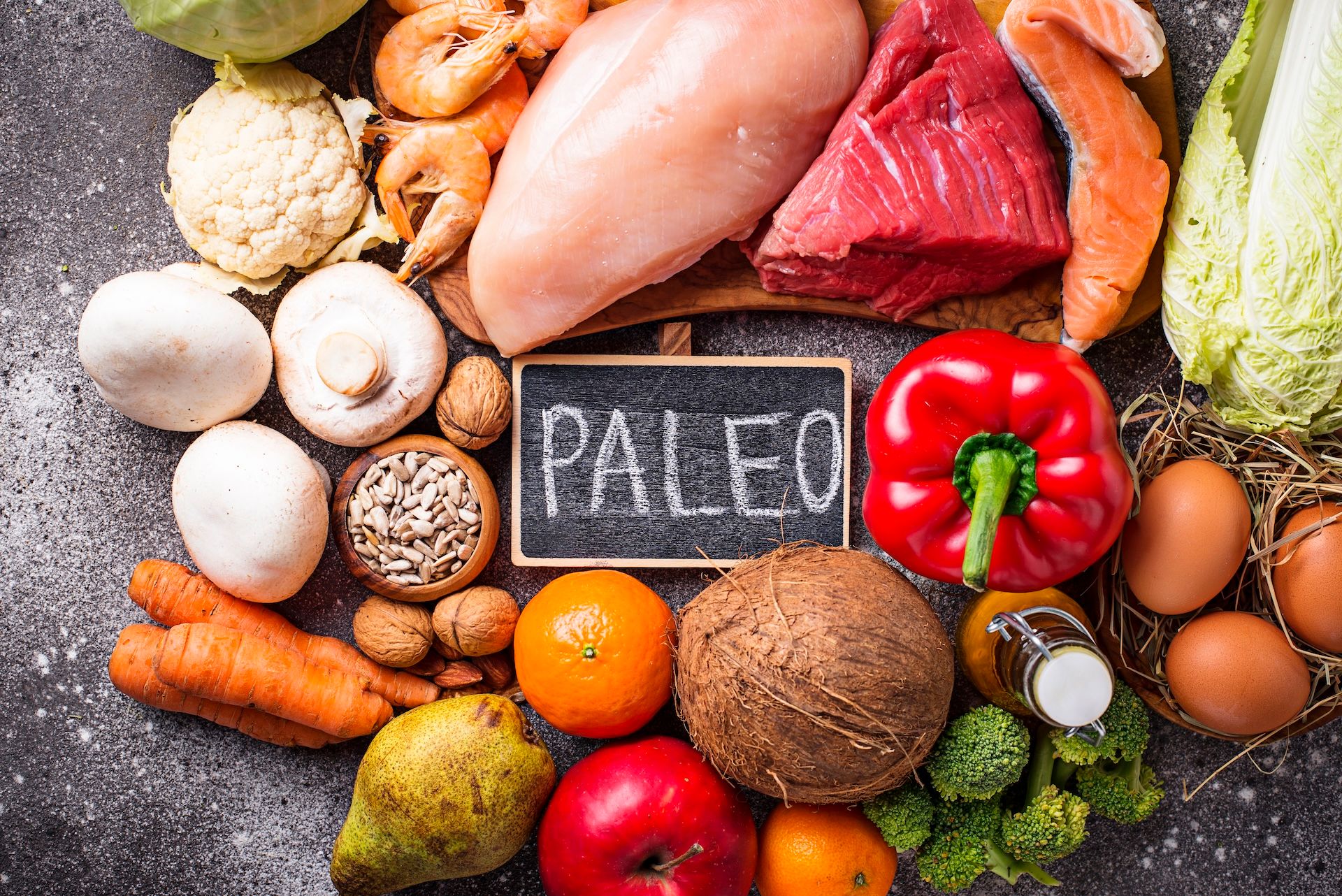
Allowed: Meat, seafood, eggs, vegetables, fruits, nuts, seeds, and healthy oils (olive, coconut, avocado).
Not allowed: Grains (all rice, noodles, bread), legumes (soybeans, peanuts, lentils, beans), dairy, refined sugar, processed foods, and seed oils (soybean, canola, sunflower).
This means some Thai ingredients that seem healthy are actually off-limits: tofu and tempeh (soy is a legume), peanuts and peanut sauce, glass noodles (made from mung beans, which are legumes), and soy sauce. Coconut milk is paleo-friendly and provides approximately 20 grams of fat per 100 ml.
The Science Behind Paleo
A 2015 meta-analysis in the American Journal of Clinical Nutrition found that paleo diets led to greater short-term improvements in waist circumference, triglycerides, blood pressure, and fasting blood sugar compared to standard dietary guidelines. The emphasis on whole foods naturally reduces processed food intake, which aligns with the strong evidence against ultra-processed diets from the 2019 NIH study.
The main scientific criticism is that the "ancestral" framing is historically questionable (pre-agricultural diets varied enormously by geography), but the practical food rules happen to align well with modern nutritional science.
Why Paleo Is Tricky in Thailand
The two biggest challenges are legumes and grains. Soy products appear everywhere in Thai cooking: soy sauce, tofu, tempeh, soybean oil. And peanuts are a staple, appearing in pad thai, som tam, satay sauce, and countless stir-fries.
Hidden non-paleo ingredients in Thai food include:
Fish sauce: paleo-friendly (it's just fermented fish and salt)
Soy sauce: not paleo (it's a legume product)
Oyster sauce: borderline (contains sugar and sometimes soy)
Most curry pastes: often contain shrimp paste (paleo-friendly) but may include sugar
Dried shrimp: paleo-friendly
How to Order Paleo at Thai Restaurants
Som tam + grilled chicken: ask "mai wan" (not sweet) and "mai sai tua" (no peanuts)
Tom yum: say "mai ao sen" (no noodles) and choose the clear broth version
Larb: ask "mai sai khao khua" (no toasted rice powder)
Any dish: "mai sai pong choo-rot" (no MSG)
Skip dipping sauces: "mai ao nam jim" (no dipping sauce)
Request coconut aminos or light soy alternatives where available
Paleo at Easy Health: Real Menu Examples
Ranchero Skillet - 589 kcal, 56g protein, 27g carbs, 29g fat - 289 THB. High-protein with eggs, lean ground meat, and vegetables. Skip any grain sides.
Tom Jued Soup - 93 kcal, 14g protein, 6g carbs, 1g fat - 75 THB. Clear broth loaded with vegetables and protein. Naturally paleo-friendly.
Acai Berry Bowl - 413 kcal, 16g protein, 275 THB. Fruits, nuts, and coconut. Check toppings for any grain-based granola.
Easy Health's Paleo-labeled items are grain-free and legume-free with straightforward dressings, making paleo ordering simple.
Who Paleo Works Best For
Paleo tends to produce the best results for people who want to eliminate processed foods without counting macros, who have digestive issues with grains or legumes, who enjoy cooking with whole ingredients, and who want a moderate approach that doesn't require strict carb tracking like keto. It's less ideal for vegetarians (limited protein sources), budget-conscious eaters (meat and seafood are expensive), or people who can't give up rice.
Vegan in Thailand: The Complete Guide
What Vegan Actually Means
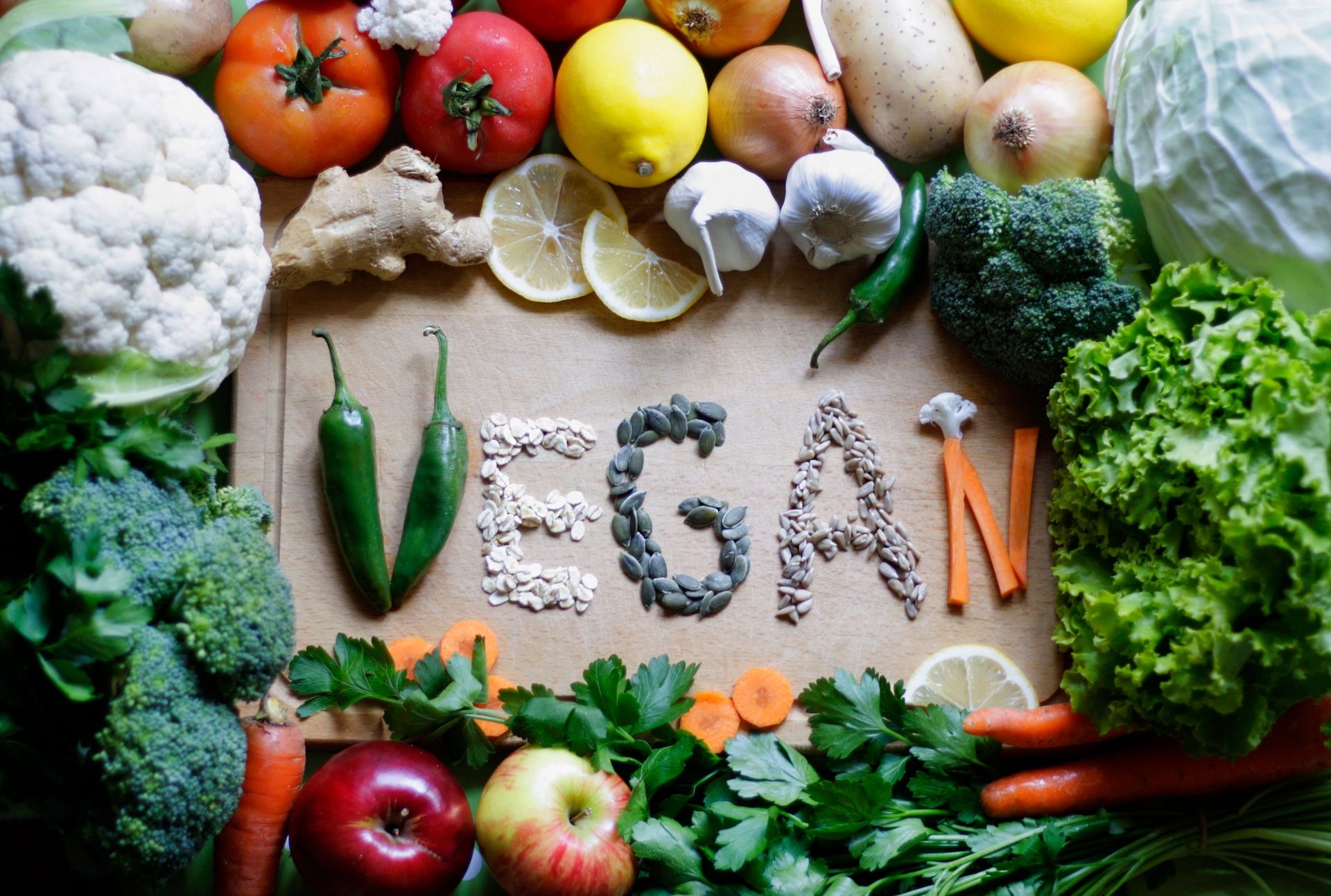
Vegan means zero animal products of any kind: no meat, no seafood, no dairy, no eggs, no honey, no gelatin, and no animal-derived additives. It's the most restrictive of the four approaches covered here.
The Science Behind Vegan Diets
A large-scale study from Oxford University published in the BMJ found that vegan diets are associated with a 25% lower risk of heart disease compared to regular meat-eating diets. Vegan diets tend to be higher in fiber, antioxidants, and certain vitamins while being lower in saturated fat and cholesterol.
The main nutritional concerns are vitamin B12 (not found in plant foods; supplementation is essential), omega-3 fatty acids (plant sources like flaxseed provide ALA, not the EPA/DHA found in fish), iron (plant iron is less bioavailable than animal iron), and protein quality (most plant proteins are incomplete, requiring strategic combining).
Why Vegan Is Especially Challenging in Thailand
Thai cooking relies heavily on animal-based seasonings that are invisible in the final dish:
Fish sauce (nam pla): Appears in virtually every savory Thai dish. It's the backbone of Thai flavor.
Shrimp paste (kapi): Used in most curry pastes and many stir-fry sauces.
Oyster sauce (nam man hoi): Standard in stir-fries and vegetable dishes.
Dried shrimp: Added to som tam, fried rice, and many noodle dishes.
Even dishes that appear meat-free often contain multiple animal ingredients in the sauce base. This makes ordering vegan at standard Thai restaurants genuinely difficult without explicit communication.
Key Thai Phrases for Vegan Ordering
"Mai sai nam pla" (no fish sauce)
"Mai sai kapi" (no shrimp paste)
"Mai sai nam man hoi" (no oyster sauce)
"Mai sai khai" (no egg)
"Mai sai nom" (no milk/dairy)
You can say "Gin jay" (I eat jay/Buddhist vegan), but note that jay-style cooking also excludes garlic, onions, and strong-flavored herbs. If you want garlic and onions, specify "gin vegan" instead and list the specific animal ingredients to avoid.
Vegan Protein Sources Available in Thailand
Meeting protein targets on a vegan diet in Thailand requires intentional planning:
Tempeh: 18 to 20g protein per 100g (the best plant protein option)
Firm tofu: 8 to 12g protein per 100g
Edamame: 11g protein per 100g
Soy milk: 6 to 8g protein per cup
Peanuts: 7g protein per 30g serving
Cooked lentils: 9g protein per 100g
The challenge is that most vegan meals in Bangkok provide only 10 to 15 grams of protein. Reaching the recommended 1.2 to 1.6g per kg of body weight requires deliberate protein stacking at every meal.
Vegan at Easy Health: Real Menu Examples
Hummus Bowl - 239 kcal, 13g protein, 195 THB. Light, protein-rich, plant-based.
Peanut Butter Berry Jam Bowl - 431 kcal, 21g protein, 175 THB. High in healthy fats and plant protein.
Pumpkin Soup - 165 kcal, 4g protein, 14g carbs, 10g fat, 75 THB. Warm, comforting, naturally vegan.
Easy Health's Vegan-labeled items are clearly marked and can be built to reach 20 to 30 grams of protein per meal by combining tofu, tempeh, legumes, and whole grains.
Dedicated Vegetarian Plan: The Vegetarian Plan (1,400 to 1,600 kcal, 2,799 THB/5 days) includes many vegan-friendly options with macro-balanced plant-based meals daily.
Who Vegan Works Best For
Vegan diets tend to work best for people motivated by ethical/environmental reasons (motivation sustains adherence), who enjoy cooking and are willing to learn plant-based protein strategies, who have cardiovascular risk factors (vegan diets show strong heart health benefits), and who are willing to supplement B12, omega-3s, and potentially iron. It's less ideal for people who don't want to plan meals carefully, athletes needing very high protein (difficult above 120g/day on plants alone), or people with soy allergies.
Vegetarian in Thailand: The Complete Guide
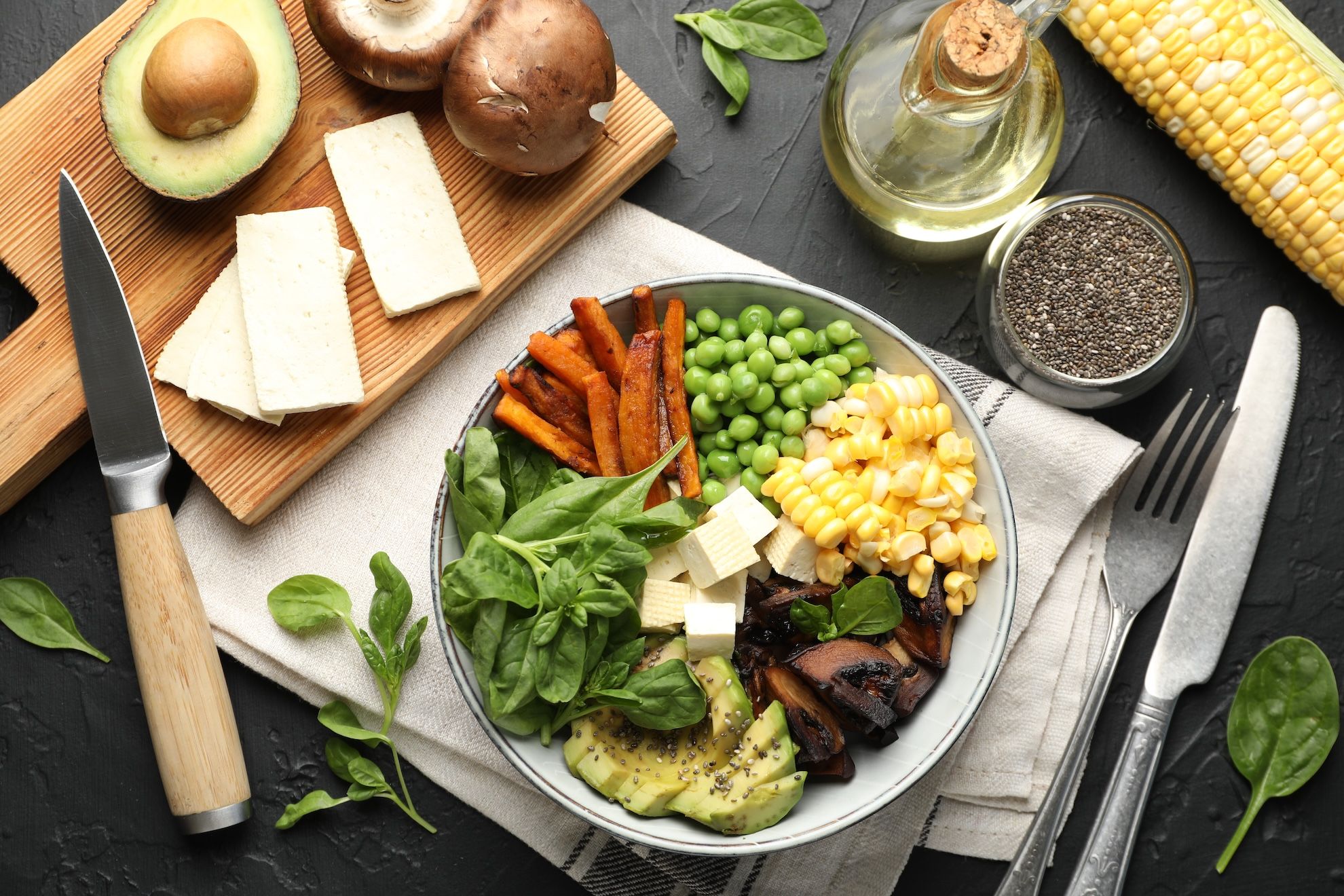
What Vegetarian Actually Means
Vegetarian means no meat and no seafood, but typically allows eggs and dairy. In Thailand, there are important distinctions:
Mangsawirat (มังสวิรัติ): Thai vegetarian. Allows eggs and dairy. Most flexible option.
Jay (เจ): Buddhist vegan. No animal products AND no garlic, onions, or strong-flavored herbs. Stricter than Western vegan in some ways.
Most Western-style vegetarians in Bangkok follow the mangsawirat approach.
The Science Behind Vegetarian Diets
The EPIC-Oxford study, one of the largest dietary cohort studies ever conducted, found that vegetarians had a 22% lower risk of heart disease compared to meat eaters. Vegetarian diets are associated with lower BMI, lower blood pressure, and reduced risk of certain cancers.
The nutritional advantages over vegan diets are significant: eggs provide complete protein with all essential amino acids plus B12 and vitamin D, while dairy adds calcium and additional protein. This makes meeting nutritional targets considerably easier.
Vegetarian Challenges in Thailand
The main challenge isn't avoiding meat (that's straightforward). It's avoiding hidden animal ingredients in cooking bases:
Chicken or pork stock in soups and stir-fries (very common, often undeclared)
Dried shrimp in fried rice, noodle dishes, and salads
Fish sauce in virtually everything
Shrimp paste in curry pastes
Prik pao (roasted chili jam) often contains dried shrimp
Thai Phrases for Vegetarian Ordering
"Nam sup phak" (vegetable broth) when ordering soups
"Mai ao nam sup gai/muu" (no chicken/pork stock)
"Mai ao kung haeng" (no dried shrimp)
"Mai ao prik pao" (no chili jam, it often contains shrimp and sugar)
"Chai si-iew khao" (use light soy) as a fish sauce substitute
"Mai sai nam pla" (no fish sauce)
Vegetarian Protein: Easier Than You Think
With eggs and dairy allowed, hitting protein targets is much more achievable:
3 eggs: 18g protein (plus B12, vitamin D, choline)
Greek yogurt 200g: 20g protein
Firm tofu 100g: 8 to 12g protein
Cottage cheese 100g: 11g protein
Edamame 100g: 11g protein
A well-planned vegetarian day can easily exceed 80 to 100 grams of protein without any meat.
Vegetarian at Easy Health: Real Menu Examples
Morning Omelette - 366 kcal, 28g protein, 3g carbs, 27g fat - 225 THB. Eggs with fresh vegetables. Perfect vegetarian breakfast.
Acai Berry Bowl - 413 kcal, 16g protein, 275 THB. Fruits, granola, coconut. Great plant-based snack.
Hearty Breakfast Wrap (vegetarian version) - 375 kcal, 27g protein, 179 THB. Eggs, vegetables, whole wheat tortilla.
Pumpkin Soup + Hummus Bowl combo - 404 kcal, 17g protein, 270 THB. Filling and macro-balanced.
Dedicated Vegetarian Plan: Easy Health's Vegetarian Plan (1,400 to 1,600 kcal, 2,799 THB/5 days) provides macro-balanced plant-based meals with eggs and dairy options, ensuring you hit protein targets without the planning hassle.
Who Vegetarian Works Best For
Vegetarian diets work best for people who want to reduce meat consumption for health or ethical reasons without extreme restriction, who want an easier transition than going fully vegan, who enjoy eggs and dairy and don't want to give them up, and who want straightforward protein sourcing without careful combining. It's the most sustainable of the four approaches for the average person because it's the least restrictive while still delivering significant health benefits.
The Comparison: Which Diet Actually Fits Your Life in Bangkok?
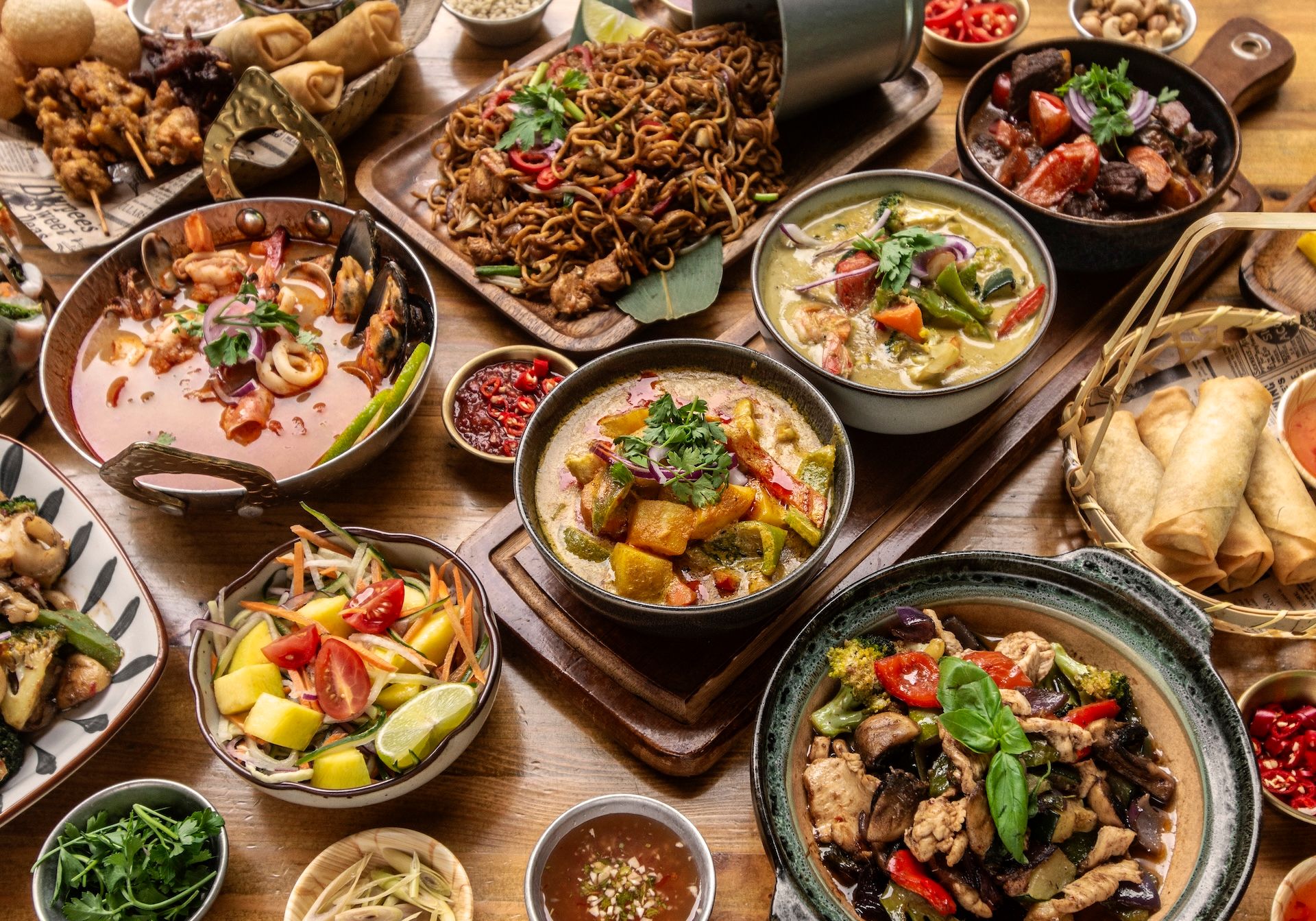
Now that you understand what each approach really means, here's how they compare across the factors that actually matter for daily life in Thailand.
Factor 1: Ease of Following in Bangkok
Easiest: Vegetarian. Eggs and dairy are everywhere, and avoiding meat is straightforward.
Moderate: Keto. Doable but requires constant carb vigilance around rice and noodles.
Challenging: Paleo. Avoiding all grains, legumes, and soy in Thailand is a daily battle.
Hardest: Vegan. Hidden animal ingredients in Thai sauces make every meal a conversation.
Factor 2: Protein Adequacy
Easiest to hit targets: Keto and Paleo (both include animal protein freely).
Moderate: Vegetarian (eggs and dairy help significantly).
Most challenging: Vegan (requires deliberate stacking at every meal).
Factor 3: Long-Term Sustainability
Most sustainable: Vegetarian. Least restrictive, most socially flexible.
Moderate: Paleo. Restrictive but allows enough variety for most people.
Lower sustainability: Keto. Most people struggle beyond 6 to 12 months.
Variable: Vegan. High sustainability if ethically motivated; lower if purely health-motivated.
Factor 4: Cost in Bangkok
Most affordable: Vegetarian. Eggs, tofu, and dairy are cheap.
Moderate: Vegan. Plant proteins are affordable but specialty items add up.
Higher cost: Keto and Paleo. Reliance on meat, seafood, and specialty fats increases grocery bills.
Factor 5: Weight Loss Effectiveness
Fastest initial results: Keto (water weight loss plus appetite suppression).
Steady results: All four approaches can produce weight loss if calories are managed.
Key insight: No diet produces lasting weight loss without a sustained calorie deficit. The best diet for weight loss is the one you can actually follow consistently.
Decision Framework: Choose Your Approach
Choose Keto if: You want rapid initial fat loss, you can commit to strict carb tracking, you don't mind giving up rice and noodles completely, and you have specific metabolic goals (insulin resistance, blood sugar management).
Choose Paleo if: You want to eliminate processed foods without counting every macro, you enjoy cooking with whole ingredients, you don't have budget constraints on protein sources, and you want a moderate approach between keto strictness and general clean eating.
Choose Vegan if: You're motivated by ethical or environmental concerns (this sustains long-term adherence), you're willing to learn plant protein strategies, you're committed to B12 supplementation, and you enjoy the cooking challenge of creative plant-based meals.
Choose Vegetarian if: You want significant health benefits with minimal lifestyle disruption, you enjoy eggs and dairy and don't want to give them up, you want the easiest social dining experience of all four options, and you're looking for the most sustainable long-term approach.
Not sure? Start with Vegetarian. It's the gentlest entry point, delivers real health benefits, and you can always tighten your approach later (go vegan, try keto for a period, etc.) once you've built the habit of eating intentionally.
Any Approach Works Better with the Right Support
Whichever eating pattern you choose, the biggest challenge in Bangkok is execution. Knowing the rules is one thing. Following them consistently when you're busy, tired, and surrounded by food that doesn't fit your approach is another.
Easy Health removes that friction. Every menu item is clearly labeled for Keto, Paleo, Vegan, and Vegetarian compatibility. Every dish shows exact calories, protein, carbs, and fat. Nothing contains added sugar or MSG. And with 160+ menu items across Thai and international cuisines, you never have to compromise your dietary approach because of limited options.
With 6 meal plans (Lean at 1,899 THB/5 days, Balance at 3,399 THB/5 days, Active at 3,499 THB/5 days, Athlete at 4,799 THB/5 days, Keto at 3,499 THB/5 days, and Vegetarian at 2,799 THB/5 days), there's a structured option for every approach and every budget.
Browse the full menu at easyhealth.asia/menu or find your plan at easyhealth.asia/meal-plans.
FAQ
Which diet is best for weight loss in Thailand?
All four approaches can produce weight loss if you maintain a calorie deficit. Keto often shows the fastest initial results (partly water weight, partly appetite suppression), but long-term weight loss depends entirely on consistency. Research consistently shows that the best diet for lasting results is the one you can actually follow for months and years. If keto feels too restrictive after 3 months, the weight comes back. A moderate vegetarian approach you follow for 2 years will produce better long-term results than a strict keto diet you abandon after 8 weeks.
Can I switch between these diets?
Yes, and many people do. A common pattern is starting with keto for 2 to 3 months for rapid fat loss, then transitioning to a less restrictive approach like paleo or vegetarian for long-term maintenance. The key is making each transition intentionally rather than just "falling off" one diet and randomly starting another. Give each approach at least 4 to 6 weeks before evaluating whether it's working for you.
How do I get enough protein on a vegan diet in Bangkok?
It requires deliberate planning but is absolutely doable. Focus on combining protein sources at every meal: tempeh (18-20g per 100g), firm tofu (8-12g per 100g), edamame (11g per 100g), lentils (9g per 100g), and soy milk (6-8g per cup). Aim for 3 to 4 protein sources per meal. Easy Health's vegan-labeled items are designed to reach 20 to 30 grams per meal. The biggest mistake vegan beginners make is relying too heavily on carbohydrate-based foods (rice, noodles, bread) without intentionally building protein into every meal.
Is keto safe long-term?
Short-term keto (3 to 6 months) has strong safety data and proven benefits for weight loss and metabolic markers. Long-term keto (beyond 12 months) has less research, and some studies raise concerns about cardiovascular effects from sustained high saturated fat intake. Most nutrition researchers recommend using keto as a tool for specific goals rather than a permanent eating pattern. Cycling between keto and a moderate approach (like paleo or clean eating) is a common strategy that captures the benefits while managing potential long-term risks.
What's the difference between "jay" and vegetarian in Thailand?
Jay (เจ) is much stricter than Western vegetarian. Jay excludes all animal products (like vegan) PLUS garlic, onions, and strong-flavored herbs. It comes from Chinese Buddhist dietary traditions. Standard Thai vegetarian (mangsawirat) is closer to Western vegetarian: no meat or seafood, but eggs and dairy are allowed. When ordering, saying "gin jay" signals the strictest version, while "gin mangsawirat" or "I'm vegetarian" (for English speakers) signals the more flexible approach.
Do I need supplements on any of these diets?
Vegan diets require B12 supplementation (non-negotiable, as B12 is only found in animal foods). Omega-3 (DHA/EPA from algae oil) and iron are also worth considering. Keto dieters often benefit from electrolyte supplementation (sodium, potassium, magnesium), especially during the first 2 weeks. Paleo and vegetarian diets generally don't require supplements if you eat varied whole foods, though a vitamin D supplement is wise for anyone living in a city (even sunny Bangkok, since most people work indoors).
Download the Easy Health App and Eat Your Way, Effortlessly
Whatever dietary approach you follow, the Easy Health app makes it simple. Clear labels for Keto, Paleo, Vegan, and Vegetarian. Full macro transparency on every dish. Zero added sugar. No MSG. Over 160 menu items so your diet never feels limiting.
What you get:
Easy Ordering - Browse 160+ menu items with clear dietary labels, plan your week, and order in seconds
Full Nutrition Tracking (Calories & Macros) - See exact calories, protein, carbs, and fat for every dish. Match your dietary targets without guesswork
Personalized Meal Plans - Choose from 6 plans (Lean, Balance, Active, Athlete, Keto, Vegetarian) or mix and match a la carte
Exclusive Rewards - Earn points on every order and unlock special deals only available in the app
Download now:
📱 Android: Download on Google Play
🍏 iOS: Download on the App Store
References & Links
References:
Bueno, N.B. et al. (2013). "Very-low-carbohydrate ketogenic diet v. low-fat diet for long-term weight loss: a meta-analysis of randomised controlled trials." British Journal of Nutrition, 110(7), 1178-1187. https://pubmed.ncbi.nlm.nih.gov/23651522/
Manheimer, E.W. et al. (2015). "Paleolithic nutrition for metabolic syndrome: systematic review and meta-analysis." American Journal of Clinical Nutrition, 102(4), 922-932. https://pubmed.ncbi.nlm.nih.gov/26269362/
Tong, T.Y.N. et al. (2019). "Risks of ischaemic heart disease and stroke in meat eaters, fish eaters, and vegetarians over 18 years of follow-up: results from the prospective EPIC-Oxford study." BMJ, 366. https://pubmed.ncbi.nlm.nih.gov/31484644/
Hall, K.D. et al. (2019). "Ultra-Processed Diets Cause Excess Calorie Intake and Weight Gain." Cell Metabolism, 30(1), 67-77. https://pubmed.ncbi.nlm.nih.gov/31105044/