
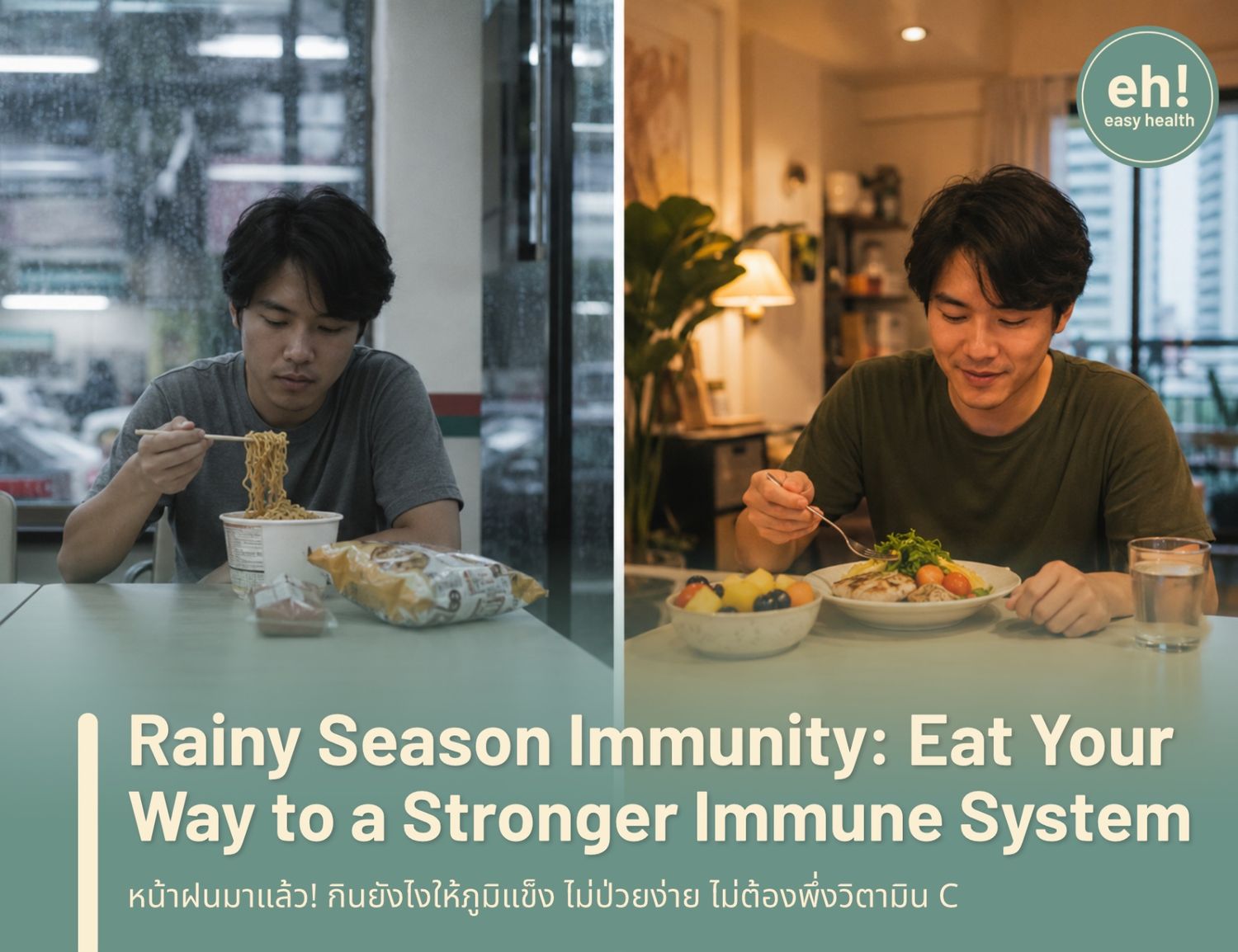
Rainy Season Immunity: How to Eat Your Way to a Stronger Immune System
Every year, like clockwork, Thailand's rainy season arrives between June and October. And every year, the same pattern follows: packed hospital waiting rooms, office desks littered with tissue boxes, pharmacies running low on cold medicine, and group chats lighting up with "I caught it too." During the monsoon months, respiratory infections like the common cold and flu naturally surge.
Most people respond the same way. They reach for vitamin C supplements, maybe pop a zinc lozenge, and hope for the best. But here is the reality: your rainy season immunity depends on far more than a single vitamin. Your immune system is one of the most complex networks in your body, and feeding it properly requires a whole-diet approach, not a quick fix.
This guide breaks down why your immune system struggles during the rainy season, which nutrients actually matter, what to eat, what to avoid, and how to build an immune-resilient diet that works in the real world of Bangkok traffic, late work nights, and street food temptations.
Why the Rainy Season Makes You Vulnerable
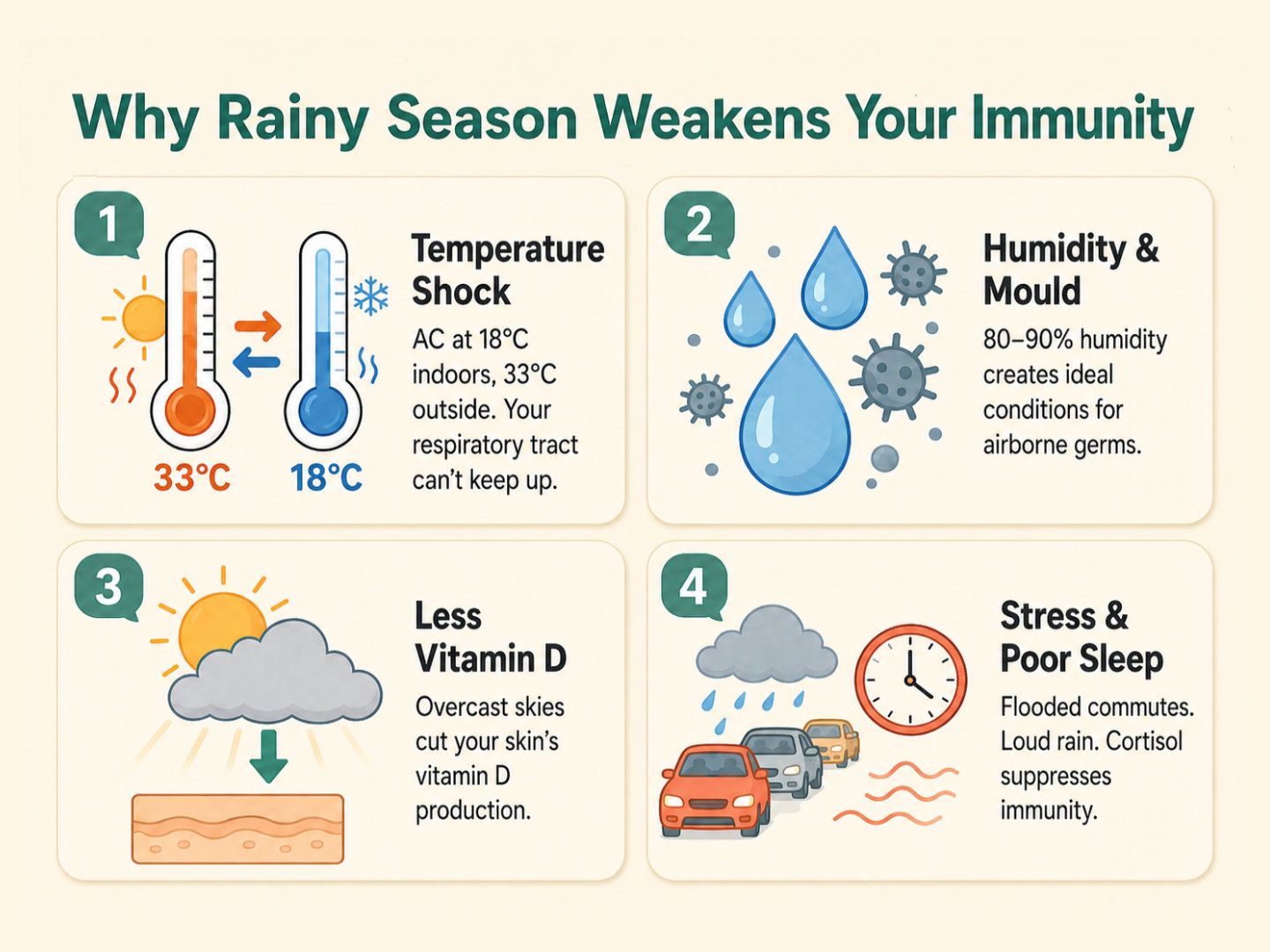
Understanding why you get sick more often during the monsoon helps you build a smarter defence. It is not just "bad weather." Several overlapping factors weaken your immune system simultaneously.
1.Temperature Fluctuations
Walking between Bangkok's freezing air conditioning (set to 18-20 degrees in most offices and malls) and the humid 30+ degree outdoor air creates constant physical stress. Cold temperatures actually slow down the immune response in your nasal passages. Going from a freezing BTS station into a hot, humid street, and then back into an ice-cold mall forces your respiratory system to constantly adapt, temporarily lowering its defences against viruses.
2.Humidity, Mould, and Airborne Germs
Bangkok's rainy season pushes humidity above 80-90%, creating ideal conditions for mould and bacteria to grow. Older buildings, condos with poor ventilation, and flooded areas become environments where airborne germs thrive.
3.Less Sun Means Less Vitamin D
Overcast skies and heavy rain mean you get less sunshine, which directly reduces how much vitamin D your skin produces. Vitamin D is not just for strong bones—it acts like a key that turns on your body's antimicrobial defences. Many Bangkok office workers are already low in vitamin D during the sunny months, and this drops even further during the monsoon.
4.Stress and Poor Sleep
The rainy season brings its own stressors: flooded commutes, cancelled plans, and massive traffic jams. This chronic stress elevates cortisol, a hormone that actively suppresses your immune function. Combine that with poor sleep (often caused by loud rain or disrupted routines), and your body's ability to fight off infections plummets.
The Nutrients Your Immune System Actually Needs
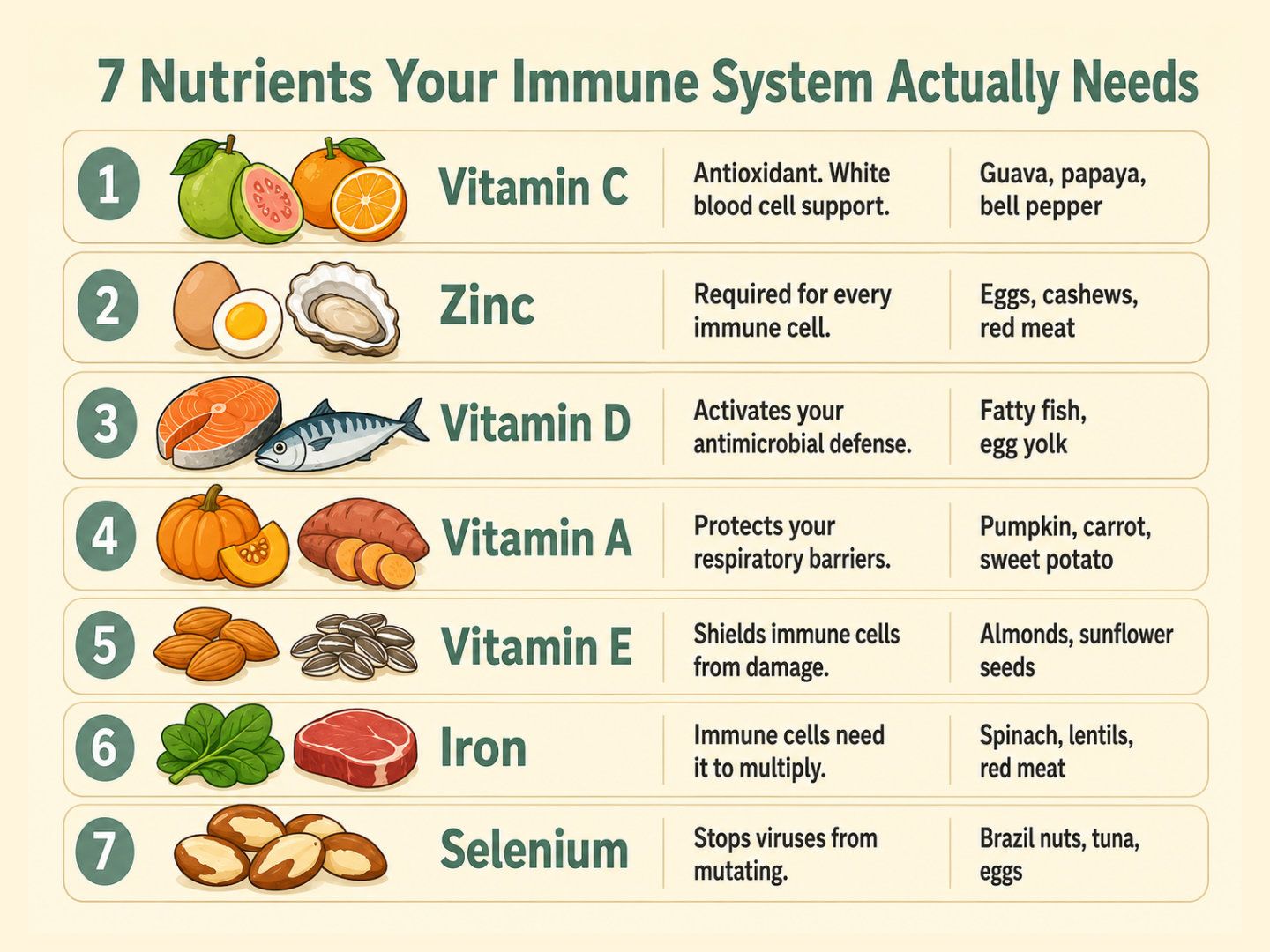
Vitamin C gets all the headlines, but treating your immune system like a "vitamin C problem" ignores other nutrients that are equally important.
Vitamin C: Important, but Not a Magic Shield
Let us set the record straight: vitamin C is great for you. It acts as an antioxidant and helps your white blood cells function. However, studies show that while it can help you recover slightly faster if you get sick, taking massive doses won't magically prevent you from catching a cold in the first place. It is just one piece of the puzzle. Target: You can easily hit your daily needs with one guava, a bell pepper, or a cup of papaya.
Zinc: The Immune System's Gatekeeper
Zinc is arguably the most underrated immune nutrient. It is required for the development and function of almost every immune cell in your body. Even a mild zinc deficiency can impair your immune function. Best sources: Oysters, red meat, pumpkin seeds, cashews, and eggs. Easy Health's menu includes zinc-rich options like the Morning Omelette (366 kcal, 28g protein, 225 THB) or the plant-based Hummus Bowl (239 kcal, 13g protein, 195 THB).
Vitamin D: Your Immune System's Activator
Since the sun is hiding, getting vitamin D from food becomes critical to keeping your respiratory defences active. Best sources: Fatty fish (salmon, mackerel) and egg yolks.
Vitamin A: The Barrier Protector
Vitamin A helps maintain the physical barriers in your respiratory tract, gut, and skin. These barriers are your body's first line of defence against incoming germs. Best sources: Sweet potatoes, carrots, spinach, and Thai pumpkin (Fak Thong). Easy Health's Pumpkin Soup (165 kcal, 75 THB) delivers concentrated vitamin A from real pumpkin—an easy addition to any meal.
Vitamin E: The Antioxidant Shield
Vitamin E protects your immune cells from damage while they are actively fighting off pathogens. Best sources:Almonds, sunflower seeds, avocado, and olive oil. A handful of almonds as a snack covers roughly half your daily requirement.
Iron: Oxygen Transport
Iron is essential for immune cells to multiply and mature. However, you want an adequate amount, not an excess. Best sources: Red meat, spinach, lentils. Pro tip: Squeezing lime (vitamin C) over your iron-rich food—a natural Thai habit—dramatically increases how much iron your body absorbs.
Selenium: The Viral Fighter
Selenium plays a unique role: it helps prevent viruses from mutating and getting stronger within your body. Best sources: Brazil nuts, tuna, eggs, and brown rice.
10 Immune-Boosting Foods for the Rainy Season in Thailand
Here are specific foods that deliver these vital nutrients, chosen for their availability and affordability in Thailand during the monsoon months.
1. Guava (Farang)
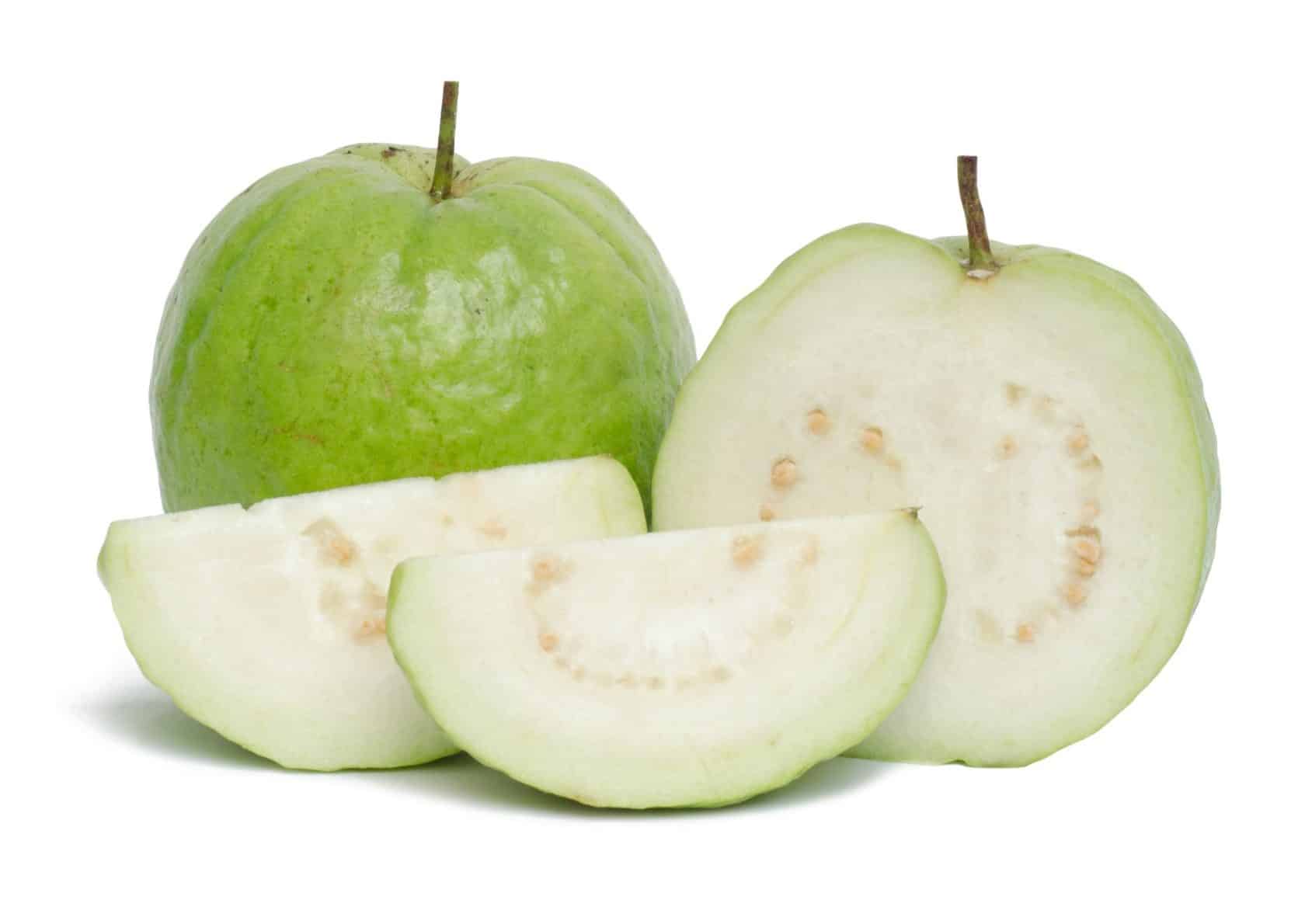
Thailand's guava is an immune powerhouse. One medium guava delivers more than double the vitamin C of an orange. It is available year-round and is incredibly cheap from local street fruit carts.
2. Thai Pumpkin (Fak Thong)

One cup of cooked Thai pumpkin provides massive amounts of vitamin A, plus vitamin C and fibre. Interestingly, cooking pumpkin actually makes its nutrients easier for your body to absorb, making soups and curries ideal.
3. Galangal, Turmeric, and Ginger (The Thai Immunity Trio)
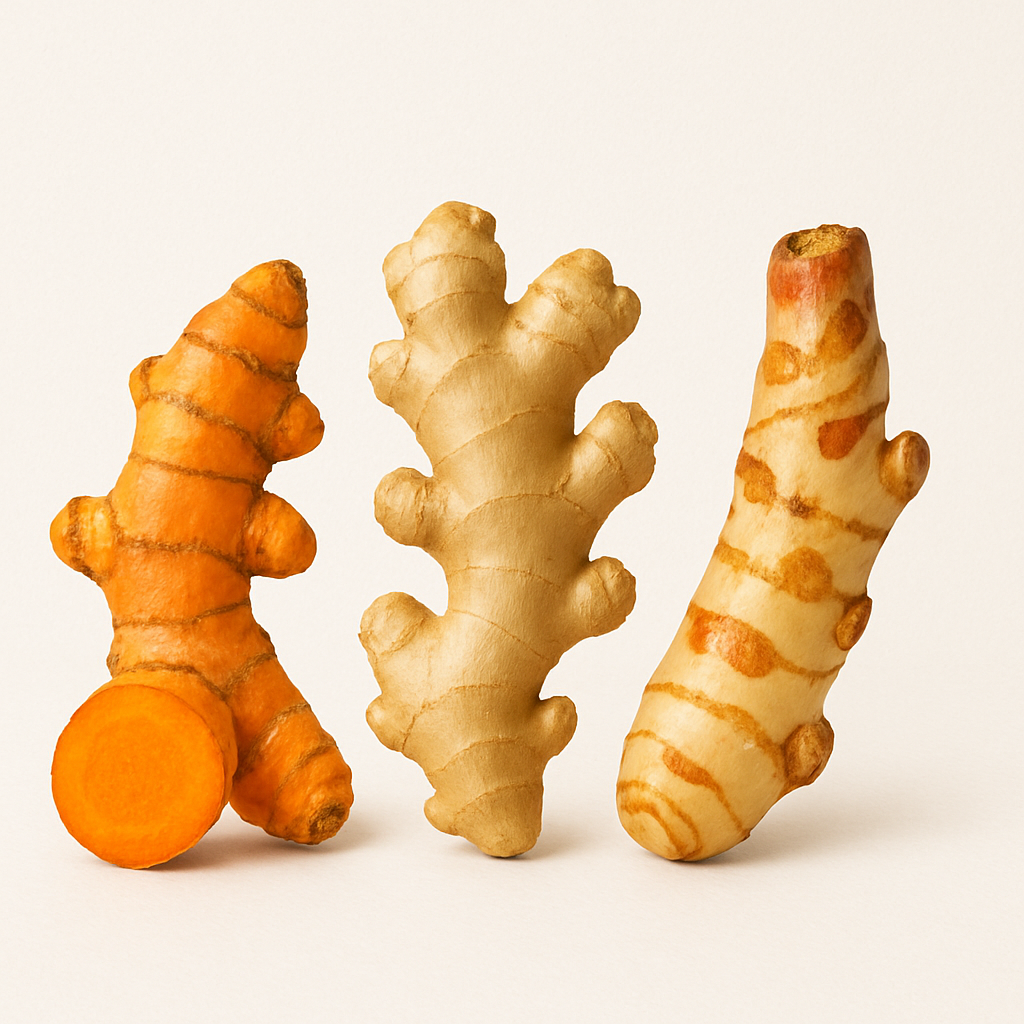
These three roots form the backbone of Thai cooking, and each is a potent immune booster. Turmeric fights inflammation, ginger has antimicrobial effects, and galangal has antiviral properties. Soups like Tom Kha and Tom Jued are not just comfort food—they are biologically active immune support.
4. Moringa (Ma Rum)

Moringa leaves are Thailand's ultimate underappreciated superfood. They are packed with vitamin C, calcium, iron, zinc, and vitamins A and E. You can find fresh moringa at local wet markets for pennies to add to your omelettes or stir-fries.
5. Fatty Fish (Salmon, Mackerel, Sardines)
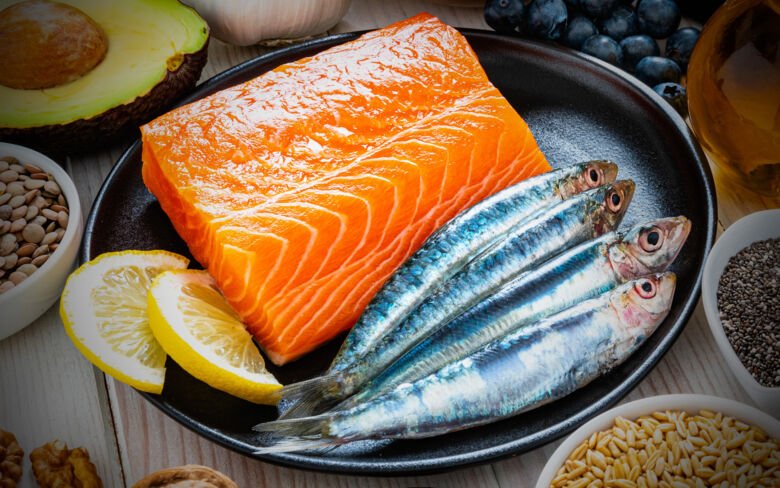
Fatty fish gives you the vitamin D your body misses during cloudy days, plus omega-3 fatty acids that lower inflammation. Local Thai mackerel (Pla Tu) is an affordable and excellent alternative to imported salmon.
6. Fermented Foods (Kimchi, Yoghurt, Pla Ra)
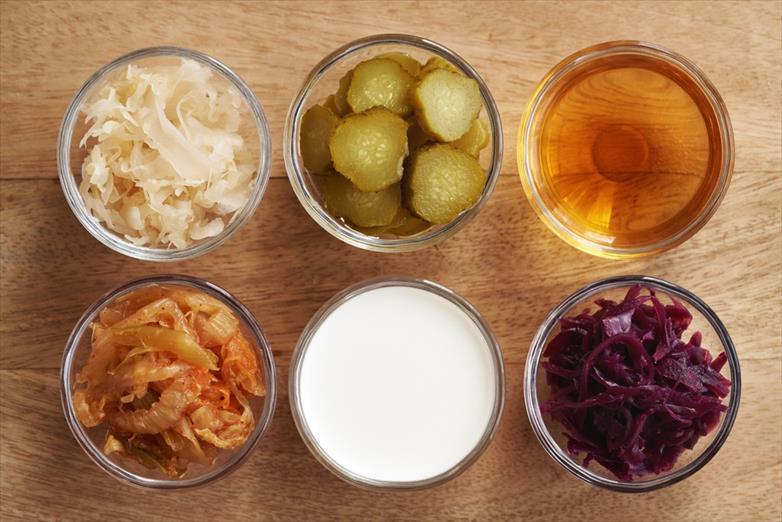
Did you know that 70% of your immune system lives in your gut? Feeding your gut with probiotics from fermented foods directly strengthens your immune surveillance. Thai fermented foods, combined with fibre from vegetables, create a gut environment that keeps you healthy.
7. Garlic (Kratiem)
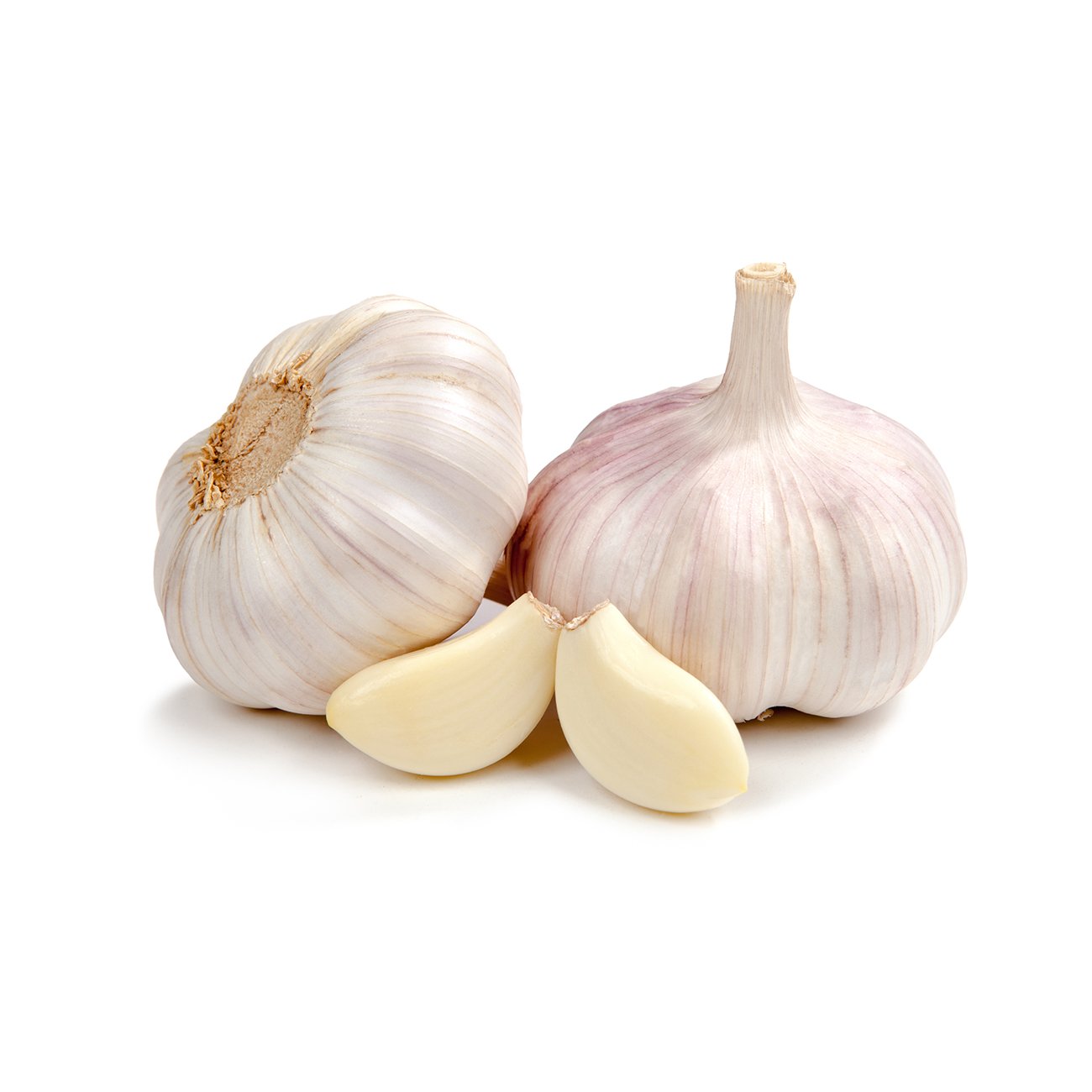
When you crush or chop garlic, it releases a compound called allicin, which has direct antimicrobial properties. Thai cooking uses garlic generously, so as long as it is fresh, you are getting a great immune boost.
8. Eggs

Eggs provide zinc, selenium, vitamin D, and high-quality protein. The yolk contains most of the immune-boosting nutrients, so eat the whole egg! Easy Health makes this easy with options like the Farmer Omelette (385 kcal, 33g protein, 229 THB), loaded with eggs and veggies.
9. Dark Leafy Greens (Pak Boong, Kale, Spinach)

Morning glory (Pak Boong) and Chinese broccoli are rich in vitamins A, C, E, folate, and iron. Stir-fried Pak Boong with garlic is a Thai staple that delivers multiple immune nutrients in one affordable dish.
10. Brazil Nuts

Just one or two Brazil nuts per day provides your entire daily selenium requirement. It is one of the highest-impact, lowest-effort dietary changes you can make. Keep them in the fridge to prevent them from spoiling in the humidity.
Foods and Habits That Weaken Your Immune System
Knowing what to avoid is just as important as knowing what to eat.
Added Sugar: The Immune Suppressor
This is the single biggest threat to your immunity. Consuming high amounts of sugar temporarily paralyzes your white blood cells, reducing their ability to fight off bacteria for hours after you eat it. In Bangkok, hidden sugar is everywhere: Thai iced tea, sweetened coffees, and "healthy" bottled green teas. Cutting added sugar is the most powerful move you can make. Note: Every meal on the Easy Health menu is prepared with zero added sugar.
Ultra-Processed Foods
Instant noodles, convenience store meals, and packaged snacks cause chronic inflammation and alter your gut bacteria, destroying the very microbes that support your immune system.
Excessive Alcohol
Alcohol disrupts your gut barrier, reduces the function of your immune cells, and makes you more susceptible to respiratory infections. Keep drinking to a minimum during the monsoon.
Chronic Sleep Deprivation
Losing just 1-2 hours of sleep can drastically reduce the activity of your body's virus-fighting cells. Aim for 7.5 to 9 hours of actual sleep per night. Prioritizing a consistent bedtime is one of the most powerful things you can do for your health.
Building Your Rainy Season Immune Diet
Here is how to structure your eating during the monsoon months for maximum resilience:
Morning: Start with protein, eggs, and veggies to get your vitamin D and zinc. The Easy Health Power Fit Combo (1,043 kcal, 83g protein) or Hearty Breakfast Wrap (375 kcal, 27g protein) are perfect foundations.
Midday: Eat the rainbow. A meal with varied vegetables ensures you get different antioxidants. Easy Health's Pad Thai Clean Version (615 kcal, 39g protein) combines great protein with colourful veggies.
Afternoon: Skip the sugary coffee or 7-Eleven snacks. Have a handful of almonds, fresh guava, or Easy Health's Peanut Butter Berry Jam Bowl (431 kcal, 21g protein).
Evening: Focus on anti-inflammatory and gut-supportive foods. Think fish, stir-fried greens, brown rice, and a warm ginger tea before bed.
Easy Health Meal Plans for Immune Season
If building your own meals feels overwhelming, Easy Health's structured meal plans take the guesswork out of immune nutrition:
Balance Plan (1,400-1,600 kcal, 3,399 THB/5 days): The sweet spot for most office workers. Adequate calories for immune function without excess.
Active Plan (1,800-2,000 kcal, 3,499 THB/5 days): For active individuals needing higher nutritional intake.
Lean Plan (800-1,000 kcal, 1,899 THB/5 days): For weight management while keeping immunity strong.
Athlete Plan (2,400-2,600 kcal, 4,799 THB/5 days): For serious athletes who need maximum fuel and recovery.
Keto Plan (3,499 THB/5 days): High in immune-friendly fats from quality sources.
Vegetarian Plan (1,400-1,600 kcal, 2,799 THB/5 days): Plant-based nutrition with carefully planned protein and zinc.
All plans feature zero added sugar, zero MSG, and zero artificial preservatives. Meals are prepared fresh daily, giving your immune system consistent, reliable support.
The Big Picture: Consistency Over Intensity
Your immune system does not work on a "boost and forget" model. You cannot drink one superfood smoothie on Monday and expect to be protected all week. Immune resilience comes from consistent, daily nutrition.
The people who sail through the rainy season without getting sick are not just lucky—they are nutritionally consistent. Start with one change: replace one sugary drink or processed snack per day with a whole-food alternative. By the time the monsoon peaks, your immune system will be fully equipped to handle whatever the weather throws at it.
Frequently Asked Questions
Does vitamin C actually prevent colds during the rainy season? Vitamin C supports your immune system, but it is not a magic shield. Studies show that while it doesn't necessarily stop you from catching a cold, it can help you recover faster if you do get sick. Instead of just taking massive vitamin C pills, focus on eating a balanced diet that includes vitamin C alongside zinc, vitamin D, and iron. A healthy diet is much more effective than a single supplement.
Why do I always get sick when the rainy season starts? The transition into the rainy season is a shock to your system. Going from cold AC to hot, humid air stresses your respiratory system. Less sunlight means less Vitamin D. Higher humidity breeds mould and bacteria. Plus, the stress of rainy commutes and disrupted sleep wears you down. This combination exposes any nutritional gaps in your diet, making you highly vulnerable to viruses.
Do Thai herbs like turmeric and galangal actually help? Yes, absolutely! The active compounds in turmeric, ginger, and galangal have proven anti-inflammatory, antimicrobial, and antiviral properties. Soups like Tom Kha and Tom Jued naturally combine these powerful ingredients, making traditional Thai food a fantastic way to support your immune system.
Can exercise boost my immune system during the rainy season? Moderate exercise is one of the most effective immune-boosting strategies. It increases the circulation of immune cells throughout your body. Aim for 30-60 minutes of moderate exercise most days. However, avoid exhausting, high-intensity workouts without proper recovery, as these can temporarily suppress your immune system and leave you vulnerable.
What should I do if I start feeling sick despite eating well? Don't panic and don't immediately reach for antibiotics (which do nothing against viral infections like colds). Increase your intake of zinc-rich foods right away, as zinc can significantly shorten the duration of a cold. Drink plenty of water (3+ litres), get 9-10 hours of sleep, and eat warm, easy-to-digest foods like soups. Most importantly, cut out sugar completely until you recover, as sugar temporarily suppresses your immune cells.
Eat Your Way to a Stronger Immune System
Every meal on the Easy Health menu is built with whole-food ingredients, complete transparency, and zero added sugar, MSG, or ultra-processed ingredients.
160+ menu items with full nutritional data
Zero added sugar, zero MSG, zero artificial preservatives
Fresh daily preparation, delivered across Bangkok
Download the Easy Health app:
References
Foxman, E. F., et al. (2015). Temperature-dependent innate defense against the common cold virus limits viral replication at warm temperature in mouse airway cells. Proceedings of the National Academy of Sciences, 112(3), 827-832. https://doi.org/10.1073/pnas.1411030112
Martineau, A. R., et al. (2017). Vitamin D supplementation to prevent acute respiratory tract infections: systematic review and meta-analysis of individual participant data. The BMJ, 356, i6583. https://doi.org/10.1136/bmj.i6583
Hemila, H., & Chalker, E. (2013). Vitamin C for preventing and treating the common cold. Cochrane Database of Systematic Reviews, (1). https://doi.org/10.1002/14651858.CD000980.pub4
Shankar, A. H., & Prasad, A. S. (1998). Zinc and immune function: the biological basis of altered resistance to infection. The American Journal of Clinical Nutrition, 68(2), 447S-463S. https://doi.org/10.1093/jn/130.5.1399S
Jagetia, G. C., & Aggarwal, B. B. (2007). "Spicing up" of the immune system by curcumin. Journal of Clinical Immunology, 27(1), 19-35. https://doi.org/10.1007/s10875-007-9065-6
Segerstrom, S. C., & Miller, G. E. (2004). Psychological stress and the human immune system: a meta-analytic study of 30 years of inquiry. Psychological Bulletin, 130(4), 601-630. https://doi.org/10.1037/0033-2909.130.4.601
Josling, P. (2001). Preventing the common cold with a garlic supplement: a double-blind, placebo-controlled survey. Advances in Therapy, 18(4), 189-193. https://doi.org/10.1007/s12325-001-8004-9
Nieman, D. C., & Wentz, L. M. (2019). The compelling link between physical activity and the body's defense system. Journal of Sport and Health Science, 8(3), 201-217. https://doi.org/10.1016/j.jshs.2019.10.004
Hao, Q., et al. (2015). Probiotics for preventing acute upper respiratory tract infections. Cochrane Database of Systematic Reviews, (2). https://doi.org/10.1017/S0007114514002621