
Plant Protein Meals in Thailand: 20–30g Without Meat
Plant Protein in Thailand Meals That Hit 20 to 30 Grams Without Meat
Getting enough protein without meat in Thailand is realistic with a clear target. Aim for 20 to 30 grams of plant protein per meal to support fullness, steady energy, and recovery after activity. Thai-friendly sources like tofu, tempeh, edamame, beans, soy milk, quinoa, and red rice make the numbers reachable without complicated recipes. This guide explains the protein counts that matter, then shows five meal builds that land in the target range. You will also get ordering notes for food courts and cafés to help avoid unwanted ingredients like fish sauce or shrimp paste. On busy days, Easy Health’s labeled bowls and simple swaps help you match your target without extra effort.
Plant Protein in Thailand: Quick Protein Math
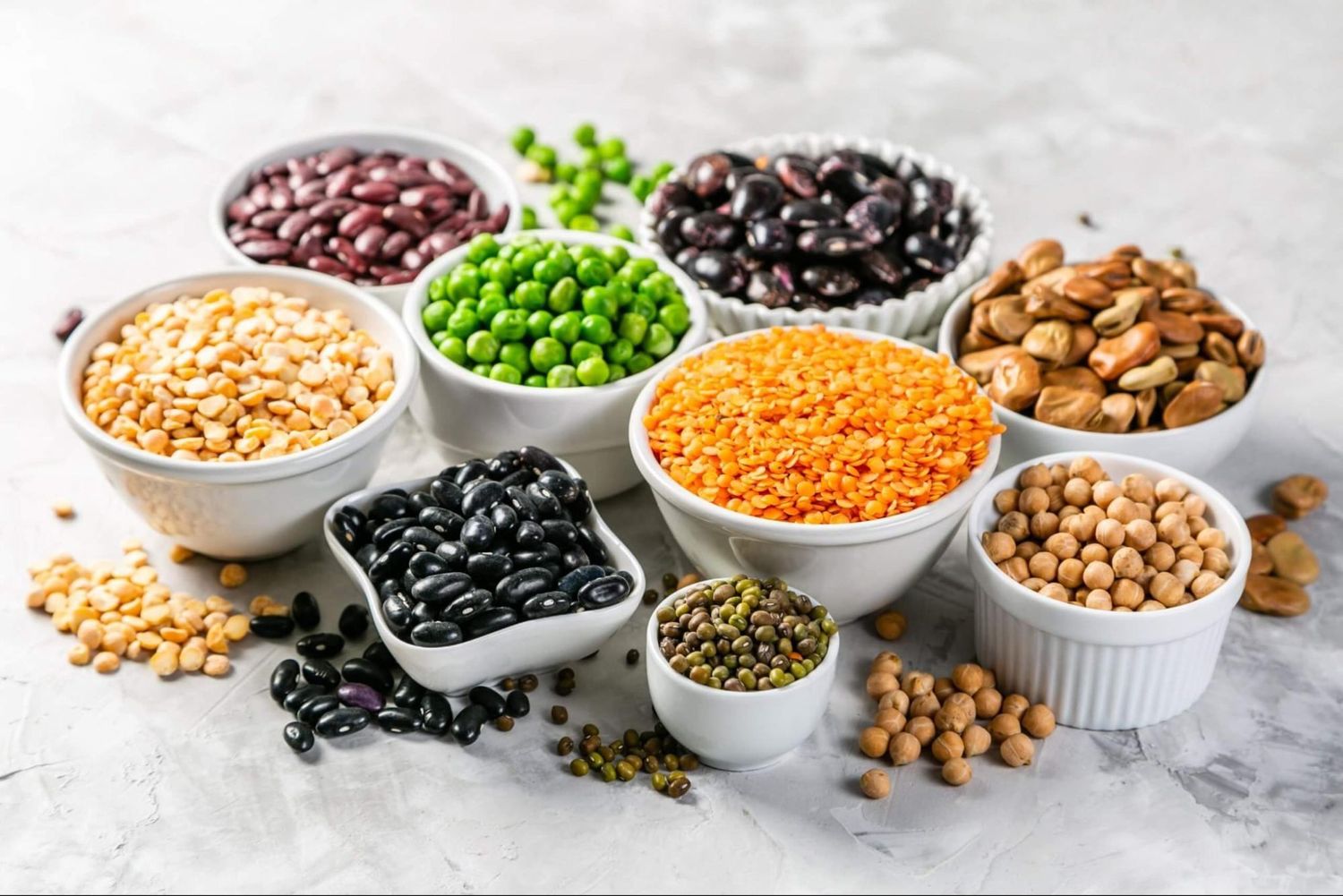
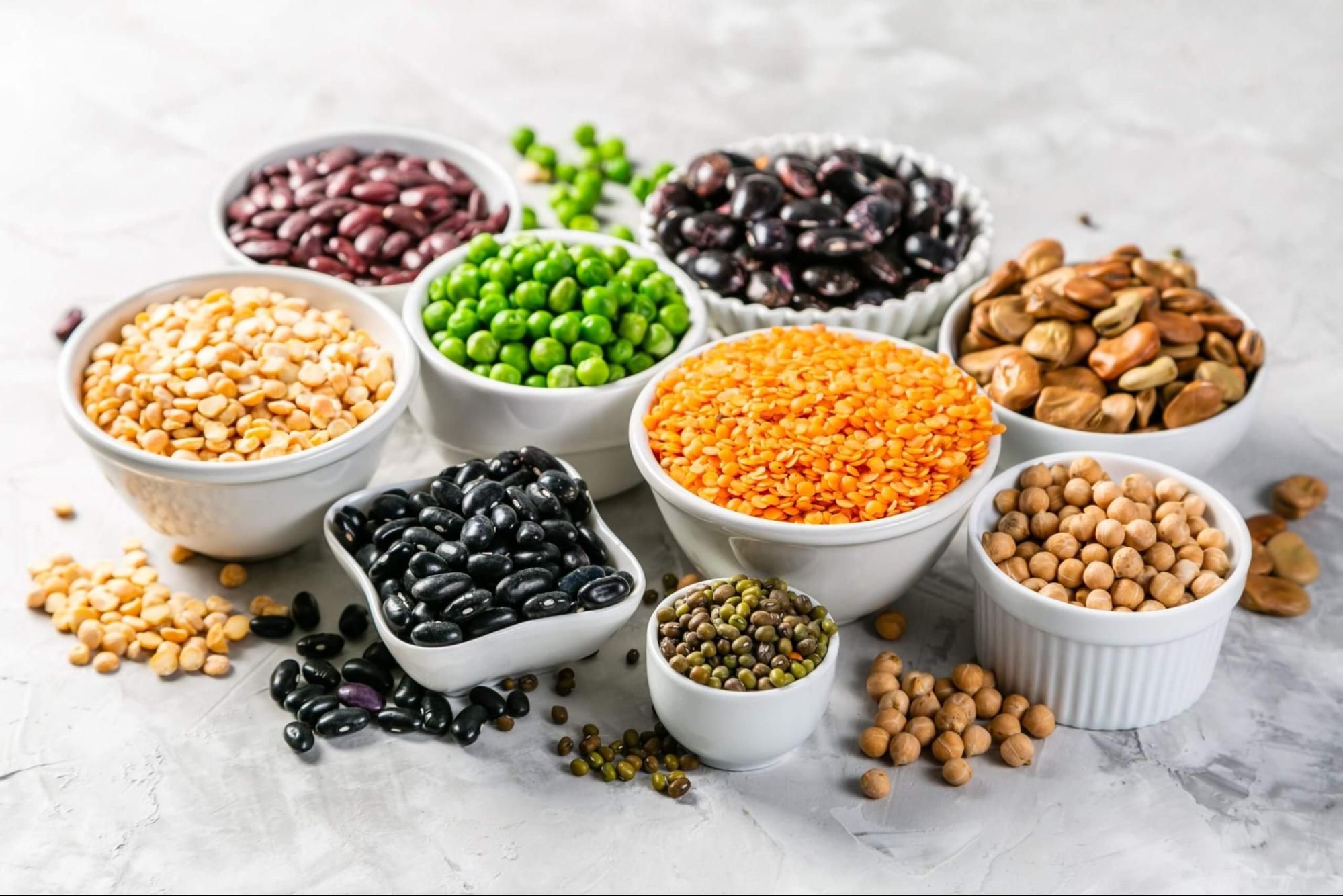
Knowing the rough protein counts for common plant foods makes planning easier. As a guide, firm tofu gives about 8 to 12 grams per 100 grams, tempeh about 18 to 20 grams, shelled edamame around 11 grams, and cooked lentils or chickpeas about 8 to 9 grams. Quinoa sits near 4 grams per 100 grams, red or brown rice about 2 to 3 grams, unsweetened soy milk about 7 to 9 grams per 250 milliliters, and a 30 gram handful of nuts adds roughly 6 to 7 grams.
Use those numbers to build meals that land in the 20 to 30 gram range without meat. For example, 150 grams of tofu with 80 grams of edamame reaches about 22 to 25 grams. A salad topped with 120 grams of tempeh delivers about 22 to 24 grams. A combo of 350 milliliters of soy milk and a 150 gram bean and quinoa bowl reaches 20 to 24 grams. A stir-fry using 150 grams of tofu plus a 30 gram handful of cashews lands near 24 to 28 grams. Keep sauces simple so protein and fiber stay central, and remember rice contributes a little protein but is not a primary source.
Thai-Friendly Plant Protein Meals That Hit 20 to 30 Grams
Hitting 20 to 30 grams of plant protein is straightforward with familiar Thai dishes when you build them with intention. Use tofu, tempeh, edamame, beans, soy milk, quinoa, and red rice as anchors, then add vegetables and simple seasonings. Aim for meaningful portions of the protein piece, such as 150 grams of tofu or 120 grams of tempeh, and pair with a small serving of smart carbs so the numbers stay on target. Keep sauces clean so protein and fiber stay central, and skip fish sauce or shrimp paste if you are fully plant based.
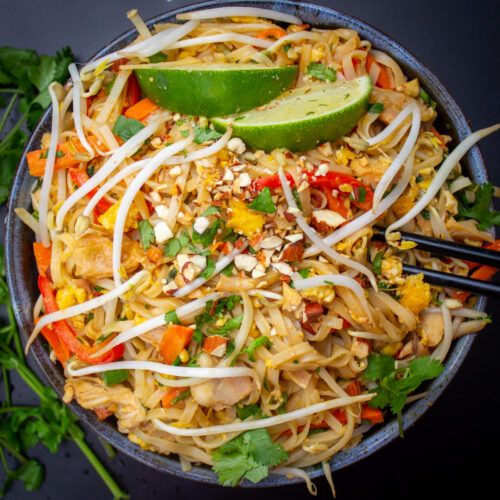
Examples that land in range include pad kra pao tofu with an extra tofu portion over a half serving of red rice at about 22 to 26 grams; a tempeh larb bowl using 120 grams of tempeh on a salad base at roughly 22 to 24 grams; green curry with 150 grams of tofu and 80 grams of edamame at about 26 to 30 grams; a combo of 350 milliliters of unsweetened soy milk with a 150 gram bean and quinoa salad at 20 to 24 grams; and a vegetable stir fry with 150 grams of tofu plus a 30 gram handful of cashews at about 24 to 28 grams. If you need a small bump, add edamame or another tofu portion rather than enlarging the rice serving.
Ordering in Thailand: Keep Plant Protein High
When you order, start with a protein base and add to it. Choose dishes that already feature tofu, tempeh, beans, or edamame, then ask for an extra portion to reach 20 to 30 grams. Keep sauces simple so sugar and sodium do not crowd out protein and fiber. If a dish comes with a large rice serving, ask for a smaller portion and add more vegetables instead. Use short requests that protect protein and keep hidden animal ingredients out. Say “mai sai nam pla” (no fish sauce) and “mai sai kapi” (no shrimp paste) for fully plant based meals. Ask “chai nam sup phak” (use vegetable stock) and “mai ao nam sup gai” (no chicken stock). For more protein, “khor tofu piset” (extra tofu) or “khor edamame perm” (add edamame) works at many spots. Keep sweetness down with “mai sai namtan” (no sugar) and skip sugary dips with “mai ao nam jim.” One tablespoon of sweet chili can add 6 to 8 grams of sugar, and fish sauce can exceed 900 milligrams of sodium per tablespoon, so use lightly.
Where Easy Health Fits
Easy Health labels vegan and vegetarian items clearly and lists ingredients up front. You can adjust the base, protein, and dressing, which makes it simple to hit a 20 to 30 gram plant-protein target without guessing.
Use the menu to build by numbers. A tofu and edamame bowl with mixed vegetables and red rice typically lands near 26 to 30 grams. A tempeh and bean salad sits around 22 to 26 grams. If you need a bump, add an extra tofu portion or a scoop of edamame rather than enlarging the rice. Dressings are straightforward, so it is easy to keep sugar and sodium low while keeping fiber high.
Pick two or three builds you enjoy and repeat them through the week. Keep the target at 20 to 30 grams per meal, use the short ordering phrases to keep fish sauce and shrimp paste out, and ask for an extra tofu or edamame portion when you need a bump. On busy days, Easy Health’s labeled bowls let you adjust the base, protein, and dressing quickly so you hit your numbers without extra effort. Consistent choices make plant protein easy to maintain in Thailand.