
Beat the 2 PM Crash: What to Eat for Lunch So You Stay Sharp All Afternoon
It is 2 PM. You had lunch an hour ago. Now your eyelids are heavy, your focus is gone, and you are staring at your screen reading the same sentence for the third time. You reach for coffee, maybe a sweet snack from 7-Eleven, and promise yourself tomorrow will be different. It never is.
This is the 2 PM crash, and it affects nearly everyone who eats a standard lunch in Bangkok. The problem is not that you are lazy, undisciplined, or sleeping too little (though that does not help). The problem is what you ate. Specifically, the combination of refined carbohydrates, hidden sugars, and insufficient protein in most Thai lunch options triggers a blood sugar spike followed by a crash that your brain experiences as fatigue, brain fog, and an overwhelming desire to nap.
The science behind the afternoon slump is well understood, and so is the solution. This guide explains exactly why the 2 PM crash happens, which foods cause it, which foods prevent it, and what real lunches look like when you optimise for sustained afternoon energy instead of a quick dopamine hit.
What Is the 2 PM Crash? The Science of Postprandial Somnolence
The medical term for the post-lunch energy dip is postprandial somnolence, literally "sleepiness after eating." It is a real physiological phenomenon, not a character flaw.
What Happens in Your Body After a High-Carb Lunch
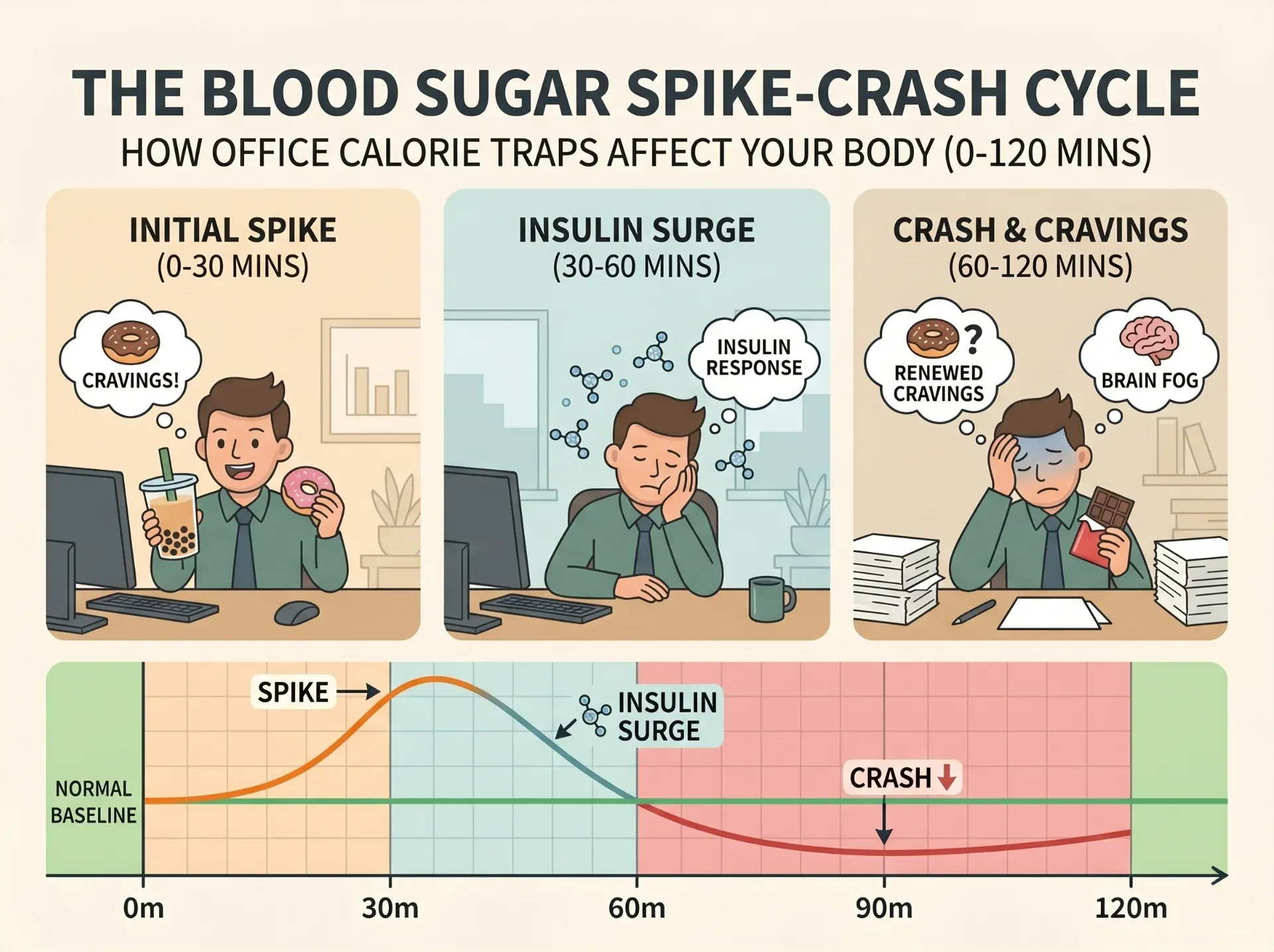
When you eat a meal high in refined carbohydrates (white rice, noodles, bread, sugary drinks), the following cascade occurs:
Minutes 0-30: Blood sugar spikes. Simple carbohydrates are rapidly converted to glucose and flood your bloodstream. Your blood sugar rises sharply. You feel a brief burst of energy and satisfaction.
Minutes 30-60: Insulin surges. Your pancreas releases a large amount of insulin to bring the elevated blood sugar back down. Insulin is efficient. It does not just normalise your blood sugar. It often overshoots, pushing glucose levels below your pre-meal baseline.
Minutes 60-120: The crash. Blood sugar drops below baseline. Your brain, which runs almost exclusively on glucose, experiences this as an energy crisis. The result: fatigue, difficulty concentrating, irritability, and cravings for more sugar (your body's attempt to fix the dip).
Simultaneously: Tryptophan crosses the blood-brain barrier. High-carb meals increase the ratio of the amino acid tryptophan in your blood. Tryptophan is a precursor to serotonin and melatonin, both of which promote relaxation and sleepiness. A 2018 study in Nutrients (Benton & Young) confirmed that carbohydrate-rich meals significantly increased subjective sleepiness compared to protein-rich meals.
Why It Hits Harder in Bangkok
The 2 PM crash is universal, but Bangkok makes it worse:
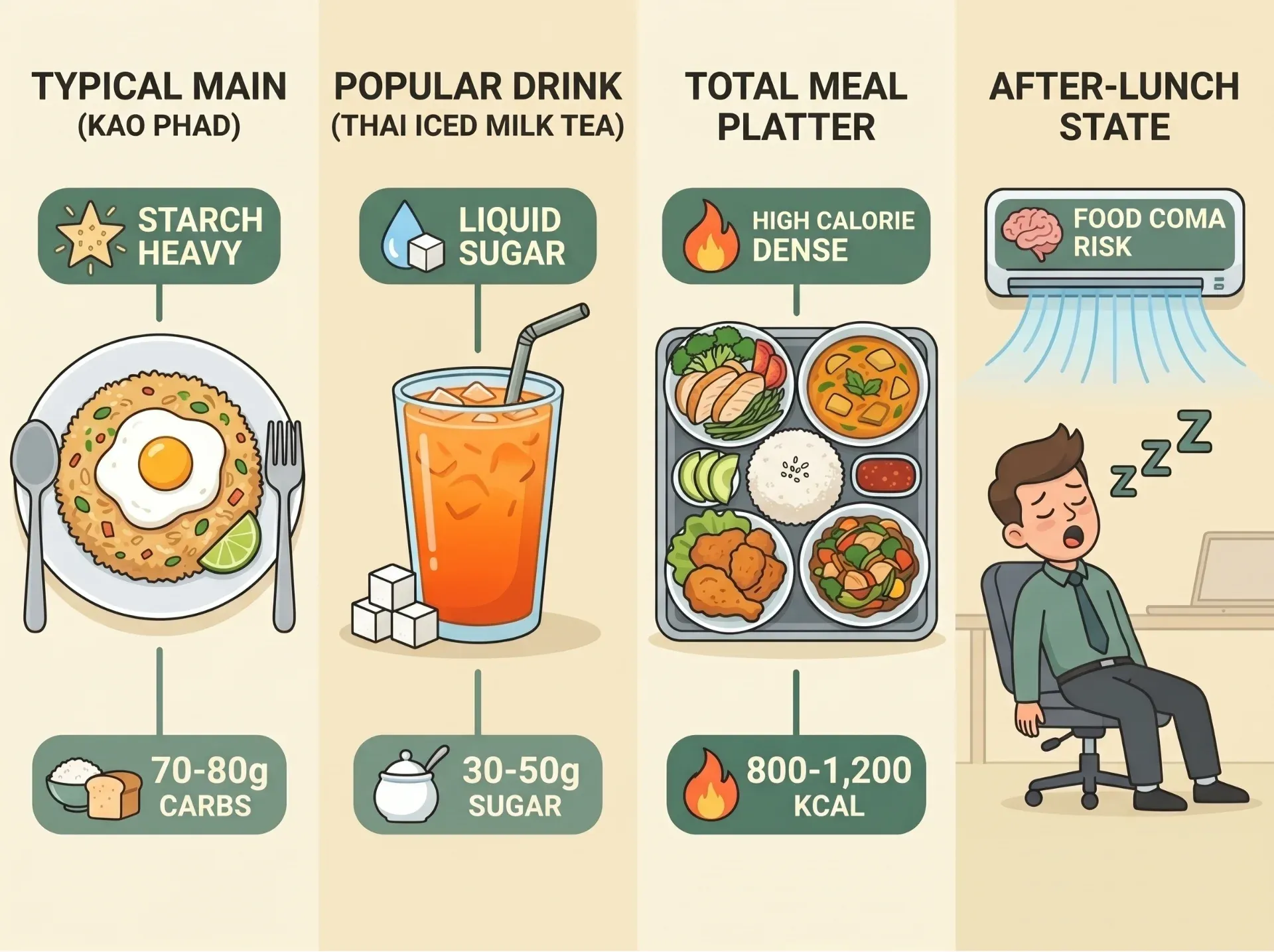
Thai lunch staples are carb-heavy. Khao pad (fried rice), pad see ew, kuay teow (noodle soup), som tum with sticky rice. All delicious. All 60-80% carbohydrates. A standard plate of khao man gai delivers roughly 70-80g of carbs from white rice alone.
Hidden sugar is everywhere. Thai cooking uses palm sugar in savoury dishes, sweetened condensed milk in drinks, and sugar in most sauces. A regular Thai iced tea contains 30-50g of sugar. That is more than a can of Coca-Cola.
Lunch portions are large. Value-for-money culture means restaurant portions often contain 800-1,200 calories. Your body needs roughly 400-600 calories for lunch if you are targeting sustained energy rather than a food coma.
Air conditioning creates false comfort. After eating, your body diverts blood to the digestive system. In a cool, air-conditioned Bangkok office, the combination of digestion, low physical activity, and comfortable temperature creates the perfect storm for drowsiness.
The 5 Rules of an Energy-Sustaining Lunch
Research consistently shows that what you eat for lunch determines your cognitive performance for the next 4-5 hours. These five rules, backed by nutritional science, prevent the 2 PM crash:
Rule 1: Protein First (30g Minimum)
Protein is the foundation of a crash-proof lunch. A 2016 study in the British Journal of Nutrition (Leidy et al.) found that high-protein lunches (30g+) significantly improved afternoon alertness, concentration, and reduced fatigue compared to high-carb lunches.
Why protein works: it triggers the release of orexin, a neurotransmitter that promotes wakefulness and alertness. This is the exact opposite of the serotonin/melatonin pathway triggered by carbs. Protein also digests slowly, providing a steady stream of amino acids and energy rather than a spike-and-crash pattern.
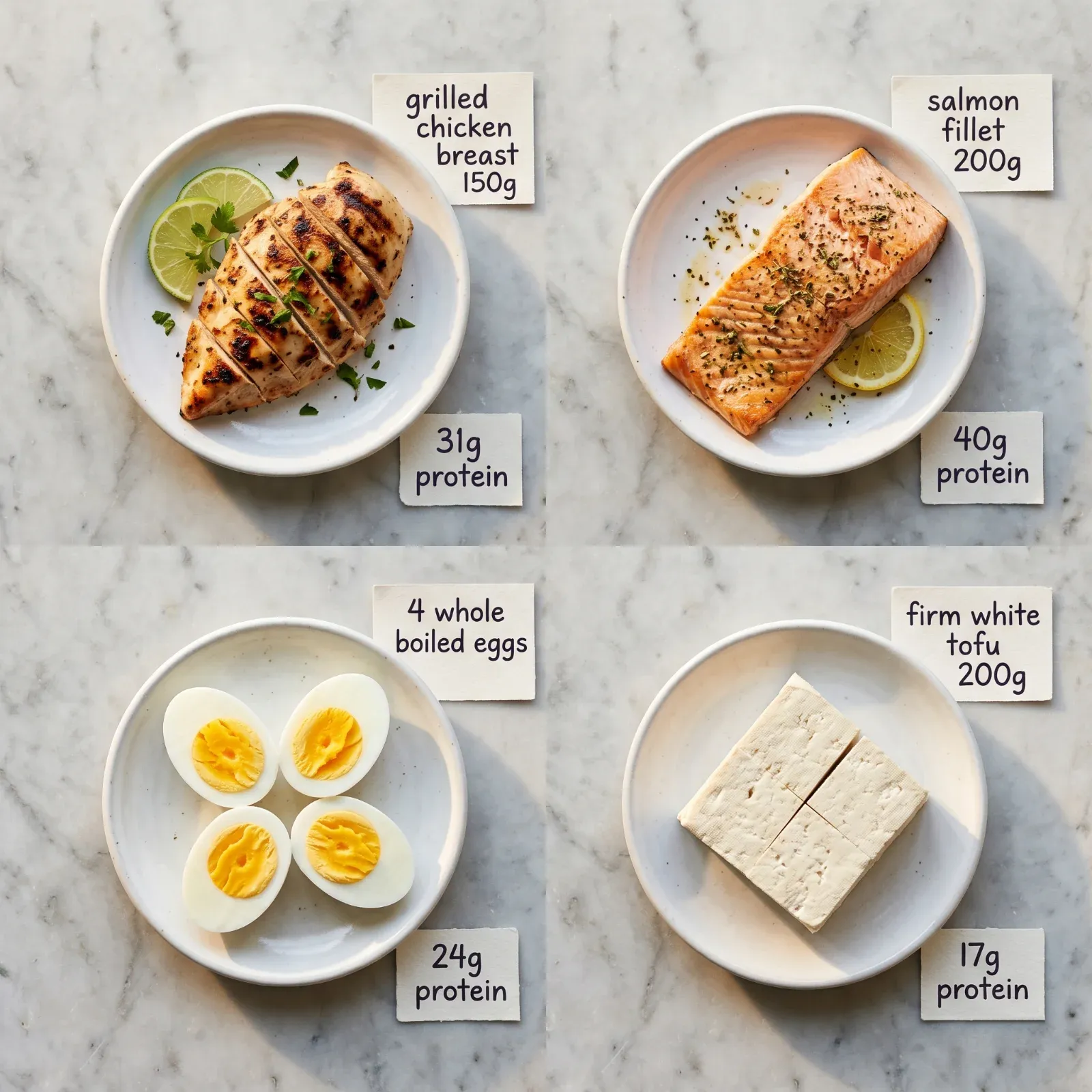
Target: 25-40g of protein at lunch. This is roughly the amount in 150g of chicken breast, 200g of fish, or 4 whole eggs.
Rule 2: Control Carbs (Under 40g Per Meal)
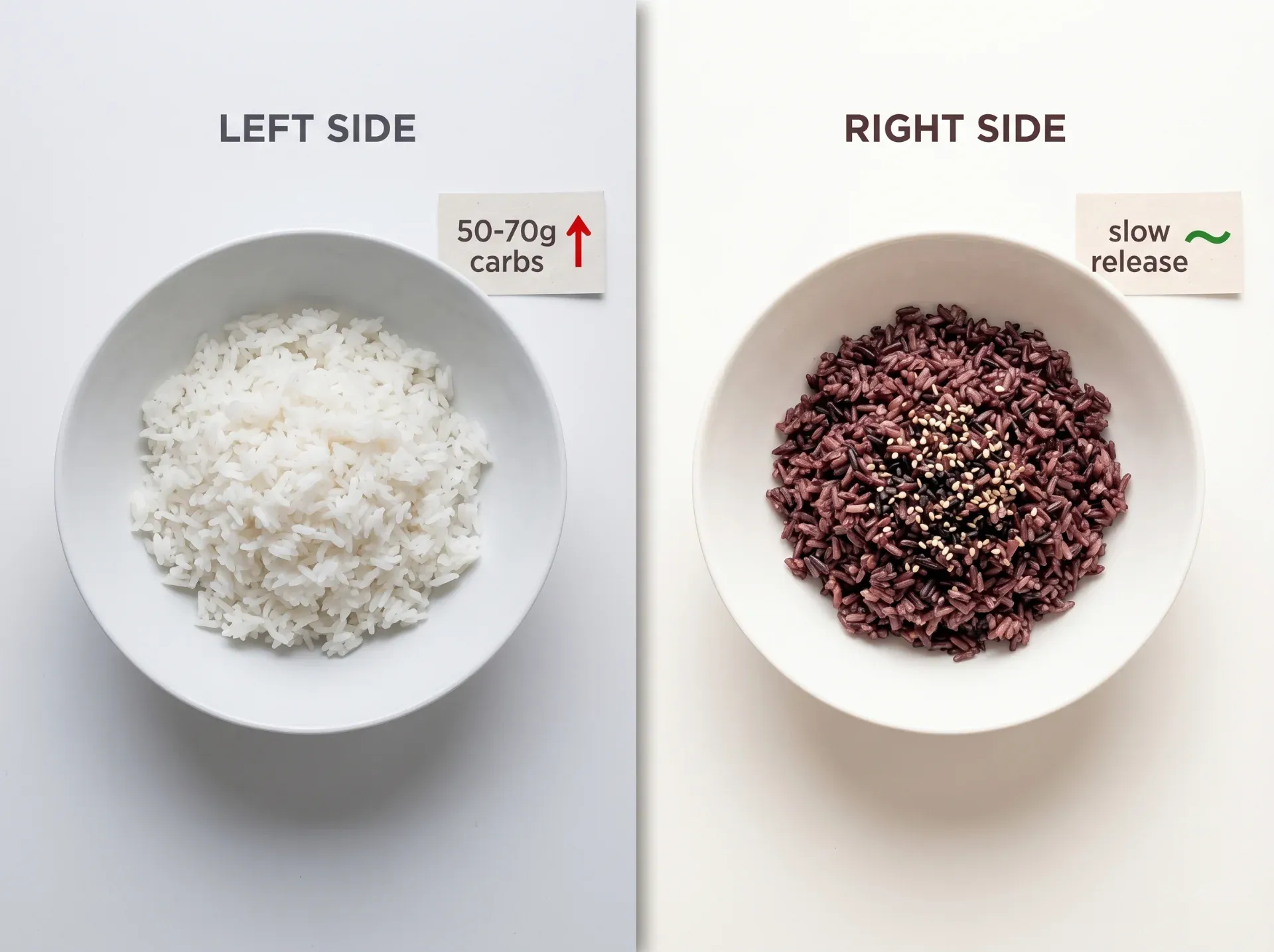
You do not need to eliminate carbohydrates. You need to control the type and quantity. Complex carbs (brown rice, quinoa, sweet potatoes, vegetables) have a low glycemic index, meaning they convert to glucose slowly and do not trigger the insulin spike that causes the crash.
Target: Under 40g of carbohydrates at lunch, primarily from vegetables and whole grains. For reference, a standard plate of white rice contains 50-70g of carbs. A portion of riceberry rice contains similar carbs but releases glucose much more slowly due to its higher fibre content.
Rule 3: Include Healthy Fats

Fat slows gastric emptying, which means the entire meal digests more gradually. This extends the energy release and prevents the sharp blood sugar spike. Healthy fat sources include avocado, olive oil, nuts, eggs, and fatty fish (salmon, mackerel).
A 2019 study in The Journal of Nutrition found that meals combining protein and healthy fat produced the most stable blood glucose responses over 4 hours, compared to carb-dominant or protein-only meals.
Rule 4: Hydrate Before and During Lunch
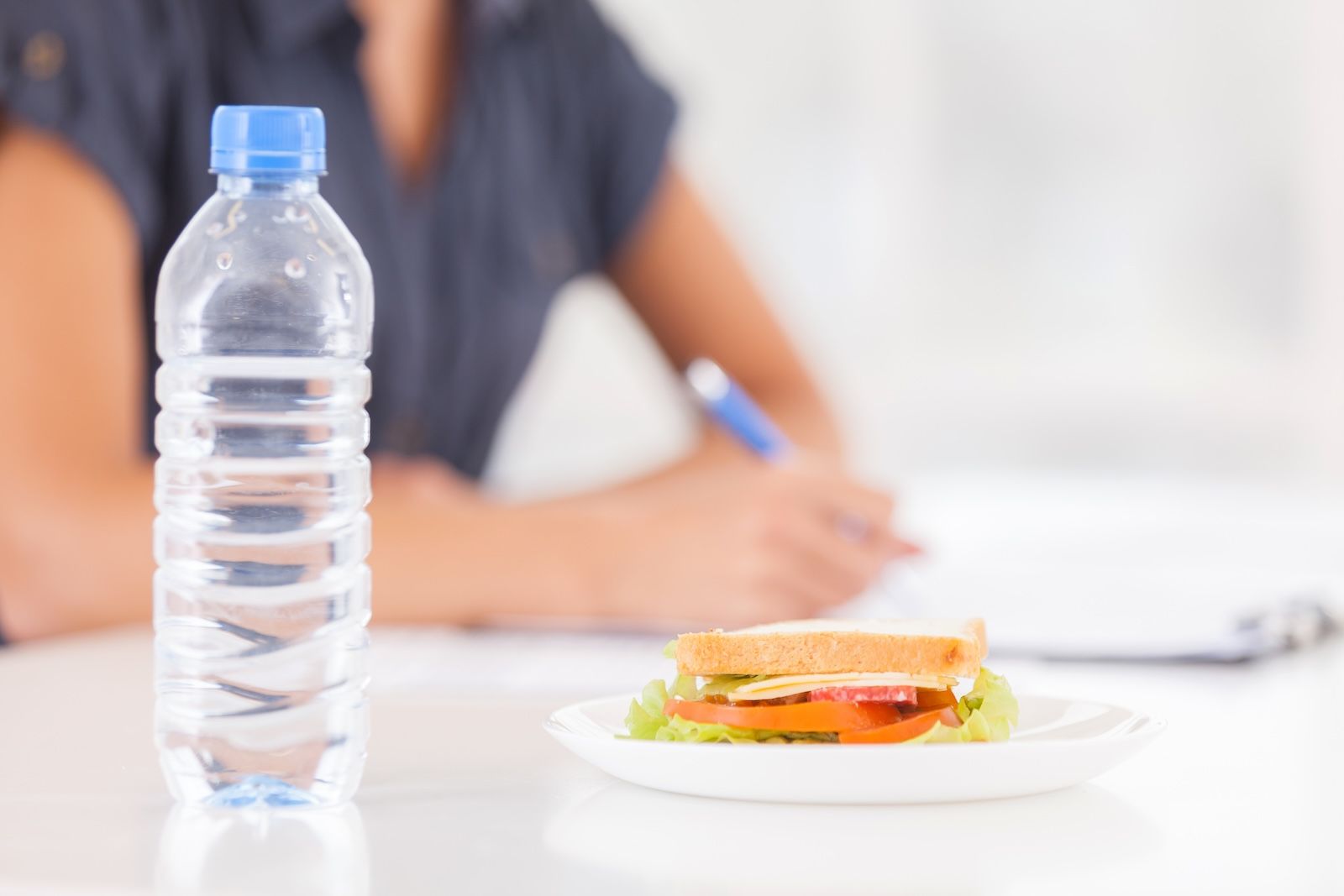
Dehydration impairs cognitive function independently of what you eat. A study in the British Journal of Nutrition (Ganio et al., 2011) found that even mild dehydration (1-2% body mass loss) significantly impaired concentration, alertness, and working memory. In Bangkok's heat, where you lose 0.5-1 litre of water just commuting to work, most office workers are already mildly dehydrated by lunchtime.
Target: 500ml of water before or during lunch. Not sugary drinks. Not iced coffee with condensed milk. Water.
Rule 5: Keep Total Calories Between 400-650
Overeating at lunch is the simplest explanation for the 2 PM crash and the easiest to fix. Your body diverts blood and energy to digestion in proportion to meal size. A 400-calorie lunch requires modest digestive effort. A 1,200-calorie lunch puts your digestive system into overdrive, pulling resources away from your brain.
This does not mean going hungry. It means choosing calorie-dense nutrients (protein, healthy fats) over calorie-dense junk (refined carbs, fried food, sugary drinks).
10 Real Lunches That Prevent the 2 PM Crash
Theory is only useful if you can execute it. Here are 10 real meals from the Easy Health menu that follow all five rules. Every meal is cooked fresh daily in Bangkok, with zero MSG, zero added sugar, and full macro transparency printed on every package.
High-Protein, Low-Crash Options
1. Morning Omelette

366 kcal · 28g protein · 3g carbs · 27g fat
225 THB
Crash-proof score: Excellent. Only 3g carbs means virtually no blood sugar impact. 28g protein triggers orexin for alertness. Healthy fats from eggs slow digestion. Despite the name, this works perfectly as lunch.
2. Farmer Omelette

385 kcal · 33g protein · 13g carbs · 23g fat
229 THB
Crash-proof score: Excellent. 33g protein exceeds the 30g threshold for sustained alertness. 13g carbs is well under the 40g limit. The vegetable content adds fibre and micronutrients.
3. Tom Jued Soup

93 kcal · 14g protein · 6g carbs · 1g fat
75 THB
Crash-proof score: Outstanding as a pairing. Only 93 calories with 14g protein. Add this to any main meal for a protein boost without carb load. The warm broth also promotes hydration.
Balanced Energy Meals
4. Hearty Breakfast Wrap
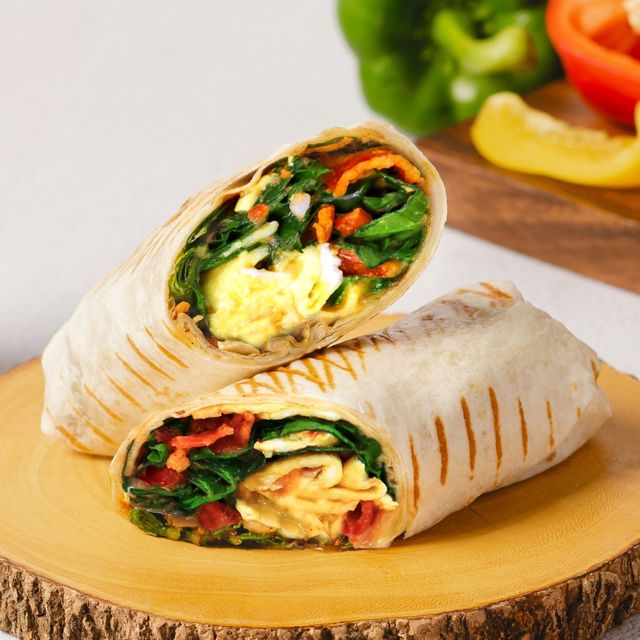
375 kcal · 27g protein
179 THB
Crash-proof score: Very good. Under 400 calories with strong protein. The wrap format is portable for office workers who eat at their desk.
5. Hummus Bowl

239 kcal · 13g protein
195 THB
Crash-proof score: Good. Plant-based option with chickpea protein and olive oil fats. Lower protein means pairing with a Tom Jued Soup (14g protein, 75 THB) creates a complete crash-proof lunch at 332 kcal and 27g protein for 270 THB total.
6. Pumpkin Soup
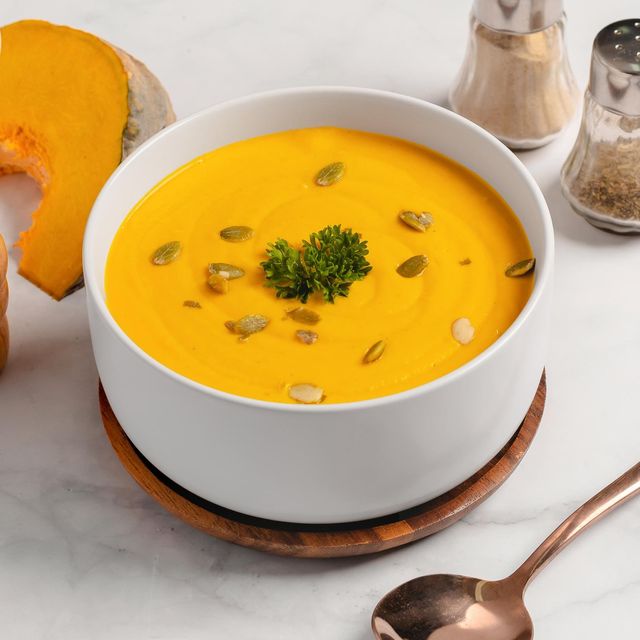
165 kcal · 4g protein · 14g carbs · 10g fat
75 THB
Crash-proof score: Good as a side. Low calorie, high volume. The fibre from pumpkin slows digestion. Pair with a protein-heavy main.
Power Lunch Options (For Active People)
7. Ranchero Skillet

589 kcal · 56g protein · 27g carbs · 29g fat
289 THB
Crash-proof score: Excellent for active people. 56g protein is exceptional. 27g carbs stays well within limit. Best for those who exercise and need more calories without sacrificing afternoon energy.
8. Pad Thai (Clean Version)
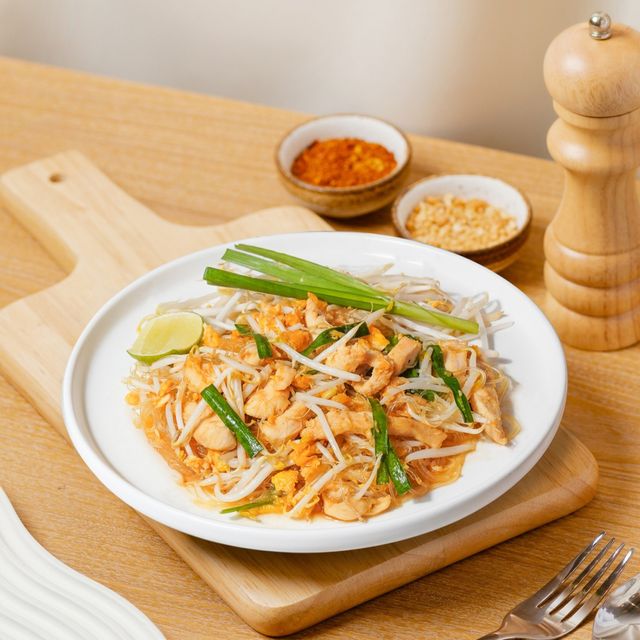
615 kcal · 39g protein
135 THB
Crash-proof score: Good. Higher calorie and carb than other options, but 39g protein balances the equation. The clean version uses real tamarind (not sugar-loaded sauce) and free-range chicken. A massive upgrade over street pad thai.
9. Peanut Butter Berry Jam Bowl
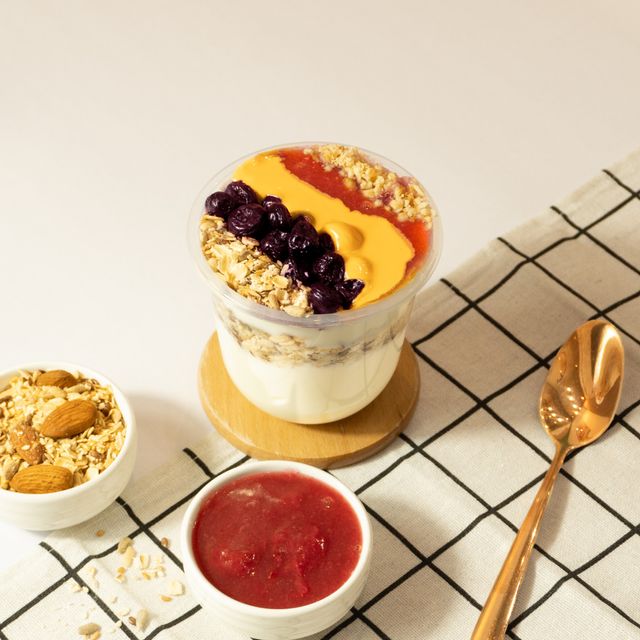
431 kcal · 21g protein
175 THB
Crash-proof score: Good. The combination of nut butter (healthy fats) and protein provides sustained energy. Berry antioxidants are a bonus. Works well as a lighter lunch option.
10. Power Fit Combo

1,043 kcal · 83g protein
319 THB
Crash-proof score: For athletes and large individuals only. 83g protein is extraordinary but the calorie load is too high for most office workers at lunch. Best split into lunch and afternoon snack.
Combo Strategies: Building the Perfect Crash-Proof Lunch
Single meals are great, but strategic combinations can be even more effective:
The Office Worker Combo (~400 kcal, ~42g protein, ~270 THB)
Farmer Omelette (385 kcal, 33g protein, 229 THB)
Add a side of Tom Jued Soup on heavier days (+93 kcal, +14g protein, +75 THB)
Total: 478 kcal, 47g protein, 304 THB
The Budget-Conscious Combo (~330 kcal, ~27g protein, ~270 THB)
Hummus Bowl (239 kcal, 13g protein, 195 THB)
Tom Jued Soup (93 kcal, 14g protein, 75 THB)
Total: 332 kcal, 27g protein, 270 THB
The Expat Favourite (~550 kcal, ~42g protein, ~360 THB)
Hearty Breakfast Wrap (375 kcal, 27g protein, 179 THB)
Pumpkin Soup (165 kcal, 4g protein, 75 THB)
Total: 540 kcal, 31g protein, 254 THB
Browse all options on the Easy Health menu where every item shows exact macros.
What to Avoid: The Worst Lunches for Afternoon Energy
Understanding what causes the crash is just as important as knowing what prevents it. These are the most common crash-inducing lunch choices in Bangkok:
Khao pad (fried rice): 700-900 kcal, 60-80g carbs, 15-20g protein. The carb-to-protein ratio is terrible for sustained energy. The added oil increases calories without adding satiety.
Pad see ew: 600-800 kcal, 50-70g carbs, minimal protein unless you add extra meat. Wide rice noodles are essentially pure refined carbohydrate.
Som tum + sticky rice: The som tum itself is relatively healthy (if you skip the added sugar), but paired with sticky rice (40-60g pure carbs per serving), it becomes a blood sugar bomb.
Bubble tea + sandwich from the convenience store: 400-600 kcal from the bubble tea alone (50-80g sugar), plus a processed white bread sandwich with minimal protein. This is the worst possible combination for afternoon performance.
"Healthy" salad with sweet dressing: Many Bangkok salad shops use dressings containing 15-25g of sugar per serving. Add croutons, dried fruit, and honey-roasted nuts and your "healthy" salad contains more sugar than a bowl of pad thai.
The Hidden Culprit: Your Afternoon Drink
What you drink with lunch matters as much as what you eat. Common afternoon drink choices in Bangkok and their sugar content:
Thai iced tea (ชาเย็น): 30-50g sugar
Thai iced coffee (กาแฟเย็น): 25-40g sugar
Sweetened green tea: 20-35g sugar
Fruit smoothie (commercial): 30-60g sugar
Bubble tea (medium): 40-70g sugar
Water: 0g sugar
Replace your afternoon sweet drink with water, unsweetened tea, or black coffee. This single change can eliminate 200-400 unnecessary sugar calories that directly contribute to the afternoon crash.
The Afternoon Energy Timeline: What to Expect
When you switch to a crash-proof lunch, here is what happens:
Day 1-3: Adjustment period. You may feel slightly unsatisfied after lunch because your brain is accustomed to the dopamine hit from high-carb meals. This passes quickly. The key insight: what you interpreted as "hunger" was actually sugar craving, not genuine caloric need.
Day 4-7: The difference becomes obvious. By the end of the first week, you will notice that 2 PM no longer feels like a wall. Your energy dips slightly (this is normal circadian rhythm) but you do not experience the debilitating crash. Focus stays consistent from lunch until 5-6 PM.
Week 2-3: Productivity measurably improves. Many people report gaining 1-2 hours of productive work time in the afternoon simply by changing lunch. Over a month, that is 20-40 extra productive hours.
Week 4+: It becomes your default. The high-carb lunch that once felt normal now feels obviously wrong when you occasionally have one. Your body recalibrates to expect stable energy rather than spike-and-crash cycles.
For Bangkok Specifically: Where and How to Eat Smart
If You Work in an Office
The biggest challenge for office workers is the lunch rush. When everyone is heading to the food court at the same time, the path of least resistance is whatever is fastest, which is usually rice-based or noodle-based. Two strategies:
Pre-order delivery. Easy Health delivers across Bangkok. Order before 10 AM and your lunch arrives at your office. No food court queue, no decision fatigue, no compromise. Every meal shows exact macros on the packaging.
Use the Easy Health app to browse options during your morning commute. Decide what you are eating before hunger makes the decision for you. Hunger-driven decisions almost always default to high-carb options because your brain craves the quickest energy source.
If You Eat Out
Not every lunch needs to come from a delivery. When eating at restaurants in Bangkok, apply these principles:
Order grilled or steamed protein (chicken, fish, pork) as the centrepiece
Ask for brown rice or skip rice entirely
Request sauce on the side (sauces are where the hidden sugar lives)
Add a clear soup or vegetable side instead of a fried appetiser
Drink water instead of sweetened beverages
If You Work from Home
Remote workers face a unique challenge: the refrigerator is 10 steps away, all day. This creates constant grazing opportunities that lead to overconsumption and energy fluctuations. Structure your day with a planned lunch at a set time, prepared in advance or delivered, and avoid snacking between meals.
The Meal Plan Shortcut
If you want to eliminate the daily lunch decision entirely, Easy Health offers meal plans that handle everything:
Lean Plan: 800-1,000 kcal/day, 1,899 THB/5 days. Includes a perfectly portioned lunch every day.
Balance Plan: 1,400-1,600 kcal/day, 3,399 THB/5 days. The most popular plan. Lunch + dinner covered with balanced macros.
Active Plan: 1,800-2,000 kcal/day, 3,499 THB/5 days. For those who exercise regularly and need higher energy.
Athlete Plan: 2,400-2,600 kcal/day, 4,799 THB/5 days. Maximum fuel for serious training.
Keto Plan: Low-carb, high-fat, 3,499 THB/5 days. Naturally crash-proof since carbs are minimal.
Vegetarian Plan: 1,400-1,600 kcal/day, 2,799 THB/5 days. Plant-based nutrition without the blood sugar roller coaster.
All plans: cooked fresh daily, zero MSG, zero added sugar, full macro transparency, delivered across Bangkok.
FAQ
Why do I feel sleepy after lunch?
Post-lunch sleepiness (medically called postprandial somnolence) is caused by a combination of blood sugar fluctuations and hormonal changes triggered by your meal. High-carbohydrate lunches cause a rapid blood sugar spike followed by an insulin-driven crash. Simultaneously, carbs increase tryptophan uptake in the brain, which converts to serotonin and melatonin, both of which promote drowsiness. The effect is worsened by large portion sizes, dehydration, and insufficient protein.
What is the best lunch to avoid the afternoon slump?
The best lunch for sustained afternoon energy contains 25-40g of protein, under 40g of carbohydrates (preferably complex carbs), healthy fats, and totals 400-650 calories. Specific examples include egg-based meals (omelettes with vegetables), grilled chicken or fish with non-starchy vegetables, or protein bowls with quinoa instead of white rice. The key is prioritising protein over carbs, because protein triggers wakefulness hormones while carbs trigger sleep hormones.
How many calories should I eat for lunch to stay energised?
For most adults working in an office environment, 400-650 calories at lunch is the optimal range for sustained energy without digestive drowsiness. Meals above 800 calories divert significant blood flow to digestion, reducing brain function. If you are physically active or larger than average, aim for the higher end. If you are sedentary or smaller, aim for 400-500 calories.
Does coffee fix the 2 PM crash?
Coffee masks the crash temporarily by blocking adenosine (the sleepiness chemical) in your brain. But it does not address the underlying blood sugar problem. Once the caffeine wears off (3-5 hours), the crash returns, often worse than before. Coffee after lunch is fine in moderation (under 200mg caffeine), but it should supplement a good lunch, not compensate for a bad one.
Is the 2 PM crash related to sleep quality?
Yes, partially. Poor sleep amplifies the afternoon dip. Your body has a natural circadian energy dip around 1-3 PM regardless of what you eat. When combined with poor sleep (under 7 hours) and a high-carb lunch, the effect is compounded. However, even well-rested people experience the crash if they eat a blood-sugar-spiking lunch. Fixing your lunch is the highest-impact intervention because it addresses the most controllable variable.
Can I just skip lunch to avoid the crash?
Skipping lunch avoids the crash but creates different problems: low blood sugar by mid-afternoon (causing irritability and poor decision-making), overeating at dinner, and muscle breakdown if protein intake is insufficient. A better strategy is eating a moderate, protein-rich lunch that provides stable energy without the spike-and-crash cycle. Research from the International Journal of Obesity shows that meal skipping is associated with poorer dietary quality and higher overall calorie intake later in the day.
Ready to Fix Your Afternoon Energy?
Every meal on the Easy Health menu shows exact calories, protein, carbs, and fat. No guessing. No hidden sugar. No MSG. Just real food with real numbers, so you can choose a lunch that keeps you sharp until 6 PM.
Over 160 menu items, all cooked fresh daily
Full macro info (calories, protein, carbs, fat) for every meal
Zero MSG, zero added sugar, zero preservatives
Delivered across Bangkok every day
Download the Easy Health app:
Or explore online:
References
Benton, D., & Young, H. A. (2018). A meta-analysis of the relationship between brain tryptophan and mood and cognitive function. Nutrients, 10(6), 804. https://doi.org/10.3390/nu10060804
Leidy, H. J., et al. (2015). The role of protein in weight loss and maintenance. The American Journal of Clinical Nutrition, 101(6), 1320S-1329S. https://doi.org/10.3945/ajcn.114.084038
Ganio, M. S., et al. (2011). Mild dehydration impairs cognitive performance and mood of men. British Journal of Nutrition, 106(10), 1535-1543. https://doi.org/10.1017/S0007114511002005
Dye, L., Lluch, A., & Blundell, J. E. (2000). Macronutrients and mental performance. Nutrition, 16(10), 1021-1034. https://doi.org/10.1016/S0899-9007(00)00450-0
Westerterp-Plantenga, M. S., et al. (2009). Dietary protein, its role in satiety, energetics, weight loss and health. British Journal of Nutrition, 108(S2), S52-S63. https://doi.org/10.1017/S0007114512002589
Harvard T.H. Chan School of Public Health. The Nutrition Source: Carbohydrates and Blood Sugar. https://nutritionsource.hsph.harvard.edu/carbohydrates/carbohydrates-and-blood-sugar/
World Health Organization. (2020). Healthy Diet. Fact Sheet. https://www.who.int/news-room/fact-sheets/detail/healthy-diet
Afaghi, A., O'Connor, H., & Chow, C. M. (2007). High-glycemic-index carbohydrate meals shorten sleep onset. The American Journal of Clinical Nutrition, 85(2), 426-430. https://doi.org/10.1093/ajcn/85.2.426
Thai Ministry of Public Health, Department of Health. Nutrition Guidelines for Thai Adults. https://nutrition2.anamai.moph.go.th